
Tropical fruit beverages have quietly moved from poolside novelty to one of the most talked-about categories in the drink industry. If you’ve been wondering what is the tropical fruit beverage trend and why it seems to be everywhere right now, you’re not alone. What started as a seasonal craving for something refreshing has become a year-round obsession, fueled by health-conscious consumers, social media aesthetics, and a genuine hunger for flavors that feel exciting and new. This guide breaks down exactly what’s driving this shift and what it means for what you drink every day.
Table of Contents
- Key takeaways
- What is the tropical fruit beverage trend, really?
- Health benefits that go beyond the flavor
- Market dynamics behind tropical drink popularity
- Cultural roots of trending tropical beverages
- How to find and enjoy tropical beverages you’ll actually love
- My honest take on what this trend actually means
- Explore tropical-inspired kombucha from Aboocha
- FAQ
Key takeaways
| Point | Details |
|---|---|
| Tropical drinks are now year-round | Tropical flavors have moved from seasonal novelties to mainstream staples with global relevance. |
| Flavor strategy matters | Brands combine anchor flavors like mango and pineapple with emerging ones like dragon fruit to serve all consumers. |
| Health benefits drive demand | Tropical beverages increasingly include probiotics, adaptogens, and electrolytes alongside natural fruit flavors. |
| Culture fuels innovation | Latin American, Southeast Asian, and Caribbean culinary traditions are reshaping what tropical drinks taste like. |
| Smart shopping pays off | Reading labels for real fruit content and functional claims helps you find drinks that actually deliver on their promises. |
What is the tropical fruit beverage trend, really?
The short answer: it’s the rapid rise of tropical fruit flavors as a dominant force in beverage innovation, not just in summer sippers but across kombucha, sparkling water, functional drinks, and premium sodas year-round. Tropical flavors have become year-round mainstream staples, serving global relevance and bold sensory impact well beyond simple escapism.
The longer answer involves a shift in how consumers think about what they drink. People are no longer satisfied with generic citrus or plain sparkling water. They want something that delivers a full sensory experience: vivid color, layered aroma, and a flavor that feels genuinely different. Tropical fruits deliver all three.
Here are the fruits leading the charge right now:
- Pineapple: The most familiar entry point. 57% of U.S. consumers report liking pineapple flavor, making it a reliable base for product launches.
- Mango: Rich, sweet, and versatile. Pairs well with spice, floral notes, and fermented bases.
- Passion fruit: Tart, aromatic, and intensely flavorful in small amounts. A standout in premium positioning.
- Guava: Soft sweetness with a floral finish. Popular in Latin American-inspired drinks.
- Dragon fruit: More visual than flavorful on its own, but its vivid pink color makes it a social media favorite.
- Coconut: Creamy and grounding. Works as a base, a mixer, and a standalone flavor.
Brands use what the industry calls an “anchor and emerging” strategy. Anchor flavors like mango and coconut reduce consumer risk, while emerging ones like passion fruit and dragon fruit signal trend fluency and support premium positioning. You’ll notice this pattern if you start scanning beverage shelves with fresh eyes.
Pro Tip: If you want to explore tropical beverages without committing to something completely unfamiliar, start with a mango or pineapple base and look for one “emerging” flavor layered in. That combination gives you familiarity with a genuine taste adventure.
Health benefits that go beyond the flavor
Flavor alone doesn’t explain why the tropical fruit beverage trend has become so durable. The bigger story is what these drinks are doing for consumer wellness. Tropical fruits are naturally rich in vitamin C, antioxidants, and digestive enzymes. But the real momentum comes from what brands are adding alongside those fruits.

The most significant shift is the rise of hybrid beverages that blur the line between a drink and a supplement. Tropical fruit beverage innovation now merges flavor with functional benefits, combining ingredients like probiotics, adaptogens, and electrolytes with the natural appeal of tropical fruit.
Here’s what you’ll commonly find in these drinks:
- Probiotics: Support gut health and digestion, often found in kombucha and kefir-based tropical drinks.
- Adaptogens: Stress-modulating botanicals like ashwagandha or lion’s mane, paired with mango or passion fruit to mask bitterness.
- Electrolytes: Coconut water is the classic example, but newer products layer in additional minerals for post-workout recovery.
- Antioxidants: Dragon fruit and guava are particularly high in compounds that combat oxidative stress.
Consumer health awareness is the engine here. People are reading labels more carefully than ever, and they’re choosing drinks that do something beyond hydration. The tropical fruit wrapper makes functional ingredients more approachable and genuinely more enjoyable to consume.
Pro Tip: When evaluating a functional tropical drink, check whether real fruit or fruit juice is listed in the first three ingredients. If it’s buried behind artificial flavors and sweeteners, the “tropical” claim is mostly marketing.
Market dynamics behind tropical drink popularity
The numbers behind this trend are hard to ignore. Soft drink launches in Asia-Pacific grew at a CAGR of 16.3% from 2023 to 2025, driven by health awareness and rapid flavor innovation. That growth rate signals a structural shift, not a passing fad.
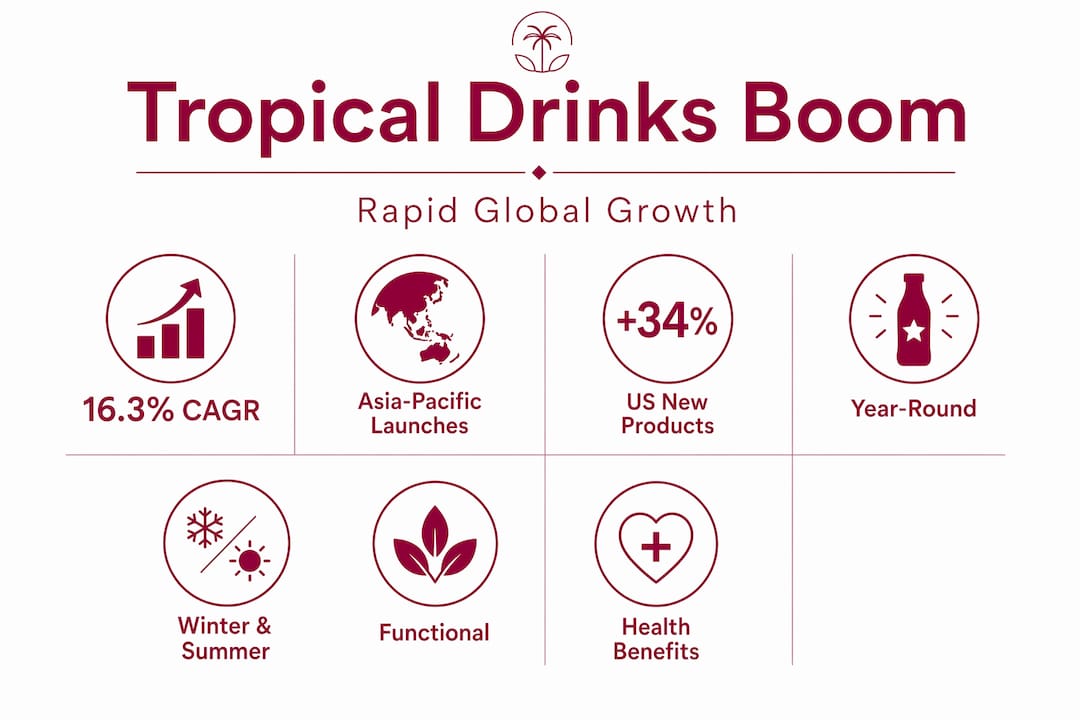
One of the most striking examples of consumer demand in action: a passion fruit “super soda” sold out its projected 6 to 8 month supply in just nine weeks. That kind of velocity doesn’t happen by accident. It reflects a consumer base that is actively seeking out novel tropical flavors and willing to pay premium prices for them.
| Driver | What it looks like in practice |
|---|---|
| Year-round consumption | Tropical drinks now appear in winter menus, holiday gift sets, and cold-weather wellness routines |
| Younger demographics | Gen Z and millennials seek global flavor experiences and are more likely to try unfamiliar fruits |
| Social media appeal | Vibrant colors and unique textures drive organic sharing, turning drinks into marketing tools |
| Premiumization | Hyper-specific fruit varieties and complex flavor fusions command higher price points |
| Health positioning | Functional claims around gut health and immunity make tropical drinks feel purposeful |
Consumer boredom with traditional citrus drinks created a market gap that tropical flavor innovation is now filling, especially in sparkling soft drinks. Brands that recognize this are investing heavily in flavor R&D, sourcing exotic fruits, and building visual identities that photograph well. The “Instagrammable” factor is not superficial. It’s a deliberate strategy that accelerates adoption.
Cultural roots of trending tropical beverages
Understanding where tropical flavors come from makes you a smarter consumer and a more adventurous one. Tropical flavors connect directly to Latin American, Southeast Asian, and Caribbean culinary traditions, each of which has centuries of fruit-forward beverage culture to draw from.
Consider tepache, a fermented pineapple drink from Mexico that has been consumed for generations and is now appearing in craft beverage shops across the U.S. Or calamansi juice from the Philippines, a citrus-adjacent fruit with a flavor profile unlike anything found in Western grocery stores. These aren’t invented trends. They’re traditions being rediscovered and repackaged for a global audience.
The most exciting innovation happens at the intersection of cultures. Think mango with tajín (a Mexican chili-lime seasoning), or lychee paired with rose water in a Southeast Asian-inspired kombucha. Aboocha’s Sakura Lychee Rose Kombucha is a perfect example of this fusion approach, combining floral and tropical notes in a way that feels both exotic and approachable.
Hyper-specific tropical fruit varieties and complex flavor fusions offer real premiumization opportunities and authentic storytelling for beverage brands. When a brand can tell you exactly which region a guava came from or how a particular yuzu variety differs from standard citrus, that specificity builds trust and justifies a higher price point. It also makes the drinking experience genuinely more interesting.
How to find and enjoy tropical beverages you’ll actually love
Knowing the trend exists is one thing. Knowing how to navigate it without wasting money on drinks that disappoint is another. Here’s a practical approach to getting the most out of the tropical fruit beverage trend.
- Start with a flavor anchor you already enjoy. If you like citrus, passion fruit is a natural next step. If you enjoy stone fruit, guava will feel familiar. Use your existing preferences as a map.
- Read the ingredient list, not just the label. “Tropical flavor” on the front of a bottle can mean real fruit or artificial flavoring. Real fruit juice, puree, or extract should appear early in the list.
- Look for functional claims you can verify. Probiotic counts, electrolyte content, and adaptogen dosages should be listed clearly. Vague claims like “supports wellness” without specifics are a red flag.
- Try kombucha as an entry point for functional tropical drinks. The fermentation process adds natural probiotics, and tropical flavors like mango or passion fruit balance the natural tartness beautifully. Aboocha’s Mango Jasmine Kombucha pairs the richness of mango with delicate floral notes for a drink that feels both grounding and adventurous.
- Explore occasion-based pairings. A coconut-based drink pairs well with spicy food. A passion fruit sparkling water works beautifully as a mocktail base. Matching the drink to the moment makes the experience more memorable.
- Don’t overlook fermented tropical beverages. Drinks like kombucha and tepache-inspired sodas add complexity and gut health benefits that plain fruit juice can’t match.
Pro Tip: Buy a small-format bottle of something unfamiliar before committing to a multipack. Most premium tropical beverage brands offer single-serve options specifically because they know the flavor is the barrier to entry.
My honest take on what this trend actually means
I’ve watched a lot of beverage trends come and go, and most of them peak fast and disappear faster. What makes the tropical fruit beverage trend feel different to me is the depth underneath the aesthetics. It’s not just about a pretty pink drink for Instagram. The best products in this space are doing something genuinely interesting with flavor layering, cultural sourcing, and functional formulation.
That said, I want to be honest about the hype. Not every drink with “tropical” on the label deserves your money or your trust. I’ve tasted plenty of products that use artificial flavoring, load up on sugar, and slap a dragon fruit on the packaging to ride the trend. The visual appeal is real, but it can also be a distraction from what’s actually in the bottle.
What I’ve found actually works is seeking out brands that can tell you a specific story about their ingredients. Where did the yuzu come from? What strain of probiotic is in the kombucha? Is the passion fruit fresh-pressed or reconstituted? Those questions separate the genuine innovators from the trend-chasers. Aboocha’s approach to flavors like Yuzu Osmanthus and Sour Plum reflects that kind of specificity. These aren’t generic tropical flavors. They’re rooted in real culinary traditions.
My advice: experiment freely, but stay skeptical of health claims that aren’t backed by real ingredient transparency. The tropical fruit beverage trend is worth exploring. Just bring your critical eye along for the ride.
— Luna
Explore tropical-inspired kombucha from Aboocha
If this trend has you curious about where to start, Aboocha makes the entry point genuinely enjoyable. Their kombucha lineup is built around the same principles driving the broader tropical beverage movement: real flavor complexity, lower sugar content, and functional gut health benefits that you can actually feel.
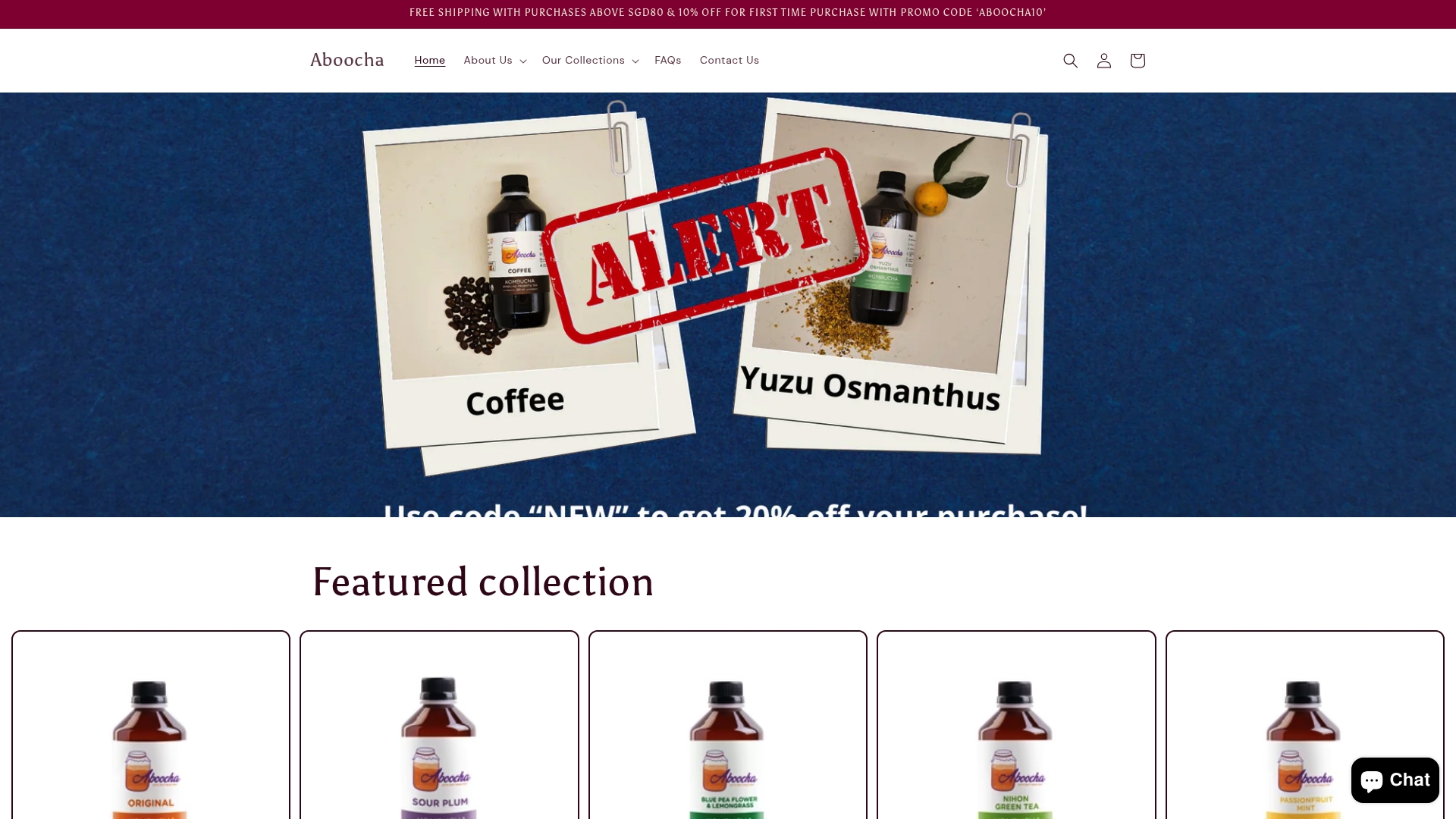
From the bright tartness of their Passionfruit Mint Kombucha to the layered floral depth of Blue Pea Flower and Lemongrass, each bottle reflects a deliberate flavor philosophy. If you want to try several at once and find your favorites without guesswork, their kombucha bundles are the most practical way to explore the full range. You get variety, you get value, and you get a real sense of what thoughtfully crafted tropical beverages can taste like.
FAQ
What is the tropical fruit beverage trend?
The tropical fruit beverage trend refers to the rapid rise of tropical fruit flavors like mango, passion fruit, and dragon fruit as year-round staples in beverages ranging from sparkling water to kombucha. It is driven by consumer demand for bold flavors, health benefits, and global culinary inspiration.
Why are tropical drinks so popular right now?
Tropical drink popularity is driven by a combination of sensory appeal, health-conscious formulation, and social media visibility. Vibrant colors and unique flavor profiles make these drinks shareable online, while functional ingredients like probiotics and electrolytes make them feel purposeful.
What are the healthiest tropical fruit beverages to try?
Fermented tropical beverages like kombucha offer the most functional benefits, combining natural fruit flavor with live probiotics that support gut health. Look for options with low added sugar and real fruit listed prominently in the ingredients.
Are tropical smoothie trends the same as the broader tropical beverage trend?
Tropical smoothie trends are one part of the larger fruit-based beverage trend, but the broader movement also includes sparkling sodas, kombuchas, functional waters, and fermented drinks. Smoothies focus on whole fruit and texture, while the wider trend spans a much larger range of formats and functional claims.
How do I choose a quality tropical fruit drink?
Check that real fruit juice, puree, or extract appears in the first few ingredients, and look for specific functional claims with measurable quantities. Avoid products where “tropical flavor” is the only fruit-related ingredient listed, as this typically indicates artificial flavoring rather than real fruit content.