
Kombucha’s layered flavors, tart acidity, and gentle fizz make it one of the most interesting beverages to bring to the table. But that complexity also creates real uncertainty: Does a ginger brew clash with your curry, or does it cut right through it? Should you sip before, during, or after a meal? This pair kombucha with food guide answers those questions with specificity. You’ll learn the flavor science behind smart pairings, get concrete dish-and-drink combos across cuisines, and pick up timing strategies that support digestion without the guesswork.
Table of Contents
- Key takeaways
- Understanding kombucha’s flavor profile
- Core principles for pairing kombucha with food
- Best food pairings across cuisines and dishes
- Timing and quantity strategies
- Common pairing mistakes to avoid
- My honest take on pairing kombucha
- Find your perfect pairing with Aboocha
- FAQ
Key takeaways
| Point | Details |
|---|---|
| Know your kombucha’s flavor base | Match the intensity and acidity of your kombucha to the weight and richness of the dish. |
| Use contrast and complement | Creamy foods love tart kombucha; spicy dishes need something slightly sweet and effervescent. |
| Time your sips strategically | Drinking 100–250 mL with or after a meal minimizes digestive discomfort and maximizes flavor. |
| Start small if you’re new | Begin with a 2 oz pour to let your gut adjust before scaling up to full servings. |
| Avoid common mismatch traps | High-sugar kombuchas with sweet desserts and very fatty foods with sharp vinegar profiles rarely work. |
Understanding kombucha’s flavor profile
Before you can pair kombucha with food confidently, you need to understand what you’re actually tasting. Kombucha is a fermented tea, and that fermentation process creates a flavor matrix that goes well beyond “fizzy and sour.”
The main taste components you’ll encounter are:
- Tartness and acidity: Kombucha’s pH sits between 2.5 and 3.5, putting it in the same acidity range as lemon juice. This brightness is the backbone of most pairings.
- Effervescence: The carbonation creates a palate-cleansing effect, which is why kombucha works so well alongside rich or fatty foods.
- Sweetness: Sugar content ranges from 2–14g per 8 oz depending on the flavor and how long fermentation ran. A shorter ferment means more residual sweetness; a longer one pushes toward vinegar.
- Tea undertones: The base tea, whether green, black, or white, lends its own tannins and earthiness to the final flavor.
- Vinegar notes: Kombucha fermentation delivers bright tartness with subtle vinegar undertones that function like lemon juice acidity in food pairings.
Floral varieties like Yuzu Osmanthus or Sakura Lychee Rose read almost like a delicate perfume. Fruit-forward profiles like Mango Jasmine carry tropical sweetness with a tart finish. Knowing which category your bottle falls into is the first step toward smart pairing.
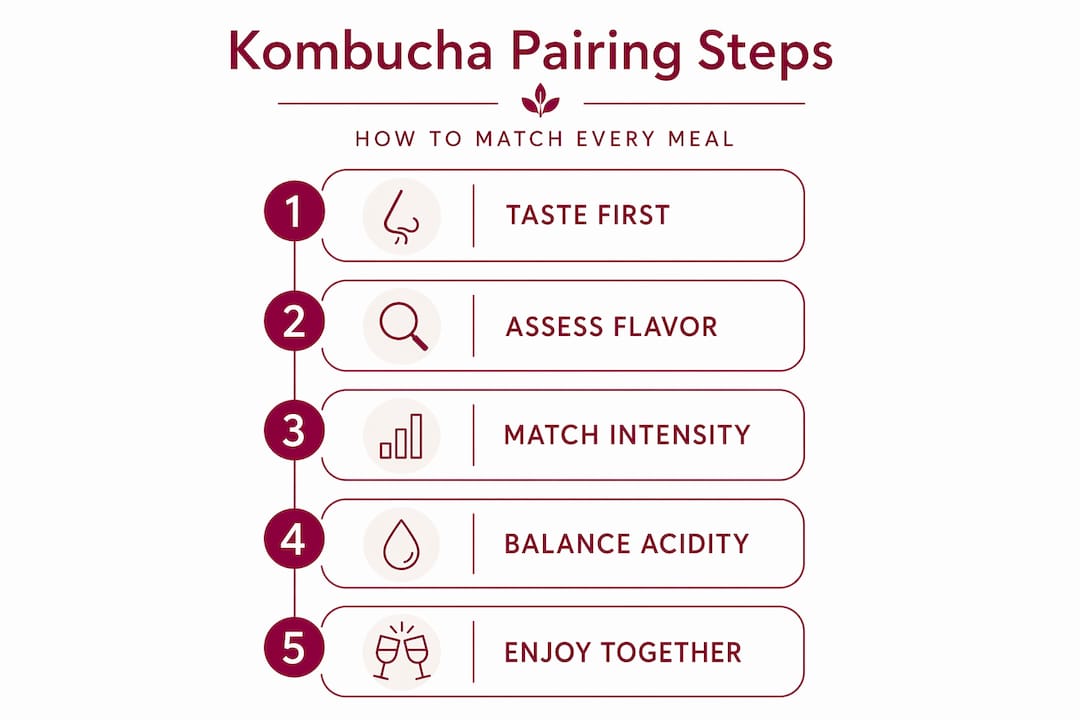
Pro Tip: Taste your kombucha on its own before pairing. Notice whether it leans tart, sweet, floral, or earthy. That single observation will guide every pairing decision you make.
Core principles for pairing kombucha with food
Good kombucha food pairing tips follow the same logic as wine pairing, but with a few twists specific to fermented beverages.
-
Match intensity. A bold, vinegary kombucha will bulldoze a delicate cucumber salad. Pair strong flavors with strong dishes and light profiles with subtle ones.
-
Balance tartness with fat or protein. Acidity cuts through richness. A sharp, tart kombucha alongside a creamy brie or a fatty piece of grilled salmon works because the acid lifts the heaviness off your palate.
-
Use contrast strategically. Ginger kombucha with citrus enhances zing; berry kombucha contrasts beautifully with creamy textures. Contrast creates interest. Complement creates harmony. Both are valid goals.
-
Align sweetness levels. Pairing a high-sugar kombucha with a dessert amplifies sweetness until it becomes cloying. Instead, reach for a drier, more acidic kombucha to offset a sweet dish.
-
Consider carbonation and spice. Pairing spicy foods with acidic, lightly sweet beverages creates palate comfort, while high carbonation can occasionally amplify heat. With very spicy dishes, choose a kombucha with moderate fizz and noticeable sweetness.
-
Time your drinking. Kombucha consumed with or after a meal supports digestion more effectively than drinking it on an empty stomach. The organic acids interact with food to ease the digestive process.
Pro Tip: Think of kombucha like a condiment. Ask yourself: “Would a squeeze of lemon or a splash of vinegar work here?” If yes, a tart kombucha probably will too.
Best food pairings across cuisines and dishes
This is where kombucha food pairing tips get genuinely exciting. Here’s a breakdown of the best food for kombucha across different categories.
Cheese
Kombucha and cheese pairing is underrated. The acidity in kombucha mimics what wine does for cheese: it cuts through fat, refreshes the palate, and highlights the savory complexity of the cheese itself.
- Creamy cheeses (brie, camembert, burrata): Pair with a floral or lightly fruity kombucha. Aboocha’s Sakura Lychee Rose works beautifully here. The floral notes complement the milky richness without overwhelming it.
- Sharp and aged cheeses (cheddar, manchego, parmesan): These need a bolder kombucha. A tart sour plum or a citrusy yuzu profile holds its own against the intensity.
- Blue cheese: Go with something sweet and fruity. The contrast between the pungent cheese and a mango or berry kombucha is genuinely surprising in the best way.
Spicy dishes
When pairing kombucha with meals from spicy cuisines like Indian curries, Thai stir-fries, or Sichuan dishes, you want a kombucha that soothes rather than amplifies heat. A slightly sweet, moderately carbonated profile is your best tool. Aboocha’s Blue Pea Flower & Lemongrass is a strong choice here. The herbal lemongrass note mirrors the aromatics in Southeast Asian cooking, while the gentle sweetness tempers the chili burn.

Seafood and light salads
Delicate proteins need delicate pairings. Citrusy, floral, or green tea kombucha varieties complement grilled fish, shrimp dishes, and fresh salads without overpowering them. The acidity in the kombucha acts like a squeeze of lemon over the dish, brightening the whole plate.
Desserts
Dark chocolate is the star pairing here. Its bitterness and depth match beautifully with berry or sour fruit kombucha profiles. The tartness of the kombucha cuts through the chocolate’s fat content and amplifies the fruit notes already present in quality dark chocolate. For lighter desserts like panna cotta or fruit tarts, a floral kombucha like Yuzu Osmanthus adds an aromatic lift without competing.
Here’s a quick reference for kombucha drink and dish combos:
| Kombucha flavor profile | Best food matches |
|---|---|
| Tart and vinegary (e.g., Sour Plum) | Fatty meats, aged cheese, fried foods |
| Floral and light (e.g., Yuzu Osmanthus, Sakura Lychee Rose) | Seafood, salads, creamy desserts |
| Fruity and sweet (e.g., Mango Jasmine, Passionfruit Mint) | Mild curries, fresh fruit, light cheeses |
| Herbal and earthy (e.g., Blue Pea Flower & Lemongrass) | Spicy dishes, grilled vegetables, rice dishes |
| Malty and roasted (e.g., Coffee Kombucha) | Dark chocolate, charcuterie, hearty braises |
Timing and quantity strategies
Knowing what to eat with kombucha is only half the equation. When and how much you drink matters just as much for both flavor and digestion.
Experts recommend 4–8 oz servings with meals to support digestion, with most people finding the sweet spot around 100–250 mL per sitting. Going beyond 32 oz daily can cause digestive issues, particularly if your gut is still adjusting to fermented beverages.
A few practical guidelines to follow:
- Drink with or after your meal. Kombucha’s organic acids and probiotics may aid digestion but can trigger sensitivity when consumed on an empty stomach. Food provides a buffer.
- Start with 2 oz if you’re new. New drinkers should begin with small servings and monitor for bloating before working up to full pours.
- Sip slowly. Gulping carbonated kombucha quickly introduces a lot of gas at once. Slow sipping lets you enjoy the flavor and gives your digestive system time to process.
- Protect your enamel. Sip through a straw and rinse your mouth after drinking to reduce the risk of enamel erosion from the acidity.
Kombucha is not a probiotic therapy substitute, but it complements gut health when consumed thoughtfully alongside fiber-rich meals. Think of it as one piece of a larger digestive wellness picture.
Common pairing mistakes to avoid
Even experienced food lovers make these missteps when pairing kombucha with meals. Here’s what to watch for:
-
Pairing high-sugar kombucha with sweet food. A fruit-forward kombucha alongside a sugary dessert creates flavor fatigue fast. The sweetness compounds until neither the food nor the drink tastes good.
-
Using a sharp, vinegary kombucha with very fatty or fried food without checking your tolerance. While acidity cuts fat in theory, a heavily vinegary profile can overwhelm the palate when the dish is already rich. Start with a small pour and adjust.
-
Drinking on an empty stomach. The acidity hits harder without food present. This is the most common cause of the bloating and discomfort people attribute to kombucha itself.
-
Ignoring carbonation levels with spicy dishes. High carbonation can intensify the sensation of heat in some people. If a pairing feels uncomfortable, try a less fizzy bottle or let it sit open for a few minutes before drinking.
-
Giving up after one bad pairing. Palate preferences are personal. If a combination doesn’t work, swap the kombucha flavor before abandoning the concept entirely. A floral variety might succeed where a tart one failed.
My honest take on pairing kombucha
I’ve spent a lot of time tasting kombuchas alongside food, and the most useful thing I’ve learned is this: the rules matter less than your attention. Most pairing guides treat this like a formula, but the best pairings I’ve found came from noticing what felt right in the moment.
The contrarian view I’d push back on is the idea that kombucha only works with “healthy” food. I’ve had a tart sour plum kombucha alongside a plate of crispy pork belly, and it was one of the most satisfying combinations I’ve tried. The acidity did exactly what a good vinegar-based sauce would do. It lifted the fat and made the whole dish feel lighter.
What I’ve also found is that acidity interacting with fat in food is the single most reliable principle in this whole space. Get that right, and most other variables fall into place. Treat pairing as an experiment you run over months, not a test you pass or fail at dinner. The more you pay attention, the faster your instincts sharpen.
— Luna
Find your perfect pairing with Aboocha
If you’re ready to put these kombucha flavor pairings into practice, the easiest starting point is having the right bottles on hand.
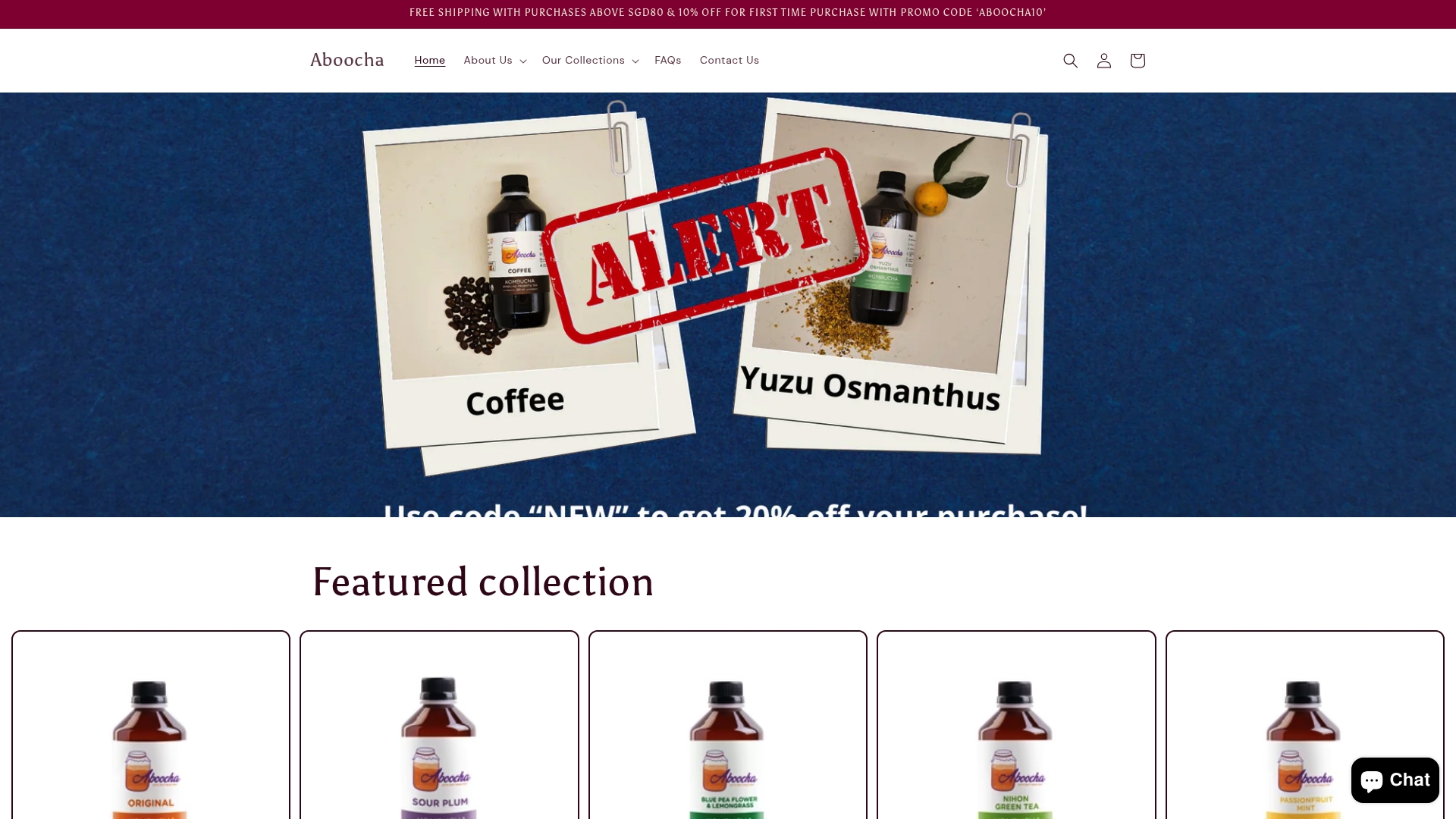
Aboocha’s range covers every flavor profile in this guide, from the clean tartness of Original Kombucha for versatile everyday pairing, to the herbal depth of Blue Pea Flower & Lemongrass for spicy meals, to the bright floral lift of Yuzu Osmanthus alongside seafood or desserts. Each bottle is crafted with lower sugar content, so the acidity and flavor complexity stay front and center rather than getting buried under sweetness. Grab a few different flavors, run through the pairing table above, and let your palate decide what works best at your table.
FAQ
What foods pair best with kombucha?
Fatty proteins, aged cheeses, spicy dishes, and dark chocolate all pair well with kombucha. The acidity in kombucha cuts through richness and balances bold flavors effectively.
How much kombucha should I drink with a meal?
Experts recommend 100–250 mL per meal. Staying under 32 oz daily helps avoid digestive discomfort, especially for those new to fermented beverages.
Can I pair kombucha with cheese?
Yes. Kombucha and cheese pairing works on the same principle as wine and cheese. Tart kombucha cuts through creamy or fatty cheeses, while fruity varieties contrast nicely with sharp or aged ones.
Is kombucha good for digestion when eaten with food?
Kombucha’s organic acids and probiotics support digestion when consumed with meals rather than on an empty stomach. Pairing it with fiber-rich food amplifies the digestive benefit.
Which kombucha flavor works with spicy food?
A lightly sweet, herbal, or moderately carbonated kombucha works best with spicy dishes. Profiles like lemongrass or mango provide sweetness and aromatic contrast that soothes heat rather than amplifying it.