
What are the best Backyardfresh.sg alternatives available in Switzerland?
Switzerland’s kombucha market is growing steadily, and health-conscious consumers now have real choices beyond any single source. The strongest alternatives focus on low sugar, probiotic density, and flavor variety — the three factors that separate a functional beverage from a natural sweeteners for tea health guide trendy one. Clinical trials lasting 10–10 weeks show kombucha can reduce constipation severity and shift gut microbiota toward beneficial strains like Akkermansiaceae and Bacteroidota.
| Brand | Availability in Switzerland | Flavor profile | Sugar content | Gut health focus | Purchase options |
|---|---|---|---|---|---|
| Aboocha | Online, subscription delivery | Sour Plum, Yuzu Osmanthus, Asian-inspired blends | Low | Strong, probiotic-forward | Subscription + single order |
| Swiss artisanal kombucha brand 1 | Local retailers, farmers markets | Traditional and probiotic-forward | Moderate | Organic ingredients, probiotic density focus | Single purchase |
| Swiss artisanal kombucha brand 2 | Boutique health stores, online | Natural fruit infusions, refined profiles | Low | Certified organic, clinically backed claims | Subscription plans available |
| Swiss fermented wellness beverage collective | Online and retail outlets | Diverse fermented range | Varies | Sustainable, transparent sourcing | Online and in-store |
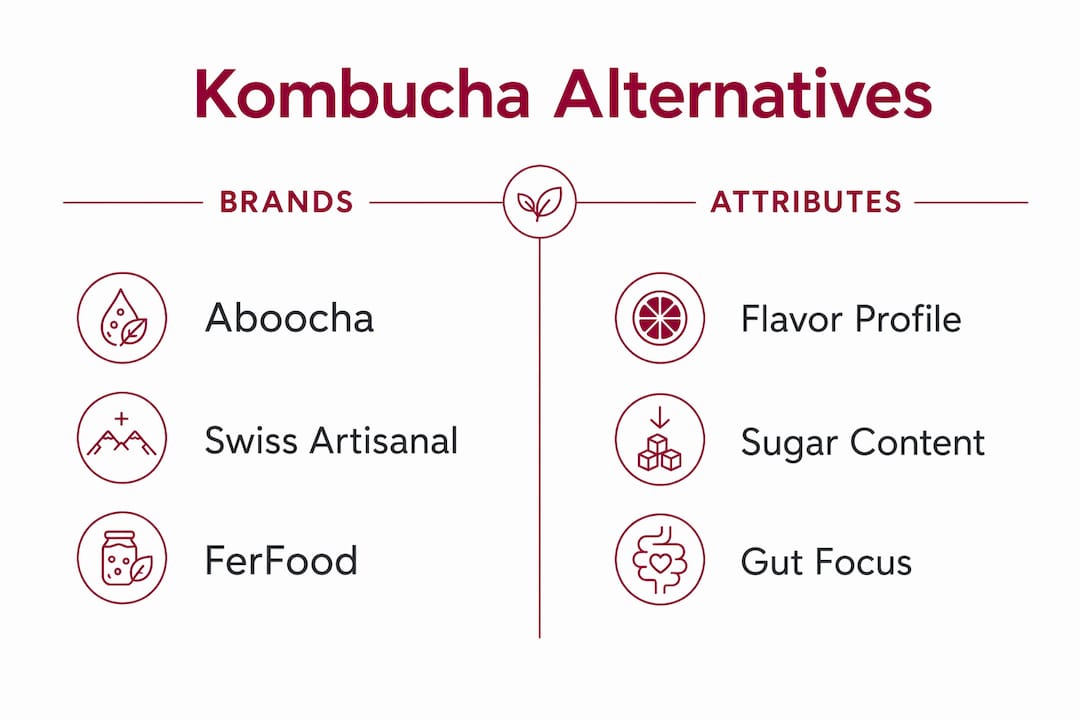
Swiss food science institutions, including the FerFood.CH initiative at Agroscope, advocate integrating diverse fermented foods beyond dairy into everyday diets. A Swiss cohort study of 440 adults found that greater microbial diversity in fermented food intake linked to lower systolic blood pressure and glycated hemoglobin. Variety across brands, not loyalty to one, delivers the broadest benefit.

Where can you buy these kombucha alternatives in Switzerland?
Distribution varies sharply by brand. Swiss artisanal kombucha brand 1 reaches consumers through farmers markets and independent health retailers, which suits buyers who prefer to inspect products in person. Swiss artisanal kombucha brand 2 and the Swiss fermented wellness beverage collective both sell through online stores and select boutique shops, giving broader geographic reach. Aboocha ships directly to consumers via subscription, removing the need to hunt down stock in physical stores. The Swiss Federal Food Safety and Veterinary Office (FSVO) enforces strict labeling and safety standards on all commercial fermented beverages sold in Switzerland, so every brand on this list meets a baseline of regulatory accountability.
How do these brands compare on price and value?
Pricing across these alternatives is not publicly listed in detail for all brands. Aboocha offers subscription tiers that reduce per-bottle cost for regular buyers. Swiss artisanal kombucha brand 2 similarly publishes tiered subscription plans. Single-purchase pricing at local retailers for Swiss artisanal kombucha brand 1 tends to reflect small-batch production costs. For consumers drinking kombucha regularly for gut health benefits, a subscription plan from Aboocha or Swiss artisanal kombucha brand 2 typically delivers better value than one-off retail purchases.
What do Swiss consumers say about these brands?
Consumer feedback in Switzerland consistently rewards transparency and flavor authenticity. Aboocha users report improved digestion and satisfaction with flavors like Sour Plum and Yuzu Osmanthus, which stand apart from conventional ginger or plain green tea offerings. The Swiss fermented wellness beverage collective earns recognition for its sourcing transparency. Swiss artisanal kombucha brand 1 draws loyalty from local-first buyers. Pro Tip: Check whether a brand publishes its fermentation method and sugar content per serving — brands that do tend to back their health claims with real process control.
Why organic certification matters when choosing kombucha in Switzerland
The FSVO’s novel food authorization framework means certified organic kombucha brands in Switzerland must meet both safety and ingredient sourcing standards before reaching shelves. Swiss artisanal kombucha brand 2 holds organic certification, and the Swiss fermented wellness beverage collective emphasizes traceable sourcing. Innovative formulations using fruits and herbs during secondary fermentation can expand functional benefits, but only when the base ingredients are clean. For consumers prioritizing gut health, organic certification is a reliable shortcut to quality.
Aboocha: a flavor-forward alternative worth trying
If you’ve explored the Swiss market and want something genuinely different, Aboocha brings Asian-inspired flavor creativity — Sour Plum, Yuzu Osmanthus — to a low-sugar, probiotic-focused kombucha. It’s the option for consumers who find most local brands too conventional in taste.
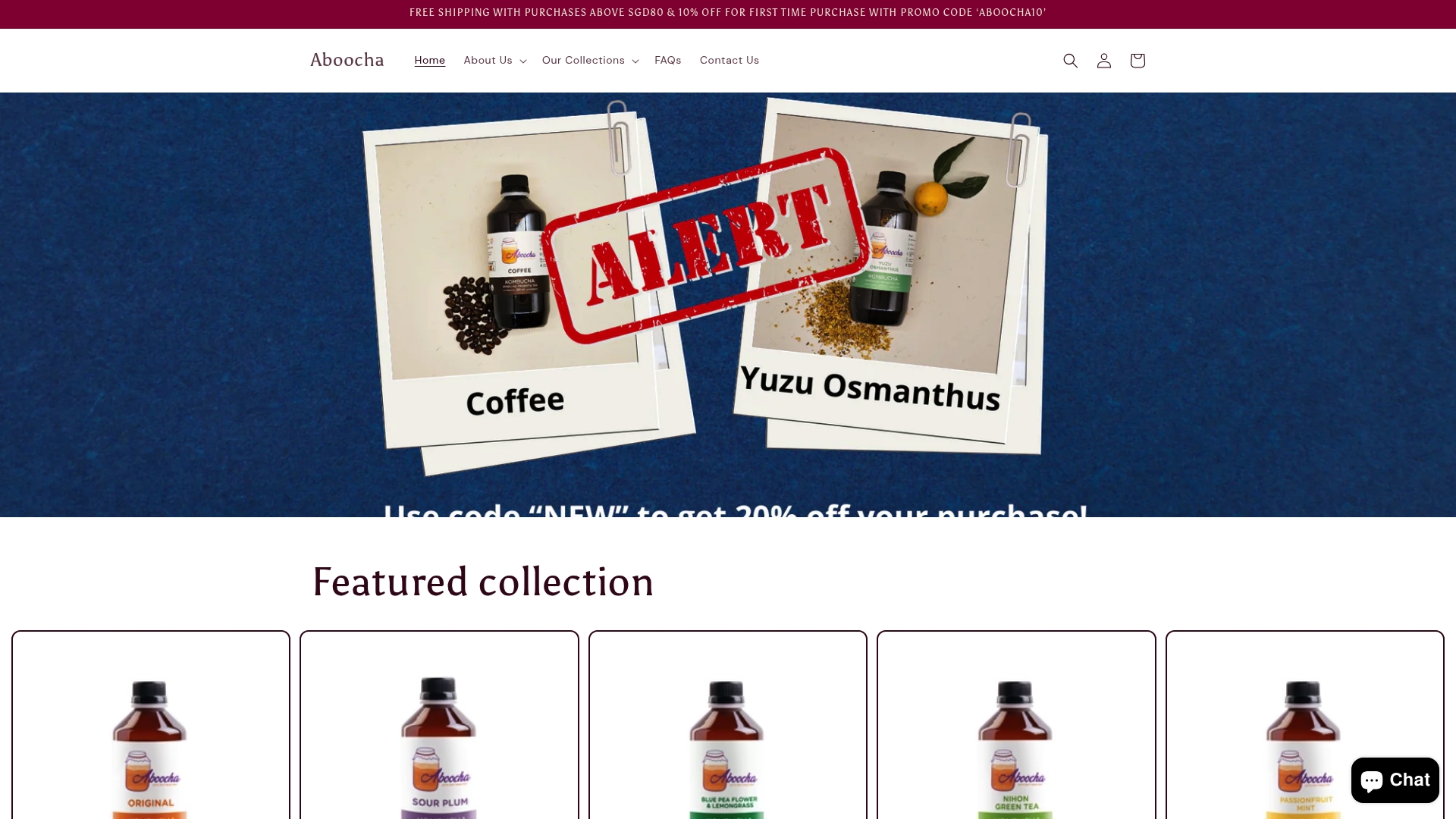
Aboocha’s subscription plans make consistent gut health support easy, and the kombucha range ships directly to you. For a deeper look at probiotic drink options that complement what Swiss brands offer, Aboocha’s blog covers the science and the flavor side equally well.
FAQ
What makes a good Backyardfresh.sg alternative in Switzerland?
Look for low sugar content, certified organic ingredients, and clear probiotic density information. Clinical evidence supports kombucha’s role in modulating gut microbiota, so brands that standardize their fermentation process deliver more consistent benefits.
Does Aboocha ship to Switzerland?
Aboocha offers subscription and single-order delivery options. Check the Aboocha website for current shipping availability to Switzerland.
Is kombucha safe for everyone?
Most healthy adults tolerate kombucha well, but those sensitive to organic acids or trace ethanol should consume it in moderation. The FSVO’s regulatory standards ensure commercial products in Switzerland meet safety thresholds that unregulated homemade versions do not.
How often should you drink kombucha for gut health?
Clinical trials showing gut microbiota changes ran for 10 days to 10 weeks with daily consumption. Regular intake, supported by a subscription plan, is more likely to produce sustained digestive benefits than occasional drinking.