
Local fermented beverages are artisan-crafted drinks rich in live microbial cultures that deliver digestive health benefits and distinctive flavors. Singapore’s craft beverage scene has grown sharply, with consumers seeking out probiotic drinks that go beyond mass-produced sodas. Kombucha, kvass, kefir, and water kefir now sit alongside traditional drinks in Singapore’s specialty cafes, farmers’ markets, and online storefronts. The shift reflects a broader local drinks culture Singapore has embraced: health-first choices that still deliver on flavor. This guide covers what these drinks are, how they support gut health, how to choose quality products, and how to brew your own at home.
What local fermented beverages are popular in Singapore?
Singapore’s artisan beverage scene features a growing lineup of fermented drinks, each with its own microbial profile and flavor character.
Kombucha is the most visible entry in the artisan beverages Singapore selection. Brewers ferment sweetened tea with a SCOBY (symbiotic culture of bacteria and yeast), producing a lightly carbonated drink with a tangy, slightly sweet profile. Local producers often use organic teas and fresh fruits, which add antioxidants and polyphenols absent in sugary sodas. Aboocha’s Sour Plum and Yuzu Osmanthus flavors are examples of how local palates shape kombucha into something distinctly Singaporean.
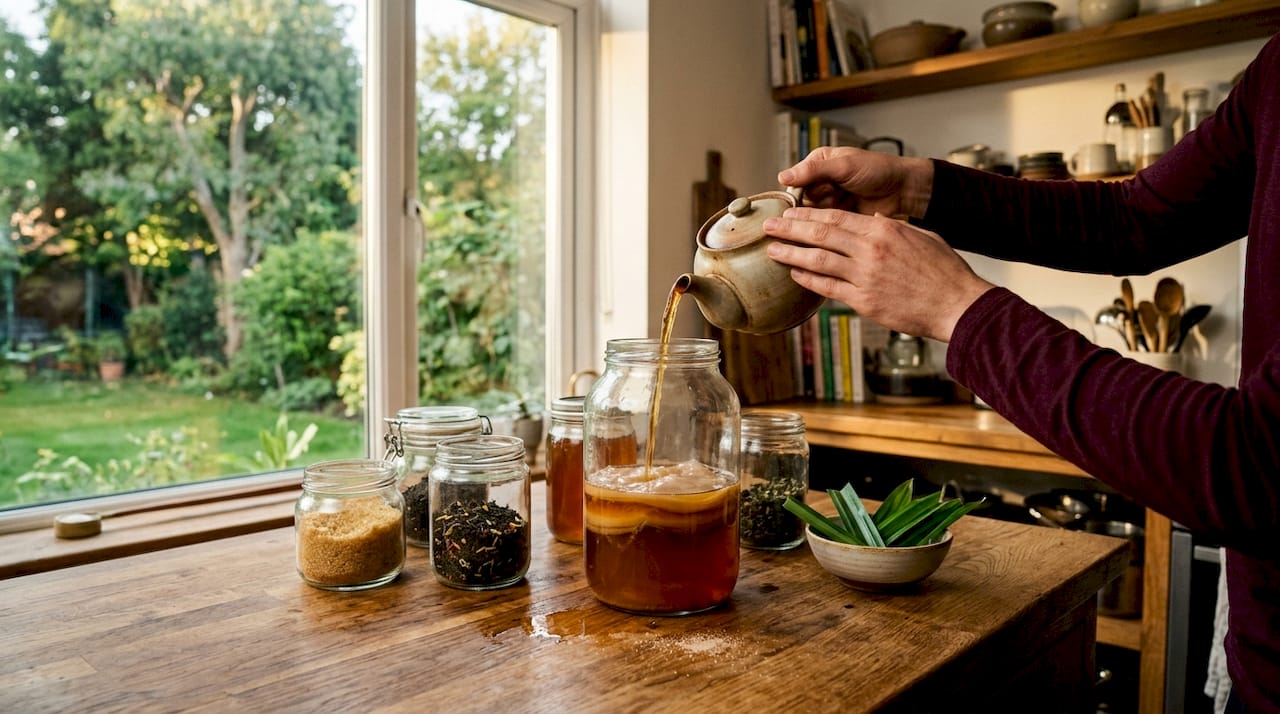
Kvass is a traditional Eastern European drink made by fermenting rye bread. It carries a malty, slightly sour flavor that pairs well with Singapore’s humid climate. A small but dedicated group of local brewers has adapted kvass recipes using locally sourced bread and tropical fruit additions.
Kefir and water kefir round out the local fermented beverages Singapore consumers are reaching for. Dairy kefir uses kefir grains to ferment milk, producing a tangy, yogurt-like drink. Water kefir uses the same grains in sugar water or coconut water, making it dairy-free and lighter on the palate.
Key characteristics that define quality artisan fermented drinks in Singapore:
- Low added sugar. Singapore consumers increasingly check labels for sugar content, and the best local producers keep added sugars minimal.
- Live, active cultures. Unpasteurized products retain the microbial activity that makes fermented drinks worth drinking.
- Local ingredient sourcing. Producers using pandan, calamansi, butterfly pea flower, and tropical fruits create flavor profiles that reflect Singapore’s food culture.
- Small-batch production. Smaller batches allow brewers to monitor fermentation closely, resulting in more consistent quality.
- Transparent labeling. Reputable producers list fermentation method, culture type, and sugar content clearly.
The trend toward low-sugar fermented drinks is not just a marketing angle. Federal nutrition strategies globally emphasize choosing low added sugar fermented products to lower disease risks. That guidance aligns directly with what Singapore’s health-conscious consumers already want.
How do fermented beverages contribute to gut health?
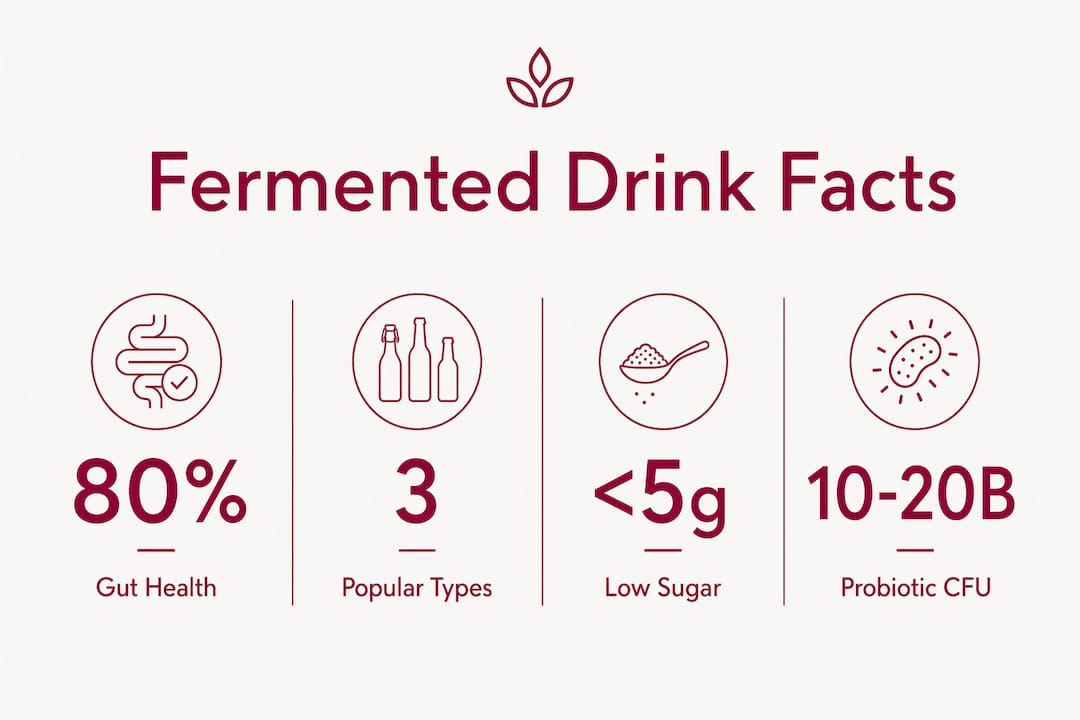
Fermented drinks support gut health primarily through live microbial cultures that colonize and diversify the gut microbiome. The clinical benchmark for effective probiotic support is 10–20 billion CFU per day, roughly equivalent to one glass of kefir or two small probiotic yogurt drinks. That number gives you a practical reference point when evaluating products.
A cross-sectional study of 440 adults found that higher microbial richness from diverse fermented foods correlates significantly with lower systolic blood pressure and lower glycated hemoglobin. Lower glycated hemoglobin is a marker for better blood sugar control over time. The finding matters because it shifts the conversation from “drink more” to “drink a wider variety.”
Diversity beats volume. Consuming a range of fermented beverages, such as kombucha one day and water kefir the next, builds greater microbial richness than drinking large amounts of a single product. Microbial richness, not total intake, is the variable most linked to cardiometabolic health markers.
Health authorities do caution against overpromising. The most robust probiotic benefits for healthy adults relate to reducing antibiotic-associated diarrhea. Broader claims about immunity or weight loss lack strong clinical backing. That is not a reason to avoid fermented drinks. It is a reason to set realistic expectations and treat them as one part of a wider nutrition plan.
Fermented drinks work best alongside a fiber-rich balanced diet. Dietary fiber feeds the beneficial microbes that fermented beverages introduce. Without adequate fiber, those microbes have little to sustain them. Think of fiber as the soil and fermented drinks as the seeds.
How to choose high-quality fermented drinks in Singapore
Choosing well means knowing what separates a genuinely probiotic drink from a flavored soda with a health label. Many commercial fermented beverages are pasteurized after fermentation, which kills the beneficial microbes. Pasteurization extends shelf life but removes the probiotic value. Always look for “unpasteurized” or “live cultures” on the label.
Follow these steps when selecting a fermented beverage in Singapore:
- Check the label for live cultures. The label should state “contains live and active cultures” or list specific bacterial strains such as Lactobacillus or Bifidobacterium.
- Read the sugar content. Singapore consumers prefer low-sugar options. Aim for products with less than 5 grams of added sugar per 100ml.
- Look at the ingredient list. Shorter lists with recognizable ingredients signal quality. Organic tea, fresh fruit, and filtered water are good signs.
- Choose refrigerated products. Live cultures need cold storage. A shelf-stable fermented drink at room temperature has almost certainly been pasteurized.
- Buy from local artisan producers. Small-batch producers in Singapore, including those at specialty markets and online storefronts, typically offer fresher, more transparent products than mass-market imports.
Pro Tip: When buying kombucha in Singapore, check the bottle bottom for a small sediment layer. That sediment is live yeast and bacteria. It signals an unpasteurized, genuinely probiotic product.
Singapore consumers who want to understand the local vs. imported difference in kombucha will find that local producers often use fresher ingredients and shorter supply chains, both of which preserve microbial activity better than long-distance shipping.
Step-by-step guide to homebrewing fermented beverages in Singapore
Homebrewing kombucha or water kefir is practical in Singapore’s climate, though temperature control requires attention. Singapore’s average indoor temperature of 26–30°C accelerates fermentation, meaning your brew may be ready faster than Western recipes suggest.
Equipment and ingredients overview
| Item | Purpose | Notes |
|---|---|---|
| Glass jar (1–2 liters) | Fermentation vessel | Avoid metal; it reacts with acids |
| SCOBY or kefir grains | Live starter culture | Source from local brewers or online |
| Organic black or green tea | Base for kombucha | Quality tea improves polyphenol content |
| Cane sugar or coconut sugar | Feeds the culture | Refined sugar ferments more predictably |
| Filtered water | Dilutes and hydrates | Chlorine in tap water can harm cultures |
| Breathable cloth cover | Allows gas exchange | Keeps dust and insects out |
| Thermometer | Monitors temperature | Aim for 24–28°C for kombucha |
Fermentation steps
- Brew the tea base. Steep 4–6 tea bags in 1 liter of hot filtered water for 10 minutes. Dissolve 80 grams of sugar while the tea is still hot.
- Cool to room temperature. Never add your SCOBY to hot liquid. Wait until the tea reaches below 30°C.
- Add the starter liquid. Pour 100ml of finished kombucha (from a previous batch or a store-bought raw kombucha) into the cooled tea. This acidifies the liquid and protects against contamination.
- Add the SCOBY. Place it gently on top. Cover the jar with a breathable cloth and secure with a rubber band.
- Ferment for 7–10 days. In Singapore’s heat, check from day 5. Taste daily after that. The brew is ready when it reaches your preferred balance of sweet and tart.
- Bottle and second-ferment. Transfer to sealed bottles with fruit or herbs for 1–2 days at room temperature to build carbonation. Then refrigerate.
Fermentation is a living biological process shaped by temperature, ingredient ratios, and duration. Singapore’s heat speeds up acidity development, so tasting frequently prevents an overly vinegary result.
Pro Tip: Add a slice of calamansi or a few pandan leaves during the second fermentation for a distinctly Singaporean flavor profile. Both pair naturally with the tartness of kombucha.
For a deeper look at the fermentation science behind each step, Aboocha’s homebrewer’s guide covers the process in detail.
Common mistakes to avoid when making or consuming fermented beverages
Most problems with fermented drinks come from two sources: poor hygiene during brewing and unrealistic expectations during consumption. Both are easy to fix once you know what to watch for.
Common mistakes and how to avoid them:
- Starting with too much. New drinkers who consume large amounts immediately often experience bloating or digestive discomfort. Start with 100–150ml per day and increase gradually over two weeks.
- Using metal equipment. Metal reacts with the organic acids in fermented drinks, altering flavor and potentially harming cultures. Use glass, ceramic, or food-grade plastic.
- Ignoring signs of spoilage. Fuzzy mold (not the smooth, flat SCOBY) in shades of black, green, or pink signals contamination. Discard the batch entirely and sanitize all equipment before starting again.
- Skipping the starter liquid. Omitting the acidic starter liquid leaves your brew vulnerable to harmful bacteria in the early fermentation stage.
- Expecting immediate results. Gut microbiome changes take weeks of consistent intake to show measurable effects. One bottle does not reset your digestion.
Realistic expectations matter. Experts emphasize that fermented beverages support gut health best as part of a fiber-rich diet, not as a standalone fix. Gradual, consistent consumption produces better outcomes than occasional large doses.
Recognizing off-flavors is also useful. A brew that smells like nail polish remover has likely over-fermented or been contaminated with unwanted yeast strains. A brew that smells like vinegar but tastes balanced is simply mature. Trust your palate and adjust fermentation time accordingly.
Key Takeaways
Local fermented beverages in Singapore deliver the most benefit when you prioritize microbial diversity, choose unpasteurized products, and integrate them consistently into a fiber-rich diet.
| Point | Details |
|---|---|
| Diversity over volume | Rotating between kombucha, kefir, and kvass builds more microbial richness than drinking one type in large amounts. |
| Unpasteurized is non-negotiable | Pasteurized fermented drinks lose their live cultures and probiotic value. Always check the label. |
| Sugar content matters | Choose products with less than 5 grams of added sugar per 100ml to align with health guidelines. |
| Singapore’s heat speeds fermentation | Homebrew batches in Singapore’s climate may be ready in 5–7 days instead of the standard 10. |
| Pair with fiber for best results | Probiotics from fermented drinks work best when dietary fiber is present to sustain the introduced microbes. |
Why Singapore’s fermented beverage scene deserves more credit than it gets
I have watched Singapore’s craft food culture grow for years, and the fermented beverage corner of it consistently gets underestimated. Most coverage focuses on the health angle, which is fair, but it misses what actually drives people to keep drinking these things: the flavor is genuinely interesting.
Sour Plum kombucha is not a health supplement in a bottle. It is a complex, layered drink that happens to be good for your gut. That distinction matters because health-driven consumption tends to be short-lived. Flavor-driven consumption sticks. The producers who understand this, including Aboocha with its Yuzu Osmanthus and Sour Plum profiles, are the ones building loyal customers rather than one-time buyers.
The homebrewing community in Singapore is also more serious than most people realize. Brewers here have adapted recipes to account for the heat, the local water profile, and the availability of tropical ingredients that simply do not exist in European or American brewing traditions. Pandan, calamansi, and butterfly pea flower are not gimmicks. They produce genuinely distinct flavor profiles that you cannot replicate elsewhere.
My honest view: the biggest mistake Singapore consumers make is treating fermented drinks as medicine. They are food. Drink them because they taste good and because consistent, varied intake supports your gut over time. That mindset produces better habits and better results than chasing a health trend.
— Luna
Aboocha’s artisan fermented beverage bundles for Singapore
Aboocha crafts kombucha with a clear focus: lower sugar, stronger flavor, and live cultures that actually deliver probiotic value. Each bottle uses quality base ingredients chosen for both taste and gut health benefit.
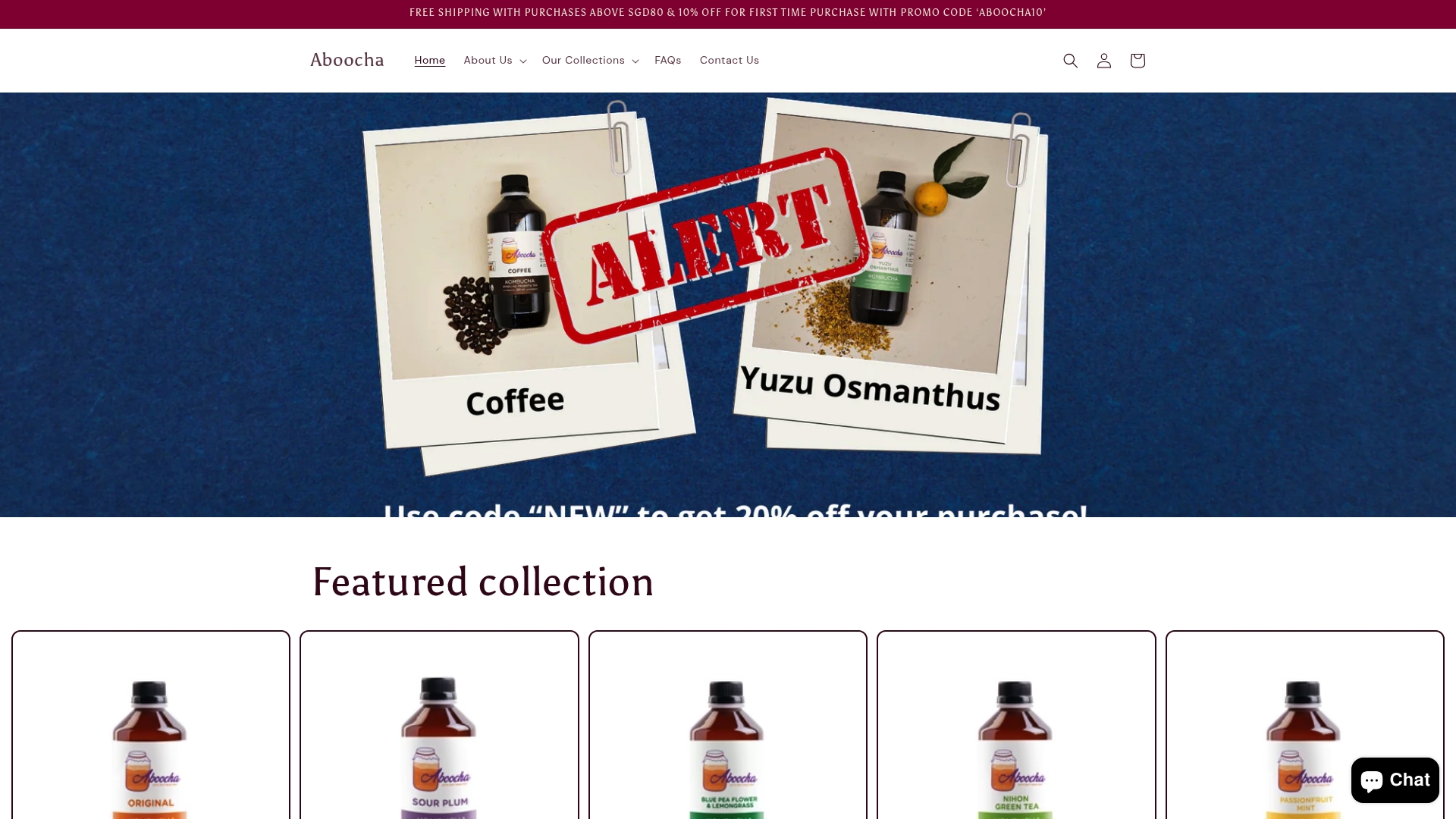
For Singapore consumers who want to try a range of flavors without committing to a single bottle, Aboocha’s fermented beverage bundles offer a practical starting point. The bundles include multiple flavor profiles, making it easy to build the microbial diversity that research links to better cardiometabolic health. Offices and teams looking for a healthier pantry option can also explore Aboocha’s corporate order program, which supplies regular deliveries of fresh, locally crafted kombucha.
FAQ
What fermented beverages are most popular in Singapore?
Kombucha leads the local fermented beverage market in Singapore, followed by water kefir and dairy kefir. A smaller but growing group of local brewers also produces kvass using rye bread and tropical fruit additions.
How much fermented beverage should I drink per day?
The clinical benchmark for effective probiotic support is 10–20 billion CFU per day, roughly one glass of kefir or two small probiotic drinks. Start with 100–150ml daily and increase gradually to avoid digestive discomfort.
Are homemade fermented drinks safe to consume in Singapore?
Homemade fermented drinks are safe when you use clean equipment, a proper acidic starter liquid, and fresh ingredients. Discard any batch showing fuzzy mold in black, green, or pink colors, as these signal contamination.
What should I look for on a fermented beverage label?
Look for “unpasteurized” or “live and active cultures” on the label, a sugar content below 5 grams per 100ml, and a short ingredient list with recognizable items. Refrigerated storage is a reliable indicator of a genuinely live product.
Does kombucha made in Singapore taste different from imported versions?
Local kombucha often uses fresher ingredients and shorter supply chains, which preserves microbial activity and flavor. Producers using tropical ingredients like calamansi, pandan, or Sour Plum create flavor profiles that imported versions cannot replicate.