
Reaching for something cold and satisfying shouldn’t cost you 39 grams of sugar. Yet for most Americans, sugary beverages are the top source of added sugar in their daily diet, pushing well past the recommended 25 grams for women and 36 grams for men. The good news is that low sugar drink alternatives have evolved far beyond plain water and bland diet sodas. This guide covers what to look for, how to make the switch without losing the flavor you love, and which options actually hold up in real life.
Table of Contents
- Key takeaways
- What you need before switching to low sugar drinks
- How to choose and build your low sugar drink routine
- Common mistakes that derail the low sugar switch
- What to expect from your new drink habits
- My honest take on making this work
- Aboocha makes your low sugar drink rotation interesting
- FAQ
Key takeaways
| Point | Details |
|---|---|
| Know your sugar limits | Women should aim for under 25g and men under 36g of added sugar daily from all sources, including drinks. |
| Match sensory cravings | Replacing fizz with fizz and flavor with flavor makes your switch far more sustainable than defaulting to plain water. |
| Read labels carefully | Many functional drinks contain 8 to 12g of hidden added sugars that total carbohydrate counts won’t reveal. |
| Use a drink rotation | Cycling sparkling water, herbal teas, and fermented drinks prevents taste fatigue and keeps habits consistent. |
| Fermented drinks offer a bonus | Kombucha and kefir provide gut health benefits alongside low sugar content, making them especially useful swaps. |
What you need before switching to low sugar drinks
Before you overhaul your fridge, spend ten minutes understanding two things: how much sugar your current drinks actually contain and what your body is really craving when you reach for them.
Understanding sugar benchmarks
The standard can of cola delivers around 39 grams of sugar, which is more than a full day’s limit for most women in a single serving. Dietitians generally recommend alternatives that stay between 0 and 5 grams per serving for meaningful blood sugar management.
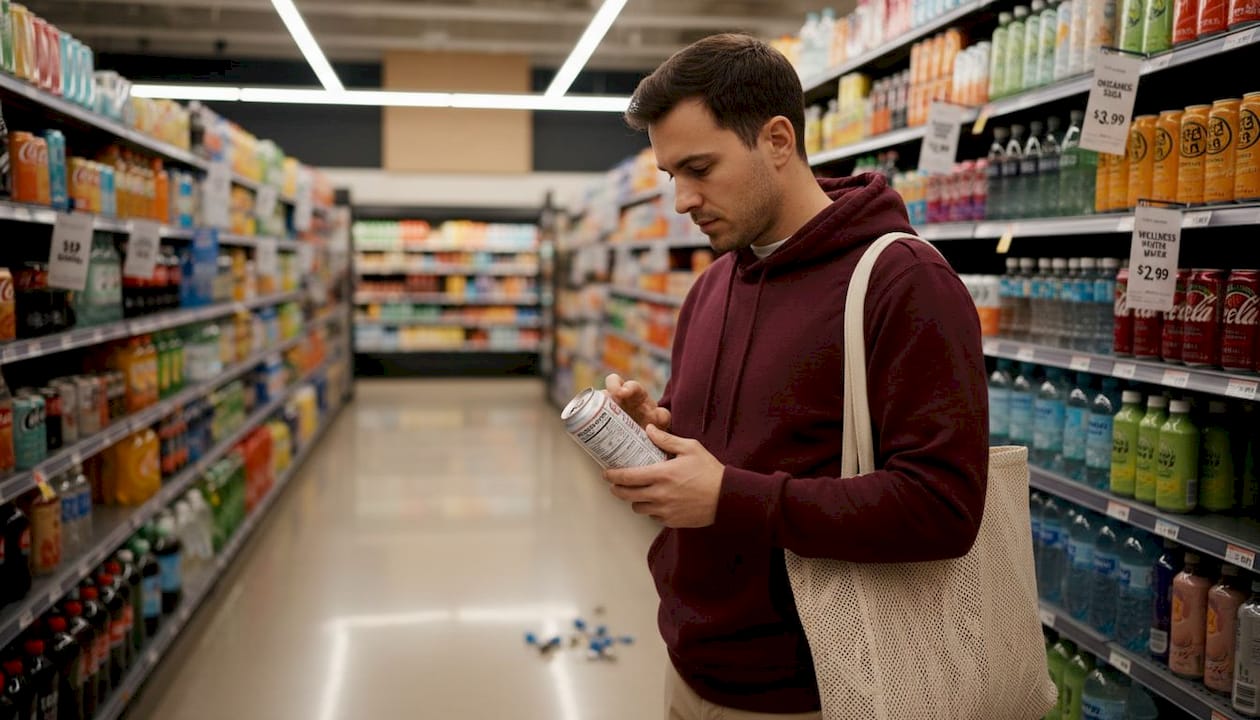
Labeling terms matter here. A drink labeled zero sugar must contain less than 0.5g per 100ml under standard food labeling rules. “Zero calorie” means under 5 kilocalories per 100ml. Neither term guarantees that a product is free of artificial sweeteners or other additives, so the ingredient list is still worth a scan.
Pro Tip: Look specifically for “added sugars” on the nutrition label, not just total sugars. Natural sugars in a small amount of fruit juice are very different from refined cane sugar added to a sports drink.
Identifying what you actually crave
This is the part most people skip. Swapping to plain water often fails because it doesn’t match the sensory experience of the drink it’s replacing. Carbonation, mouthfeel, sweetness, and even the ritual of cracking open a cold can all contribute to why we reach for certain drinks.
Run a quick personal audit:
- Do you crave the fizz? You need carbonation in your alternative.
- Do you crave sweetness? Look for drinks with a small amount of natural fruit or herbal flavor.
- Do you crave the ritual? Match the format: a cold bottle, a warm mug, or an afternoon treat.
Understanding this before you start keeps you from choosing an alternative that looks healthy on paper but leaves you miserable by day three.
| Craving | Better low sugar alternative |
|---|---|
| Fizz and bite | Sparkling water, kombucha, or low sugar functional soda |
| Sweetness | Infused herbal teas, naturally flavored sparkling water |
| Creaminess | Unsweetened oat milk or plain kefir |
| Refreshing and cold | Citrus-infused water, iced hibiscus tea |
How to choose and build your low sugar drink routine
A sustainable low sugar routine is less about restriction and more about building a personal toolkit of drinks that you actually enjoy across different moments of the day.
Step-by-step drink selection process
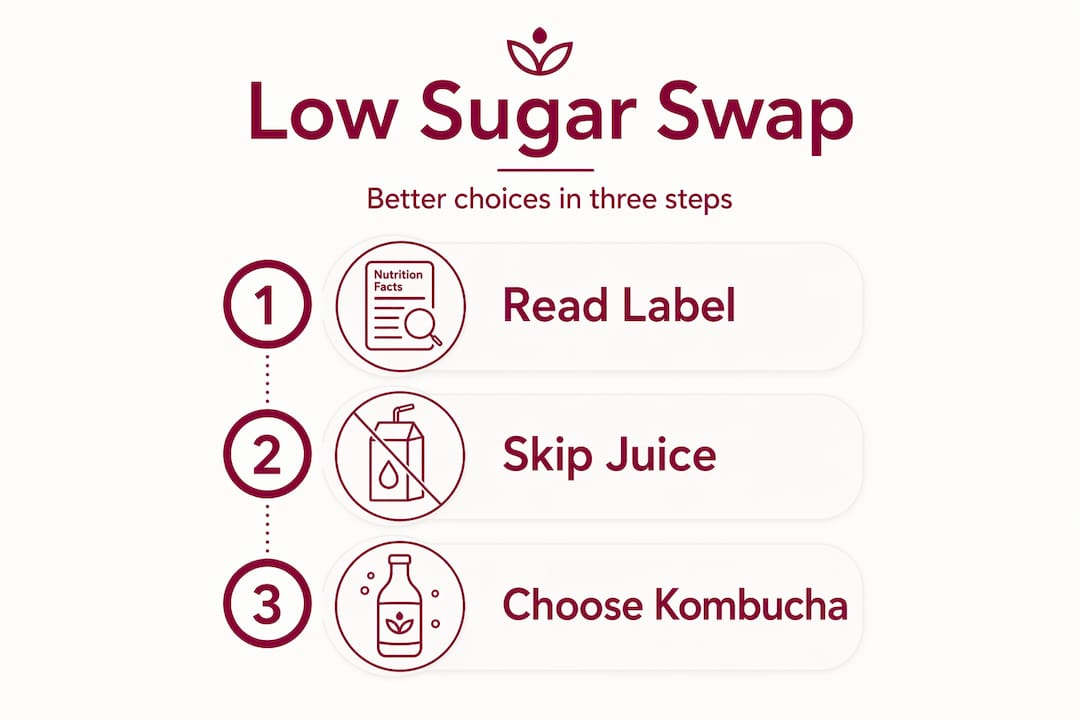
- Start with what you drink most. If you’re drinking two sodas a day, replace just one for the first week. Gradual shifts hold better than cold-turkey approaches.
- Choose a carbonated replacement first. Sparkling water or kombucha handles the fizz craving that kills most diet attempts early. Matching sensory experience to your habit is the single strongest predictor of long-term success.
- Add an herbal tea for mornings or evenings. Roasted barley tea, chamomile, or a floral option like hibiscus fit naturally into quieter parts of the day when you don’t need carbonation.
- Include a fermented option. Kefir and kombucha are recommended for their low sugar content and potential gut health benefits. Sugar levels vary significantly by brand, so always check the label.
- Build one homemade option. Infused waters are the easiest entry point. Cucumber, lemon, or mint in water adds real flavor without any sugar or calories, and they stay hypotonic, meaning your body absorbs them efficiently without a blood sugar spike.
- Reserve special options for the right moments. Coconut water is a natural source of electrolytes, but an 8-ounce serving contains 6 to 12 grams of sugar and 45 to 60 calories. It’s a smart post-workout choice, not an all-day hydration option.
Culturally diverse options worth trying
One of the most underused sources of low-calorie drinks is traditional beverage culture from across Asia and the Mediterranean. A rotation of sparkling water, roasted teas, and unsweetened soy milk reduces taste fatigue and supports sustainable sugar reduction far better than sticking to one “safe” drink.
Some specific options:
- Roasted barley tea (mugicha): Naturally caffeine-free, earthy, and satisfying cold. Common in Japanese and Korean households and completely sugar-free.
- Calamansi sparkling water: Popular in Southeast Asian communities, this citrus-forward fizzy drink works as an alternative soft drink for social occasions.
- Yuzu or osmanthus kombucha: Both deliver complex, floral notes that feel like a treat while staying low in sugar.
- Hibiscus tea: Tart, vibrant in color, and excellent iced. Brewvana’s hibiscus berry tea is a practical option to explore if you want something ready to brew.
Pro Tip: Rotate at least three different drinks across your week. Taste fatigue is real, and variety is what keeps people from falling back on sugary habits out of boredom.
Common mistakes that derail the low sugar switch
Most people who fail at switching don’t fail because they lack discipline. They fail because they make a few fixable mistakes that undermine the effort before it gains momentum.
The functional drink trap
This one catches a lot of health-conscious shoppers. A bottle that says “natural,” “plant-based,” or “wellness” on the label can still contain 8 to 12 grams of hidden added sugars per serving. The total carbohydrate count on the label masks how much of that is refined sugar added during production. Always scroll past total carbs and find the “added sugars” line.
Leaning too hard on fruit juice
Whole fruit is not the same as juice. Commercial fruit juices and sports drinks are often hypertonic, meaning they can actually increase thirst and create metabolic instability when consumed regularly. Orange juice has roughly the same sugar content as a soft drink when you compare serving to serving. The fiber that makes whole fruit a smart choice is gone once it’s been juiced.
“The difference between a healthy drink and a sugary one is often just the marketing. Read what’s in the bottle, not what’s on the bottle.”
Ignoring social and situational cravings
You’ve got your home routine locked in. Then a birthday party, a stressful afternoon at the office, or a movie theater line derails everything. The best low sugar alternatives fit individual routines and specific situations. Keep a backup option for each high-risk scenario. A can of sparkling water in your bag or a low sugar mocktail for social events gives you a satisfying substitute without scrambling.
Pro Tip: If you’re physically active but sedentary most of the day, skip electrolyte drinks as a default. Overconsumption of electrolyte beverages by people with low activity levels can actually worsen insulin resistance. Plain or lightly infused water is the safer call for general hydration.
What to expect from your new drink habits
The results aren’t always dramatic in week one, but they compound. Here’s what most people notice when they shift consistently to low sugar drink alternatives:
- Better blood sugar stability. Removing liquid sugar from your diet is one of the fastest dietary changes you can make for metabolic health. Fewer glucose spikes mean more consistent energy across the day.
- Reduced thirst after drinking. Hypertonic drinks like sugary juices and sodas trigger osmotic thirst. When you switch to low sugar or hypotonic options, you actually feel more hydrated for longer.
- Improved digestion. Fermented options like kombucha introduce probiotics that support gut microbiome diversity. Kefir in particular may reduce fasting blood sugar when consumed plain and unsweetened, alongside the probiotic and protein benefits.
- More sensory variety, not less. This surprises people. When you start exploring herbal teas, kombucha flavors, and infused waters, your palate gets more exposure to complex tastes, not fewer. Sugary drinks actually flatten your palate over time.
- Track your shift simply. You don’t need an app. Keep a weekly note of how many sweetened drinks you consumed. Most people see a significant drop within two to three weeks just by being aware.
My honest take on making this work
I’ve recommended drink swaps to people for years, and the single biggest lesson I’ve learned is that nobody sticks with a change that feels like punishment.
The advice to “just drink more water” fails most people because water doesn’t scratch the itch that a cold, fizzy, slightly sweet drink does at 3pm on a Tuesday. What actually works is treating your drink routine the way you’d treat a food rotation: different options for different moods and moments, with a few anchor choices you genuinely look forward to.
I’ve also seen the confusion the market creates firsthand. “Wellness” drinks with 10 grams of added sugar. Kombucha brands with more sugar than a standard juice box. Reading labels matters, but so does choosing brands that are transparent about what’s in their products.
The other thing I’d push back on: don’t optimize too early. People spend so much energy finding the “perfect” low sugar alternative that they never actually commit to one. Pick three options you like. Drink those for a month. Adjust from there. Flexibility and routine are what keep the habit alive, not perfection.
Experiment with culturally diverse options. Roasted teas, kombucha made with real botanicals, citrus-forward sparkling drinks. You’re not giving up flavor. You’re expanding what you consider worth reaching for.
— Luna
Aboocha makes your low sugar drink rotation interesting
If you’ve been searching for a fermented drink that’s genuinely low in sugar without sacrificing flavor, Aboocha is worth your attention.
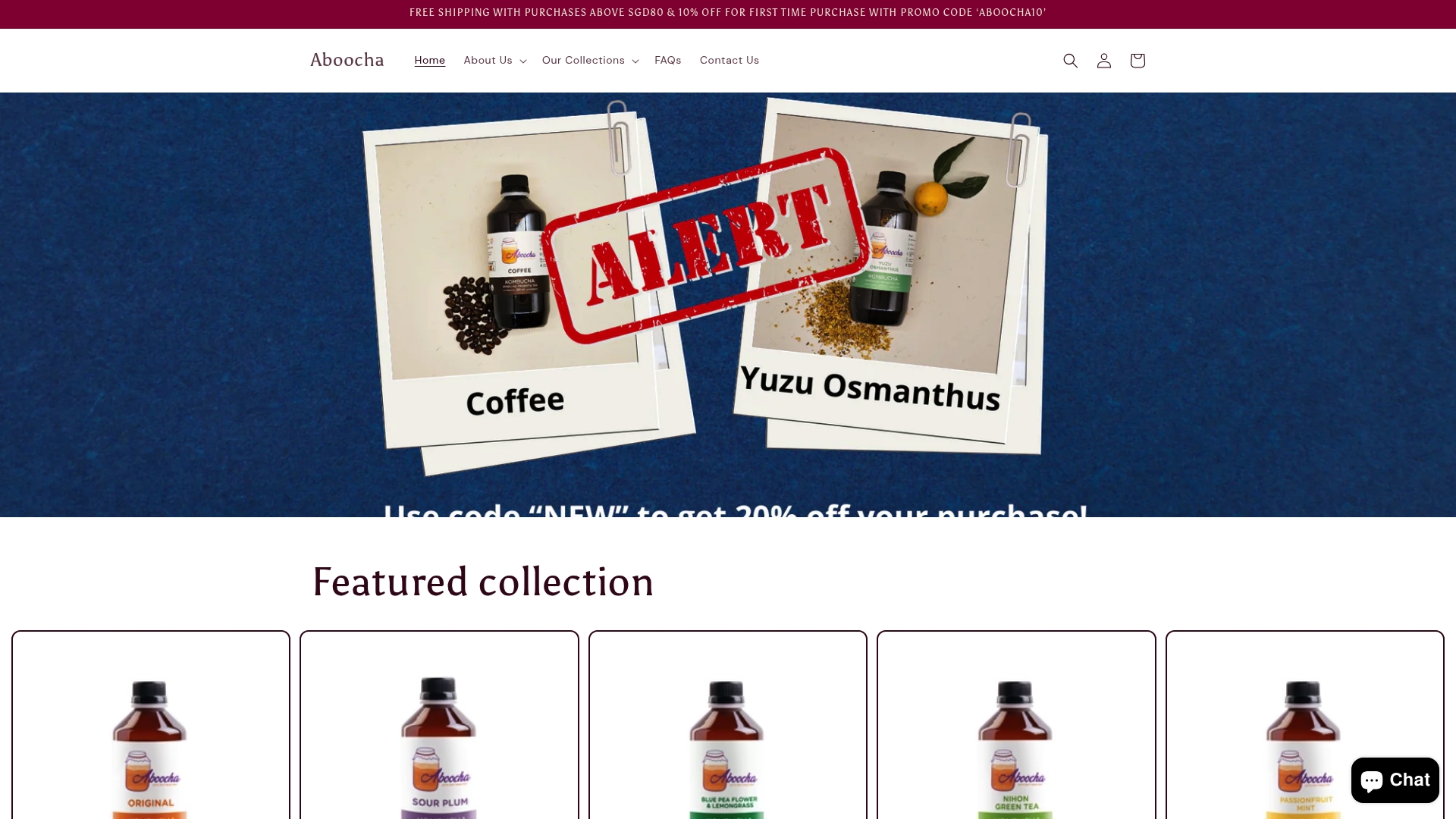
Aboocha crafts kombucha with lower sugar content and flavor profiles that go well beyond the generic options you’ll find on most shelves. Their original kombucha is a natural starting point for anyone new to fermented drinks. For something with more character, the Sour Plum Kombucha delivers a tartness that genuinely replaces the craving for a fizzy drink, while the Passionfruit Mint works as a refreshing afternoon alternative to sweetened sodas. If you prefer warmer, floral notes, the Snow Chrysanthemum Kombucha fits a quieter part of the day, and the Coffee Kombucha is a genuinely clever option for anyone who defaults to sweetened coffee drinks mid-morning. Each bottle is clearly labeled and built around the idea that low sugar and real flavor are not opposites.
FAQ
What are low sugar drinks?
Low sugar drinks are beverages that contain minimal added sugar, typically 0 to 5 grams per serving, including options like sparkling water, unsweetened teas, kombucha, and infused waters.
How much sugar should a drink have to count as low sugar?
Dietitians recommend choosing drinks with 0 to 5 grams of sugar per serving as a practical benchmark for blood sugar management, with zero sugar drinks containing under 0.5g per 100ml.
Are fruit juices good low sugar soda alternatives?
No. Most commercial fruit juices contain as much sugar as sodas and lack the fiber of whole fruit, making them poor substitutes for people managing their sugar intake.
What are the best low sugar juices or fermented drinks?
Kombucha and plain kefir are among the best options because they combine low sugar content with probiotics that support gut health. Always check the label, since sugar levels vary widely by brand.
Can you make your own low sugar drink alternatives at home?
Yes. Infused waters with lemon, cucumber, or mint are one of the simplest options, adding flavor and palatability without any sugar, calories, or additives.