
Most people assume kombucha’s health story begins and ends with probiotics. It doesn’t. The role of kombucha acids in the body is where the real biochemical action happens. These organic acids, formed during fermentation, shape your gut environment, support your liver’s detox machinery, and fight pathogens that probiotics alone cannot handle. If you’ve ever wondered why kombucha tastes sour, or why that sourness might actually be doing something useful inside you, this article gives you the full picture.
Table of Contents
- Key takeaways
- The role of kombucha acids body: how they form
- How kombucha acids support digestion and gut health
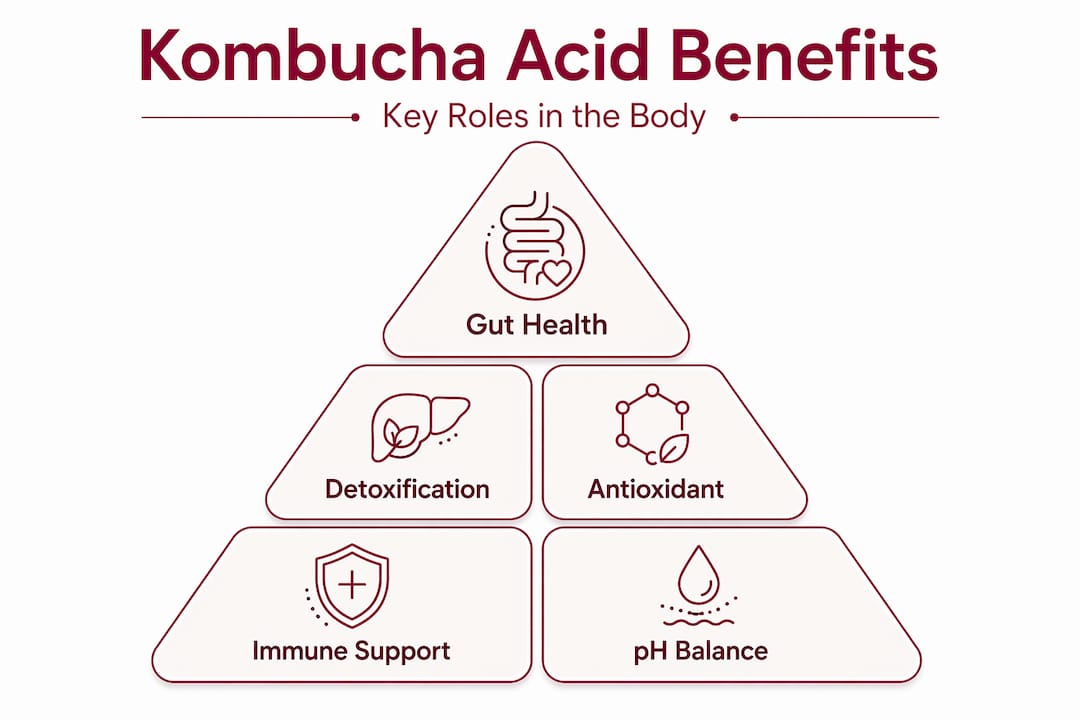
- Health benefits beyond digestion
- Factors that affect acid levels and safe consumption
- My honest take on kombucha acids
- Try Aboocha’s balanced kombucha range
- FAQ
Key takeaways
| Point | Details |
|---|---|
| Acids form during fermentation | Acetic, lactic, gluconic, and glucuronic acids develop as microbes convert sugar over one to four weeks. |
| Gut environment matters | Kombucha acids lower intestinal pH, creating conditions that favor beneficial bacteria and inhibit pathogens. |
| Detox support is real | Glucuronic acid binds toxins and converts them into water-soluble forms the body can excrete. |
| Fermentation conditions vary outcomes | Storage temperature and fermentation length directly change which acids form and at what concentrations. |
| Moderation protects your health | The FDA suggests no more than four ounces daily to avoid acid-related side effects like tooth erosion and bloating. |
The role of kombucha acids body: how they form
Before you can understand what kombucha acids do inside you, you need to know where they come from. Kombucha ferments through a culture called a SCOBY, which stands for symbiotic culture of bacteria and yeast. The yeast converts sugar into ethanol first. Then, acetic acid bacteria take over, converting that ethanol into organic acids over a period of one to four weeks.
The result is a cocktail of acids that gives kombucha its characteristic sour tang and acidic pH. This is also why kombucha is acidic, typically sitting between pH 2.5 and 3.5 depending on fermentation length and temperature. The four main acids you want to know are:
- Acetic acid: The same acid in vinegar. It gives kombucha its sharpest, most pungent notes and is a major driver of antimicrobial activity.
- Lactic acid: Produced by lactic acid bacteria in the SCOBY. It softens the flavor profile and supports a healthy gut environment.
- Gluconic acid: Contributes to kombucha’s mild sweetness-meets-sour balance and plays a supporting role in digestion.
- Glucuronic acid: The most talked-about acid for detoxification. It forms in smaller quantities but carries significant metabolic weight.
Because acid profiles vary depending on fermentation conditions, no two batches are identical. Temperature, starter tea pH, SCOBY age, and tea type all shift the ratio of these acids. That variability matters, not just for flavor, but for the functional effects you experience when you drink it.
Pro Tip: If you want a more acidic, higher-acid kombucha, look for products fermented longer or stored at warmer temperatures. For a milder experience, shorter fermentation times and refrigerated storage produce gentler acid profiles.
How kombucha acids support digestion and gut health
This is where the effects of kombucha acids get genuinely interesting. Each acid plays a distinct mechanical role in how your digestive system functions.
-
Acetic acid and the gut environment. Acetic acid is the most antimicrobially active of the group. It suppresses pathogens by lowering the local pH in your gut, making it inhospitable for harmful bacteria like Staphylococcus aureus and Salmonella typhimurium. Beyond killing bad actors, acetic acid slows gastric emptying, which means food moves more gradually from your stomach into your small intestine. Slower gastric emptying helps stabilize blood glucose after meals, a well-documented antidiabetic effect seen in animal studies.
-
Gluconic acid and digestive flow. Gluconic acid is gentler but contributes to the overall acidic gut environment that beneficial bacteria prefer. It works alongside lactic acid to maintain conditions that let Lactobacillus and Bifidobacterium strains thrive. Think of it as the environment manager rather than an active antimicrobial agent.
-
Glucuronic acid and detox linkage. Even in the gut, glucuronic acid begins its detox work. It participates in a process called glucuronidation, where toxic compounds are bound and neutralized before they can be reabsorbed through the intestinal wall.
-
Signaling pathway effects. A 2026 review found that kombucha’s organic acids influence gut inflammatory signaling pathways, specifically NFκB and PPARγ. These are master regulators of inflammation. When kombucha acids modulate them, the downstream effect is reduced intestinal inflammation and a lower risk of non-communicable diseases linked to chronic gut inflammation.
-
Microbial survival through digestion. One concern people raise about fermented drinks is whether anything useful survives stomach acid. Lab data shows that Brettanomyces yeast survives 99 to 100% after three hours at pH 2, suggesting both the microbes and the acids they produce can reach the lower gut intact.
Pro Tip: Drinking kombucha with a meal rather than on an empty stomach slows gastric transit, giving the acids more time to interact with food and gut bacteria before moving through. This may improve how kombucha improves digestion in practice.
Understanding how to pair kombucha with food can genuinely shift the experience from a pleasant drink to a functional one.
Health benefits beyond digestion
The kombucha acid impact on body systems extends well past your gut. Once acids are absorbed and enter systemic circulation, several important processes kick in.

Detoxification through glucuronic acid
Glucuronic acid’s primary job in the liver is to bind toxins, pollutants, hormones, and drugs through glucuronidation. This process converts toxic compounds into water-soluble forms that your kidneys can filter and excrete. The practical benefit is that your liver gets additional support clearing the metabolic waste your body generates daily, along with any external chemicals you’re exposed to through food, air, and medication.
What makes this particularly interesting is that glucuronic acid levels in kombucha are not fixed. Research shows they can rise from roughly 17 mg/L to 48 mg/L depending on storage temperature and fermentation duration. A product stored at 30°C for three weeks is biochemically different from one kept refrigerated since bottling.
Antioxidant and immune effects
Kombucha’s acids work in concert with polyphenols from tea. Together, they exert antioxidant effects that reduce oxidative stress in cells. The antimicrobial properties of the acids, particularly acetic acid, extend beyond the gut. Antimicrobial activity against pathogens including Staphylococcus aureus suggests kombucha supports immune defense by reducing pathogen load before it becomes a systemic problem.
Here is a summary of how the key acids compare in their systemic roles:
| Acid | Primary systemic role | Strength of evidence |
|---|---|---|
| Acetic acid | Antimicrobial, blood glucose modulation | Moderate (animal and in vitro) |
| Glucuronic acid | Toxin binding and liver detox support | Moderate (in vitro and biochemical) |
| Lactic acid | Gut microbiome support | Good (fermented food research) |
| Gluconic acid | Gut pH balance, prebiotic-like role | Emerging |
What the science actually says
“Scientific claims of kombucha’s health benefits are promising but currently fragmented. Standardized production and rigorous safety validation are still needed before definitive health claims can be made.” (PubMed review, 2026)
That quote matters. The benefits of kombucha for health are real in the lab. But how well they translate to consistent human outcomes depends heavily on the product you’re drinking, how much of it you drink, and how your individual biology responds. Organic tea quality, explored in depth by resources on organic tea health value, also plays a role in the final acid and polyphenol content of your kombucha.
Factors that affect acid levels and safe consumption
Not all kombuchas deliver the same acid load, and that matters both for the benefits you experience and the risks you take on.
The fermentation environment shapes everything:
- Temperature: Higher storage temperatures accelerate acid production. Glucuronic acid concentrations increase significantly at 30°C compared to 20°C over the same period.
- Fermentation length: Longer fermentation creates higher overall acidity and shifts the acid profile toward more acetic acid, which increases both antimicrobial potency and tartness.
- SCOBY composition: Different microbial communities produce different ratios of acids. This is why kombucha composition varies so widely across brands and batches.
- Tea base and starting sugar: These influence not just flavor but the substrate available for acid production.
On the safety side, the picture is straightforward. Kombucha is acidic enough to cause real problems if you overconsume it. Kombucha overconsumption can cause gas, bloating, abdominal pain, nausea, and over time, tooth enamel erosion from the low pH. The FDA suggests capping daily intake at around four ounces for most people, particularly those new to fermented drinks.
Pro Tip: Rinse your mouth with water after drinking kombucha to neutralize residual acidity and protect your enamel. Wait 30 minutes before brushing your teeth.
For people exploring sustainable brewing practices or choosing between brands, the acid profile of a finished kombucha is one of the most telling indicators of both its quality and its functional potential.
My honest take on kombucha acids
I’ve spent a lot of time reading the fermentation science and talking to people who drink kombucha regularly, and here’s what I’ve come to believe: the acid story is the most underappreciated part of kombucha’s health profile.
Probiotics get all the attention because they’re familiar. Acids feel too chemistry-class to talk about. But in practice, the acids are doing the immediate, frontline work when you drink a bottle. They’re adjusting your gut pH within minutes, challenging pathogens, and starting the detox signaling chain before any probiotic has a chance to colonize anything.
What I caution against is treating acid content as a simple “more is better” equation. I’ve seen people drink multiple bottles a day thinking they’re maximizing benefit. They’re usually just maximizing acidity exposure to their teeth and stomach lining. The bioaccessibility of kombucha compounds through actual digestion is still being mapped, and what you taste in the bottle is not a reliable proxy for what reaches your colon at therapeutically useful concentrations.
My recommendation is simple. Start with a small amount, pay attention to how your body responds, and find a product with a balanced acid profile rather than the most aggressively sour one on the shelf. Individual tolerance to acidity varies more than most articles admit. A well-fermented, lower-sugar kombucha with a gentle flavor profile is almost always a better long-term choice than an ultra-tart product that feels punishing to drink.
— Luna
Try Aboocha’s balanced kombucha range
If the science above has you thinking about what you’re actually drinking, Aboocha is worth a serious look. Aboocha crafts its kombucha with attention to fermentation balance, keeping sugar content lower than most mainstream options while developing complex, genuinely enjoyable flavor profiles. Their original kombucha is a great starting point if you want to experience a well-balanced acid profile without aggressive tartness. For something more adventurous, their Passionfruit Mint kombucha showcases what artisanal fermentation can do when flavor and function are developed together. Both reflect the kind of intentional acid balance that makes kombucha worth drinking daily.
FAQ
What acids are found in kombucha?
Kombucha contains primarily acetic acid, lactic acid, gluconic acid, and glucuronic acid, all produced during fermentation as bacteria and yeast convert sugar and ethanol into organic compounds.
Is kombucha acidic enough to be harmful?
Kombucha is acidic, typically with a pH between 2.5 and 3.5. At moderate amounts of around four ounces daily, it is generally safe, but overconsumption can cause tooth erosion, bloating, and digestive discomfort.
How does kombucha improve digestion?
Kombucha acids lower gut pH, creating an environment that supports beneficial bacteria and inhibits pathogens. Acetic acid also slows gastric emptying, which helps regulate blood sugar and supports smoother digestion after meals.
Does glucuronic acid in kombucha actually detox the body?
Glucuronic acid participates in glucuronidation, a liver process that binds toxins and converts them into water-soluble forms for excretion. Its concentration in kombucha varies with fermentation conditions, affecting how much detox support any given batch may provide.
How does fermentation time affect kombucha acid levels?
Longer fermentation increases overall acidity and shifts the balance toward higher acetic acid content. Storage temperature also plays a significant role, with warmer conditions accelerating acid production across all major acid types.