
If you’ve picked up a bottle of kombucha and felt genuinely unsure what to expect, you’re not alone. This kombucha first time drinking guide covers everything you need to start confidently: safe serving sizes, what that fizzy tang actually means, which flavors to try first, and how to avoid the most common beginner mistakes. Kombucha is a fermented, probiotic-rich tea with real digestive benefits, but how you start matters. Get it right and you’ll wonder why you waited so long.
Table of Contents
- Key takeaways
- What first-time kombucha drinkers need to know
- How to introduce kombucha into your routine
- Exploring kombucha flavors and pairings
- Common beginner pitfalls and how to fix them
- My honest take on starting kombucha
- Try Aboocha for your first kombucha experience
- FAQ
Key takeaways
| Point | Details |
|---|---|
| Start with very small servings | Begin with 2 to 4 ounces daily and increase only when your body feels comfortable. |
| Time it right | Morning or early afternoon is the best window for energy and digestive support. |
| Choose beginner-friendly flavors | Mild options like Original or Snow Chrysanthemum are easier on the palate than intensely tart varieties. |
| Watch for warning signs | Bloating or digestive upset usually means you moved too fast. Slow down, not stop. |
| Commercial beats homemade for starters | Store-bought kombucha has regulated acidity and alcohol content, making it safer for first-time drinkers. |
What first-time kombucha drinkers need to know
Before you take your first sip, a few ground rules will save you from the experiences that turn people off kombucha forever.
How much should you actually drink?
The single biggest mistake beginners make is treating kombucha like a regular juice or soda. It isn’t. Starting with 2 to 4 ounces daily gives your gut time to adjust to the live cultures without overwhelming it. Once you’re comfortable after a week or two, you can work toward the standard range of 4 to 12 ounces daily, but stay under 16 ounces.
When is the best time to drink it?
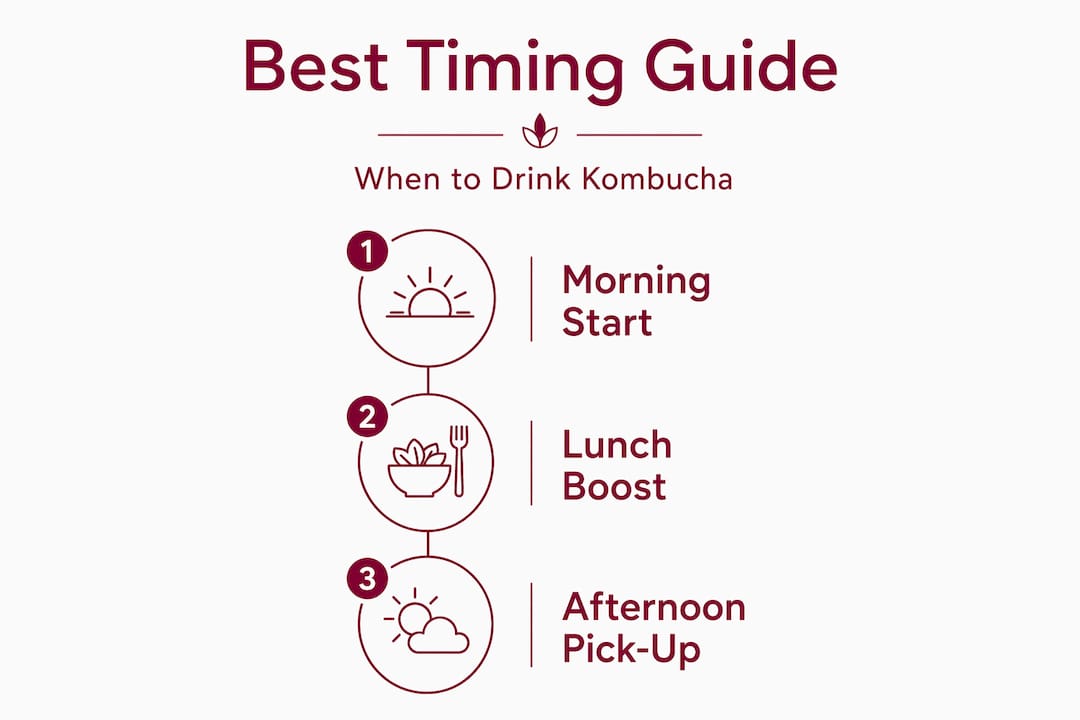
Timing genuinely changes the experience. Drinking kombucha in the morning or early afternoon takes advantage of its natural caffeine content (from the tea base) for a gentle energy lift and supports digestion alongside a meal. Avoid drinking it late in the evening. The caffeine content, though modest, is enough to interfere with sleep for sensitive people.
Who should be cautious?
Kombucha is not for everyone without a conversation first. Pregnant, nursing, or immunocompromised individuals should check with a healthcare provider before drinking it regularly. The live cultures and trace alcohol in some products carry real considerations for these groups.
Here are a few other safety points worth knowing:
- Drinking through a straw reduces acid contact with your teeth and protects enamel over time.
- Store-bought kombucha stays under the 0.5% ABV threshold required by the FDA. Homebrewed kombucha can exceed that limit, making it riskier for anyone sensitive to alcohol.
- Keep opened bottles refrigerated and finish them within a few days.
- Check the seal and smell the kombucha before drinking. If it smells off or looks unusually cloudy, skip it.
A note on home brewing: The FDA recommends a pH of 4.2 or below for safety. If you ever decide to brew at home, invest in pH strips. Without proper acidification, contamination risk increases significantly.
Pro Tip: If you’re also a coffee drinker watching your daily caffeine, consider pairing your kombucha timing with your coffee intake. Functional teas and coffees can stack up quickly. Keep total daily caffeine in mind.
How to introduce kombucha into your routine
Think of this the way you’d think about starting a new exercise program. You wouldn’t run five miles on day one. Introducing kombucha calls for the same gradual approach to minimize digestive distress while letting your system adapt.
Here’s a practical week-by-week plan:
- Week 1: Drink 3 to 4 ounces, two or three times that week. Not daily yet. Just let your gut register the new probiotics without flooding it.
- Week 2: If no bloating or discomfort, increase to 4 ounces daily, ideally with a meal.
- Week 3: If you feel good, work up to 6 to 8 ounces per day. This is where most people find their sweet spot.
- Week 4 and beyond: You can reach 12 ounces daily if your digestion handles it well. There’s no prize for drinking more.
One practical trick: splitting a full bottle over two to three days is far better for beginners than finishing a 16-ounce bottle in one sitting. The digestive upset from too much at once is what gives kombucha an unfair reputation.
Pro Tip: Keep a simple two-line note on your phone after each session. How did your gut feel? Any jitters? This takes ten seconds and helps you figure out your personal ideal amount much faster than guessing.
Choosing your first bottle
For your first buy, go small and go mild. A 250ml bottle is a perfect starting size. It’s enough to get a real sense of the flavor without committing to a large serving. Look for low-sugar options on the label, and choose a flavor that sounds genuinely appealing to you rather than one that promises the most health benefits. You’ll drink more consistently if you actually enjoy it.
Exploring kombucha flavors and pairings
This is where kombucha gets genuinely fun. The flavor range is wider than most people expect, and finding your preferred profile makes a real difference in whether you stick with it.
Common flavor profiles
- Tart and earthy: Classic, unflavored kombucha. Think apple cider vinegar with a softer edge. Good for people who like dry wines or unsweetened tea.
- Fruity and bright: Passionfruit, mango, and berry varieties tend to be more approachable. The fruit softens the tang.
- Floral and delicate: Flavors like chrysanthemum, rose, and osmanthus offer a gentler, aromatic experience. These are excellent for first-timers who are unsure about the vinegary notes.
- Herbal and cooling: Mint-forward blends feel refreshing and are particularly good with food.
- Spicy or complex: Ginger kombucha has a strong following but can be intense. Save this one for after you’ve found your footing.
Here’s a quick comparison to help you choose where to start:
| Flavor type | Taste profile | Best for |
|---|---|---|
| Original/unflavored | Dry, tart, slightly vinegary | Adventurous beginners or tea lovers |
| Floral (chrysanthemum, rose) | Light, aromatic, mild tang | Sensitive palates, first-timers |
| Fruity (passionfruit, mango) | Bright, slightly sweet, refreshing | Most beginners, especially those from juice or soda backgrounds |
| Herbal (mint, lemongrass) | Cool, clean, subtle | Great alongside food |
| Spicy (ginger, sour plum) | Bold, punchy, complex | Once you’re comfortable with the base flavor |
Pairing kombucha with food
Kombucha and food work surprisingly well together. The acidity acts almost like a digestive aid during meals, and the right pairing can make both the food and the drink taste better. Floral varieties like Snow Chrysanthemum kombucha pair beautifully with light Asian dishes or salads. Fruity options complement spiced foods. For a deeper look at matching flavors to meals, Aboocha’s food pairing guide breaks it down meal by meal.

Common beginner pitfalls and how to fix them
Even with good intentions, first-time drinkers run into the same handful of issues. Here’s what they are and what to do about each one.
Bloating and gas. This is the most common complaint, and it almost always comes from drinking too much too soon. Sudden introduction of live probiotics can cause mild digestive upset in sensitive people. Cut your serving in half, give it a few more days, and try again.
Jitters or trouble sleeping. Kombucha contains caffeine. If you’re feeling wired or having trouble winding down at night, check when you’re drinking it and switch to mornings.
The taste feels too strong. Start with a sweeter or floral variety. The vinegary bite of a plain kombucha is genuinely challenging for some people at first. There’s nothing wrong with easing in through a fruitier option.
- If the taste still bothers you after trying softer varieties, try chilling it thoroughly before drinking. Cold temperature dulls the acidic notes.
- Pair it with food instead of drinking it on its own. The meal context makes the flavor easier to appreciate.
- Avoid drinking it with highly sweetened foods, which can make the tartness feel more pronounced by contrast.
When to stop and see a doctor: If you experience persistent digestive pain, significant nausea, or allergic symptoms after drinking kombucha, stop and speak with a healthcare provider. These reactions are rare but real, especially if you have underlying gut conditions.
Homebrewing caution. If you ever move into making your own, know that mold in homemade kombucha cannot be safely removed. Blue, gray, green, or black fuzzy patches mean you discard the entire batch. No exceptions. Also, acidic kombucha can leach heavy metals from glazed ceramics, so always use glass, food-grade plastic, or stainless steel containers.
My honest take on starting kombucha
I’ve watched a lot of people try kombucha and give up within a week, almost always for the same reason: they went too hard, too fast, with a flavor that didn’t suit them.
The “start slow” advice sounds overly cautious until you’ve felt the difference. Four ounces three times a week genuinely feels different in your gut than 12 ounces on day one. The former leaves you curious. The latter leaves you skeptical for months.
My personal recommendation for beginners is always a mild, floral, or fruity option before anything tart or complex. Something like Passionfruit Mint kombucha or a chrysanthemum variety gives you the probiotic experience without the vinegar punch that scares people off. Once you’ve calibrated to that, the more complex flavors become genuinely exciting rather than off-putting.
What I’ve also learned is that kombucha’s benefits vary by brewing conditions and fermentation length. Not every bottle delivers the same thing, which is a good reason to start with a consistent, quality commercial product rather than chasing the cheapest option available.
The readers who report the best experience are the ones who treated it like a curiosity rather than a medicine. They explored flavors, found pairings they liked, and built a routine that made sense for them personally. That’s the whole game.
— Luna
Try Aboocha for your first kombucha experience
Starting with the right product makes a bigger difference than most beginners realize. Aboocha’s 250ml bottles are sized exactly right for new drinkers who want to explore without committing to a large serving.
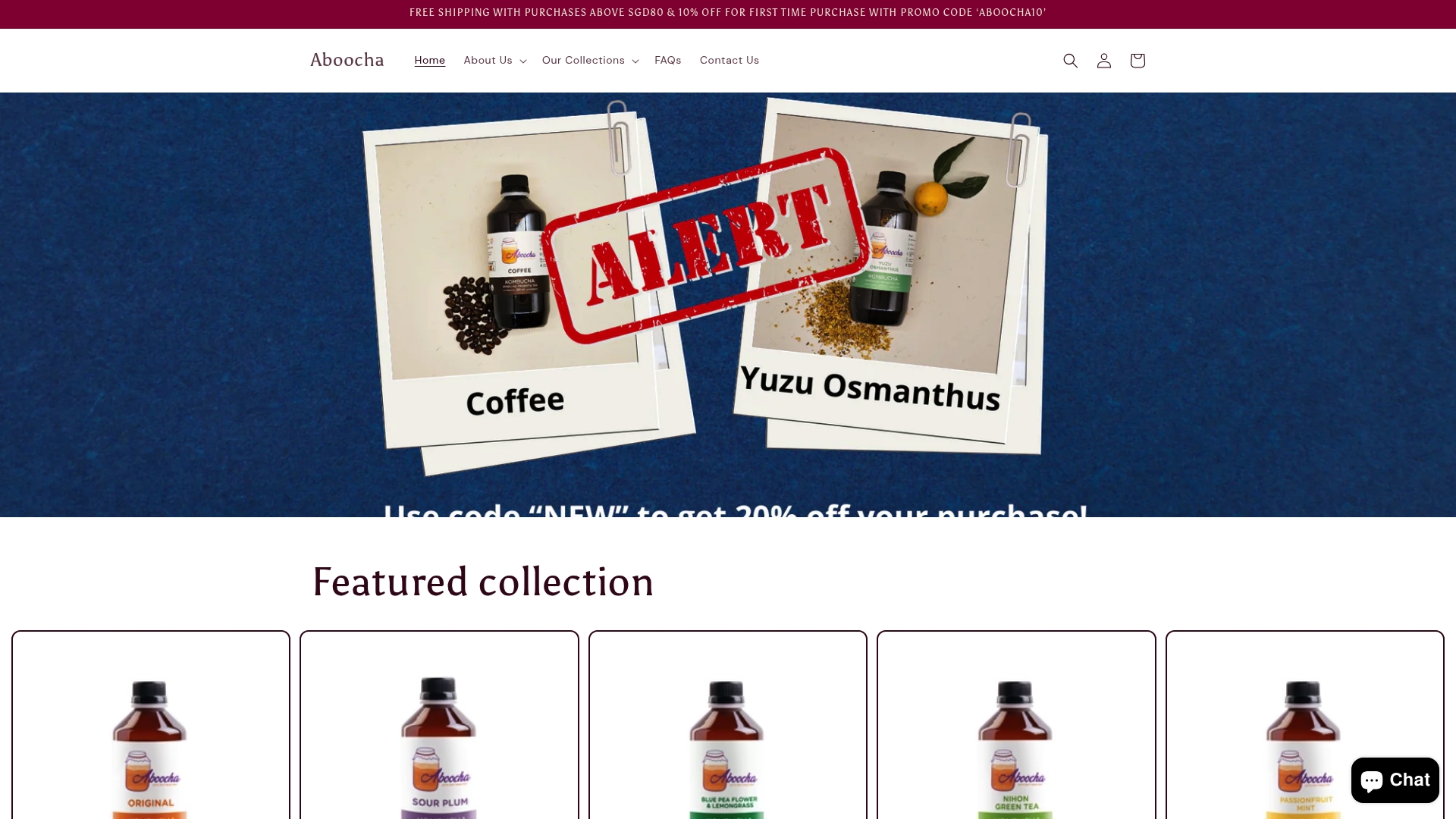
The Original kombucha is a clean, unfussy starting point that lets you taste what kombucha actually is before layering in flavored varieties. From there, options like Snow Chrysanthemum and Passionfruit Mint give you a sense of how wide the flavor range can go. Aboocha keeps sugar content low across the lineup, which matters when you’re drinking regularly. You can also find pairing inspiration and recipe ideas throughout the Aboocha blog to make the most of every bottle you open.
FAQ
How much kombucha should I drink on my first try?
Start with 2 to 4 ounces on your first try and see how your body responds before increasing. Most beginners do well drinking small amounts a few times a week before moving to daily consumption.
What does kombucha taste like for the first time?
Kombucha tastes tart and slightly fizzy, similar to a mild sparkling vinegar with a hint of tea. Flavored varieties (fruity or floral) are noticeably softer and more accessible for first-time drinkers.
Can kombucha cause side effects for beginners?
Yes. Mild bloating, gas, or loose stools are possible when you start, especially if you drink too much at once. These typically resolve when you reduce your serving size and reintroduce it more gradually.
Is store-bought kombucha safer than homemade for beginners?
Store-bought kombucha is generally safer for beginners because it has regulated alcohol content (under 0.5% ABV) and consistent acidity. Homebrewed batches can vary significantly and carry a higher contamination risk.
What is the best kombucha flavor to try first?
Floral and fruity options are the most beginner-friendly because they have a milder tang. Varieties like chrysanthemum, passionfruit, or mint are good starting points before moving toward more intense tart or ginger-based flavors.