
If you’ve been reaching for yogurt, kimchi, or kombucha hoping to finally feel less bloated, you’re not alone. The science behind why fermented foods reduce bloating is real, but it’s also more layered than most articles let on. Some people feel better within weeks. Others feel temporarily worse before they improve. Understanding what’s actually happening in your gut, and why the adjustment period exists, makes all the difference between giving up too soon and getting the relief you’re looking for.
Table of Contents
- Key takeaways
- Why fermented foods reduce bloating: the basics
- The science behind bloating reduction
- When fermented foods might make bloating worse
- How to add fermented foods for real results
- My take on fermented foods and bloating relief
- Try Aboocha kombucha for gut-friendly daily drinking
- FAQ
Key takeaways
| Point | Details |
|---|---|
| Fermented foods shift your gut chemistry | Probiotics, enzymes, and organic acids crowd out gas-producing bacteria and lower intestinal pH. |
| Expect a short adjustment period | Initial bloating in weeks one and two is normal as your microbiome adapts before benefits appear. |
| Timing and portion size matter | Starting with small amounts at mealtimes accelerates benefits and reduces early discomfort. |
| Some people need extra caution | Those with IBS or SIBO may react poorly to certain fermented foods due to FODMAP content. |
| Variety outperforms quantity | Rotating different fermented foods provides more diverse probiotic strains for better gut balance. |
Why fermented foods reduce bloating: the basics
Before getting into the mechanisms, it helps to understand what fermented foods actually are. Fermentation is a process where microorganisms like bacteria, yeast, or fungi break down sugars and starches in food. The result is a product rich in live cultures, organic acids, enzymes, and other compounds your gut genuinely benefits from.
Common fermented foods include:
- Yogurt and kefir — dairy-based, rich in Lactobacillus strains
- Kimchi and sauerkraut — fermented vegetables packed with beneficial bacteria and fiber
- Kombucha — a fermented tea containing live cultures, organic acids, and B vitamins
- Miso and tempeh — fermented soy products with high protein and probiotic content
- Pickles (naturally fermented, not vinegar-brined) — contain live Lactobacillus bacteria
One underappreciated benefit is what fermentation does to the food itself before it even reaches your gut. Fermentation breaks down complex carbohydrates that your body struggles to digest on its own. Fewer undigested carbs traveling to your colon means less material available for gas-producing bacteria to ferment. That’s one of the most direct benefits of fermented foods for anyone dealing with chronic bloating.
Fermentation also produces what researchers call postbiotics: the chemical byproducts generated during the fermentation process itself. These compounds nourish the cells lining your gut, reinforce your gut barrier, and actively inhibit the growth of harmful bacteria. You’re not just getting live cultures. You’re getting a whole biochemical environment that supports digestion.

Pro Tip: Not all store-bought versions contain live cultures. Look for “contains live and active cultures” on the label, or opt for refrigerated products rather than shelf-stable ones. Heat processing kills the bacteria.
The science behind bloating reduction
Bloating happens when excess gas builds up in your digestive tract, usually because gas-producing bacteria are having a field day with undigested food. The question of how do probiotics reduce bloating comes down to a few interconnected mechanisms.
Shifting the bacterial balance
Your gut houses trillions of bacteria, and the balance between beneficial and harmful strains directly affects how much gas you produce after eating. Probiotics from fermented foods compete with gas-producing pathogens for food and space. When beneficial strains are better established, the pathogens that convert undigested sugars into hydrogen and methane gas lose ground. Multi-strain probiotics improve chances of gut balance compared to single-strain supplements, which is one reason eating a variety of fermented foods tends to work better than taking one type of probiotic pill.
Lowering gut pH
Fermented foods deliver organic acids, primarily lactic acid and acetic acid, that lower the pH in your intestines. This acidic environment is inhospitable to many harmful bacteria. Fewer harmful bacteria means less fermentation happening in the wrong place, and less gas as a result.
Breaking down fermentable substrates
Fermentation lowers FODMAP content in many foods, including breaking down 70 to 80 percent of lactose. For people who struggle to digest lactose or fructans, this is significant. The fermentation process essentially does some of the digestive work ahead of time.

The clinical data backs this up. A multi-species synbiotic trial found that 72.3% of participants in the treatment group rarely or never experienced bloating after six weeks, compared to 55.9% in the placebo group. Separate research tracking over 5,500 participants found that ~50% reported significant improvements in bloating and digestive symptoms after consistent daily consumption over two to four weeks.
| Mechanism | What happens | Bloating impact |
|---|---|---|
| Probiotic competition | Beneficial bacteria displace gas producers | Fewer gas-producing organisms active |
| pH reduction | Organic acids create acidic gut environment | Pathogens struggle to thrive |
| FODMAP breakdown | Fermentation pre-digests fermentable carbs | Less substrate reaches the colon |
| Postbiotic activity | Chemical byproducts nourish gut cells | Stronger gut barrier, less irritation |
“Fermented foods act not just as probiotic vehicles but as postbiotic factories, producing thousands of compounds that interact with immune cells and the gut lining in ways that support digestive health long after the bacteria themselves are gone.” — Cedars-Sinai Health
When fermented foods might make bloating worse
Here’s what most articles skip: fermented foods and gut health have a complicated early relationship. The initial adjustment phase typically runs one to two weeks, and during this time, bloating can actually increase. Your existing microbiome is being disrupted by an influx of new bacterial strains, and that disruption produces gas before it produces balance. People who don’t know this often quit right before the benefits would have kicked in.
There are also specific situations where fermented foods are genuinely not the right move without medical guidance:
- IBS (Irritable Bowel Syndrome): Some fermented foods, particularly sauerkraut and certain kefirs, can be high in FODMAPs depending on their preparation. For IBS sufferers, this can trigger the very symptoms you’re trying to avoid.
- SIBO (Small Intestinal Bacterial Overgrowth): If you have an overgrowth of bacteria in your small intestine, fermentable carbs in fermented foods can feed that overgrowth and worsen bloating significantly.
- Histamine intolerance: Fermented foods are naturally high in histamine. People sensitive to histamine may notice headaches, skin flushing, or digestive upset alongside bloating.
- Existing gut infections: Adding fermented foods during an active gastrointestinal infection may not provide the expected benefit and could complicate symptoms.
- Starting with too much, too fast: Even healthy individuals can bloat significantly if they jump straight into large daily portions without a gradual introduction.
The important takeaway is that worsening symptoms after two to three weeks, not just the first few days, may indicate an underlying condition worth investigating rather than pushing through.
Pro Tip: If you’re unsure whether your bloating response is a normal adjustment or a sign of something like SIBO, keep a simple food and symptom log for two weeks. Patterns become obvious quickly and give your doctor useful information.
How to add fermented foods for real results
The goal is getting the gut health benefits without triggering weeks of discomfort. Strategy matters as much as the foods themselves.
Start small and scale up
Begin with one to two tablespoons of a fermented food per day. This is genuinely small, but it gives your microbiome time to adjust without flooding it. After one to two weeks with no major symptoms, increase your portion. Repeat the process until you reach a comfortable daily amount that delivers consistent benefits.
Time your intake with meals
Consuming fermented foods with meals allows the enzymes and organic acids to interact with what you’re currently digesting. This is more effective than eating them on an empty stomach. A side of kimchi with lunch or a small glass of kombucha alongside dinner works better than a standalone morning shot for most people. The Aboocha food pairing guide is a practical starting point if you want specific meal combinations.
Rotate your sources
| Fermented food | Primary benefit | Best format |
|---|---|---|
| Kombucha | Organic acids, live cultures, B vitamins | Chilled, with meals |
| Kefir | High probiotic density, lactase activity | Plain, unsweetened |
| Kimchi | Diverse Lactobacillus strains, fiber | As a side dish |
| Miso | Enzymes, beneficial fungi | As broth or soup base |
| Sauerkraut | Lactic acid bacteria, vitamin C | Small portions as a condiment |
Multi-strain approaches are more effective than relying on a single source. Rotating through two or three different fermented foods across the week exposes your gut to a broader range of bacterial strains, which increases the likelihood of meaningful microbiome shifts.
Support fermented foods with lifestyle habits
Bloating is rarely caused by one thing. Stress slows gut motility. Eating fast introduces excess air. Highly processed foods feed the wrong bacteria. Fermented foods work best as part of a broader approach that includes adequate fiber, hydration, stress management, and regular movement.
My take on fermented foods and bloating relief
I’ve followed the research on fermented foods and gut health for years, and the single most common mistake I see people make is treating fermented foods like a quick fix. They try kombucha for a week, feel unchanged or slightly worse, and write the whole category off.
What I’ve learned is that the adjustment period isn’t a sign that fermented foods aren’t working for you. It’s a sign they are working, and your gut is reacting to the change. The microbiome shifts from fermented foods are often transient rather than permanent, which means consistency matters far more than quantity. Small amounts, eaten regularly, outperform large doses taken occasionally.
What I find genuinely interesting is how individual the response is. Two people with similar diets can have completely different reactions to the same fermented food, purely based on their existing microbiome composition. This is why a rigid prescription doesn’t work. You have to pay attention to your own body’s signals and adjust accordingly.
My honest advice: treat the first month as an experiment, not an expectation. Give fermented foods a real chance, track how you feel, and use that data to personalize your approach. That’s where the lasting results come from, and that’s what the holistic gut health approach actually looks like in practice.
— Luna
Try Aboocha kombucha for gut-friendly daily drinking
If you’re ready to add a fermented beverage to your routine, Aboocha’s kombucha is one of the most accessible ways to start. Each bottle delivers live cultures, organic acids, and a lower sugar content than most kombucha brands, which matters if you’re managing bloating and don’t want extra fermentable sugars working against you.
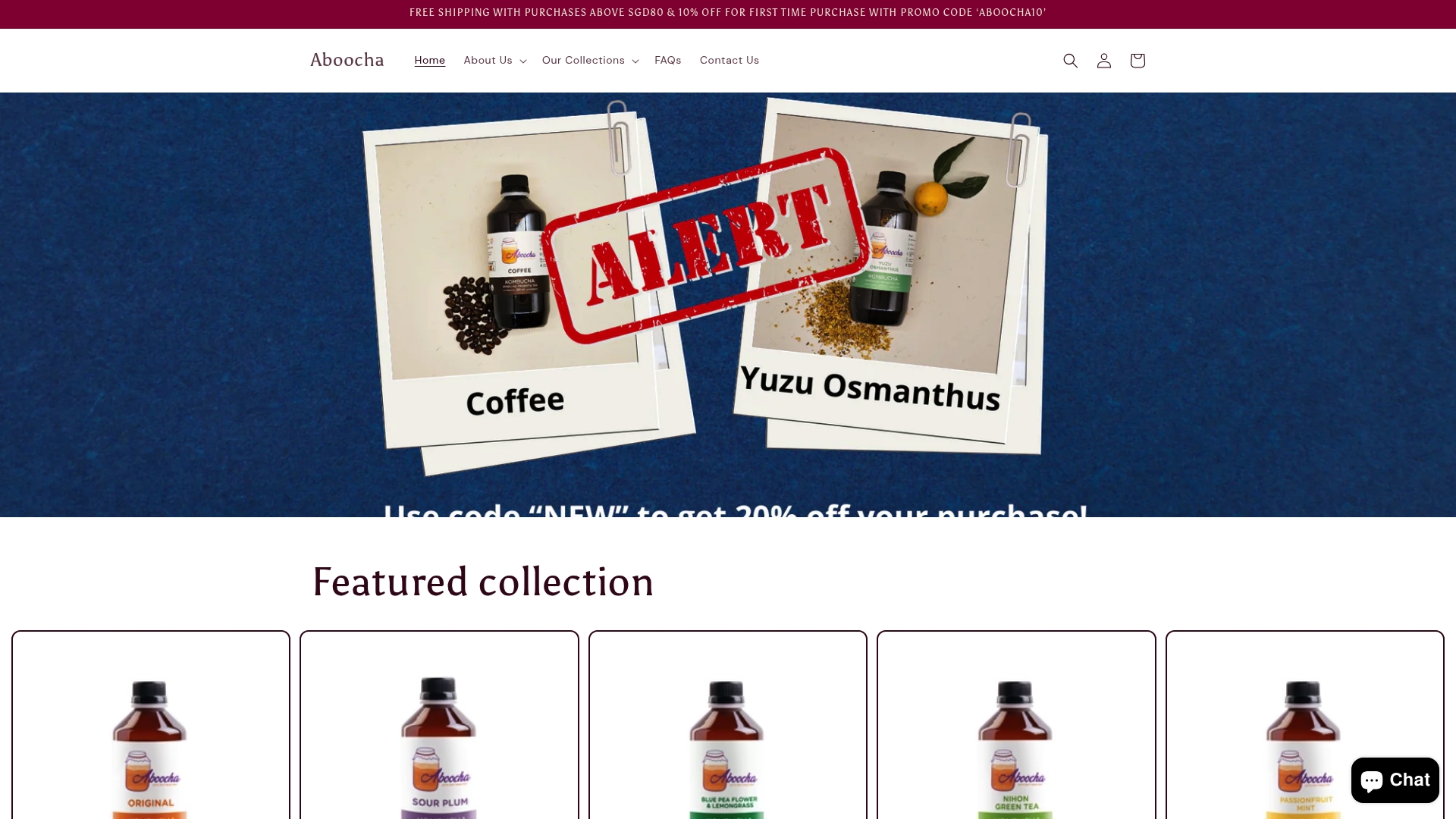
Aboocha offers distinct flavors like Sour Plum and Yuzu Osmanthus that make daily drinking something to look forward to rather than a chore. You can start with the original kombucha as a clean baseline or explore the Sour Plum option for a bolder probiotic experience. Their subscription plans make it easy to stay consistent, which, as the research confirms, is the real key to seeing digestive results.
FAQ
Why do fermented foods sometimes cause more bloating at first?
Initial bloating in the first one to two weeks is a normal microbiome adaptation response. Your gut bacteria are adjusting to new strains, and the disruption temporarily increases gas production before balance sets in.
How long does it take for fermented foods to reduce bloating?
Most people notice significant improvement between weeks three and eight of consistent daily consumption. Sticking with small, regular portions is more effective than large, infrequent amounts.
What are the best fermented foods for bloating relief?
Kombucha, kefir, kimchi, sauerkraut, and miso are among the best fermented foods for bloating because they deliver diverse probiotic strains and organic acids that shift gut chemistry. Rotating between several types provides broader gut benefits.
Can people with IBS eat fermented foods?
Yes, but with caution. Some fermented foods are high in FODMAPs and can trigger IBS symptoms. Starting with very small portions and choosing lower-FODMAP options like plain kefir is the recommended approach before expanding your intake.
Is kombucha as effective as other fermented foods for gut health?
Kombucha delivers live cultures, organic acids, and B vitamins that support fermented foods and gut health similarly to other fermented options. It works best as part of a varied diet that includes different fermented sources rather than as the sole probiotic food.