
Floral-infused kombucha is rising because it pairs genuine functional benefits with sensory complexity that no standard soda or plain kombucha can match. The mindful drinking movement is pushing Swiss consumers toward alcohol-free drinks that feel sophisticated, and floral botanicals deliver exactly that: aromatic depth, perceived wellness, and a taste experience worth paying for. According to Innova Market Insights, floral flavors saw a 5.6% increase in product launches over five years, and 57% of consumers say botanical ingredients influence their food and beverage choices.
TL;DR — why floral kombucha is worth trying:
- Floral ingredients like hibiscus and elderflower bring antioxidants and calming botanicals
- Kombucha fermentation amplifies floral aromas and adds live cultures for gut support
- Look for: live cultures on the label, under 5g sugar per 100ml, and named floral sources
- Aboocha’s Yuzu Osmanthus and Sour Plum are ready-to-drink examples available by subscription
Table of Contents
- Why are floral beverages gaining popularity with modern drinkers?
- What health benefits do floral kombucha drinks actually offer?
- Why is the floral drinks trend especially strong in Switzerland?
- Which floral ingredients are most common in kombucha?
- How do you choose a floral kombucha in Switzerland?
- How Aboocha puts these trends into practice
- Where did floral beverages come from historically?
- How social media accelerated the floral beverage trend
- Key Takeaways
- The case for taking floral kombucha seriously
- Aboocha’s floral kombucha is worth trying if you’re in Switzerland
- FAQ
- Useful sources
Why are floral beverages gaining popularity with modern drinkers?
Floral notes work because they carry emotional weight alongside taste. The scent of elderflower or rose doesn’t just smell pleasant; it triggers associations with gardens, calm, and something handcrafted. That psychological cue is powerful in a market where consumers are actively choosing drinks that feel like self-care.
The chemistry backs this up. Post-fermentation aroma compounds like linalool and beta-ionone develop floral bouquets that consumers identify as premium. In kombucha specifically, carbonation amplifies volatile aromatics, so a subtle elderflower note in a still infusion becomes noticeably more expressive in a sparkling fermented drink.
“Floral infusions succeed by revisiting familiar recipes with modern twists — pairing classic floral notes with functional beverages satisfies both nostalgia and novelty cravings.” — Aromatech
Brands use this to their advantage. Floral flavors signal premiumization without requiring alcohol, which is exactly what the low-ABV and zero-alcohol segment needs. Hibiscus leads floral launches globally, while rose, chamomile, and chrysanthemum are gaining ground fast.
Pro Tip: If you’re formulating or shopping for floral kombucha, look for products that pair a floral note with a citrus or herbaceous base. Yuzu with osmanthus, for example, keeps the floral from reading as perfume and adds brightness that makes the drink far more drinkable.
What health benefits do floral kombucha drinks actually offer?
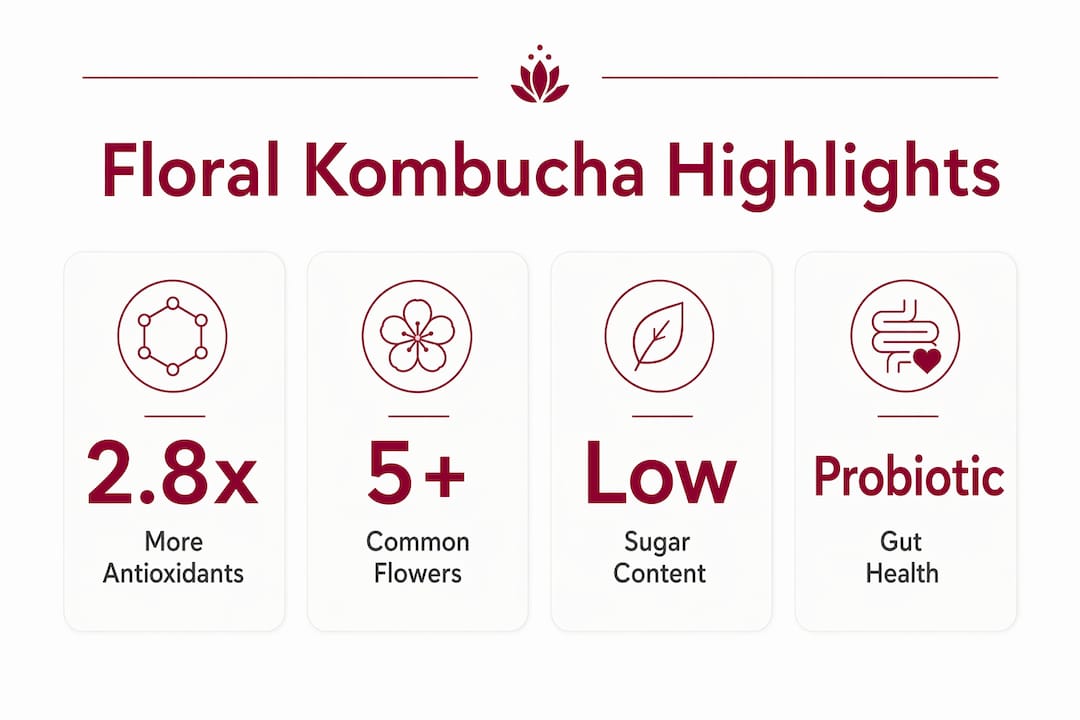
Consumers choose floral kombucha because it layers two distinct benefit streams: botanical antioxidants from the floral ingredients themselves, and probiotic activity from fermentation. That combination is hard to find in a single ready-to-drink format.
The science on the antioxidant side is real. A study on golden-flower and honeysuckle kombucha found up to a 2.83x increase in antioxidant activity and up to a 3.48x increase in total phenolic content when fermenting with tea residues. Fermentation doesn’t just preserve the botanicals; it actively transforms them into more bioavailable compounds.
On the probiotic side, alternative substrates including flowers and herbs can yield strong biological capacities after fermentation, including antioxidant, anti-inflammatory, and antimicrobial activity. The caveat: not every floral kombucha on a Swiss shelf delivers the same benefit. Sugar content, fermentation time, and whether live cultures survived bottling all determine what you actually get.
What to check on the label before buying:
- “Live cultures” or “contains active cultures” stated explicitly
- Sugar per 100ml (under 5g is a reasonable target for a gut-health drink)
- Named floral ingredient, not just “natural flavor”
- Fermentation date or batch information where available
57% of consumers say botanical ingredients influence their food and beverage choices — Innova Market Insights
That figure reflects a shift from taste-first to function-first purchasing, where the floral ingredient is both the flavor and the health signal.
Why is the floral drinks trend especially strong in Switzerland?
Switzerland already had the cultural infrastructure for this trend before it went global. A premium-taste culture, high willingness to pay for quality ingredients, and a long tradition of herbal and botanical remedies made Swiss consumers receptive to floral beverages well before the category took off elsewhere.
Switzerland’s floral flavors import market grew 10.19% from 2023 to 2024, with a CAGR of 5.81% from 2020 to 2024. That’s not a blip; it’s a sustained shift in what Swiss buyers are reaching for.
“Consumers in 2025 are seeking more than just refreshment — they want drinks that deliver sensory excitement, functional benefits, and a sense of occasion without the drawbacks of alcohol.” — Bel Nada, 2025
Swiss consumers are also finding floral kombucha through more channels than before: specialty retail, wellness cafés, and direct-to-consumer subscriptions. The subscription format fits particularly well here because gut health benefits from probiotics require consistent intake, not a one-off bottle. When a floral kombucha arrives at your door weekly, the habit forms naturally.
On Swiss shelves, look for provenance details and ingredient transparency. Swiss buyers respond to specificity: “elderflower from the Valais” lands differently than “elderflower flavor.”
Which floral ingredients are most common in kombucha?
| Floral Ingredient | Taste Profile | Functional Claim | Best Kombucha Pairing |
|---|---|---|---|
| Hibiscus | Tart, cranberry-like | Antioxidants, blood pressure support | Ginger, citrus |
| Elderflower | Light, honeyed, summery | Anti-inflammatory, vitamin C | Lemon, green tea |
| Chamomile | Soft, apple-like, mild | Calming, digestive ease | Honey, apple |
| Rose | Floral, slightly sweet | Antioxidants, mood support | Berry, vanilla |
| Bergamot | Citrus-floral, aromatic | Antimicrobial, mood-lifting | Earl Grey base, lemon |
| Osmanthus | Apricot-like, delicate | Antioxidant, skin-associated | Yuzu, white tea |
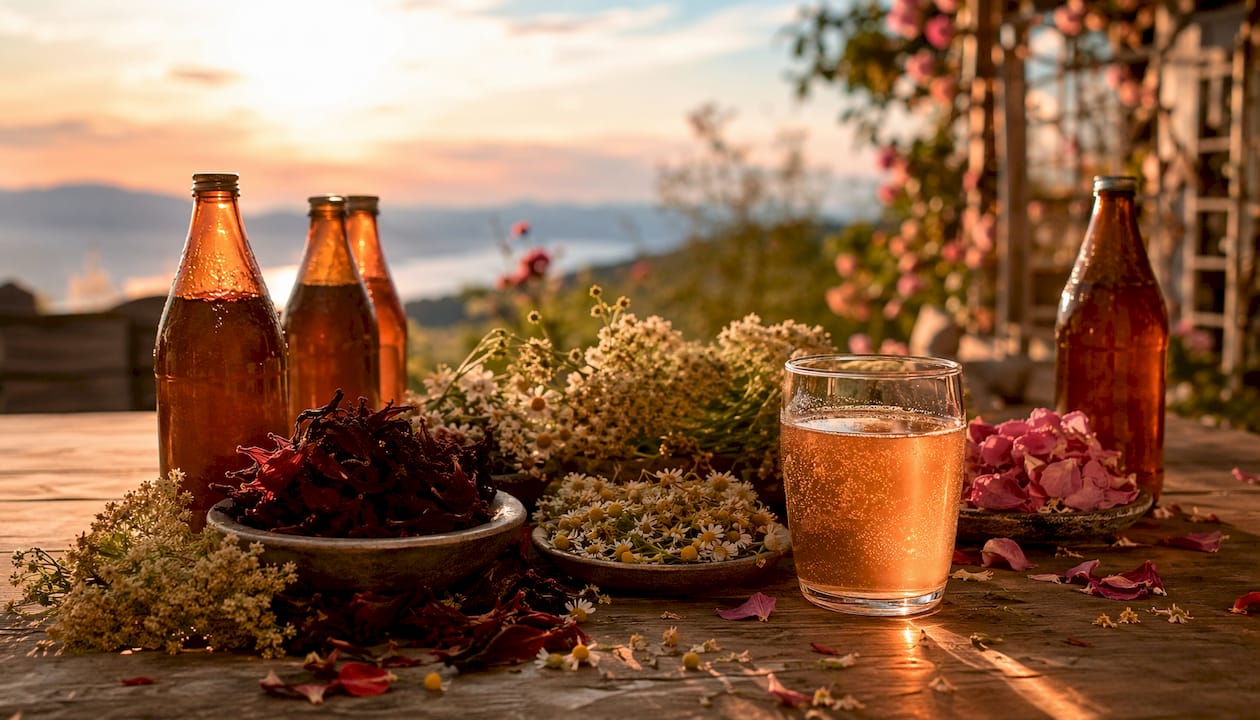
Hibiscus is the workhorse of the category. Its tartness balances kombucha’s natural acidity, and its deep color makes for a visually striking product. Osmanthus is the sleeper: its apricot-like sweetness pairs beautifully with yuzu’s brightness, which is exactly why the Yuzu Osmanthus combination works so well as a ready-to-drink format.
One technical note worth knowing: floral blends kept under roughly 50% concentration during infusion keep fermentation stable and avoid overly acidic or pungent results. Push past that threshold and the floral character can turn harsh rather than elegant. Edible flower by-products, like golden tea flowers, are increasingly used as kombucha substrates because they create complex sour-sweet profiles that plain water infusions simply can’t replicate.
How do you choose a floral kombucha in Switzerland?
The simplest filter: live cultures, low sugar, named ingredients, and a fermentation date. Everything else is secondary.
- Check for live cultures. The label should say “contains live cultures” or list CFU (colony-forming units). No live cultures means no probiotic benefit.
- Confirm sugar per 100ml. Aim for under 5g. Some floral kombuchas compensate for tartness with added sugar, which undercuts the health case.
- Read the floral source. “Hibiscus” is better than “natural hibiscus flavor.” A named origin is better still.
- Look for fermentation date or batch info. Fresher means more active cultures.
- Choose your format. Single bottles let you experiment; subscriptions support consistent probiotic intake.
Pro Tip: If this is your first floral kombucha, start with elderflower or chamomile. Both are mild enough that carbonation and acidity don’t overwhelm the floral note. Once you’re comfortable with the format, hibiscus and osmanthus blends offer more complexity.
How Aboocha puts these trends into practice
Aboocha aligns directly with the mindful-drinking shift: lower sugar, live-culture kombucha with floral-forward flavor profiles and subscription delivery for Swiss consumers who want consistent gut-health support.
The Yuzu Osmanthus flavor is a practical example of everything this article covers. Osmanthus brings antioxidant botanicals and a delicate apricot-floral note; yuzu adds citrus brightness that keeps the drink from reading as perfume. Sour Plum takes a different route, leading with tartness and a stone-fruit depth that pairs well with the natural acidity of fermentation.
Aboocha customers report improved digestive comfort and satisfaction with the flavor variety, particularly noting that the lower sugar content makes daily consumption feel sustainable rather than indulgent.
Subscription plans make the gut-health case practical. Probiotics work through consistency, not occasional doses. Regular delivery removes the friction of remembering to restock, which is the real barrier for most people trying to build a kombucha habit.
Where did floral beverages come from historically?
Floral beverages have roots across multiple cultures, none of which thought of them as a trend. Rose water was used in Persian and Mughal cooking for centuries. Elderflower cordials were staples in British and Scandinavian households long before craft beverage brands discovered them. Chrysanthemum tea has been consumed in China for over a thousand years, valued for its cooling properties and mild sweetness.
Kombucha itself originated in China around 220 BC, spreading through Russia, Japan, and Korea via trade routes. The use of flowers and herbs as kombucha substrates is a natural extension of that history: brewers have always used whatever botanicals were locally abundant and culturally meaningful.
What’s different now is the commercial packaging of that history. A Swiss consumer buying elderflower kombucha is, knowingly or not, connecting to a very long tradition of botanical beverage-making. That depth gives floral drinks a cultural legitimacy that purely synthetic flavors can’t claim.
How social media accelerated the floral beverage trend
Instagram and TikTok did something specific for floral beverages: they made color and aroma visible. A deep hibiscus-red kombucha in a clear bottle photographs beautifully. Elderflower’s pale gold reads as artisanal. These drinks were made for the visual economy of social platforms in a way that, say, a brown cola simply isn’t.
The floral drinks trend also benefited from the broader wellness content wave. When fitness and nutrition creators started discussing gut health, kombucha was already positioned as the functional drink of choice. Floral variants gave creators a new visual angle and a new story: not just “good for your gut” but “sophisticated, botanical, and alcohol-free.”
Brand aesthetics followed. The deep burgundy and jewel-toned packaging that characterizes premium floral kombucha brands is a direct response to what performs on social feeds. Aboocha’s own visual identity reflects this: warmth, elegance, and a color palette that signals health-conscious luxury without clinical coldness.
Key Takeaways
Floral kombucha is rising because it delivers sensory novelty, botanical antioxidants, and probiotic gut support in a single low-sugar, alcohol-free format that fits the mindful-drinking shift driving Swiss consumer choices in 2025 and beyond.
| Point | Details |
|---|---|
| Sensory and psychological appeal | Floral aroma compounds like linalool and beta-ionone signal premium quality and trigger wellness associations. |
| Antioxidant boost from fermentation | Floral kombucha can show up to a 2.83x increase in antioxidant activity and up to a 3.48x increase in total phenolic content compared to unfermented infusions. |
| Swiss market momentum | Switzerland’s floral flavors market grew 10.19% from 2023 to 2024, with a CAGR of 5.81% from 2020 to 2024. |
| Label-reading essentials | Check for live cultures, under 5g sugar per 100ml, and a named floral ingredient before buying. |
| Aboocha as a practical option | Aboocha offers lower-sugar, floral-forward kombucha (Yuzu Osmanthus, Sour Plum) with subscription delivery for consistent gut support. |
The case for taking floral kombucha seriously
The conventional wisdom on functional beverages is that taste and health benefits trade off against each other. Floral kombucha is one of the clearest counterexamples to that assumption. The same compounds that make elderflower smell elegant and osmanthus taste like summer also carry genuine antioxidant and anti-inflammatory properties. The fermentation process that creates live cultures also amplifies those botanical compounds.
What gets underestimated is how much the sensory experience matters to long-term habit formation. A drink you actually look forward to is one you’ll consume consistently. Consistency is what makes probiotics work. So the “luxury” of a well-crafted floral kombucha isn’t separate from the health benefit; it’s part of the mechanism.
The mindful-drinking shift in Switzerland isn’t a passing moment. It reflects a durable change in how adults want to relate to what they drink: pleasure without compromise, sophistication without alcohol, and ingredients they can actually name.
Aboocha’s floral kombucha is worth trying if you’re in Switzerland
If you’ve been looking for a ready-to-drink kombucha that actually delivers on both taste and gut health, Aboocha is a direct answer. The lower-sugar formulas mean you can drink one daily without watching the sugar stack up, and the live cultures do the digestive work that plain sparkling water can’t.
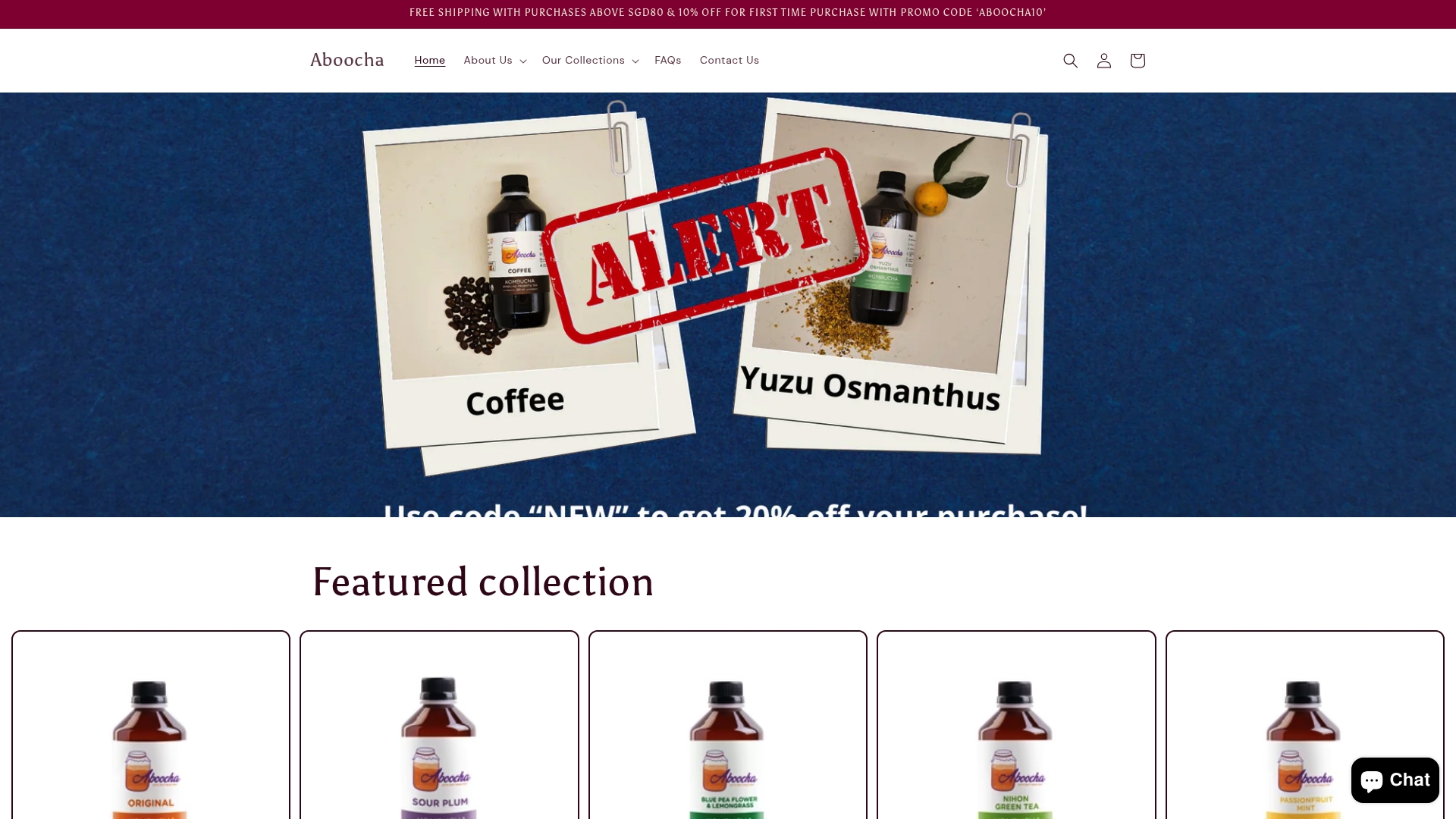
The Yuzu Osmanthus and Sour Plum flavors are good starting points: one is delicate and aromatic, the other is tart and grounding. Both are available as single bottles or through a subscription plan that keeps your gut-health routine on autopilot. Browse Aboocha’s range and find the format that fits your week.
FAQ
Why are floral beverages becoming more popular now?
Floral beverages are growing because they satisfy the mindful-drinking shift: consumers want sensory complexity and functional benefits without alcohol. Innova Market Insights reports that 57% of consumers say botanical ingredients influence their beverage choices.
What floral ingredients are most common in kombucha?
Hibiscus, elderflower, chamomile, rose, bergamot, and osmanthus are the most widely used. Hibiscus leads in product launches globally due to its tartness and antioxidant content.
Does floral kombucha actually help with digestion?
Floral kombucha contains live cultures from fermentation that support gut health, alongside botanical antioxidants. Benefits depend on live-culture presence and sugar content, so always check the label.
How do I choose a good floral kombucha in Switzerland?
Look for live cultures stated on the label, under 5g of sugar per 100ml, and a named floral ingredient rather than “natural flavor.” A fermentation date is a useful freshness signal.
What makes Aboocha different from standard kombucha?
Aboocha focuses on lower sugar content and floral-forward flavor profiles like Yuzu Osmanthus, with subscription delivery that supports consistent probiotic intake for digestive health.
Useful sources
Scientific research:
- Impact of Kombucha Fermentation on Tea Flower Infusions (DOI) — best for aroma compound science and fermentation mechanics
- Golden-Flower and Honeysuckle Kombucha Antioxidant Study (MDPI) — primary source for antioxidant increase figures
- Kombucha from Fruits, Vegetables, and Plants: Pharmacological Review (MDPI) — broad scientific context for alternative substrates
- White Hibiscus Kombucha Sensory Study (MDPI) — fermentation concentration and sensory driver data
- Camellia Flower Kombucha Physicochemical Properties (ScienceDirect) — by-product utilization and bioactivity
Market and trend context:
- Innova Market Insights: Floral Flavor Trends — global launch data and consumer statistics
- FoodNavigator: Garden Variety Flavors — category breadth and brand examples
- 6WResearch: Switzerland Floral Flavors Market — Swiss-specific growth data
- Bel Nada: 2025 Beverage Trends — Swiss mindful-drinking consumer insight
- Aromatech: Floral Flavors the Next Big Thing — ingredient-level drivers and premiumization framing
Product example:
- Aboocha — Swiss-available, lower-sugar floral kombucha with subscription options