
Lower sugar kombucha is defined as a fermented tea beverage with reduced residual glucose, typically containing 2 to 8 grams of sugar per serving after the SCOBY (symbiotic culture of bacteria and yeast) has consumed most of the starting sugars. Why kombucha lower sugar matters comes down to two core mechanisms: it reduces blood sugar spikes and amplifies the organic acids that support gut health. A four-week clinical study found that people with diabetes who drank kombucha had lower fasting blood glucose than those on placebo. That result is not an accident. It reflects exactly what happens when fermentation is allowed to run its course and residual sugar stays low.
How does sugar content in kombucha impact blood sugar levels?
The acids produced during kombucha fermentation, primarily acetic acid and gluconic acid, slow stomach emptying and reduce the rate of carbohydrate breakdown in the digestive tract. This means glucose enters the bloodstream more gradually, which translates to fewer sharp blood sugar spikes after drinking. The kombucha acids mechanism is well documented: by slowing how quickly sugar reaches the bloodstream, these organic acids help stabilize post-meal glucose levels.
High-sugar kombucha undermines this effect. When a brand adds fruit juice or extra sweetener after fermentation, the residual sugar load can climb above 15 grams per serving. At that level, the glycemic benefit of the organic acids is partially offset by the glucose surge from the added sugar. Low sugar kombucha keeps that tradeoff firmly in your favor.
The practical difference matters most for people managing prediabetes, insulin resistance, or metabolic syndrome. For this group, choosing a product with under 5 grams of sugar per serving is not a minor preference. It is a meaningful dietary decision backed by clinical evidence.
- Organic acids in kombucha slow carbohydrate digestion, reducing glucose absorption speed
- Lower residual sugar means fewer blood sugar spikes compared to high-sugar versions
- Post-fermentation sugar additions cancel out much of the glycemic benefit
- People with diabetes showed measurably lower fasting glucose after four weeks of kombucha consumption
Pro Tip: Check the ingredient list, not just the nutrition label. If fruit juice concentrate or cane sugar appears in the top five ingredients, the product likely had sugar added after fermentation, which raises the glycemic load regardless of what the label says.
What does fermentation contribute to kombucha’s sugar profile?
Fermentation is the engine that transforms sweet tea into a genuinely functional drink. The SCOBY’s yeasts convert sucrose into ethanol first. Then acetic acid bacteria convert that ethanol into acetic acid and other organic compounds. The result is a beverage with a dramatically different sugar profile than the tea you started with. Research shows that sugar drops over 50% during nine days of fermentation, with reducing sugars declining from roughly 11 g/L at the start.

That 50 to 62 percent reduction is not just a chemistry footnote. It means the fermentation length and conditions directly determine how much sugar you consume per bottle. A kombucha fermented for seven days will have more residual sugar than one fermented for twelve. Tarter, more acidic kombucha is almost always lower in sugar, because the bacteria have had more time to work.
The organic acids generated during this process do more than reduce sugar. Acetic acid, glucuronic acid, and gluconic acid each contribute to gut health by supporting the mucosal lining, moderating pH in the digestive tract, and slowing glucose uptake. To understand how these acids function inside the body, the role of kombucha acids explains the metabolic pathway in detail.
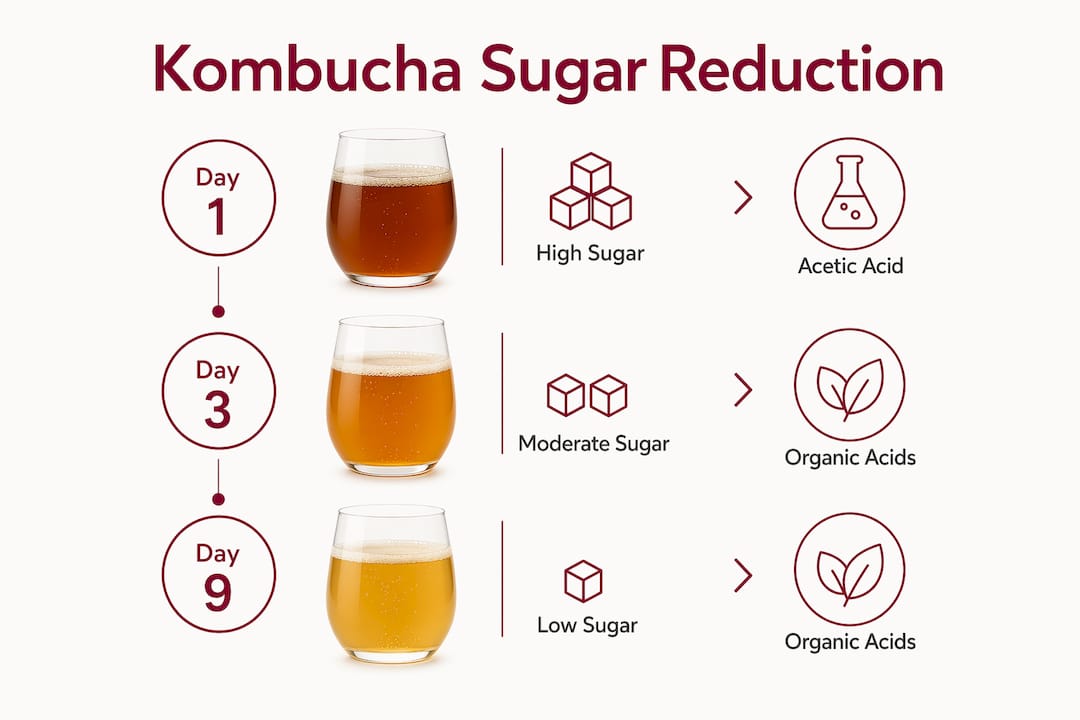
| Fermentation stage | Sugar status | Key compounds produced |
|---|---|---|
| Day 1 to 3 | High residual sugar | Ethanol, CO2 |
| Day 4 to 6 | Moderate sugar reduction | Early acetic acid formation |
| Day 7 to 9 | 50%+ sugar reduction | Acetic acid, gluconic acid, glucuronic acid |
| Day 10 and beyond | Lowest residual sugar | High acid concentration, tart flavor |
Pro Tip: When buying commercial kombucha, taste is a reliable proxy for fermentation depth. A noticeably tart, vinegary flavor signals longer fermentation and lower residual sugar. A sweet, mild taste usually means shorter fermentation and more sugar remaining.
Why should health-conscious consumers choose lower sugar kombucha?
The sugar comparison between kombucha and other beverages is striking. Commercial kombucha contains roughly 5 to 8 grams of sugar per serving, compared to approximately 40 grams in a 12-ounce soft drink. That gap represents a significant reduction in daily sugar load for anyone making the switch. But the comparison only holds if you are choosing a genuinely low-sugar kombucha product, not a heavily sweetened one dressed up with wellness branding.
Serving size is where most consumers get tripped up. Many kombucha bottles contain two or even three servings, so a label showing 7 grams of sugar per serving actually means 14 to 21 grams if you drink the whole bottle. Parsing label details carefully for true sugar intake per container is the single most important habit for anyone tracking their glycemic load. The difference between one serving and one bottle is not trivial.
Dental health is another factor that rarely gets mentioned in kombucha discussions. Lower sugar kombucha minimizes enamel erosion risk compared to high-sugar drinks, provided you drink it with meals rather than sipping continuously throughout the day. Continuous sipping keeps acid in contact with enamel for extended periods, which negates the lower-sugar advantage.
Here is what to look for when selecting a genuinely low-sugar kombucha:
- Total sugar per serving should be 5 grams or under for meaningful blood sugar benefit
- Check servings per container, not just per serving, before calculating total sugar intake
- Avoid products listing juice concentrate or added sweeteners in the ingredient list
- Tarter flavor profiles generally indicate lower residual sugar from longer fermentation
- Look for brands that specify fermentation duration or use “raw” or “naturally fermented” labeling
For a broader comparison of products with reduced sugar content, the kombucha alternatives guide covers how different brands approach sugar reduction.
How do kombucha’s sugar levels relate to its overall health advantages?
The relationship between sugar and health benefits in kombucha is not linear. Sugar is required for fermentation to generate the organic acids and bioactives that make kombucha functional. Eliminating sugar entirely would stop fermentation and produce a drink with no probiotic or acid profile worth mentioning. The goal is always lower residual sugar after fermentation, not zero sugar going in. The SCOBY fermentation process depends on sucrose as its primary fuel source.
Product variability across brands is significant. Tea choice dramatically changes the drink’s sugar and bioactive composition, with green tea bases producing different microbial profiles than black tea bases. This means two bottles labeled “kombucha” can have meaningfully different health impacts depending on the tea used, fermentation length, and whether sugar was added after brewing.
The wellness picture extends beyond blood sugar. Lower sugar kombucha supports gut microbiota diversity through its organic acid and probiotic content, reduces calorie load compared to sweetened alternatives, and lowers the risk of enamel erosion when consumed mindfully. These benefits compound over time for someone drinking kombucha regularly as part of a balanced diet.
- Glycemic control: lower residual sugar reduces post-drink glucose spikes
- Gut microbiota: organic acids and live cultures support microbial diversity
- Dental health: reduced sugar and mindful consumption protect enamel
- Calorie management: lower sugar directly reduces caloric contribution per serving
- Metabolic health: fermentation acids slow carbohydrate digestion system-wide
How to interpret scientific research on kombucha and sugar
The clinical evidence supporting low sugar kombucha benefits is real but still developing. Here is how to read it accurately:
- The strongest human evidence comes from the four-week diabetic intervention study showing reduced fasting glucose. This is a randomized controlled design, which carries more weight than observational data.
- Animal studies show consistent results but cannot be directly extrapolated to human dosing or long-term effects without further clinical trials.
- Sample sizes remain small across most kombucha research. Most human trials involve fewer than 100 participants, which limits statistical power and generalizability.
- Duration matters. Four weeks is a short intervention window. Long-term studies on kombucha’s metabolic effects in non-diabetic populations are still limited.
- Sugar content in study products varies. When a study uses a high-sugar commercial kombucha, the results may not apply to lower-sugar versions, and vice versa. Always check what product was used in the research before drawing conclusions.
- Apply findings practically. Choose kombucha with under 5 grams of sugar per serving, drink one full serving per day, and treat it as a complement to a low-glycemic diet rather than a standalone intervention.
The honest takeaway is that the science supports the direction: lower sugar kombucha is better for blood sugar and metabolic health than high-sugar versions. The magnitude of benefit for healthy individuals is still being quantified. For a deeper look at the fermentation science behind these effects, the homebrewer’s fermentation guide covers the microbiology in practical terms.
Key takeaways
Lower sugar kombucha supports blood sugar stability and gut health because fermentation-generated organic acids slow glucose absorption while reducing the residual sugar that would otherwise cause glycemic spikes.
| Point | Details |
|---|---|
| Fermentation reduces sugar by 50%+ | Sugar drops significantly over 9 days, producing health-supporting organic acids. |
| Acids slow glucose absorption | Acetic and gluconic acids reduce how quickly sugar enters the bloodstream. |
| Label reading is non-negotiable | Always check servings per container, not just per serving, to know true sugar intake. |
| Tarter kombucha means lower sugar | Longer fermentation produces more acid and less residual sugar. |
| Dental and calorie benefits compound | Lower sugar reduces enamel erosion risk and caloric load when consumed mindfully. |
What I’ve learned from years of watching people drink the wrong kombucha
Most people who tell me kombucha “didn’t work” for their digestion or blood sugar were drinking the wrong product. They picked up a bottle with a wellness label, saw “live cultures” on the front, and assumed the job was done. They never flipped it over to check that it contained 14 grams of sugar per bottle across two servings, or that fruit juice was the second ingredient.
The fermentation science is clear. A well-fermented, low-residual-sugar kombucha is a genuinely different product from a lightly fermented, sweetened one. Taste is your fastest quality check. If it tastes like sparkling juice with a faint tang, it probably fermented for four or five days and still carries most of its starting sugar. If it tastes tart and slightly vinegary, the bacteria did their job.
I also think the dental angle is underrated. People sip kombucha all morning at their desks and wonder why their dentist mentions enamel wear. Drink it with a meal, finish the serving, and move on. That single habit change removes most of the acid exposure risk while preserving every gut and metabolic benefit.
The broader point is this: kombucha is not magic, but it is genuinely useful when you choose the right version and drink it with intention. Lower sugar is not a marketing claim. It is a measurable outcome of fermentation that directly affects how your body responds to every sip.
— Luna
Aboocha’s low-sugar kombucha supports your health goals
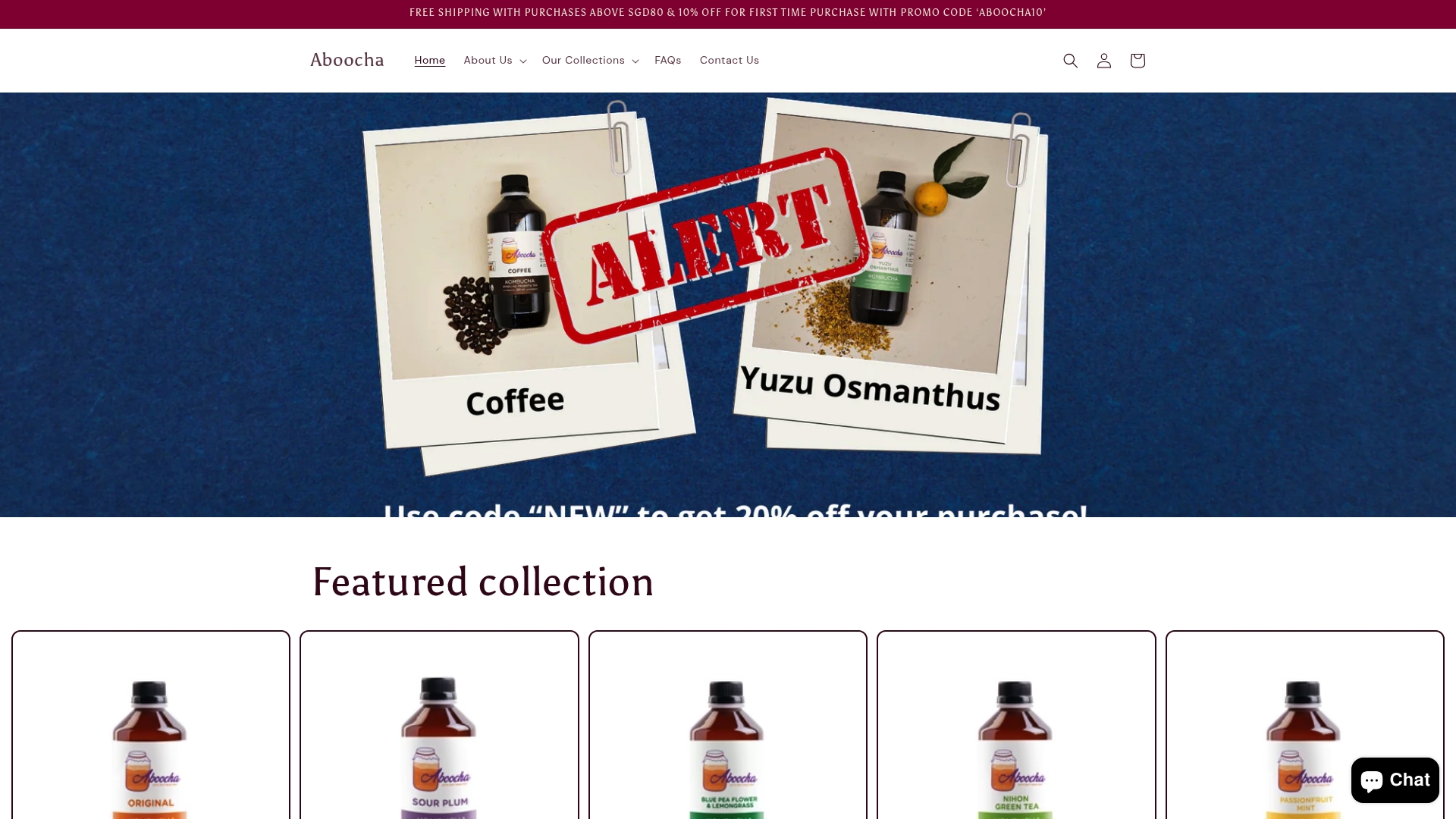
Aboocha builds every batch around one principle: let fermentation do its full job before the kombucha reaches you. That commitment to thorough fermentation means lower residual sugar, higher organic acid content, and a drink that genuinely supports blood sugar stability and gut health rather than just claiming to. Flavors like Sour Plum and Yuzu Osmanthus are tart by design, which signals exactly the fermentation depth your body benefits from. If you are ready to make the switch to a kombucha that aligns with your metabolic and digestive goals, explore Aboocha’s range and find the subscription plan that fits your routine.
FAQ
What is low sugar kombucha?
Low sugar kombucha is a fermented tea with 5 grams or less of residual sugar per serving, achieved through extended fermentation where the SCOBY converts most starting sugars into organic acids.
Is low sugar kombucha healthier than regular kombucha?
Yes, lower sugar kombucha better supports blood sugar stability and reduces caloric load. Clinical evidence shows kombucha consumption can lower fasting glucose, and that benefit is strongest when residual sugar is minimal.
How does fermentation reduce sugar in kombucha?
Yeasts convert sucrose to ethanol, then acetic acid bacteria convert ethanol to acetic acid and other organic compounds. Research shows this process reduces total sugar by 50 to 62 percent over nine days of fermentation.
Can kombucha damage tooth enamel?
Kombucha’s acidity can contribute to enamel erosion, but lower sugar versions reduce this risk significantly. Drinking it with meals rather than sipping continuously throughout the day minimizes acid contact with enamel.
How do I know if a kombucha is genuinely low in sugar?
Check the nutrition label for total sugar per serving and multiply by servings per container. Under 5 grams per serving is the target. A tart, vinegary flavor is a reliable sign of longer fermentation and lower residual sugar.