
Most people think kombucha is just tea with some fizz. The reality is far more interesting. How kombucha is fermented involves a living, layered biological process where yeast and bacteria work together to transform sweet tea into a tangy, probiotic-rich drink. Understanding this process is the difference between batches that thrive and batches that fail. Whether you’re curious about the science or ready to start your first homemade kombucha recipe, this guide covers every stage in detail.
Table of Contents
- Key takeaways
- How kombucha is fermented: the two-stage process
- What is SCOBY and what actually does the work
- Factors that shape your fermentation results
- Health benefits tied to fermentation quality
- My honest take on brewing at home
- Try Aboocha before your next batch
- FAQ
Key takeaways
| Point | Details |
|---|---|
| Two distinct fermentation stages | Primary fermentation builds acidity and flavor; secondary fermentation creates natural carbonation. |
| SCOBY is not enough alone | Active starter liquid is what protects your brew from contamination, not the pellicle itself. |
| Temperature controls everything | Fermenting outside the 68–80°F range produces off-flavors or stalls the process entirely. |
| Pasteurization kills probiotics | Raw, refrigerated kombucha retains live cultures; heat-treated products do not. |
| Tea selection directly impacts your culture | Only use plain black or green tea. Oils and flavorings in herbal teas damage SCOBYs over time. |
How kombucha is fermented: the two-stage process
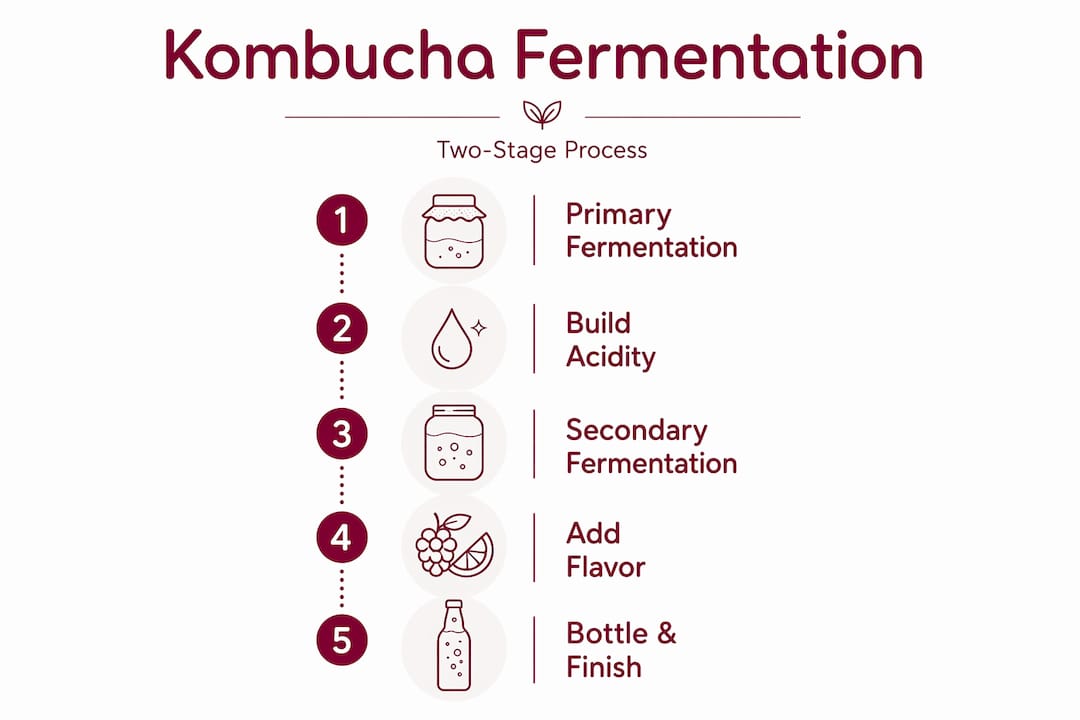
The kombucha fermentation process is split into two distinct phases, each with a different biological goal.
Primary fermentation (F1) begins when you combine sweetened black or green tea with a SCOBY and a cup of starter liquid from a previous batch. F1 typically lasts 7–14 days, during which yeast in the SCOBY breaks down sugar into ethanol, while bacteria oxidize that ethanol into organic acids like acetic acid and gluconic acid. These acids create kombucha’s signature tartness and drop the pH to a level that makes the brew shelf-stable and safe.
Secondary fermentation (F2) happens after you bottle your kombucha. Add fruit, juice, or whole spices at this stage for flavor. Seal the bottles and leave them at room temperature. The residual sugar feeds remaining yeast, producing CO2 that has nowhere to escape except into the liquid. F2 typically lasts 1–5 days, and the result is natural carbonation. The longer you wait, the more pressure builds. Burp your bottles daily to avoid over-carbonation.
During F1, the typical ABV reaches 0.5–1.5% depending on the sugar content of your starting tea and the duration of fermentation. This is low enough that commercial kombucha is classified as a non-alcoholic beverage in most markets.
| Stage | Duration | Goal | Key process |
|---|---|---|---|
| Primary (F1) | 7–14 days | Build acidity and flavor | Sugar → ethanol → organic acids |
| Secondary (F2) | 1–5 days | Natural carbonation | Residual sugar → CO2 trapped in bottle |
Pro Tip: Taste your brew daily starting at day 7. A good F1 brew should taste tart but not vinegary. If it tastes like sweet tea, it needs more time. If it smells like cleaning solution, your temperature is too high.
What is SCOBY and what actually does the work
SCOBY stands for Symbiotic Culture of Bacteria and Yeast. It looks like a rubbery disc that floats at the surface of your brew. Most beginners assume the SCOBY pellicle is the active ingredient. It is not.
The actual biological work happens in the liquid. Here is what is operating inside every batch:
- Acetic acid bacteria (like Acetobacter xylinum) produce acetic acid and gluconic acid, creating tartness and building the rubbery SCOBY disc itself
- Lactic acid bacteria contribute lactic acid, which adds a mild sourness and supports the drink’s probiotic character
- Yeast species (like Brettanomyces and Zygosaccharomyces) ferment sucrose into ethanol, which the bacteria then convert into those organic acids
The starter liquid from a previous batch is what truly protects your brew. It immediately drops the pH to 2.5–3.5, creating an acidic environment where harmful mold and pathogens cannot survive. A beautiful, thick SCOBY disc paired with old or weak starter liquid is a contamination risk. Many beginners make this exact mistake.
Pro Tip: Always use at least one cup of active starter liquid per gallon of brew. If you are starting from scratch with a dehydrated SCOBY, purchase raw commercial kombucha as your first starter liquid instead.
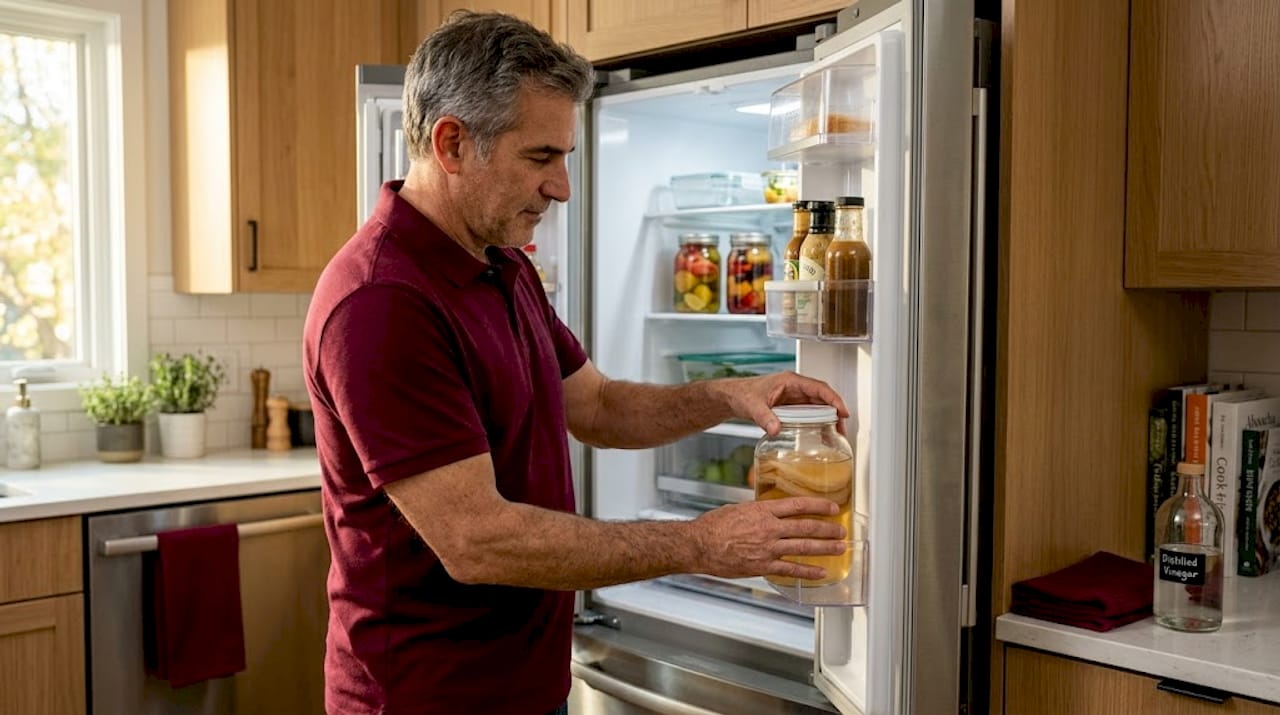
Healthy microbial culture care is straightforward. Feed the SCOBY regularly by brewing new batches, store it in the fridge with fresh sweet tea if taking a break, and never use antibacterial soap near your brewing vessels.
Factors that shape your fermentation results
Getting the kombucha fermentation process right depends on four variables you control directly: tea type, sugar, temperature, and timing.
-
Tea selection. Use plain black or green tea only. Herbal or oil-containing teas can harm the SCOBY and compromise fermentation over repeated batches. The caffeine and tannins in black and green tea actually support microbial health. Flavored teas with essential oils are the most common ingredient mistake beginners make.
-
Sugar as fuel. Standard white cane sugar is the most reliable choice. The yeast needs simple sucrose to begin fermentation. Use about one cup per gallon of tea. Alternatives like honey or coconut sugar can work but introduce unpredictable microbial variables. Raw sugars with heavy molasses content can stall the yeast.
-
Temperature control. Fermenting at 68–80°F (20–27°C) produces consistent flavor and keeps the fermentation timeline predictable. Drop below 68°F and fermentation slows significantly, sometimes requiring three or more weeks. Push above 80°F and the acetic acid bacteria become over-active, producing a sharp vinegar flavor that no amount of flavoring will fix. A simple stick-on thermometer attached to your jar is one of the most practical fermentation monitoring tools you can add to your setup.
-
Fermentation timing. There is no universal fixed timeline. Your kitchen temperature determines how fast F1 moves. A warm summer kitchen at 78°F can finish a batch in seven days. A drafty basement at 65°F might take eighteen days. Taste the brew directly rather than relying on a calendar.
Temperature inconsistencies drastically alter fermentation outcomes, which is why experienced brewers tape thermometers directly to their jars rather than trusting room temperature readings. The ambient temperature of a room and the temperature inside a glass jar with active fermentation can differ by several degrees.
Watch for these warning signs that conditions have gone wrong: pink or black mold on the surface (discard the entire batch), a dry powdery surface film, or a smell that is chemical rather than sour and yeasty.
Health benefits tied to fermentation quality
The benefits of fermented tea are directly tied to what survives from the fermentation process. Kombucha produces a range of bioactive compounds during F1 and F2, including:
- Organic acids (acetic, gluconic, lactic) that support digestive function
- Antioxidants derived from the original tea, which increase in bioavailability after fermentation
- Amino acids and live enzymes produced by the microbial cultures
- B vitamins synthesized by bacteria during the fermentation process
The gut health conversation around kombucha comes down to one key point. Microbial diversity matters. A well-fermented raw kombucha contains multiple strains of bacteria and yeast, each contributing different probiotic effects on the digestive tract.
Here is where commercial products diverge sharply. Pasteurization kills live cultures, making heat-treated kombucha essentially a flavored tea with none of the microbial benefits. Any kombucha sold at room temperature on a standard grocery shelf has been pasteurized. Raw kombucha will always be refrigerated.
When choosing between commercial products, a gut health expert perspective matters. Experts recommend treating kombucha as a probiotic tool, not a beverage substitute, and selecting products with fewer than five grams of sugar per serving. High fruit juice content in many commercial kombuchas can mask a low-quality fermentation with sweetness.
“Use kombucha as a targeted probiotic tool, not a soda replacement. Read labels carefully and prioritize low-sugar options with visible microbial activity.”
The kombucha market is projected to reach $12.34 billion by 2033, reflecting real consumer interest in fermented health beverages. That growth also means more products with beautiful labels and weak fermentation. Knowing how the process works helps you separate genuine quality from clever marketing.
My honest take on brewing at home
I’ve helped a lot of first-time brewers troubleshoot their batches, and the same problem shows up again and again. People obsess over the SCOBY’s appearance and completely neglect the starter liquid. I’ve seen batches with gorgeous, thick SCOBYs go moldy in three days because the brewer used plain water to dilute their starter tea instead of active kombucha from a previous batch.
What changed my own brewing was understanding the chemistry behind the process rather than just following a recipe. When you know that the starter liquid is what creates the acidic shield protecting your batch, you stop guessing about quantities. You stop thinking “one splash should be fine.” You measure, because you understand why it matters.
Temperature is the second thing I had to unlearn. I assumed a warmer kitchen would speed up a good brew. What it actually did was push my batches toward vinegar every summer. A cheap thermometer strip on the jar fixed what no recipe tweak could.
My view on commercial kombucha versus homemade is this: homebrewing at the right temperature, with real starter liquid and plain tea, produces something most commercial brands cannot replicate. That said, a well-made raw commercial kombucha from a brand that genuinely understands fermentation can absolutely deliver real probiotic value. The key is knowing what to look for on the label.
If you are new to all of this, start with a solid beginner’s guide before diving into your first batch. The process rewards patience and curiosity in equal measure.
— Luna
Try Aboocha before your next batch
If you want to taste what a carefully fermented, low-sugar kombucha actually feels like before committing to a full homebrew setup, Aboocha is a strong reference point.
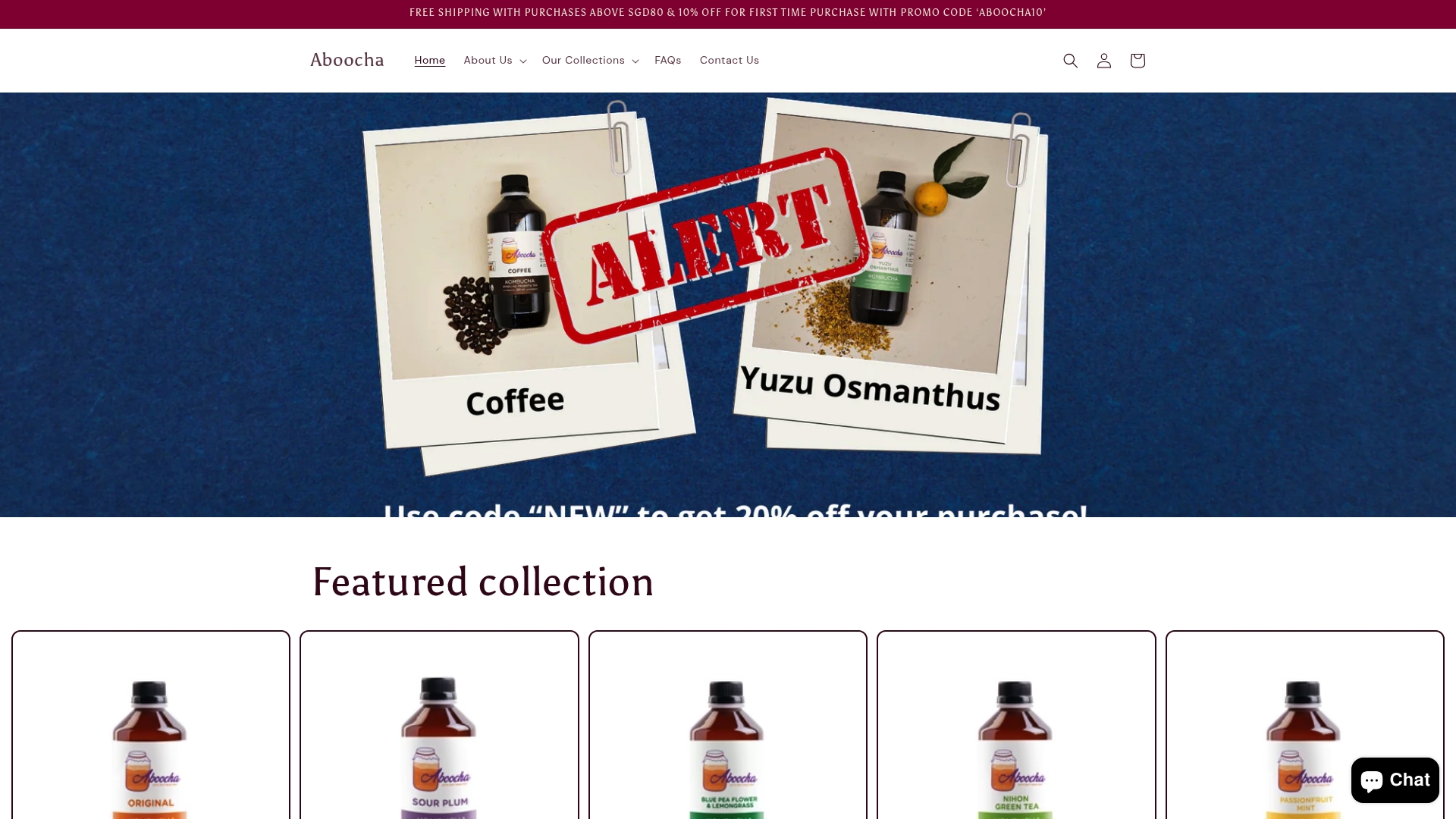
Aboocha’s original kombucha is raw, refrigerated, and brewed with the kind of attention to fermentation quality this article describes. If you prefer something unexpected, the coffee kombucha demonstrates just how creatively fermentation can be applied while still preserving live cultures. Both options come in at a low sugar content, which aligns with what gut health experts actually recommend. Aboocha also offers a subscription plan, so if you find a flavor that works for your gut, you do not have to think about restocking. Their full range, including Sour Plum and Yuzu Osmanthus, makes exploring fermented tea genuinely enjoyable.
FAQ
What is a SCOBY in kombucha brewing?
A SCOBY is a Symbiotic Culture of Bacteria and Yeast. It is the rubbery disc that floats in kombucha and hosts the microbial communities responsible for fermentation, though the active starter liquid it lives in does most of the protective work.
How long does kombucha fermentation take?
Primary fermentation takes 7–14 days depending on temperature and taste preference. Secondary fermentation in sealed bottles takes 1–5 days to develop carbonation before refrigerating.
What temperature should I ferment kombucha at?
Ferment kombucha between 68–80°F (20–27°C). Below 68°F, fermentation slows significantly. Above 80°F, acetic acid bacteria over-produce and the result tastes like vinegar.
Does commercial kombucha have probiotics?
Only raw, refrigerated kombucha retains live probiotic cultures. Pasteurized kombucha sold at room temperature has been heat-treated, which eliminates microbial viability.
How much sugar should kombucha contain for health benefits?
Gut health experts recommend choosing kombucha with under five grams of sugar per serving. Higher sugar content often indicates added juice rather than quality fermentation.