
Asian-inspired kombucha flavors are distinct blends that combine traditional Asian ingredients with kombucha’s natural tartness to create refreshing, healthful beverages. Examples of Asian-inspired kombucha flavors range from spicy ginger-lemongrass to floral yuzu blossom, drawing on centuries of culinary tradition across East, South, and Southeast Asia. These blends go well beyond sweetened tea. They deliver live probiotics, functional ingredients, and layered sensory experiences that health-conscious drinkers are actively seeking. Aboocha’s Sour Plum and Yuzu Osmanthus are two standout examples of how this flavor direction has matured into a serious craft.
1. what are the most popular asian-inspired kombucha flavor profiles?
The top Asian-inspired beverage flavors in kombucha fall into five broad categories: spicy, citrusy, tangy, floral, and earthy. Each category draws from a distinct regional tradition and pairs differently with kombucha’s acidic base.
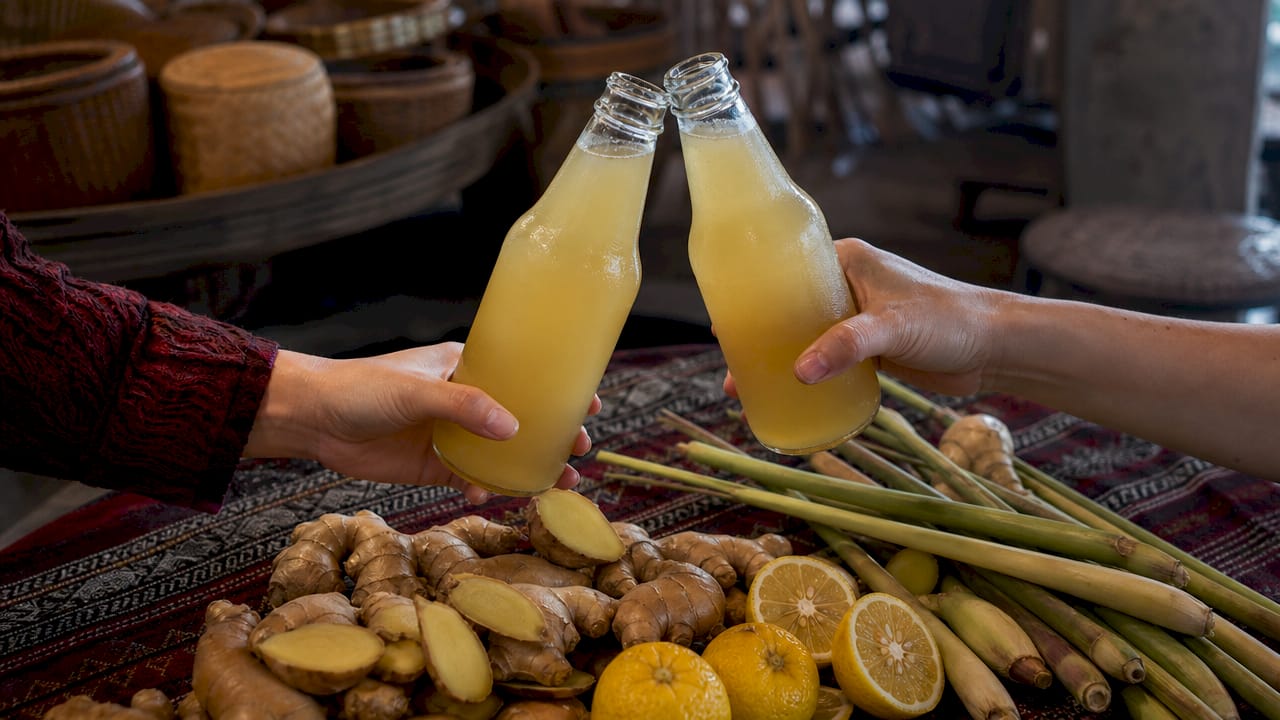
Popular Asian-inspired profiles include ginger-lemongrass, yuzu-blossom, mango-cardamom, tamarind-cumin, and kokum with black salt. These combinations are not random. Each one balances a dominant flavor note against kombucha’s natural acidity to create something that feels complete rather than sharp.
| Flavor Profile | Primary Notes | Best For |
|---|---|---|
| Ginger-Lemongrass | Spicy, citrusy, refreshing | Digestive support, warm climates |
| Yuzu-Blossom | Tart, floral, bright | Light meals, afternoon sipping |
| Mango-Cardamom | Sweet, warm, aromatic | Dessert pairing, summer drinks |
| Tamarind-Cumin | Tangy, earthy, savory | Spice lovers, food pairing |
| Kokum with Black Salt | Sour, mineral, cooling | Hydration, South Asian palates |
For second fermentation, 10–50 ml of fruit puree or juice concentrate per 200–240 ml of kombucha delivers the right balance. Going above that range risks overpowering the probiotic base and creating off-flavors.
Pro Tip: Start with 15 ml of fruit concentrate per 240 ml of kombucha for your first batch. Taste after 24 hours of secondary fermentation before deciding whether to add more.
Seasonal preferences also shape which profiles land best. Ginger-lemongrass and kokum-salt blends perform well in warmer months because of their cooling and hydrating qualities. Mango-cardamom and tamarind-cumin tend to resonate more in cooler seasons when drinkers want warmth and depth.
2. ginger-lemongrass: the benchmark blend
Ginger-lemongrass kombucha is the most recognized entry point into Asian flavor profiles for kombucha. Ginger contributes spicy pungency and digestive support, while lemongrass adds a clean citrus freshness that softens the overall sharpness.
This combination won recognition at Gambero Rosso 2024 and the World Kombucha Awards, confirming its appeal beyond niche audiences. The award-winning version uses an unpasteurized, live probiotic base with a refrigerated shelf life of about 6 months. That live culture distinction matters because it preserves the gut health benefits that make kombucha worth drinking in the first place.
Spices like ginger can act as flavor bridges for unfamiliar palates, softening kombucha’s acidity and making the drink more approachable. This is why ginger-lemongrass works so well as a gateway flavor for people new to fermented beverages.
3. yuzu blossom: floral citrus at its best
Yuzu blossom kombucha delivers a tart, citrus-floral profile with aromas of orange blossom and jasmine. The HK Brewing Collective produces a version made with premium yuzu juice and organic green tea that has become a reference point for this style.
Yuzu is not a simple citrus substitute. Its aroma is more complex than lemon or lime, carrying floral and herbal undertones that pair naturally with green tea bases. The result is a kombucha that feels bright and sophisticated without being aggressive.
Modern Asian cafés blend yuzu alongside pandan and plum not just for flavor but for cultural resonance and visual appeal. That emotional connection to ingredient heritage is part of what makes yuzu blossom kombucha feel meaningful rather than just trendy. Aboocha’s Yuzu Osmanthus takes this concept further by pairing yuzu with osmanthus flowers, adding a honey-like floral depth that distinguishes it from standard citrus blends.
4. tamarind-cumin: the savory surprise
Tamarind-cumin kombucha is the most unexpected entry on this list, and it is also one of the most rewarding. Tamarind delivers a sweet-sour balance that mirrors kombucha’s natural tang, while cumin adds an earthy, slightly smoky note that grounds the whole drink.
This combination draws from Indian culinary tradition, specifically the jaljeera flavor profile, which is a spiced lemon-cumin water used for digestion and cooling. Translating that into kombucha creates a savory-leaning beverage that pairs exceptionally well with food. Check out Aboocha’s guide to kombucha and food pairings for specific meal combinations that work with this profile.
The key ratio challenge with tamarind is concentration. Tamarind paste is dense and intensely flavored. Using more than 10 ml per 240 ml of kombucha will overwhelm the base. Start low and build up over successive batches.
5. mango-cardamom: tropical warmth
Mango-cardamom is the most approachable exotic fruit kombucha on this list for Western palates. Mango provides sweetness and body, while cardamom adds a warm, slightly floral spice note that keeps the blend from tasting like simple fruit juice.
This profile connects to South Asian lassi and mango-spice traditions, where cardamom is a standard pairing with ripe mango. In kombucha, the fermentation process tempers the mango’s sweetness, so the cardamom has more room to express itself. The result is a drink that feels layered rather than one-dimensional.
Concentrated fruit and syrup bases like mango puree add instant flavor and connect traditional fermentation with modern taste preferences. For best results, use ripe Alphonso or Ataulfo mango puree rather than generic mango concentrate, since the aromatic compounds in these varieties hold up better through secondary fermentation.
6. pandan: the vanilla of southeast asia
Pandan is one of the most underused ingredients in Western kombucha brewing, yet it is a staple across Thai, Malaysian, and Indonesian beverage traditions. Its flavor is often described as a cross between vanilla and fresh grass, with a subtle nuttiness that adds depth without sweetness.
Asian-inspired drinks featuring pandan emphasize function alongside flavor, with ingredients selected for hydration and recovery benefits. Pandan contains antioxidants and has been used traditionally to support blood sugar balance. In kombucha, it contributes a soft, aromatic quality that makes the drink feel grounding rather than sharp.
Fresh pandan leaves steeped during primary fermentation produce the cleanest flavor. Pandan extract works for secondary fermentation but can introduce an artificial note if overused. Use no more than 2–3 drops of extract per 240 ml of kombucha.
7. kokum with black salt: the cooling hydrator
Kokum is a deep purple fruit native to coastal India, known for its intensely sour and slightly sweet flavor. Combined with black salt, which carries a sulfurous, mineral edge, this pairing creates a kombucha that functions almost like a sports drink in terms of electrolyte replenishment.
Asian-inspired drinks emphasize hydration and recovery using ingredients like barley, pandan, and salted citrus. Kokum with black salt fits directly into this functional beverage tradition. The mineral quality of black salt also enhances the perception of other flavors in the drink, making the sour notes from both the kokum and the kombucha base taste more complex.
This is one of the most regionally specific profiles on this list. Sourcing kokum outside of South Asian grocery stores can be challenging, but dried kokum rinds are widely available online and produce a concentrated, shelf-stable flavoring agent.
8. korean plum: sweet, tart, and deeply aromatic
Korean plum syrup, known commercially as maesil-cheong, is a fermented plum concentrate that adds immediate depth to kombucha. Its flavor sits between apricot, green plum, and honey, with a tartness that complements rather than competes with kombucha’s acidity.
Korean plum and yuzu concentrates are among the modern Asian beverage trends that bridge traditional fermentation with contemporary taste preferences. Using 1/4 to 1/2 teaspoon of these concentrated syrups can significantly alter a kombucha’s flavor profile. That small quantity delivers outsized impact, which makes Korean plum one of the most efficient flavoring agents available to home brewers.
Aboocha’s Sour Plum kombucha applies this principle directly, using plum as the primary flavor driver to create a tart, aromatic drink that supports gut health without excess sugar.
9. lychee-rose: floral and delicate
Lychee-rose is the most visually and aromatically striking profile in this collection. Lychee brings a sweet, perfumed fruitiness, while rose water adds a floral complexity that elevates the combination into something that feels almost like a craft cocktail.
This pairing is popular in modern Asian cafés, where traditional ingredients connect consumers emotionally through cultural memory and sensory appeal. Rose water is common in Persian, Indian, and Chinese culinary traditions, giving this blend a genuinely pan-Asian character. The challenge is restraint. Rose water is potent. More than 1–2 ml per 240 ml of kombucha will make the drink taste like soap rather than flowers.
For a more grounded version, pair lychee with a black tea kombucha base rather than green tea. The tannins in black tea balance lychee’s sweetness and prevent the rose from dominating.
10. how to brew asian-inspired kombucha at home
Home brewing Asian-inspired kombucha requires controlled secondary fermentation and a disciplined approach to ingredient quantities. The secondary fermentation process is where flavor develops, and using natural syrups like date or fig can deepen complexity without introducing off-flavors or over-carbonation.
Follow these steps for a reliable first batch:
- Complete primary fermentation with white sugar and your chosen tea base. White sugar produces a consistent, neutral base that lets secondary flavors shine.
- Transfer kombucha to swing-top bottles, leaving 1–2 inches of headspace.
- Add your chosen Asian flavoring at the lower end of the recommended range. Start with 10–15 ml of fruit puree or 1/4 teaspoon of spice per 240 ml.
- Seal bottles and ferment at room temperature for 24–48 hours.
- Burp bottles every 12 hours to check carbonation and prevent over-pressurization.
- Taste before sealing for final refrigeration. Adjust sweetness or spice in your next batch based on what you find.
Potent spices and fruit pastes should follow a “less is more” approach to avoid overwhelming kombucha’s probiotic base. Overuse of concentrated ingredients is the single most common mistake home brewers make with these profiles. You can always add more in the next batch. You cannot remove what you have already added.
Pro Tip: Freeze fresh ginger, lemongrass, or pandan in ice cube trays with a small amount of water. Add one cube per bottle during secondary fermentation for precise, consistent flavoring every time.
For beginner-friendly starting points, explore fermented beverage flavor combinations that work reliably before moving to more complex profiles like tamarind-cumin or kokum-salt.
Key takeaways
Asian-inspired kombucha flavors succeed when traditional ingredients are added in controlled quantities during secondary fermentation to complement, not overpower, the probiotic base.
| Point | Details |
|---|---|
| Start with proven profiles | Ginger-lemongrass and yuzu blossom are the most accessible entry points for new brewers. |
| Control ingredient quantities | Use 10–50 ml of fruit puree or 1/4–1/2 teaspoon of spice per 240 ml of kombucha. |
| Layer for complexity | Balance tea base, sweetness, texture, and a signature flavor note for a complete sensory experience. |
| Source quality ingredients | Fresh pandan, premium yuzu juice, and ripe mango puree produce noticeably better results than generic extracts. |
| Taste during fermentation | Burp and taste every 12 hours during secondary fermentation to catch over-carbonation early. |
Why these flavors matter more than you think
I have tasted a lot of kombucha. Most of it is fine. Some of it is genuinely good. But the batches that stay with me are always the ones where someone made a real cultural decision, not just a flavor decision.
Ginger-lemongrass is not just a pleasant combination. It is a direct reference to the way Southeast Asian cooking uses those two ingredients together to create something that is simultaneously warming and cooling. When that logic transfers into kombucha, the drink carries meaning. It tastes like it comes from somewhere.
What I find most interesting about the five-layer sensory framework used in Asian beverage craft is how it forces you to think about texture alongside flavor. Most Western kombucha brewers think about taste and carbonation. Asian beverage traditions add temperature, mouthfeel, and identity as deliberate design choices. That fifth layer, identity, is what separates a memorable drink from a forgettable one.
My honest recommendation is to start with yuzu or Korean plum if you want immediate results. Both are forgiving, widely available in concentrate form, and produce drinks that impress people who have never thought much about kombucha. Once you are comfortable with those, move to pandan or kokum. Those are the profiles that will genuinely surprise you.
The tropical fruit beverage trend is real, but the most interesting territory is not tropical fruit alone. It is tropical fruit combined with spice, salt, or floral notes in the way Asian culinary traditions have always done it. That is where the genuinely new experiences are.
— Luna
Discover aboocha’s asian-inspired kombucha collection
Aboocha was built around exactly the flavor philosophy this article describes: traditional Asian ingredients, lower sugar content, and a probiotic base that actually supports gut health.
Aboocha’s Sour Plum and Yuzu Osmanthus kombuchas are direct expressions of the profiles covered here. Both are crafted with quality ingredients and designed for drinkers who want flavor depth without the sugar load of conventional kombucha. If you are ready to move beyond standard ginger or berry blends, explore Aboocha’s full range and find the Asian-inspired profile that fits your palate. Subscription plans make it easy to keep your favorites stocked without reordering every week.
FAQ
What ingredients define asian-inspired kombucha flavors?
Asian-inspired kombucha flavors use traditional regional ingredients like ginger, lemongrass, yuzu, tamarind, pandan, and kokum to create spicy, floral, tangy, or earthy profiles. These ingredients balance kombucha’s natural acidity while adding functional health benefits.
How much fruit or spice should i add to kombucha?
Use 10–50 ml of fruit puree or juice concentrate per 200–240 ml of kombucha, and no more than 1/4 to 1/2 teaspoon of concentrated spices or salts. Starting at the lower end prevents over-flavoring and gives you room to adjust in future batches.
Which asian-inspired kombucha flavor is best for beginners?
Ginger-lemongrass is the most beginner-friendly profile because ginger softens kombucha’s acidity and makes the drink approachable for unfamiliar palates. Yuzu-citrus blends are a close second for their bright, clean flavor.
Are asian-inspired kombucha flavors good for gut health?
Yes. Award-winning versions like ginger-lemongrass kombucha use unpasteurized, live probiotic bases that preserve gut health benefits. Functional ingredients like ginger, pandan, and kokum add additional digestive and hydration support beyond the base culture.
What makes yuzu different from other citrus in kombucha?
Yuzu carries floral and herbal undertones that lemon and lime do not, producing a more complex aroma profile. Yuzu blossom kombucha made with premium yuzu juice and organic green tea delivers tart, citrus-floral notes with aromas of orange blossom and jasmine.