
A fermented beverage flavor combinations list is the single most practical tool a home brewer can own, mapping ingredients to fermentation stages so every batch delivers consistent aroma, carbonation, and taste. The craft of flavoring kombucha, ginger bug sodas, and other fermented drinks is called secondary fermentation flavoring in the industry. Getting it right means knowing which fruits, herbs, spices, and tea bases belong together and exactly when to add them. This guide draws on guidance from Tiantai, InstaCuppa, BeverageDaily, and Fermenting for Foodies to give you precise recipes, sensory notes, and stage-specific timing you can use today.
1. Fermented beverage flavor combinations list: start here
The foundation of every great flavor combination is the base beverage itself. Base tea type shapes the entire flavor direction before a single fruit or spice is added. Green tea kombucha reads fresher and more vegetal, oolong turns floral and fruity, while black and pu-erh teas produce heavier, earthier profiles. That means a floral ingredient like hibiscus lands differently on a green tea base than on a pu-erh base.
Primary fermentation is where your SCOBY does its work with tea and sugar only. Secondary fermentation is where all the flavor action happens. Adding fruits, herbs, or spices during primary fermentation risks disrupting microbial balance and muddying the flavor. Keeping primary fermentation clean and reserving all high-aroma additions for secondary fermentation is the single most important rule in this craft.
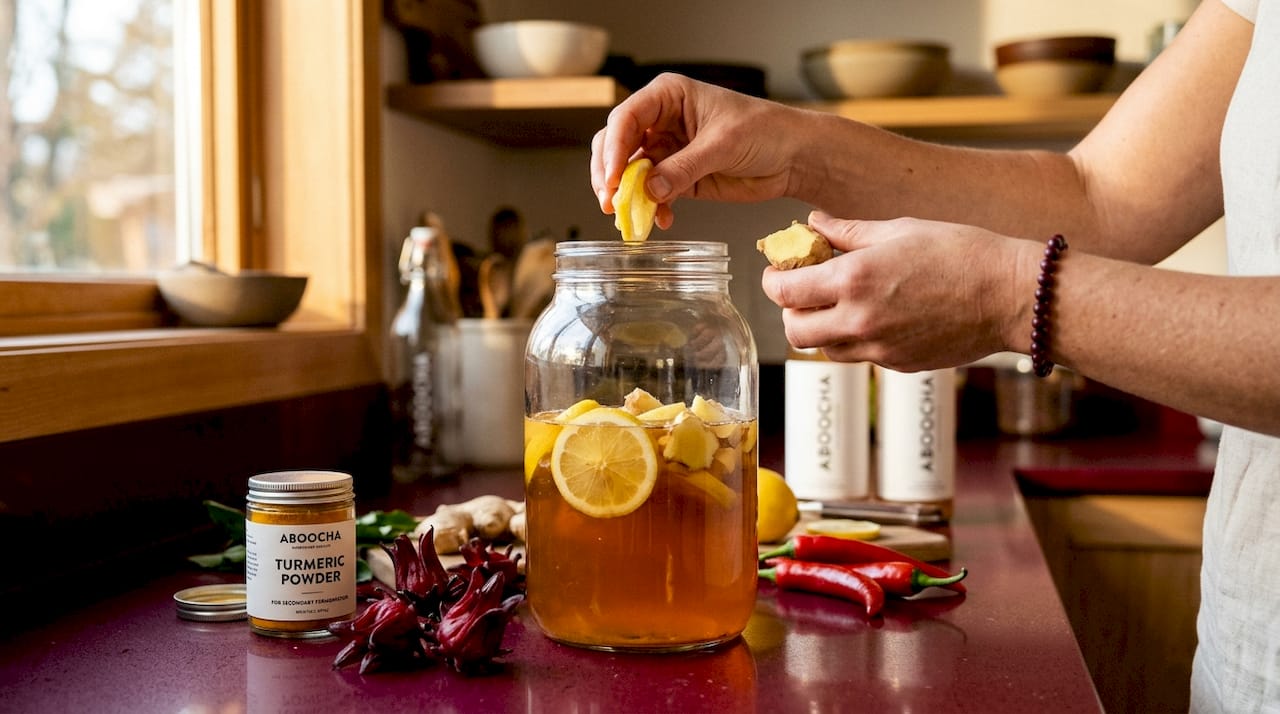
Pro Tip: Match your add-in ingredients to your base tea. Citrus and ginger pair naturally with green tea’s brightness. Warming spices like cinnamon and clove suit the depth of black tea far better.
Here is a quick reference for base tea and flavor direction:
- Green tea: citrus, mint, cucumber, light stone fruits
- Oolong tea: stone fruits, rose, lychee, jasmine
- Black tea: ginger, cinnamon, berry, vanilla
- Pu-erh tea: dark cherry, cardamom, dried fruit, earthy mushroom
2. Ginger lemon
Ginger lemon is the most popular kombucha flavor combination for good reason. The sharpness of fresh ginger and the brightness of lemon juice create a two-note profile that amplifies the natural tartness of kombucha without overwhelming it. Per 250 ml bottle, use 1 teaspoon of fresh grated ginger and 2 teaspoons of fresh lemon juice. Carbonation builds quickly with this combination, so check bottles after 24 hours.
Fruit juice adds fermentable sugars that boost carbonation alongside flavor, which is why lemon juice works so well here. The acidity from citrus also acts as a natural preservative, extending shelf life slightly. This combination works year-round but peaks in summer when you want something refreshing and sharp.
3. Mango chili
Mango chili is one of the most requested unique fermented drink flavors among culinary adventurers. Ripe mango provides a sweet, tropical body while a small amount of dried chili flakes adds a slow-building heat that finishes on the back of the palate. Use 2 tablespoons of fresh mango puree and a pinch of dried chili flakes per 250 ml bottle. The contrast between sweet and heat makes this combination genuinely complex.
The sensory role mapping here is textbook. Mango handles body and sweetness, chili contributes aromatic depth, and the kombucha base supplies the acidity that ties both together. Ingredients mapped to sensory roles produce multi-dimensional profiles rather than one-note results. Steep for 24 to 36 hours in secondary fermentation for the best balance.
4. Hibiscus rose
Hibiscus and rose is a floral pairing that works especially well on oolong or green tea bases. Dried hibiscus flowers contribute a deep ruby color and a tart cranberry-like flavor. Dried rose petals add a soft, perfumed sweetness that rounds out hibiscus’s sharpness. Use 1 teaspoon of dried hibiscus and half a teaspoon of dried rose petals per 250 ml bottle.
Steeping for 6 to 48 hours in secondary fermentation protects the volatile aromatic compounds in both hibiscus and rose, which would be destroyed by the heat of primary fermentation. The result is a kombucha with a vivid color, a floral nose, and a tart finish. This is a strong candidate for spring and early summer batches.
5. Tamarind ginger
Tamarind is an underused ingredient in fermented beverage recipes, and that is a missed opportunity. Tamarind paste delivers a concentrated sweet-sour punch that pairs naturally with ginger’s warmth. Use 1 teaspoon of tamarind paste and half a teaspoon of fresh grated ginger per 250 ml bottle. The result is a drink that tastes closer to a craft soda than a typical kombucha.
This combination works best on a black tea base, where the earthiness of the tea grounds the intensity of tamarind. The organic acids in kombucha interact with tamarind’s natural acids to create a layered tartness that is genuinely surprising. Carbonation is moderate with this pairing, making it a good choice for drinkers who prefer less fizz.
6. Yuzu osmanthus
Yuzu osmanthus is the kind of flavor combination that separates serious brewers from casual ones. Yuzu is a Japanese citrus fruit with a flavor that sits between lemon, mandarin, and grapefruit. Osmanthus is a small Chinese flower with an apricot-like sweetness. Together they create a floral citrus profile with remarkable depth. Use 1 teaspoon of yuzu juice and half a teaspoon of dried osmanthus flowers per 250 ml bottle.
Aboocha produces a Yuzu Osmanthus kombucha that demonstrates exactly how well this pairing translates from recipe to finished product. The combination is delicate, so steep for no more than 24 hours to avoid the osmanthus turning bitter. This is an autumn and winter flavor that rewards patience.
7. Strawberry basil
Strawberry basil is a classic culinary pairing that translates beautifully into kombucha. Fresh strawberries provide a bright, jammy sweetness while basil adds an herbal, slightly peppery note that keeps the flavor from reading as simple fruit juice. Use 2 tablespoons of muddled fresh strawberries and 2 to 3 fresh basil leaves per 250 ml bottle.
Pro Tip: Muddle the strawberries lightly before adding them to the bottle. This releases juice and surface sugars faster, accelerating carbonation and flavor extraction during the 24 to 48 hour secondary fermentation window.
Basil is a volatile herb, meaning its aromatic compounds dissipate quickly. Adding it during secondary fermentation rather than primary fermentation is non-negotiable for this combination. The secondary fermentation stage preserves those delicate citrus oils and herbal aromatics that would otherwise be lost.
8. Turmeric black pepper
Turmeric and black pepper is a functional flavor pairing with a long history in Ayurvedic cooking. Turmeric delivers an earthy, slightly bitter warmth while black pepper adds a sharp, spicy finish. Use half a teaspoon of fresh turmeric juice or a quarter teaspoon of turmeric powder and a small pinch of cracked black pepper per 250 ml bottle. This combination is best on a black tea base.
The pairing is also nutritionally intelligent. Black pepper contains piperine, which increases the bioavailability of curcumin in turmeric significantly. For health-conscious brewers, this is a flavor combination that delivers both sensory complexity and functional benefit. Carbonation is light with this pairing, so extend secondary fermentation to 48 hours if you prefer more fizz.
9. Ginger bug soda flavor combinations
Ginger bug sodas follow different rules than kombucha because the culture is different. The ginger bug is a wild yeast and bacteria culture fed on ginger and sugar, producing a lighter, more neutral base than SCOBY-fermented kombucha. Preservatives in juice stop fermentation entirely, so always use fresh, frozen, or certified preservative-free juices.
Strong ginger bug soda flavor combinations include:
- Ginger lemonade: fresh lemon juice, honey, and ginger bug starter
- Turmeric soda: fresh turmeric juice, orange juice, and a pinch of black pepper
- Iced chai soda: brewed chai tea cooled to room temperature, sweetened with brown sugar
- Watermelon mint: fresh watermelon juice and a few muddled mint leaves
- Apple cinnamon: fresh apple juice and a cinnamon stick steeped for 12 hours
Sweetness adjustment is straightforward. Use white sugar for a clean, neutral sweetness or honey for a floral note that complements fruit-forward combinations. Honey ferments more slowly than white sugar, so expect an extra 12 to 24 hours of fermentation time when using it.
10. Sour plum
Sour plum is a flavor profile rooted in East Asian culinary tradition and it is one of the most distinctive options in any fermented beverage flavor list. Dried sour plums, called hua mei in Chinese, deliver a concentrated sweet-salty-sour flavor that is unlike any Western fruit addition. Use 2 to 3 dried sour plums per 250 ml bottle, removed after 24 hours to prevent over-extraction.
Aboocha’s Sour Plum kombucha is a direct example of how this ingredient performs at a commercial scale. The flavor is polarizing in the best way. Drinkers who love it become devoted to it. On a green tea base, sour plum reads bright and sharp. On a black tea base, it reads deeper and more savory. Try both and decide which direction suits your palate.
11. Lychee ginger
Lychee and ginger is a pairing that appears frequently in Asian-inspired cocktails and translates directly into kombucha. Fresh or canned lychee (in natural juice, not syrup) provides a floral, grape-like sweetness. Ginger adds the spice note that stops lychee from reading as flat. Use 2 tablespoons of lychee juice and half a teaspoon of fresh grated ginger per 250 ml bottle.
Commercial flavored syrups like lychee syrup are a reliable shortcut here, offering consistent flavor without the variability of fresh fruit. Use 1 tablespoon of lychee syrup in place of fresh lychee juice if fresh fruit is out of season. Steep for 24 hours. This combination produces a medium carbonation level and a pale pink color when using fresh lychee.
12. Balancing flavor complexity: the three-layer rule
Every great fermented drink flavor combination follows a three-layer structure. Citrus provides brightness, fruit adds body and sweetness, and spices or herbs contribute depth and aromatic lift. A combination that uses all three layers produces a drink that evolves as you taste it. A combination that relies on only one layer produces something flat and forgettable.
Pro Tip: Build your flavor combinations in layers before adding them to the bottle. Taste the combination raw first. If it reads as too sweet, add a squeeze of citrus. If it reads as too sharp, add a small amount of honey or fruit puree. Adjust before fermentation, not after.
Timing matters as much as ingredient selection. Add delicate herbs and citrus zest at the start of secondary fermentation and remove them after 24 hours. Add harder spices like cinnamon sticks or cardamom pods and leave them for the full 48 hours. This stage-specific approach, recommended by Tiantai’s flavoring guide, produces consistent results across batches.
Key takeaways
The best fermented beverage flavor combinations map each ingredient to a sensory role, added during secondary fermentation to preserve aroma and maximize carbonation.
| Point | Details |
|---|---|
| Secondary fermentation is the flavoring stage | Add all fruits, herbs, and spices after primary fermentation to protect aromatics and microbial balance. |
| Base tea determines flavor direction | Green tea suits citrus and mint; black tea suits warming spices and berries; oolong suits floral and stone fruit pairings. |
| Use the three-layer rule | Combine citrus for brightness, fruit for body, and spice or herbs for depth to avoid one-note results. |
| Source preservative-free juices | Preservatives in juice stop fermentation in ginger bug sodas and reduce carbonation in kombucha. |
| Steep time controls intensity | Delicate herbs need 24 hours maximum; harder spices can steep for the full 48-hour secondary fermentation window. |
Why I think most flavor guides get the order wrong
Most flavor guides for fermented drinks lead with the ingredient list. I think that is the wrong starting point. The base tea is the decision that determines everything else, and most guides bury it in a footnote.
I have watched brewers spend hours sourcing exotic fruits and rare spices, then add them to a pu-erh base that overpowers every delicate note they paid for. The tea is not a neutral carrier. It is an active flavor participant. Once I started treating the base tea as the first ingredient in the recipe rather than the last, my batches became dramatically more consistent.
The other thing most guides understate is the value of restraint. Two or three well-chosen ingredients in the right proportions outperform five or six competing flavors every time. Aboocha’s Yuzu Osmanthus is a perfect example. Two ingredients. Extraordinary depth. The culinary kombucha pairings that hold up over time are almost always the simplest ones.
Experiment freely, but keep a brewing journal. Write down the base tea, the ingredients, the ratios, the steep time, and the result. After ten batches, patterns emerge that no guide can teach you. Your palate is the final authority.
— Luna
Discover Aboocha’s flavor-forward kombucha
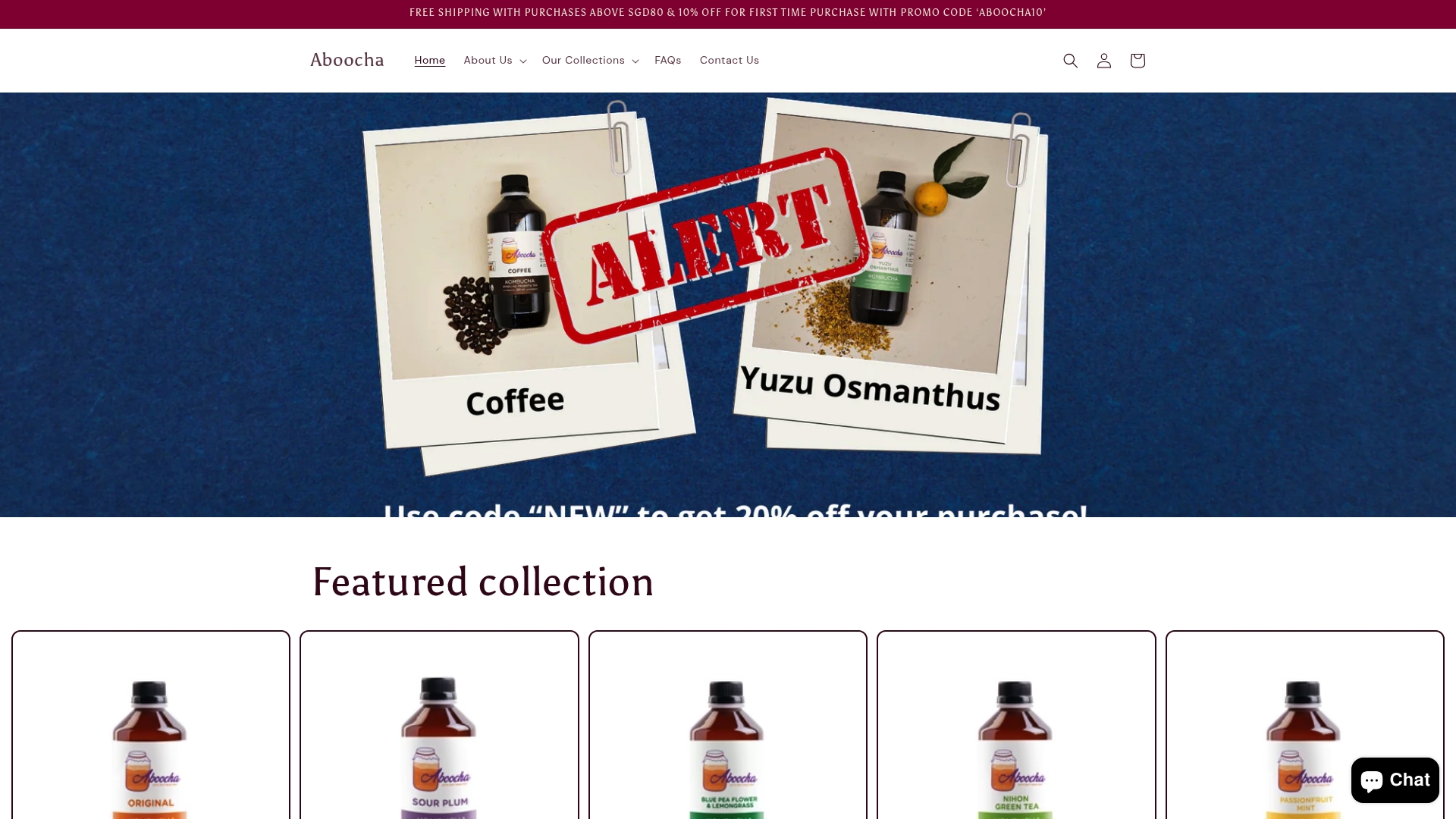
If you want to taste what a professionally crafted fermented beverage flavor combination looks like before committing to a full homebrew batch, Aboocha is the most direct path there. Aboocha’s lineup includes Sour Plum, Yuzu Osmanthus, and other flavor-forward kombuchas built on lower sugar content and precise fermentation control. Each flavor demonstrates the three-layer principle in a finished, ready-to-drink form. Browse Aboocha’s kombucha flavors and use them as a tasting reference for your own brewing experiments. A subscription plan makes it easy to rotate through the full range and identify which profiles you want to recreate at home.
FAQ
What is secondary fermentation flavoring in kombucha?
Secondary fermentation flavoring is the practice of adding fruits, herbs, or spices to bottled kombucha after the primary SCOBY fermentation is complete. This stage preserves volatile aromatics and builds carbonation simultaneously.
Why can’t I add flavor during primary fermentation?
Adding flavor ingredients during primary fermentation disrupts the SCOBY’s microbial balance and degrades delicate aromatic compounds. Tiantai’s brewing guidance recommends keeping primary fermentation clean with tea and sugar only.
How long should I steep flavor ingredients in secondary fermentation?
Steep delicate herbs and citrus for 24 hours maximum. Harder spices like cinnamon sticks or cardamom pods can steep for up to 48 hours. Longer steeping risks bitterness and over-extraction.
Can I use store-bought juice to flavor ginger bug sodas?
Only use juices labeled preservative-free. Preservatives like sodium benzoate stop fermentation entirely, producing a flat, non-carbonated soda. Fresh, frozen, or natural juices are the reliable choices.
What is the best base tea for beginners?
Black tea is the most forgiving base for beginners because its strong flavor profile masks minor fermentation inconsistencies. It pairs well with ginger, berry, and cinnamon, which are all widely available and easy to measure.