
Botanical-infused beverages are drinks enhanced with plant-derived bioactive compounds that deliver measurable health benefits including antioxidant protection, digestive relief, stress reduction, and immune support. The industry term for this category is “functional herbal beverages,” though “botanical-infused beverages” captures the same concept for everyday readers. The benefits of botanical-infused beverages come from compounds like polyphenols, terpenoids, and alkaloids found in ingredients such as ginger, peppermint, ashwagandha, chamomile, and elderflower. These compounds work through a process called dietary hormesis, meaning regular, moderate consumption produces stronger protective effects than occasional large doses. Understanding this mechanism changes how you think about these drinks: they are daily tools, not quick fixes.
1. What are botanical-infused beverages?
Botanical-infused beverages are drinks that contain extracts or infusions from plant materials beyond standard tea leaves or fruit. The term “botanical” covers herbs, roots, bark, seeds, and flowers valued for both medicinal and sensory properties. That definition is broader than most people expect. A ginger root decoction, a hibiscus flower tisane, and an ashwagandha adaptogen drink all qualify.
Common botanicals used in these drinks include:
- Ginger root: Warming, spicy, and well-documented for digestive comfort
- Peppermint: Cooling, aromatic, and effective for nausea and bloating
- Chamomile: Floral, mild, and widely used for relaxation and sleep support
- Elderflower: Delicate, lightly sweet, and rich in antioxidant flavonoids
- Echinacea: Earthy and slightly bitter, associated with immune support
- Ashwagandha: Mildly earthy, used as an adaptogen for stress and cognitive health
- Hibiscus: Tart and vibrant, with strong antioxidant and cardiovascular associations
Each botanical contributes both a flavor profile and a functional benefit. That dual role is what makes botanical beverages more interesting than standard flavored drinks. The plant does two jobs at once.
Pro Tip: When choosing a botanical drink, look at the plant part listed on the label. Roots and bark deliver more intense flavor and stronger bioactives than flower or leaf infusions.

2. Benefits of botanical-infused beverages: antioxidants and inflammation
The core health case for botanical drinks rests on their bioactive compounds. Polyphenols, terpenoids, and alkaloids in botanicals promote antioxidant activity, reduce inflammation, and support cardiometabolic health through dietary hormesis. Dietary hormesis means a low, repeated dose triggers a mild stress response in your cells. That response activates protective pathways including Nrf2–ARE, AMPK, and autophagy, which build long-term cellular resilience.
The practical implication is clear: one cup of hibiscus tea does less than a daily habit of three weeks. Consistency is the mechanism.
| Botanical | Key Compound | Primary Health Effect |
|---|---|---|
| Green tea | EGCG (catechin polyphenol) | Antioxidant, neuroprotection |
| Hibiscus | Anthocyanins | Cardiovascular support, blood pressure |
| Elderflower | Flavonoids | Immune support, oxidative stress reduction |
| Chamomile | Apigenin | Anti-inflammatory, sleep and relaxation |
| Ginger | Gingerols, shogaols | Anti-inflammatory, digestive comfort |
Chamomile, hibiscus, and olive leaf each show antioxidant properties that support cardiovascular and immune health in clinical and population studies. These are not fringe claims. They appear consistently across multiple research compilations.
Pro Tip: Pair a hibiscus or elderflower drink with a meal high in processed fats. The antioxidant load from the drink helps counteract the oxidative burden from the food.
3. Digestive and gut health advantages
Botanical drinks offer some of their most practical benefits in the digestive system. Ginger and peppermint are frequently recommended in current medical guidance for easing nausea and promoting digestive comfort naturally. Both work quickly, which makes them useful before or after meals.
Key digestive benefits from botanical infusions include:
- Bloating relief: Peppermint relaxes smooth muscle in the gut wall, reducing gas pressure
- Nausea reduction: Ginger’s gingerols interfere with serotonin receptors that trigger nausea
- Heartburn support: Chamomile and licorice root reduce stomach acid irritation
- Microbial balance: Fermented botanical beverages introduce beneficial bacteria alongside plant bioactives
Hydration is an underrated factor here. Most botanical infusions are calorie-free or very low in calories, which means you get the functional benefit without the sugar load that disrupts gut bacteria. Replacing a sugary soda with a ginger or peppermint infusion removes a gut irritant and adds a gut soother in the same swap.
Fermented botanical drinks add another layer. Fermented drinks and gut health research shows that combining live cultures with plant bioactives creates a complementary effect: the probiotics populate the gut while the botanicals reduce inflammation in the gut lining.
4. Mood, stress reduction, and relaxation benefits
Botanical beverages have moved well beyond physical health. Consumer demand for “mood beverages” has grown substantially, with ingredients like ashwagandha widely used for stress relief, immunity, and cognitive health. The shift reflects a broader change in how people approach wellness: less reactive, more proactive.
Botanicals driving this trend include:
- Ashwagandha: An adaptogen that lowers cortisol levels with consistent use
- Chamomile: Contains apigenin, which binds to GABA receptors and promotes calm
- Lavender: Aromatic compounds reduce anxiety and improve sleep onset
- Lemon balm: Mild sedative effect, often blended with chamomile for evening drinks
- Passionflower: Supports sleep quality and reduces nervous tension
“The ‘mood beverage’ trend moves consumers from reactive stress relief toward daily proactive wellness routines incorporating botanical drinks. These are not emergency remedies. They are daily habits that build resilience over time.”
The cortisol-conscious consumer is the defining persona of this trend. People who feel chronically stressed are not looking for a pharmaceutical solution. They want something they can drink every morning or evening that supports their nervous system without side effects. Botanical mood beverages fill that gap precisely.
Aboocha’s approach to flavor-forward kombucha fits naturally into this space. A drink that tastes genuinely good is far easier to consume daily than one you force down for health reasons alone.
5. Flavor diversity and the sensory experience
The flavor case for botanical beverages is as strong as the health case. Botanicals bring bitterness, earthiness, and aromatic complexity that balance sweeter beverage profiles, making drinks more palatable and interesting. That complexity is what separates a well-crafted botanical drink from a flavored sugar water.
Different botanicals create distinct sensory experiences:
- Elderflower: Light, floral, and slightly honeyed. Pairs well with citrus
- Ginger: Sharp, warming, and spicy. Cuts through sweetness effectively
- Echinacea: Earthy and slightly tingly on the tongue, adding depth to blends
- Hibiscus: Tart and fruity, with a deep red color that signals antioxidant density
- Peppermint: Cool and clean, refreshing in both hot and cold formats
Infusion timing shapes the flavor outcome significantly. Leaves and flowers need gentle steeping while roots, seeds, and bark require longer infusion or simmering to release their therapeutic bioactives properly. Over-steeping flowers creates bitterness. Under-simmering roots leaves the functional compounds locked in the plant material.
For readers who want to explore the full range of what botanicals can do to a drink’s flavor, the 2026 tasting guide on exotic beverage flavor profiles covers pairings and sensory frameworks in depth.
Pro Tip: If a botanical drink tastes too bitter, the steeping time was too long or the water was too hot. Try cold-brewing flowers and leaves overnight for a smoother, more nuanced flavor.
6. Immunity and nutritional value of botanical teas
The nutritional value of botanical teas extends beyond vitamins and minerals. The real nutritional story is in the phytochemical density. Elderflower provides flavonoids that support immune cell activity. Echinacea stimulates white blood cell production. Hibiscus delivers anthocyanins that protect blood vessel walls.
These are not equivalent to pharmaceutical doses of immune supplements. The mechanism is gentler and cumulative. Botanical beverages work best as proactive tools for daily wellness rather than acute remedies, requiring regular low-dose exposure for benefits to accumulate. Think of it as training your immune system rather than treating a symptom.
The calorie-free or very low-calorie nature of most botanical infusions also matters nutritionally. You get a dense phytochemical payload with minimal metabolic cost. That ratio is hard to match with most food sources.
7. How infusion methods affect health outcomes
The way you prepare a botanical drink determines how much of the bioactive compound you actually consume. Temperature and time are the two critical variables. Expert infusion practice prioritizes both to extract desired compounds without creating excessive bitterness.
Roots like ginger and turmeric release gingerols and curcuminoids most effectively at a rolling simmer for 10–15 minutes. Delicate flowers like chamomile and elderflower release apigenin and flavonoids best at 90–95°C for 4–5 minutes. Bark and seeds, such as cinnamon and fennel, fall between these two extremes.
Cold infusion is a third method that extracts different compound ratios than hot brewing. Cold-brewed hibiscus, for example, produces a smoother, less acidic drink with a different anthocyanin profile than hot-brewed hibiscus. Neither is superior. They are different tools for different goals.
Key takeaways
Botanical-infused beverages deliver their strongest health benefits through consistent daily consumption of polyphenol-rich plant compounds that activate protective cellular pathways over time.
| Point | Details |
|---|---|
| Consistency drives results | Dietary hormesis requires regular, moderate intake to activate antioxidant and anti-inflammatory pathways. |
| Botanicals cover more than flowers | Roots, bark, seeds, and herbs each contribute distinct bioactives and flavor profiles. |
| Digestive benefits are immediate | Ginger and peppermint provide fast-acting nausea and bloating relief with each serving. |
| Mood support is cumulative | Adaptogens like ashwagandha lower cortisol with consistent use, not single doses. |
| Infusion method shapes outcomes | Temperature and steeping time determine which bioactive compounds you actually extract. |
Why I think most people are drinking botanical beverages wrong
The biggest mistake I see is treating botanical drinks as occasional treats rather than daily habits. Someone buys a beautiful elderflower sparkling water for a dinner party, enjoys it, and then goes back to coffee and soda for the next three weeks. That pattern produces zero functional benefit. The hormetic mechanism requires repetition.
The second mistake is chasing novelty over consistency. The beverage market in 2026 is full of exotic botanical blends, and the temptation is to try everything. That is fine for flavor exploration, but if you want the stress-reducing benefits of ashwagandha or the digestive comfort of ginger, you need to drink them regularly, not rotate them out every week.
My honest recommendation is to anchor one or two botanicals into your daily routine and treat everything else as flavor exploration. Pick a morning botanical that supports your energy and focus, and an evening botanical that supports relaxation. Build the habit first. Then expand your palate.
Flavor matters more than most wellness content admits. If you hate the taste of a drink, you will not consume it consistently, and consistency is the entire mechanism. This is why Aboocha’s approach to flavor-forward botanical beverages makes practical sense. A drink you genuinely look forward to is a drink you will actually finish.
— Luna
Aboocha: botanical beverages worth drinking every day
Aboocha crafts kombucha beverages that take botanical flavor seriously. Flavors like Sour Plum and Yuzu Osmanthus are not gimmicks. They reflect the same principle this article covers: botanicals contribute complexity, depth, and function that plain drinks cannot match.
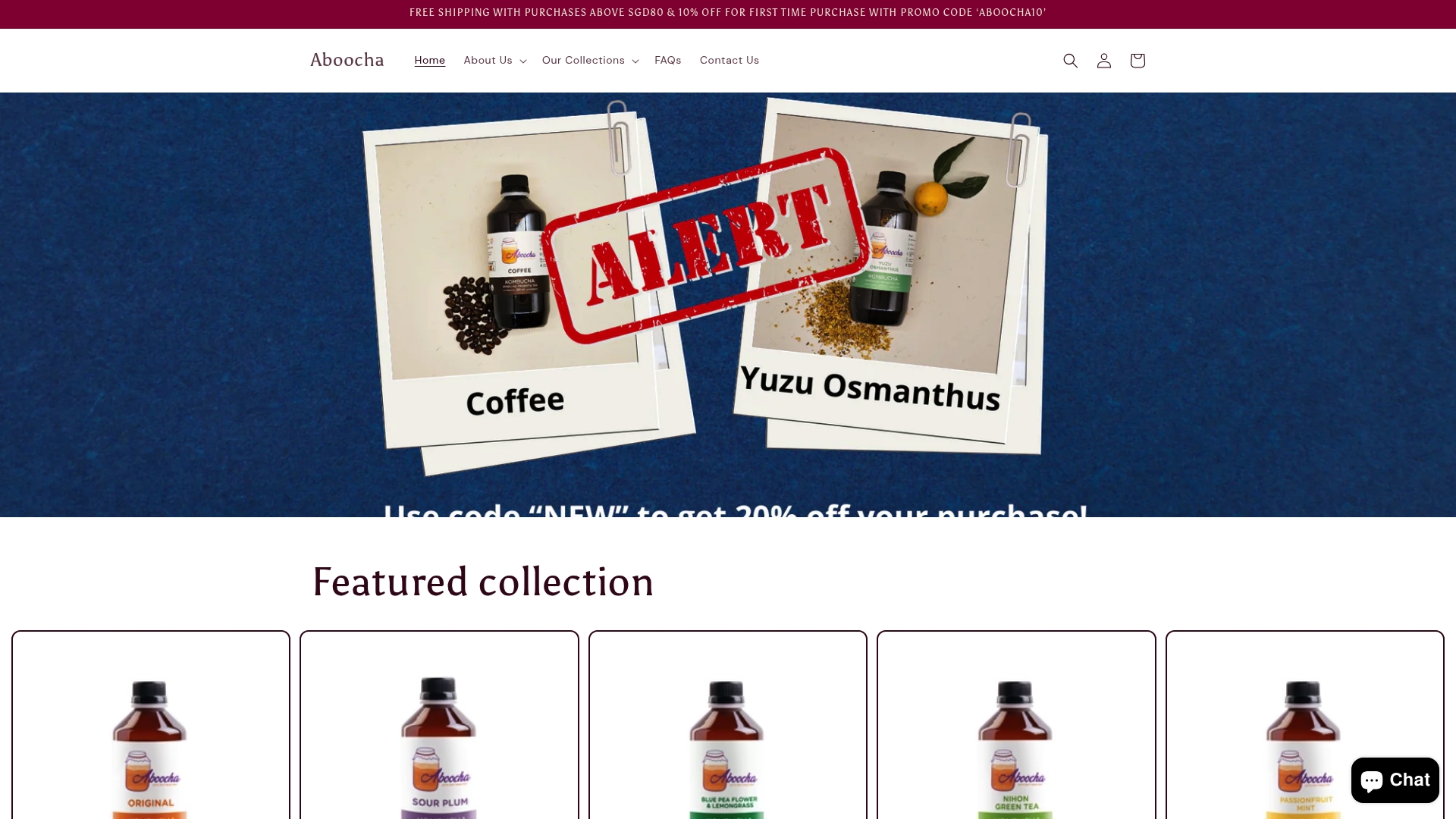
Aboocha keeps sugar content low so the botanical character comes through clearly, and so your gut gets the benefit without the sugar disruption. Every blend is designed for daily consumption, which aligns directly with how botanical health benefits actually work. If you want to put the science in this article into practice, explore Aboocha’s range and find the flavor that fits your routine. The current beverage trends page also covers what is driving the botanical drink movement in 2026.
FAQ
What are botanical-infused beverages?
Botanical-infused beverages are drinks containing extracts or infusions from plant materials including herbs, roots, bark, seeds, and flowers, valued for both health benefits and complex flavor profiles.
Are botanical drinks actually healthy?
Yes. Botanical drinks contain polyphenols, terpenoids, and alkaloids that support antioxidant activity, reduce inflammation, and promote digestive and cardiovascular health through regular consumption.
How often should you drink botanical beverages to see benefits?
Daily consumption is the most effective approach. Botanical health effects work through dietary hormesis, which requires consistent, moderate intake to activate protective cellular pathways.
What is the best botanical drink for digestion?
Ginger and peppermint infusions are the most clinically supported options for digestive comfort, easing nausea, bloating, and heartburn with each serving.
Do botanical beverages help with stress and mood?
Adaptogens like ashwagandha and calming botanicals like chamomile support stress reduction and relaxation, but their mood benefits build over weeks of consistent daily use rather than a single serving.