
Fermented drinks are probiotic-rich beverages produced through microbial fermentation that directly improve gut health by enhancing digestion, diversifying gut microbiota, and strengthening immune function. The standard scientific term for this category is “fermented probiotic beverages,” though the broader phrase covers everything from kombucha and kefir to water kefir and fermented vegetable juices. Research confirms that habitual fermented food intake increases the abundance of beneficial bacteria like Lactobacillus and Ruminococcus. For anyone looking to improve gut health naturally, understanding which drinks work, how they work, and how to use them makes all the difference.
1. How fermented drinks support digestion and gut microbiota
Fermented drinks deliver live microorganisms directly to the digestive tract, where they interact with the existing microbial community. These introduced bacteria do not permanently colonize the gut. Instead, they modulate the environment by competing with harmful microbes, producing metabolites, and stimulating the immune system during their transit.
One of the most significant mechanisms involves short-chain fatty acids (SCFAs). During fermentation, bacteria break down carbohydrates and produce SCFAs like butyrate, acetate, and propionate. These compounds feed colonocytes (the cells lining the colon), reinforce the gut barrier, and reduce inflammation. Fermented foods enhance intestinal barrier integrity and improve metabolic health through gut-liver axis modulation, including SCFA production and cytokine regulation.

Beyond probiotics, fermented beverages generate metabiotics: bioactive compounds including organic acids, peptides, and enzymes. Metabiotics from fermented drinks support gut-brain axis communication and immune modulation, meaning the benefits extend well past digestion alone.
Key mechanisms at work:
- Microbiota modulation: Introduced bacteria shift the balance toward beneficial species
- SCFA production: Butyrate and acetate feed gut lining cells and reduce inflammation
- Immune activation: Probiotic transit stimulates mucosal immune responses
- Gut barrier support: Fermentation metabolites tighten intestinal junctions, reducing permeability
Pro Tip: Because probiotic benefits are temporary, consistency matters more than quantity. A small serving daily outperforms a large serving once a week.
2. Kombucha: antioxidant-rich and widely studied
Kombucha is a fermented tea produced by a symbiotic culture of bacteria and yeast (SCOBY). It is one of the most researched fermented beverages for gut health, and its metabolite profile sets it apart from other options. Kombucha fermentation yields antioxidant, anti-inflammatory, antimicrobial, antidiabetic, and anticancer bioactive compounds, though most evidence currently comes from preclinical studies.
The organic acids in kombucha, particularly acetic acid and gluconic acid, create an acidic environment that inhibits pathogenic bacteria while supporting beneficial species. Aboocha’s kombucha takes this further by keeping sugar content low, which matters because excess sugar can feed the wrong microbes. Flavors like Sour Plum and Yuzu Osmanthus deliver these benefits without the sugar load found in many commercial alternatives. You can read more about how kombucha acids support digestion and metabolic function.
3. Dairy kefir: the most clinically validated option
Dairy kefir is a fermented milk drink containing up to 61 strains of bacteria and yeast, making it one of the most microbiologically complex fermented beverages available. Clinical research consistently links dairy kefir to immunomodulation, reduced allergy response, and improved lactose digestion. People who are lactose intolerant often tolerate kefir better than regular milk because the fermentation process breaks down a significant portion of the lactose.
Dairy kefir also contains kefiran, a polysaccharide produced by Lactobacillus kefiranofaciens, which has demonstrated anti-inflammatory and gut-protective properties in animal studies. For individuals dealing with constipation or irregular bowel movements, probiotic drinks improved bowel frequency and increased beneficial bacteria after 12 weeks of consistent consumption. That timeline is worth noting: meaningful gut changes take weeks, not days.
4. Water kefir: the plant-based probiotic powerhouse
Water kefir is produced by fermenting sugar water or fruit juice with water kefir grains, making it entirely dairy-free and suitable for vegan diets. It delivers a distinct microbial profile compared to dairy kefir, with strains like Lactobacillus hilgardii and Leuconostoc mesenteroides dominating the culture. Daily water kefir consumption increases Bifidobacterium and Prevotella abundance, two bacterial genera strongly associated with digestive regularity and immune health.
Water kefir is also lower in calories and naturally carbonated, making it an accessible entry point for people new to fermented beverages. Its lighter flavor profile means it pairs well with meals without overwhelming the palate. For a broader look at probiotic-rich beverage options, water kefir belongs in any serious gut health rotation.
5. Fermented vegetable juices: live cultures and digestive enzymes
Fermented vegetable juices, including beet kvass and lacto-fermented cabbage juice, are produced through lactic acid fermentation without any added starter culture. The naturally occurring bacteria on the vegetables, primarily Lactobacillus species, drive the process. These drinks are rich in live cultures, digestive enzymes, and organic acids that support stomach acid production and nutrient absorption.
Beet kvass, a traditional Eastern European fermented drink, contains betaine, which supports liver function and bile production. Lacto-fermented cabbage juice delivers glucosinolates alongside probiotics, compounds that have demonstrated protective effects on the gut lining. These drinks tend to be more sour and acquired in taste, but their microbial diversity is notable. Fermented plant foods modulate gut microbiota in ways that support both digestion and systemic inflammation reduction.
6. Fermented soybean drinks: immune and metabolic benefits
Fermented soybean beverages, derived from products like miso, natto, or tempeh-based preparations, carry a distinct bioactive profile centered on isoflavones, nattokinase, and Bacillus subtilis. These compounds contribute to metabolic health, cardiovascular support, and immune regulation. A study involving 222 Korean adults found that fermented soybean foods positively modulate gut microbiome composition, increasing microbial diversity and beneficial species abundance.
Fermented soybean drinks are less common in Western markets but are gaining traction as functional beverages. They are particularly relevant for individuals managing metabolic conditions, since the isoflavones and SCFAs produced during fermentation interact with the gut-liver axis. Fermented foods improve immune response and reduce systemic inflammation through microbiome strengthening, and soybean-based options are among the strongest candidates in this category.
7. Traditional fermented teas and regional beverages
Beyond kombucha, traditional fermented teas like pu-erh from China and Jun tea (fermented with green tea and honey) offer unique bioactive profiles shaped by their specific microbial communities and substrates. Pu-erh undergoes a post-fermentation process driven by fungi and bacteria, producing theabrownins and gallic acid, compounds with demonstrated antioxidant and lipid-lowering properties in clinical studies.
Jun tea, often called the “champagne of kombucha,” ferments at lower temperatures and produces a lighter, more floral flavor with a distinct microbial composition. These regional varieties matter because microbiome diversity is linked to better gut health outcomes. Drinking the same fermented beverage every day provides a narrower microbial input than rotating between two or three different types.
8. Potential risks and what to watch for
Fermented drinks carry real risks when produced or consumed carelessly. Homemade fermented drinks risk contamination if hygiene protocols are not followed, including sterilization of equipment and use of clean water. Pathogenic bacteria like E. coli or mold can develop in improperly managed ferments, causing illness rather than benefit.
Commercial products present a different concern. Added sugars in commercial fermented drinks can cause bloating, gas, and digestive discomfort despite their probiotic content. This is why reading labels matters. Look for products with less than 5 grams of sugar per serving and a live culture count listed on the label.
Who should exercise caution:
- Immunocompromised individuals: Live bacteria in fermented drinks can pose infection risk; consult a physician first
- People with histamine intolerance: Fermented drinks are high in histamine and may trigger headaches or skin reactions
- Those with irritable bowel syndrome (IBS): Some fermented drinks are high in FODMAPs and may worsen symptoms initially
- Pregnant individuals: Unpasteurized fermented drinks carry a small risk of harmful bacterial contamination
Pro Tip: Start with 4 ounces per day and increase gradually over two weeks. This gives your gut time to adjust without triggering gas or bloating from a sudden influx of live cultures.
9. How to build fermented drinks into your daily routine
The timing and context of consumption affects how well fermented drinks support digestion. Drinking a small serving before or with a meal primes the digestive system by stimulating stomach acid and enzyme production. Consuming fermented drinks on an empty stomach works for some people but can cause nausea in others, particularly with more acidic options like kombucha.
Practical guidelines for daily use:
- Rotate your choices: Alternate between kombucha, water kefir, and fermented vegetable juice across the week to maximize microbial diversity
- Pair with fiber-rich foods: Prebiotics from vegetables and whole grains feed the bacteria delivered by fermented drinks, amplifying the effect
- Avoid heat: Never add fermented drinks to hot beverages or cook with them. Heat kills live cultures
- Monitor your response: Track digestion, energy, and bloating for the first two weeks to identify which drinks suit your system
- Choose lower-sugar options: Products like Aboocha’s kombucha minimize the sugar drawback while preserving probiotic activity. Understanding why lower sugar matters is key to getting the most from your fermented drink habit
Key takeaways
Fermented drinks deliver measurable gut health benefits through live probiotics, SCFAs, and metabiotics, but only when consumed consistently and chosen carefully for sugar content and microbial quality.
| Point | Details |
|---|---|
| Consistency over quantity | Daily small servings outperform occasional large doses because probiotic effects are temporary. |
| Sugar content matters | Choose products with under 5g of sugar per serving to avoid negating digestive benefits. |
| Rotate drink types | Alternating between kombucha, kefir, and water kefir builds broader microbiome diversity. |
| Metabiotics extend benefits | Organic acids and peptides from fermentation support immunity and gut-brain signaling beyond probiotics alone. |
| Safety first | Immunocompromised individuals and those with histamine intolerance should consult a doctor before starting. |
What I’ve actually learned from years of tracking fermented drinks
The research on fermented drinks is genuinely exciting, but it comes with a caveat most articles skip: individual responses vary more than the studies suggest. I have seen people with chronic bloating thrive on daily water kefir and others experience worse symptoms from the same drink. The gut microbiome is personal, and what works for a clinical trial average does not guarantee it works for you.
The most consistent pattern I have observed is that people who rotate between two or three different fermented beverages report better long-term results than those who commit to one. This tracks with the science. Scientific understanding of fermented drinks’ effects on individual microbiomes is still evolving, and more randomized controlled trials are needed before clinicians can give precise dosing recommendations.
What I find underappreciated is the metabiotic angle. Most people focus on probiotic bacteria counts, but the organic acids, peptides, and enzymes produced during fermentation may matter just as much. Kombucha’s bioactive compound profile, for instance, goes well beyond its live culture count. If you want to compare how a quality kombucha stacks up against probiotic supplements, the kombucha vs. supplements comparison is worth reading before you spend money on capsules.
Start small, stay consistent, and pay attention to how your body responds over four to six weeks. That window is where the real data lives.
— Luna
Try Aboocha for gut health you can actually taste
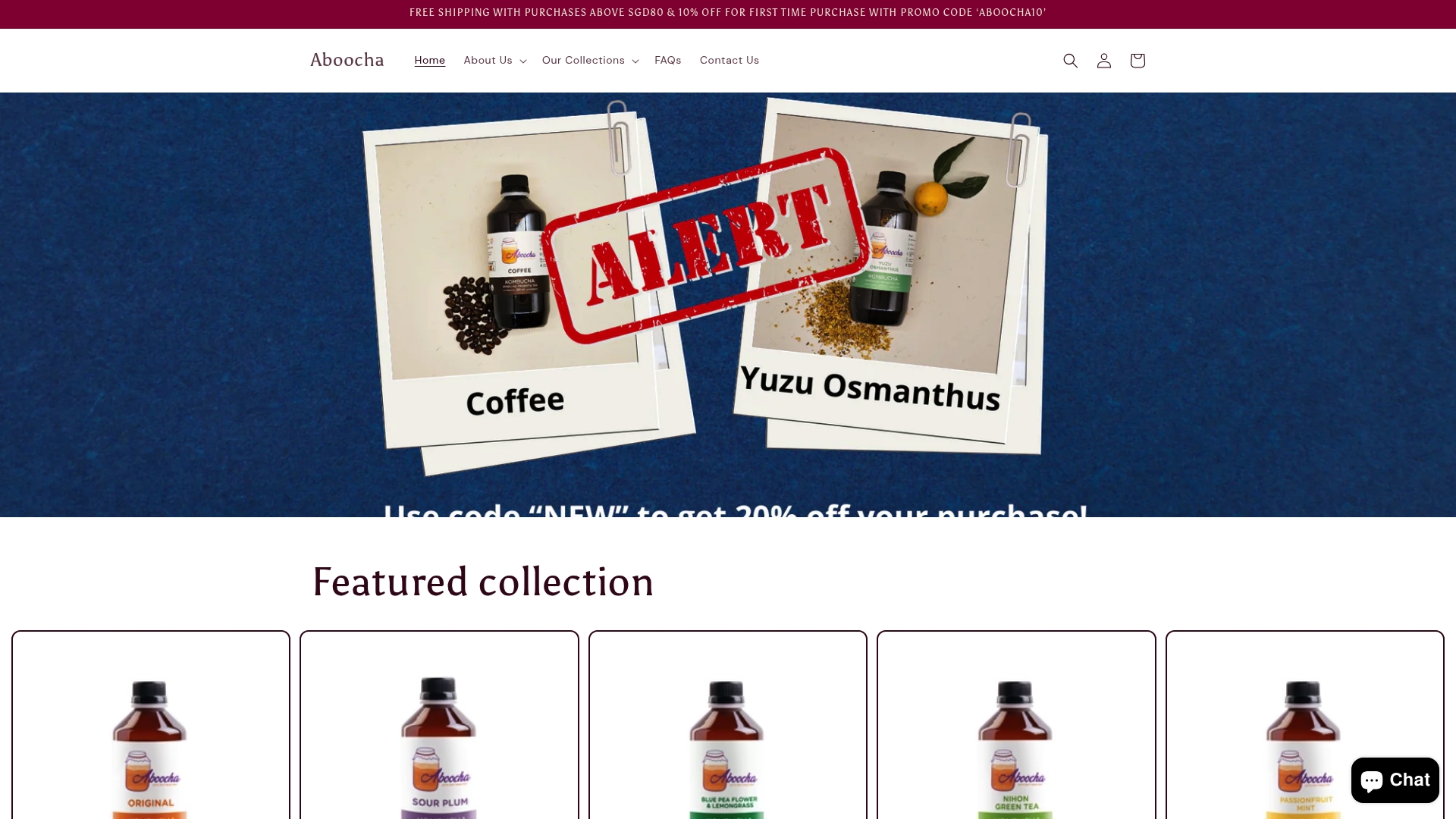
Aboocha crafts kombucha specifically for people who take gut health seriously but refuse to sacrifice flavor for function. Every batch is brewed with lower sugar content than conventional kombucha brands, which means you get the probiotic and metabiotic benefits without the digestive discomfort that high-sugar fermented drinks can cause. Flavors like Sour Plum and Yuzu Osmanthus are not just distinctive. They reflect a commitment to quality ingredients that support your microbiome. Whether you are new to fermented beverages or looking to upgrade your current routine, explore Aboocha’s kombucha range and find the option that fits your gut health goals.
FAQ
What are fermented drinks and how do they help digestion?
Fermented drinks are beverages produced through microbial fermentation that introduce live bacteria, organic acids, and bioactive compounds into the digestive system. These elements support digestion by modulating gut microbiota, reinforcing the gut barrier, and stimulating immune responses.
How long does it take to see gut health benefits from fermented drinks?
Clinical research shows meaningful changes in bowel frequency and beneficial bacteria levels after approximately 12 weeks of consistent daily consumption. Individual results vary based on existing microbiome composition and the specific drink consumed.
Are fermented drinks safe for everyone?
Most healthy adults tolerate fermented drinks well, but immunocompromised individuals, pregnant people, and those with histamine intolerance or IBS should consult a healthcare provider before adding them to their diet.
Is kombucha the best fermented drink for gut health?
Kombucha is among the most studied options and offers a strong metabiotic profile, but dairy kefir and water kefir have stronger clinical evidence for specific outcomes like bowel regularity and microbiome diversity. Rotating between types delivers broader benefits than relying on any single drink.
Does sugar in commercial fermented drinks cancel out the benefits?
High added sugar in commercial fermented beverages can cause bloating and gas, and may feed harmful gut bacteria. Choosing products with under 5 grams of sugar per serving, like Aboocha’s lower-sugar kombucha, preserves the probiotic and digestive benefits.