
Low sugar fermented beverages are functional drinks with minimal added sugars that deliver live probiotics for gut health, digestive support, and genuine flavor variety. The category includes kombucha, kefir, water kefir, beet kvass, and several emerging fermented drink alternatives that have moved well beyond niche health food stores. Choosing the right option requires more than picking something labeled “fermented.” Sugar content, probiotic viability, and ingredient quality all determine whether a drink actually supports your microbiome or just tastes tangy. This guide covers what to look for, which drinks deliver, and how to make smarter choices at the shelf.
What defines the best low sugar fermented beverage options?
The best low sugar fermented beverage options share three non-negotiable qualities: sugar content under 5 grams per serving, confirmed live and active cultures, and minimal added ingredients beyond the fermentation base.
Sugar content varies widely by brand and fermentation length, so the 5-gram threshold is your practical filter. Many commercial kombuchas contain 10 to 14 grams of sugar per bottle, which puts them closer to a light soda than a health drink. Staying under 5 grams keeps the glycemic impact low while still preserving the organic acids and probiotics that make fermented drinks worth drinking.
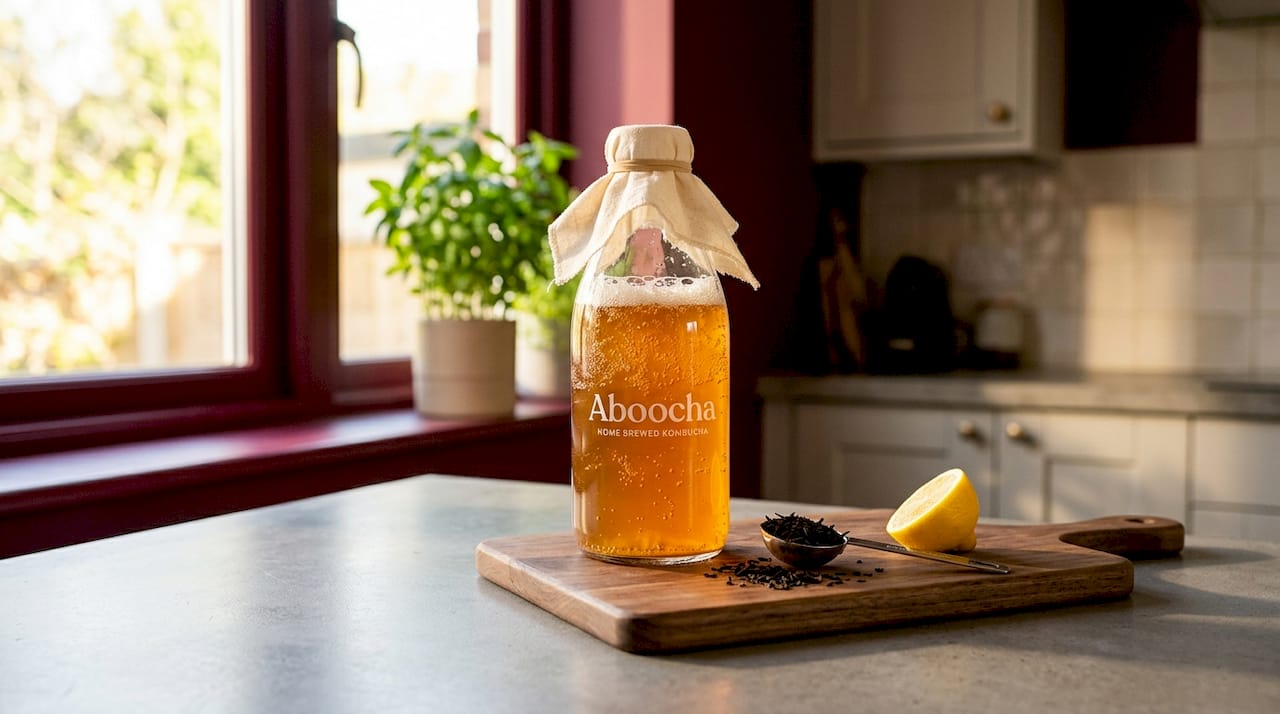
Probiotic potency matters just as much as sugar content. Effective probiotic drinks contain at least 10^6 to 10^7 CFU per milliliter of live cultures. That range balances genuine gut benefit against the bloating that can occur when probiotic loads are excessively high. A product with a strong CFU count and low sugar is the combination worth seeking.
Here is what to check before buying any fermented drink:
- Sugar per serving: Target under 5 grams total sugar, not just added sugar
- Live culture confirmation: Look for “raw,” “unpasteurized,” or “contains live cultures” on the label
- CFU count: Aim for at least 10^6 CFU/mL; higher is not always better
- Ingredient list length: Shorter lists with recognizable ingredients signal less processing
- Sweetener type: Stevia or erythritol are acceptable; high-fructose corn syrup is not
Pro Tip: “Fermented” on a label does not guarantee low sugar. Many brands add fruit juice after fermentation, which spikes the sugar count without improving probiotic content. Always check the nutrition panel, not just the front of the bottle.
1. Low sugar kombucha
Kombucha is the most recognized healthy fermented beverage in the category, made from sweetened tea fermented with a SCOBY (symbiotic culture of bacteria and yeast). The key distinction between a health-supporting kombucha and a sugary one is fermentation length and post-fermentation additions. Kombucha shoppers should prioritize products made with real tea, limited fruit juices, and under 5 grams of sugar per serving. Aboocha’s Yuzu Osmanthus and Sour Plum varieties are built on exactly this model, using natural botanicals rather than fruit juice concentrates to create complex flavor without added sugar.
2. Milk kefir
Milk kefir is a fermented dairy drink with a probiotic profile that rivals or exceeds most commercial kombuchas. It is produced by fermenting cow, goat, or sheep milk with kefir grains, which are clusters of bacteria and yeast. The fermentation process converts most of the lactose into lactic acid, making it tolerable for many people with mild lactose sensitivity. Full-fat plain milk kefir typically contains 8 to 11 grams of naturally occurring sugar per cup, but the absence of added sugars and the density of live cultures make it one of the most potent low sugar probiotic drinks available. Avoid flavored commercial versions, which frequently contain added sweeteners.
3. Water kefir
Water kefir delivers the probiotic benefits of milk kefir without any dairy, making it the go-to fermented drink alternative for vegans and those avoiding animal products. It is made by fermenting sugar water or coconut water with water kefir grains. The grains consume the majority of the sugar during fermentation, leaving a lightly fizzy, mildly sweet drink with a clean flavor profile. Residual sugar depends heavily on fermentation time. A longer second fermentation reduces sweetness further and increases carbonation, giving you a drink that functions like a probiotic soda without the synthetic additives.
4. Jun tea
Jun tea is a lesser-known fermented tea that uses honey and green tea as its base instead of the black tea and cane sugar used in standard kombucha. The result is a lighter, more floral drink with lower acidity and a gentler flavor profile. Because raw honey ferments differently than refined sugar, Jun tea tends to retain more trace enzymes and antimicrobial compounds from the honey itself. It is harder to find commercially than kombucha, but several small-batch producers sell it online. For flavor-forward drinkers who find standard kombucha too sharp, Jun tea is a genuinely different experience worth exploring.
5. Beet kvass
Beet kvass is a traditional Eastern European fermented drink made from raw beets, water, and salt. It contains no added sugar and ferments entirely through wild lacto-fermentation, the same process used for sauerkraut and kimchi. The flavor is earthy, slightly salty, and deeply savory, which makes it unlike anything else in the fermented beverage category. Beet kvass is rich in betaine, a compound that supports liver function and bile production, which directly aids fat digestion. One to two ounces as a digestive shot before meals is a common practice among functional nutrition practitioners.
6. Ginger bug soda
Ginger bug soda is a wild-fermented carbonated drink made by cultivating a “ginger bug,” a starter culture of wild yeast and bacteria grown from fresh ginger, sugar, and water. Once active, the bug is used to ferment ginger tea into a naturally fizzy probiotic soda. The sugar added to feed the fermentation is largely consumed by the culture, leaving a drink with significantly less sugar than the starting amount. Fermentation processes directly adjust residual sugar and acidity, which means the longer you ferment, the drier and more probiotic-dense the result. Ginger bug soda is one of the most accessible DIY fermented drink alternatives for home brewers.
7. Zero sugar probiotic sodas
Zero sugar probiotic sodas like Cove use stevia and erythritol as sweeteners and deliver prebiotic fiber alongside probiotic cultures. These products are designed for consumers who want the gut health benefits of fermented drinks without any sugar at all, including naturally occurring residual sugars. They are not traditionally fermented in the same way as kombucha or kefir, but they do contain live cultures and are formulated to survive shelf storage. For people transitioning away from soda, they serve as a practical bridge. The flavor profiles are closer to conventional sparkling drinks, which lowers the barrier to adoption.
8. Probiotic pickle brine shots
LiveBrine probiotic pickle brine shots contain 13 billion CFUs per shot with zero added vinegar or sugar, making them one of the most concentrated low sugar probiotic drinks on the market. Pickle brine is the liquid byproduct of lacto-fermented cucumbers, and it carries a dense population of Lactobacillus bacteria. The flavor is intensely salty and sour, which is not for everyone, but the probiotic density per ounce is exceptional. Athletes have used pickle brine for electrolyte replenishment for years. The probiotic application is newer but growing quickly among gut health enthusiasts who want maximum potency in minimal volume.
How to read labels to find genuinely low sugar options
Label reading is the single most effective skill for identifying genuine low sugar fermented drinks. The nutrition panel tells you what is actually in the bottle, not what the marketing copy implies.
Check both total sugar and added sugar lines. Residual sugars from fermentation are natural and expected. Added sugars from fruit juice concentrates, cane syrup, or honey added post-fermentation are the ones to minimize. Total and added sugar distinctions matter because residual fermentation sugars behave differently metabolically than added sweeteners.
Look for these specific label indicators:
- “Raw” or “unpasteurized”: Signals live cultures are intact and have not been heat-killed
- “Contains live and active cultures”: The standard phrase used by producers to confirm probiotic viability
- CFU count per serving: Converts directly to probiotic potency; CFU counts require checking whether pasteurization has reduced live cultures
- Ingredient order: Ingredients are listed by weight; if sugar or juice appears in the first three, the product skews sweet
- Sweetener type: Stevia, monk fruit, and erythritol are low glycemic; avoid maltodextrin and corn syrup
Pro Tip: Avoid any fermented drink that lists “natural flavors” as a primary ingredient without specifying the source. This phrase often masks added fruit juice or sweetener concentrates that inflate the sugar count.
DIY and homebrewed low sugar fermented drink alternatives
Homebrewing gives you direct control over sugar input, fermentation time, and probiotic concentration. DIY fermentation sugar input at the start and carbonation additions directly influence sweetness, acidity, and the risk of alcohol formation. Starting with less sugar than a standard recipe and extending fermentation time produces a drier, more acidic drink with a higher probiotic load.
The most accessible home ferments for low sugar goals are kombucha, water kefir, and ginger bug soda. Each uses a different starter culture and produces a distinct flavor profile, so rotating between them builds both skill and microbiome diversity.
Practical tips for keeping homebrew sugar low:
- Reduce starting sugar by 10 to 15 percent below standard recipes and compensate with longer fermentation
- Taste-test at 7 days instead of the standard 10 to 14 days to find your preferred sweetness-to-acidity balance
- Use a hydrometer to measure specific gravity and track sugar consumption during fermentation
- Avoid adding juice at bottling unless you account for the sugar it contributes to the final product
- Store finished brew cold to halt fermentation and lock in your target sugar level
Pro Tip: For kombucha, a second fermentation in sealed bottles at room temperature for 24 to 48 hours builds carbonation without adding sugar. Chill immediately after to stop the process and prevent over-carbonation.
Which fermented drink fits your lifestyle and taste?
Choosing among healthy fermented beverages comes down to three factors: dietary restrictions, flavor tolerance, and how you plan to use the drink daily.
For dairy-free and vegan consumers, water kefir, kombucha, beet kvass, and ginger bug soda are all plant-based. Milk kefir is off the table, but its probiotic density can be matched by a high-quality water kefir with an extended fermentation. For keto followers, the best low sugar drinks are beet kvass, probiotic pickle brine, and well-fermented kombucha under 5 grams per serving. These options keep net carbs minimal while delivering live cultures.
Flavor tolerance is a real factor. Kombucha and Jun tea suit people who enjoy light acidity with floral or fruity notes. Beet kvass and pickle brine are for those who prefer savory, mineral-forward flavors. Ginger bug soda appeals to anyone who likes spicy, effervescent drinks. Varying your choices across the week also supports a broader microbiome, since different fermented drinks carry different bacterial strains and organic acid profiles.
Key takeaways
The most effective low sugar fermented beverage options combine under 5 grams of sugar per serving with confirmed live cultures at 10^6 to 10^7 CFU/mL and minimal post-fermentation additives.
| Point | Details |
|---|---|
| Sugar threshold matters | Target under 5 grams total sugar per serving to keep glycemic impact low. |
| Probiotic count is non-negotiable | Look for at least 10^6 to 10^7 CFU/mL to get genuine gut health benefits. |
| Label reading is your best tool | Check both total and added sugar lines, and confirm live culture language on the label. |
| Variety builds microbiome diversity | Rotating between kombucha, kefir, kvass, and pickle brine exposes your gut to different bacterial strains. |
| DIY gives maximum control | Homebrewing lets you manage sugar input and fermentation time to hit your exact low sugar target. |
Why I think most people are shopping for fermented drinks wrong
Most consumers walk into a health food store, grab a kombucha because the label says “probiotic,” and assume the job is done. I have watched this pattern repeat across years of following the fermented beverage market, and the result is usually a drink with 12 grams of sugar and a probiotic count that did not survive pasteurization.
The drinks that actually move the needle for gut health are rarely the ones with the loudest branding. Beet kvass, for example, is one of the most functional fermented drinks available, and most people have never heard of it. Probiotic pickle brine shots from brands like LiveBrine deliver 13 billion CFUs per shot with zero sugar, which outperforms most premium kombuchas on both metrics simultaneously.
My honest recommendation is to treat your fermented drink rotation the way you would treat a varied diet. No single drink covers every bacterial strain your microbiome benefits from. Aboocha’s flavor-forward approach, using botanicals like Yuzu Osmanthus instead of fruit juice concentrates, is exactly the kind of thinking the category needs more of. You get genuine complexity without the sugar tax.
Start with one new fermented drink per week. Read the label before the front of the bottle. And do not underestimate the savory options. Your gut does not care whether a drink tastes like a spa water or a pickle. It cares whether the cultures are alive and the sugar is low.
— Luna
Discover Aboocha’s low sugar fermented drink collections
Aboocha builds every kombucha with the same criteria this article lays out: under 5 grams of sugar per serving, real tea as the fermentation base, and live cultures confirmed through the brewing process. The flavor profiles go well beyond standard ginger or lemon, with options like Sour Plum and Yuzu Osmanthus that deliver genuine taste complexity without added fruit juice concentrates.
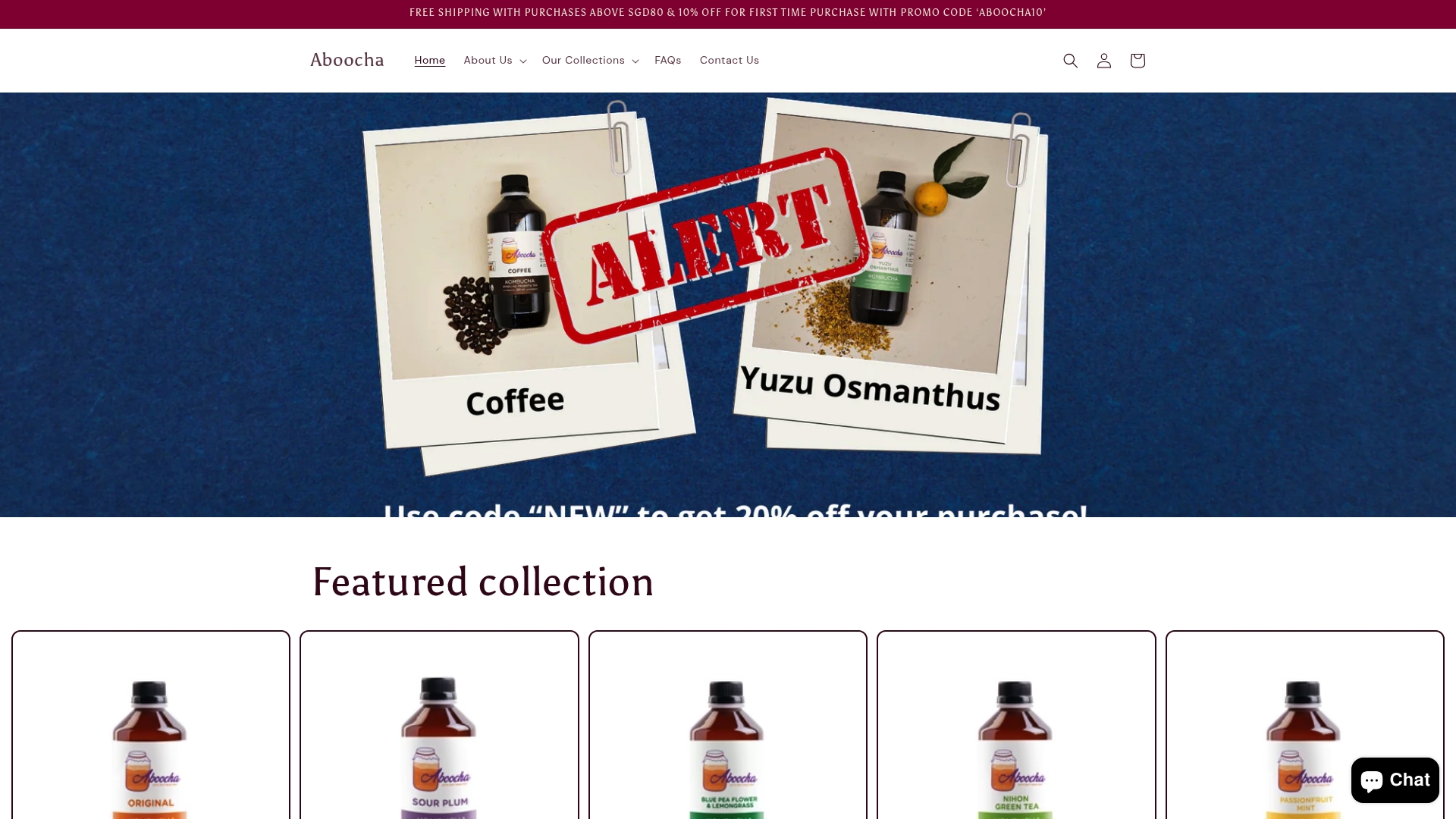
For consumers who want to explore probiotic-rich beverage options across multiple flavor profiles, Aboocha’s curated beverage bundles are the most practical starting point. The Aboocha x Deefruit collaboration set adds limited-edition flavor variety for enthusiasts who want something outside the standard lineup. Both options are built for people who take gut health seriously and refuse to sacrifice taste to get there.
FAQ
What is a low sugar fermented beverage?
A low sugar fermented beverage is a drink produced through microbial fermentation that contains under 5 grams of total sugar per serving and delivers live probiotic cultures. Examples include raw kombucha, water kefir, beet kvass, and probiotic pickle brine.
How much sugar should a good probiotic drink have?
Health experts recommend limiting added sugar to under 10 grams per serving, with the best low sugar options staying under 5 grams total. Always check the nutrition panel rather than relying on front-of-label claims.
What are low sugar kombuchas made from?
Low sugar kombuchas are made from real brewed tea fermented with a SCOBY, with fermentation time extended to consume more of the starting sugar. The best versions use botanical flavoring rather than fruit juice to keep sugar under 5 grams per serving.
Can fermented drinks have zero sugar?
Yes. Products like LiveBrine pickle brine shots and Cove probiotic soda contain zero added sugar while still delivering live cultures. Beet kvass and plain water kefir also reach near-zero sugar levels with sufficient fermentation time.
Is homemade kombucha lower in sugar than store-bought?
Homemade kombucha can be significantly lower in sugar when fermentation time is extended and no juice is added at bottling. DIY fermentation control over starting sugar and brew duration lets you target a drier, more acidic final product than most commercial versions offer.