
The shelves are packed with probiotic drinks, and the claims keep getting louder. Whether you are searching for examples of probiotic-rich beverages to support digestion, boost immunity, or simply find a healthier daily drink, the sheer variety makes it genuinely hard to know where to start. Kombucha, kefir, kanji, fermented brine shots — each offers something different. This guide cuts through the noise and gives you a clear, research-backed look at what these drinks actually contain, how they differ, and which ones are worth adding to your routine.
Table of Contents
- Key takeaways
- What to look for in probiotic-rich beverages
- 1. Kefir
- 2. Kombucha
- 3. Probiotic yogurt drinks
- 4. Kanji
- 5. Fermented pickle brine shots
- 6. Water kefir and kefir sodas
- 7. Kvass
- Comparing popular probiotic beverages at a glance
- How to pick the right probiotic drink for your needs
- My take on navigating probiotic drinks in 2026
- Discover Aboocha’s probiotic kombucha range
- FAQ
Key takeaways
| Point | Details |
|---|---|
| CFU count matters | Look for beverages with live and active cultures and meaningful CFU counts for real gut health impact. |
| Traditional drinks pack a punch | Fermented options like kanji and pickle juice can deliver up to 14 billion CFUs per serving. |
| Flavor drives consistency | You will only stick with a probiotic drink long-term if you actually enjoy the taste. |
| Regulation gaps exist | Probiotic beverages are not FDA-regulated, so third-party testing and live culture seals are key. |
| Match drink to lifestyle | Your ideal probiotic drink depends on dietary needs, portability requirements, and flavor preference. |
What to look for in probiotic-rich beverages
Not every drink labeled “probiotic” delivers the same benefit. Before you commit to a daily option, a few criteria are worth understanding.
CFU counts and live cultures
CFU stands for colony-forming units, the measure of how many living bacteria a product contains. More is not always better, but a meaningful CFU count is necessary for any gut health effect. Always check for a “live and active cultures” label on the packaging. Probiotic labels are not regulated by the FDA, so third-party testing or transparent quality control signals are worth prioritizing.
Strain specificity
Not all probiotic strains do the same job. Strain specificity is critical, with benefits varying widely depending on the bacterial species. Certain strains like Lactobacillus acidophilus support digestion, while others like Saccharomyces boulardii show promise for SIBO symptoms specifically. Reading labels matters more than most people realize.
Fermentation and storage
Fermentation time and temperature directly affect how potent a drink is. Improper fermentation reduces probiotic effectiveness and can create safety risks. On the consumer side, refrigerating drinks and consuming before the best-before date preserves live culture viability.
- Check for opaque or refrigerated packaging, which protects bacteria from heat and light
- Avoid drinks with excessive added sugar, which can counteract probiotic benefits
- Look for short ingredient lists with recognizable fermented bases
Pro Tip: If a probiotic drink tastes identical to a sweetened soda with no tang or tartness, it likely contains minimal live cultures. Authentic fermentation has a distinctive flavor.
1. Kefir
Kefir is one of the most probiotic-dense beverages available and one of the oldest fermented drink examples on the planet. Made by fermenting milk with kefir grains (a combination of bacteria and yeast cultures), it contains a wider diversity of strains than most commercial yogurts. Dairy kefir is the most common form, but water kefir offers a plant-based alternative made by fermenting sugar water or coconut water with the same grains.
The health benefits of probiotics in kefir include improved digestion, better immune function, and reduced inflammation. A single cup of full-fat dairy kefir typically contains between 10 and 34 billion CFUs from strains including Lactobacillus kefiri, Lactococcus lactis, and Leuconostoc species. That diversity is hard to match with any single-strain supplement.
- Dairy kefir: Rich and tangy, close in texture to thin drinkable yogurt. Best for those who tolerate lactose well.
- Water kefir: Lighter and slightly effervescent, suitable for vegans and lactose-intolerant individuals.
- Flavor range: Plain, fruit-infused, and flavored varieties are widely available in most grocery stores.
2. Kombucha
Kombucha is arguably the best-known fermented beverage option in the modern wellness market. It is made by fermenting sweetened tea with a SCOBY (symbiotic culture of bacteria and yeast) over 7 to 14 days. The result is a lightly carbonated, tangy drink with trace amounts of beneficial acids and live cultures including Gluconobacter, Acetobacter, and various Lactobacillus strains.
Beyond gut support, kombucha contains B vitamins and antioxidants from the tea base. The flavor ranges from mildly tart to sharply vinegary depending on fermentation length and added ingredients. If you are new to fermented drinks and want a gentle entry point, check out this beginner’s guide to starting with kombucha. The wide variety of flavor profiles today means there is genuinely something for every palate.
3. Probiotic yogurt drinks
Drinkable yogurt products occupy about 26.5% of the probiotic market, driven by demand for portable, protein-rich options. Brands in this category typically feature clinically studied strains like Lactobacillus casei DN-114 001, which has been linked to immune modulation and reduced digestive discomfort.
The nutritional profile is a genuine advantage here. Quality products provide up to 20g of protein per serving and have been shown to reduce bloating by 45% per serving in clinical settings. The format is also practical. 72% of millennials cite time constraints as a driving factor behind choosing grab-and-go probiotic foods, making drinkable yogurt a perfect fit.
- High protein content makes these drinks genuinely filling
- Pre-measured serving sizes make dosing consistent
- Most varieties require refrigeration and have a short shelf life after opening
4. Kanji
Kanji is a traditional Indian fermented drink made from black carrots, mustard seeds, and water. It is one of the most underappreciated probiotic drink examples in the world, largely because it never made it to mainstream Western shelves. The fermentation process takes 3 to 5 days, which is significantly faster than kombucha, and the result is a pungent, tangy, deeply savory beverage.

What makes kanji particularly striking is its potency. Traditionally fermented drinks like kanji can sometimes surpass commercial products in CFU concentration, occasionally delivering more live bacteria per serving than a standard supplement. The dominant strains include wild Lactobacillus species that develop naturally without any starter culture.
The flavor is assertive. It is sour, earthy, and deeply savory, nothing like the sweetened versions of probiotic drinks most people encounter. Adjusting expectations around authentic probiotic flavors is worthwhile when the underlying probiotic value is this high.
Pro Tip: If you make kanji at home, keep fermentation temperature consistent between 65°F and 75°F. Fluctuations in temperature can shift the bacterial profile and reduce the drink’s probiotic value.
5. Fermented pickle brine shots
Fermented pickle juice has moved from sports recovery hack to recognized probiotic drink example, and the science backs it up. A 1.5-ounce serving of properly fermented pickle brine can contain up to 14 billion CFUs of Lactobacillus, making it one of the most concentrated portable probiotic drinks available.
Beyond probiotics, the brine is naturally high in electrolytes including sodium and potassium, which supports hydration alongside gut health. The flavor is sharp and intensely briny, which is not for everyone. But as examples of portable probiotic drinks go, it is uniquely efficient: small volume, high bacterial count, and no refrigeration needed in some shelf-stable formats.
One important caveat: only naturally fermented pickle brine carries live cultures. Vinegar-pickled products use acetic acid rather than lacto-fermentation, which means no live bacteria survive.
6. Water kefir and kefir sodas
Water kefir deserves its own mention separate from dairy kefir because the use cases are genuinely different. Made by fermenting sugar water, coconut water, or fruit juice with water kefir grains, this drink is fully plant-based, lightly fizzy, and far milder in flavor than dairy kefir or kombucha.
Kefir sodas are a commercial evolution of this format, and prebiotic-fortified sodas using cassava and chicory root fibers have entered the market alongside them. Some of these products keep sugar as low as 5g per serving. The tradeoff: added prebiotic fibers like chicory root can cause digestive discomfort in sensitive individuals, particularly those with IBS.
Water kefir works well as a daily fermented beverage option for anyone avoiding dairy, alcohol (kombucha contains trace amounts), or strong flavors.
7. Kvass
Kvass is a lightly fermented Eastern European beverage made from rye bread. It is mildly alcoholic (less than 1% ABV), slightly sweet, and earthy in flavor. Traditionally homemade across Russia and Ukraine, it is now increasingly available in specialty and Eastern European grocery stores.
The probiotic content of kvass is lower than kefir or kanji, but it still contains live Lactobacillus species from wild fermentation. Its significance lies more in gut comfort and digestive support than in raw bacterial counts. It also pairs remarkably well with food, which is why it has cultural staying power across centuries. For readers interested in how fermented drinks complement meals, exploring kombucha pairings can give a useful frame of reference.
Comparing popular probiotic beverages at a glance
| Beverage | Probiotic strength | Flavor profile | Portability | Best for |
|---|---|---|---|---|
| Dairy kefir | Very high (10B+ CFUs) | Tangy, creamy | Moderate | High strain diversity |
| Kombucha | Moderate | Tart, effervescent | High | Flavor variety, daily habit |
| Drinkable yogurt | Moderate to high | Mild, sweet | Very high | Protein + probiotics together |
| Kanji | Very high (wild strains) | Pungent, savory | Low | Traditional, homemade options |
| Pickle brine shots | Very high (up to 14B) | Sharp, briny | High | Concentrated dose, small format |
| Water kefir | Moderate | Light, mild | Moderate | Dairy-free, low sugar |
| Kvass | Low to moderate | Earthy, slightly sweet | Low | Cultural variety, digestive support |
How to pick the right probiotic drink for your needs
Knowing the examples is one thing. Choosing the right drink for your actual lifestyle is where most people get stuck. Here is a practical way to think through it.
Start with flavor tolerance. You will not stick with a probiotic drink that you find unpleasant. If strong vinegary or savory flavors put you off, start with water kefir or a mild kombucha. Probiotic beverages complement but do not replace a balanced diet, so they need to fit naturally into what you actually enjoy eating and drinking.
- Lactose intolerant? Water kefir, kombucha, kvass, and pickle brine are all dairy-free.
- Need portability? Drinkable yogurt bottles, kombucha cans, and pickle brine shots travel well.
- Want the highest CFU count? Dairy kefir, kanji (homemade), and fermented pickle brine lead the pack.
- Prefer lower sugar? Water kefir sodas and most kombucha brands with low fermentation sugar content are good picks.
- New to fermented drinks? Start with a flavored kombucha and work toward stronger options over a few weeks.
Pro Tip: Pair your probiotic drink with a prebiotic-rich food like oats, garlic, or banana. Prebiotics feed the bacteria you are introducing, significantly improving their survival rate in the gut.
Rotating between two or three different fermented beverage options each week also helps diversify the strains reaching your gut, which is what most research suggests benefits long-term digestive health.
My take on navigating probiotic drinks in 2026
I have spent years paying attention to how people actually use probiotic beverages versus how they are marketed, and the gap is wider than most brands will admit.
What I have found is that the most potent options — kanji, homemade kefir, fermented pickle brine — rarely get mainstream attention because they do not taste approachable out of the gate. Most people try them once, find the flavor challenging, and retreat to a sweetened kombucha that may or may not have meaningful live culture counts by the time it reaches their fridge.
My honest advice: do not chase the highest CFU count if you are not going to drink the product consistently. A moderate-CFU kombucha you drink every day outperforms a high-CFU kanji you try twice a year. Flavor acceptance drives consistency, and consistency is what moves the needle for gut health. I also think people underestimate how much variety matters. Rotating between kefir, kombucha, and even a pickle brine shot once a week covers a far broader strain profile than any single beverage could.
One thing I feel strongly about: ignore products that make specific health claims without displaying a live culture seal or referencing third-party testing. The regulatory gap is real, and plenty of products charge premium prices for minimal probiotic benefit.
— Luna
Discover Aboocha’s probiotic kombucha range
If kombucha is where you want to start (or where you keep coming back), the quality of your brew genuinely matters.
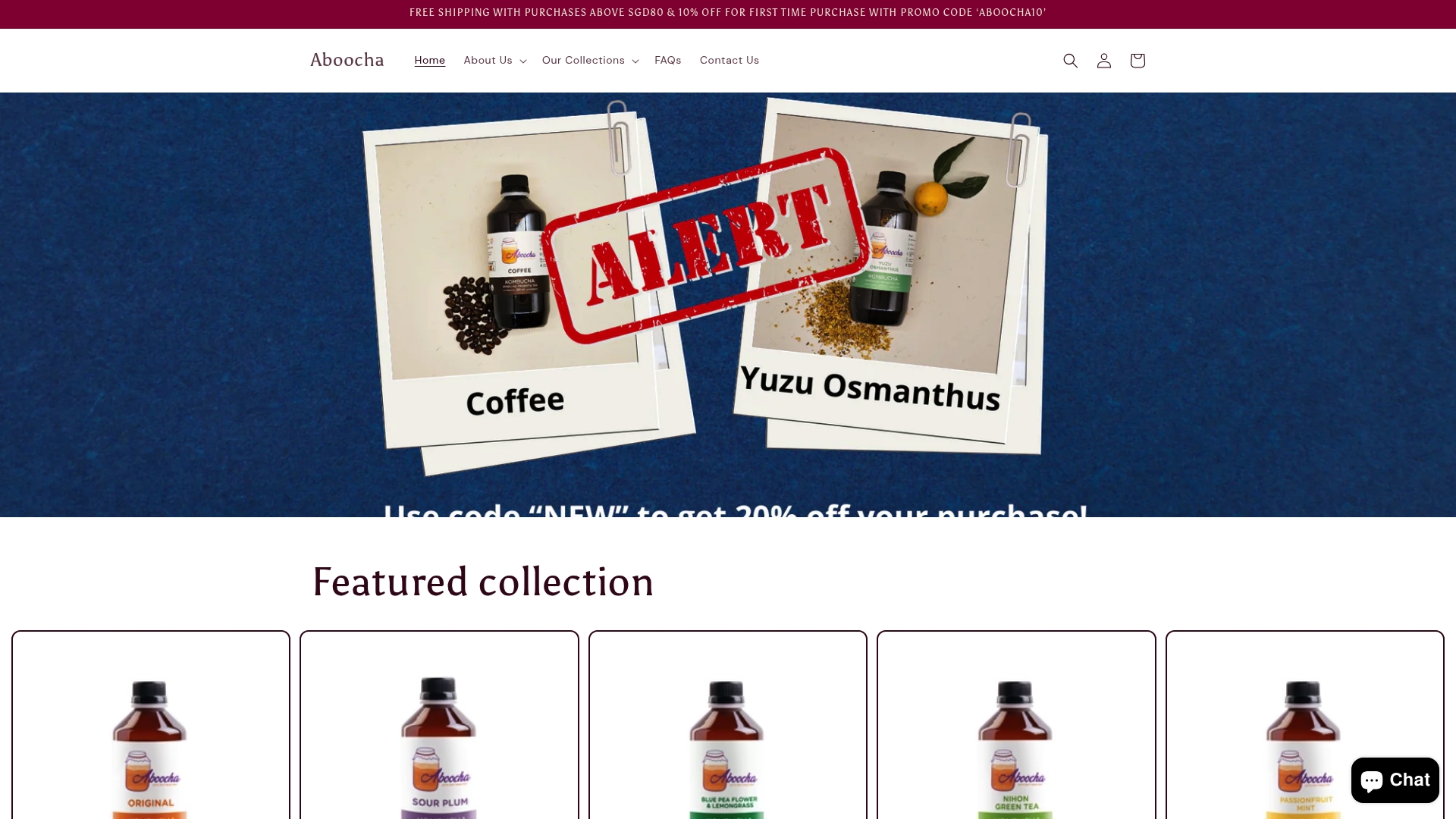
Aboocha crafts small-batch kombucha with lower sugar content and flavor profiles that actually reward repeat drinking. The Original Kombucha is the cleanest entry point, delivering live cultures in a clean, unfussy format. For something with more personality, the Sakura Lychee Rose and Snow Chrysanthemum varieties offer genuinely distinct flavor experiences without excess sweetness. All three come in convenient 250ml bottles that fit easily into any daily routine, whether you are drinking at your desk or taking one on the go.
FAQ
What are probiotic beverages?
Probiotic beverages are fermented or fortified drinks containing live beneficial microorganisms, such as Lactobacillus and Bifidobacterium, that support gut health when consumed regularly.
Which probiotic drink has the most live cultures?
Dairy kefir and naturally fermented pickle brine rank among the highest, with fermented pickle juice delivering up to 14 billion CFUs per 1.5-ounce serving.
Are probiotic drinks regulated by the FDA?
No. Probiotic beverages are not FDA-regulated, which means label claims about live culture counts can vary in accuracy. Look for third-party testing seals and live culture certifications.
Can I drink multiple probiotic beverages in one day?
Yes, and rotating between different types is actually beneficial. Varying your fermented beverage options exposes your gut to a broader range of bacterial strains, which supports microbiome diversity over time.
What is the best probiotic drink for someone who is lactose intolerant?
Kombucha, water kefir, kvass, and fermented pickle brine are all dairy-free options that deliver live cultures without any lactose content, making them practical top gut health drinks for most dietary needs.