
Yuzu works across seafood, meat, vegetables, dairy, desserts, and drinks — and the format you use (juice, zest, yuzu kosho, or marmalade) determines how much acidity, bitterness, or floral lift you get. The most reliable pairings by category:
- Yuzu juice + salmon (yuzu-butter emulsion or yuzu crème, finished at the table)
- Yuzu juice + scallops (yuzu vinaigrette, light drizzle before serving)
- Yuzu juice + crab (yuzu mayonnaise, as demonstrated by Chef Peter Knogl at Cheval Blanc in Basel)
- Yuzu juice + shrimp ceviche (yuzu + citrus segments, no heat)
- Yuzu kosho + grilled chicken wings (rub or dipping sauce)
- Yuzu kosho + pork belly (finishing glaze, thinned with mirin)
- Yuzu zest + shortbread or Mailänderli (folded into dough before baking)
- Yuzu marmalade + ricotta toast (spread directly, no cooking needed)
- Yuzu zest + butter cookies (aroma without extra acidity)
- Yuzu juice + yuzu kombucha (mixed into a spritz or poured alongside sashimi)
Two things you can try right now: stir half a teaspoon of yuzu juice into softened butter and spread it on grilled fish. Or spoon yuzu marmalade over ricotta on toast and finish with a crack of black pepper. Both take under five minutes.
Key Takeaways
Yuzu’s most reliable pairings balance its acidity with fat, sweetness, or umami — and the format (juice, zest, kosho, or marmalade) determines how much of each quality you get.
| Point | Details |
|---|---|
| Match format to function | Use juice for emulsions and dressings, zest for baking, kosho for grilled meats, marmalade for spreads and glazes. |
| Seafood is the strongest match | Salmon, perch, crab, and scallops all pair well; the 1 tbsp yuzu juice to 30 g butter emulsion ratio is a reliable starting point. |
| Fat carries the aromatics | Butter, cream, and full-fat cheeses soften yuzu’s acidity and extend its floral notes on the palate. |
| Swiss sourcing is practical | Bottled yuzu juice and yuzu kosho are available year-round at Asian specialty stores in Zurich, Geneva, and Basel. |
| Aboocha Yuzu Osmanthus | Pairs with sashimi, cucumber salads, and yuzu-based desserts as a low-sugar, floral-citrus ready-to-drink option. |
Table of Contents
- What makes yuzu pairings work — and how to choose the right format
- Seafood and fish: where yuzu-based pairings shine brightest
- Meat and poultry: controlling yuzu’s intensity on richer proteins
- Vegetables and salads: fresh, bright yuzu combinations
- Dairy, butter, and other rich bases — marrying yuzu with fat
- Desserts and baking: using yuzu for aroma and bright acidity
- Sauces, dressings, and condiments: templates and quick ratios
- Cocktails, mocktails, and fermented pairings using yuzu
- Where to source yuzu in Switzerland and what Swiss chefs use
- Chef-backed examples and short recipe excerpts
- Why yuzu deserves a permanent spot on your kitchen shelf
- Aboocha Yuzu Osmanthus: a ready-to-drink pairing worth trying
- Sources
- FAQ
What makes yuzu pairings work — and how to choose the right format
Yuzu sits at the intersection of lemon’s brightness, grapefruit’s bitterness, and mandarin’s floral sweetness. Its volatile components include linalool, limonene, and γ-terpinene — a profile distinct from lemon or lime, which is why it behaves differently in a dish. The juice delivers acidity and a clean citrus hit. The zest and peel oil carry the floral, aromatic top notes with far less acid. Yuzu kosho (a fermented paste of yuzu peel, chili, and salt) adds heat, salt, and umami alongside the citrus. Marmalade brings sweetness and preserved peel complexity.
| Format | Best culinary use | Application tip |
|---|---|---|
| Yuzu juice | Emulsions, dressings, ceviche, cocktails | Add at the end of cooking; heat kills aromatics |
| Yuzu zest / peel oil | Baking, finishing, infusions | Use instead of juice when you want aroma without extra acidity |
| Yuzu kosho | Grilled meats, ramen, dipping sauces | Start with a small amount — it is salty and hot |
| Yuzu marmalade | Toast, glazes, dessert bases, cheese boards | Thin with warm water for a glaze; use straight for spreads |
The core pairing rule: balance yuzu’s acidity with fat, sweetness, or umami. Butter, cream, and oil carry its aromatics and soften the edge. Salt (from soy, miso, or kosho) amplifies the citrus without needing more juice. Sugar rounds the bitterness in baked goods.
Pro Tip: To reduce bitterness in yuzu peel before using it in baking or dressings, blanch the peel two to three times in fresh water. Swiss chefs, as noted by GaultMillau, also salt and preserve peel during yuzu season so it stays usable for months.
Seafood and fish: where yuzu-based pairings shine brightest
Fish and shellfish are yuzu’s natural home. The acidity cuts through richness, the aromatics complement brine, and the fat in an emulsion carries both.
- Salmon with yuzu crème or yuzu-butter emulsion: Whisk yuzu juice into cold butter over gentle heat for a classic finish sauce. The Donat Gut recipe specifies 1 tablespoon yuzu juice to 30 g butter, with xanthan added for stability. Spoon over pan-seared salmon just before plating.
- Egli (Swiss perch) with yuzu emulsion: A documented Swiss preparation reduces fish fond, then incorporates yuzu juice, cold butter, and olive oil into a silky emulsion. The Donat Gut Egli recipe is a clean template for any delicate white fish.
- Scallops with yuzu vinaigrette: Three parts yuzu juice to five parts neutral oil, a pinch of salt, and a few drops of sesame oil. Drizzle cold over seared scallops.
- Crab with yuzu mayonnaise: Chef Peter Knogl at Cheval Blanc (Grand Hotel Les Trois Rois, Basel) pairs crab meat with yuzu-seasoned mayonnaise and a mustard ice cream — a high-end example of sweet-salty-yuzu balance that translates easily to a home crab salad.
- Shrimp ceviche with yuzu and citrus segments: Replace half the lime juice with yuzu juice. The floral notes lift the dish without overwhelming the shrimp.
Pro Tip: For delicate proteins like sole or turbot, reduce the amount of yuzu juice compared to a lemon-based recipe to avoid overpowering the mild flavor. Yuzu’s aromatic intensity is higher, and the bitterness can dominate a mild fish if you overdose it.
Meat and poultry: controlling yuzu’s intensity on richer proteins
Yuzu works on meat when fat or caramelization gives it something to push against. Chicken skin, pork belly, and duck fat all do this well. Lean beef is trickier — yuzu tends to read as sharp rather than bright on a rare steak.
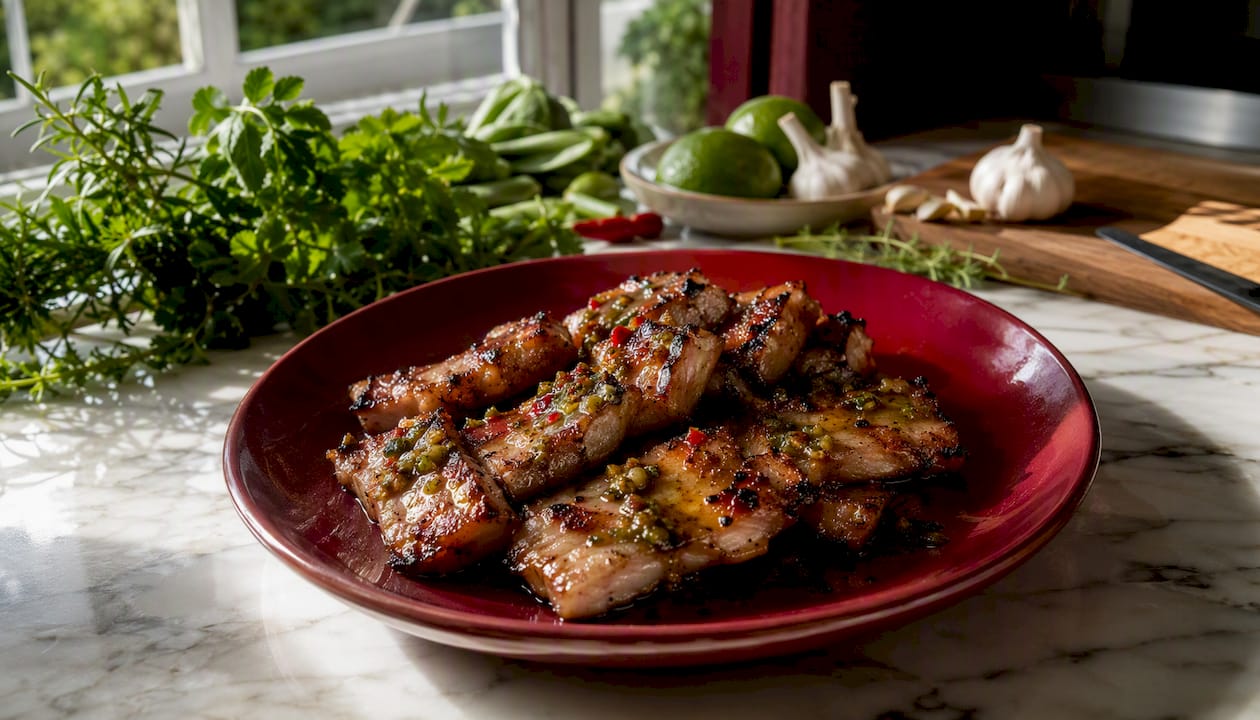
Yuzu kosho is the most practical format here. Rub it directly onto chicken wings before grilling, or thin it with a little mirin and soy for a finishing glaze on pork belly. The fermented paste brings salt and heat alongside the citrus, so you rarely need additional seasoning.
For roasted duck, a yuzu jus works well: deglaze the roasting pan with a splash of yuzu juice and a little stock, reduce by half, and mount with cold butter. Add the yuzu at the end of the reduction, not the beginning — prolonged heat flattens the aromatics.
Pro Tip: Taste as you add. Yuzu kosho varies in heat and salt level by brand. Start with half a teaspoon per 500 g of protein, taste, and adjust before the dish hits the grill or oven.
Vegetables and salads: fresh, bright yuzu combinations
Yuzu’s floral acidity makes it a natural fit for raw and lightly cooked vegetables, where it replaces lemon or lime with noticeably more complexity. Healthline notes that yuzu substitutes well for lemon or lime in sauces and dressings when adjusted for aromatic intensity.
- Avocado with yuzu vinaigrette: Yuzu juice, olive oil, a pinch of fleur de sel. The fat in avocado carries the aromatics perfectly.
- Cucumber-yuzu salad: Thinly sliced cucumber, rice vinegar, yuzu juice, sesame oil, toasted sesame seeds. Chill for 20 minutes before serving.
- Roasted root vegetables with yuzu-miso glaze: Whisk white miso, yuzu juice, and a little honey. Toss with carrots or parsnips before the last 10 minutes in the oven.
- Steamed greens with yuzu-olive oil dressing: Broccolini or bok choy, finished with a drizzle of yuzu juice and good olive oil, topped with toasted sunflower seeds.
When substituting yuzu for lemon in a dressing, use less juice if the recipe also uses zest or peel oil, since combining both forms can make the dish bitter. For a lighter aroma without any added acidity, use zest only and skip the juice entirely.
Dairy, butter, and other rich bases — marrying yuzu with fat
Fat is yuzu’s best carrier. Butter, cream, and full-fat cheeses trap the volatile aromatics and slow their evaporation, which means the flavor lingers longer on the palate. The acidity also gets softened, so the dish reads as bright rather than sharp.

The yuzu-butter emulsion is the most useful technique to know. Cold butter whisked slowly into a warm, reduced liquid creates a stable sauce; professional Swiss recipes add a small amount of xanthan gum to prevent breaking, especially when the yuzu juice proportion is high. Keep the sauce at a gentle hold temperature — above 65°C it will split.
Yuzu crème fraîche is simpler: fold a teaspoon of yuzu juice and a little zest into full-fat crème fraîche and serve alongside smoked salmon or gravlax. Ricotta with yuzu marmalade on sourdough toast is even more direct — no cooking, just assembly.
Pro Tip: When making a yuzu-butter sauce, add the yuzu juice after the butter is fully incorporated, not before. Adding acid to hot butter before emulsification causes it to break almost immediately.
Desserts and baking: using yuzu for aroma and bright acidity
Yuzu’s bitterness, which can be a problem in savory dishes if overdosed, becomes an asset in desserts. It cuts through sugar and cream the way lemon does, but with a floral register that feels more refined.
- Yuzu curd for tarts: Swap lemon juice for yuzu juice in a standard curd recipe. The result is less sharp, more aromatic.
- Yuzu zest in Mailänderli: Swiss butter cookies with yuzu zest instead of lemon — a pairing highlighted by GaultMillau as a natural fit for the cookie’s buttery richness.
- Yuzu-marmalade thumbprint cookies: Fill the indent with yuzu marmalade before baking. The heat caramelizes the edges slightly.
- Yuzu panna cotta with brûléed top: Add yuzu zest to the cream as it heats, strain before setting, and brûlée the surface for a bitter-caramel contrast.
For batters and doughs, use zest rather than juice wherever possible. Juice adds moisture and acidity that can affect rise and texture; zest delivers the aroma without disrupting the chemistry. If a recipe calls for both, add the juice to the wet ingredients and the zest to the dry.
Sauces, dressings, and condiments: templates and quick ratios
These four templates cover most yuzu sauce applications:
| Sauce | Ratio | Best use |
|---|---|---|
| Yuzu-butter emulsion | 1 tbsp yuzu juice : 30 g cold butter | Fish, potatoes, steamed vegetables |
| Yuzu vinaigrette | 3 tbsp yuzu juice/vinegar : neutral oil ratio | Salads, scallops, cold seafood |
| Yuzu mayonnaise | 1 tsp yuzu juice per 3 tbsp mayo | Crab, shrimp, sandwiches |
| Yuzu ponzu | 2 tbsp yuzu juice : 3 tbsp soy : 1 tbsp mirin | Sashimi, grilled meats, dumplings |
Yuzu kosho works as a standalone condiment — a small amount alongside grilled chicken or yakitori needs nothing else. For prepared condiments, store yuzu mayonnaise and vinaigrette in the refrigerator and use within three days; the aromatics fade quickly once the juice is exposed to air. Bottled yuzu juice keeps well sealed in the fridge for up to two weeks after opening.
Cocktails, mocktails, and fermented pairings using yuzu
Yuzu’s acidity and floral top notes make it one of the more versatile citrus options in a bar setup. It pairs cleanly with white spirits and light liqueurs, and its aromatics hold up in sparkling formats.
Three cocktail starting points:
- Yuzu sour: 50 ml gin or vodka, 20 ml yuzu juice, 15 ml simple syrup, egg white. Shake hard, strain, garnish with yuzu zest.
- Yuzu highball: 45 ml Japanese whisky, 15 ml yuzu juice, top with sparkling water. Serve over ice with a strip of yuzu peel.
- Yuzu and elderflower spritz: 30 ml elderflower liqueur, 20 ml yuzu juice, 90 ml dry sparkling wine. No garnish needed — the aroma carries itself.
Non-alcoholic options:
- Yuzu kombucha with sashimi or light sushi: the fermented acidity and citrus aromatics mirror the role of pickled ginger, refreshing the palate between bites. Aboocha’s Yuzu Osmanthus kombucha works particularly well here, adding osmanthus floral notes that complement raw fish.
- Yuzu + green tea over ice: brew sencha, cool, add a squeeze of yuzu juice and a sliver of peel.
- Yuzu sparkling water: still water with yuzu juice and a few drops of peel oil — clean, bright, and pairs with almost any light meal.
For mixing tips, match sweetness level to the spirit. Yuzu’s bitterness can read as harsh against very sweet liqueurs; balance with a dry element (sparkling wine, soda, dry vermouth). A spray of yuzu peel oil over the finished drink adds aroma without changing the flavor balance. For more fermented beverage pairings, the principle is the same: let the acidity do the work, and keep sweetness in check.
Where to source yuzu in Switzerland and what Swiss chefs use
Fresh yuzu fruit appears in Switzerland briefly in late autumn, typically November through December. Outside that window, bottled yuzu juice, yuzu kosho paste, and yuzu marmalade are the practical options. Specialty Asian grocery stores in Zurich, Geneva, and Basel carry bottled juice and kosho year-round. Online importers and Japanese food specialists stock yuzu peel oil and preserved zest.
Swiss professional kitchens plan around the season. As GaultMillau documents, chefs press fresh fruit during the short season and salt or candy the peel to keep it available through spring. For home cooks, the simplest approach is to buy bottled yuzu juice and a jar of yuzu kosho, which together cover most savory applications.
When reading labels on bottled yuzu juice, check for added sugar or citric acid — some commercial products are diluted or adjusted. Pure yuzu juice is pale yellow and intensely aromatic; a product that smells faintly of lemon is likely blended.
Pro Tip: If you find fresh yuzu, zest the whole fruit before juicing it. Freeze the zest in a small container. It keeps for three months and delivers the same aromatic punch as fresh peel in baking, dressings, and finishing sauces.
Chef-backed examples and short recipe excerpts
Three documented examples worth knowing as starting points:
- Salmon with yuzu crème (Donat Gut, Switzerland): Yuzu juice emulsified with butter and a stabilizer (xanthan) for a sauce that holds at serving temperature. The ratio of 1 tbsp yuzu juice to 30 g butter gives a balanced acidity without overwhelming the fish. For home use, skip the xanthan and serve immediately after emulsifying.
- Egli with yuzu emulsion (Donat Gut, Switzerland): Fish fond reduced, then cold butter and olive oil whisked in with yuzu juice off direct heat. The full technique applies to any delicate white fish — sole, turbot, or lake perch.
- Crab with yuzu mayonnaise and mustard ice cream (Chef Peter Knogl, Cheval Blanc, Basel): Crab meat dressed with yuzu-seasoned mayonnaise, served alongside mustard ice cream. The sweet-salty-bitter triangle here is a useful model: yuzu provides the acid-aromatic bridge between the sweet crab and the sharp mustard. At home, the ice cream is optional — the yuzu mayo alone is worth making.
For all three, the principle is consistent: yuzu goes in last, heat is kept low or off, and the ratio stays conservative until you’ve tasted.
Why yuzu deserves a permanent spot on your kitchen shelf
Most cooks reach for lemon by reflex. Yuzu earns its place by doing something lemon cannot: it adds floral depth and a faint bitter note that makes both sweet and savory dishes taste more considered. One jar of yuzu kosho and one bottle of yuzu juice cover an enormous range of applications, from a quick finishing sauce for fish to a glaze for roasted pork.
Try this today: whisk a teaspoon of yuzu juice into your next salad dressing in place of lemon. The difference is immediate and requires no new technique.
One practical note: yuzu’s high acidity can trigger heartburn in people prone to GERD, and WebMD advises consuming acidic citrus with food rather than on an empty stomach. If you take blood-thinning medication, the Cleveland Clinic recommends consulting your clinician before making yuzu a regular part of your diet, as its bioactive compounds may have anti-platelet effects.
Aboocha Yuzu Osmanthus: a ready-to-drink pairing worth trying
Yuzu’s pairing range extends naturally into fermented drinks, and Aboocha’s Yuzu Osmanthus kombucha is one of the most direct ways to experience that. The combination of yuzu’s citrus brightness with osmanthus’s apricot-floral notes creates a drink that sits comfortably alongside raw fish, light salads, and fruit-forward desserts without competing with the food.
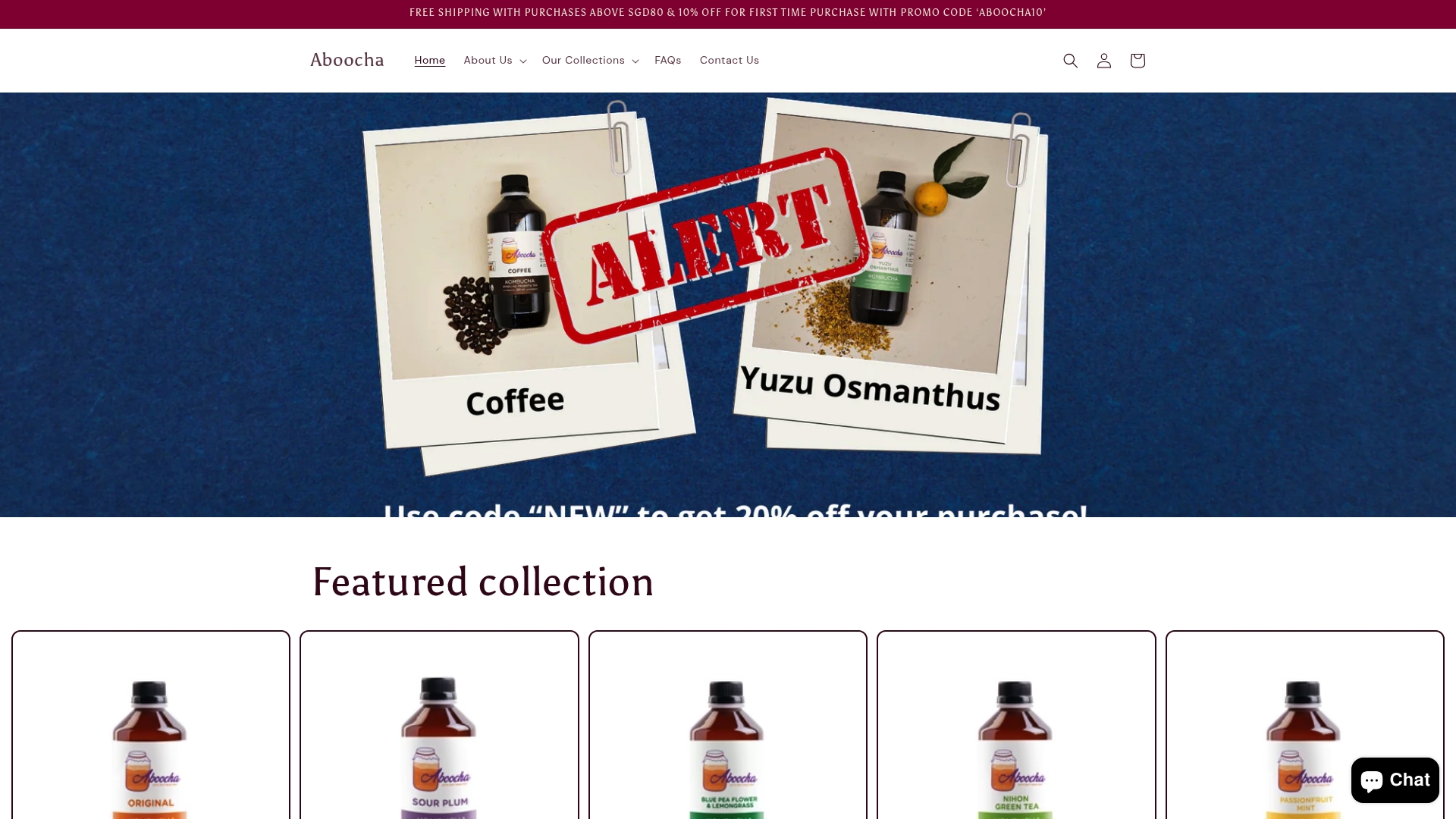
Two pairings that work particularly well: serve a chilled bottle alongside sashimi or a cucumber-yuzu salad, where the kombucha’s acidity mirrors the dish’s dressing and the osmanthus adds a layer the food alone doesn’t have. For dessert, pair it with yuzu panna cotta or a ricotta tart — the effervescence cuts the cream, and the floral notes echo the zest. Aboocha keeps sugar low, so the drink doesn’t tip sweet dishes over the edge. For culinary kombucha pairings beyond yuzu, the same acid-balance logic applies across the range.
Order a bottle or start a subscription at Aboocha and see which pairing works best for your table.
Sources
- LACHS MIT YUZUCREME | Donat Gut Weinhandel & Delikatessen
- EGLI MIT YUZU | Donat Gut Weinhandel & Delikatessen
- Mailänderli mit Yuzu sind ein Traum! | GaultMillau
- Abstract Yuzu (Citrus junos Sieb. ex Tanaka) — volatile components review
- Are There Health Benefits to Eating Yuzu Fruit? - WebMD
- Health benefits of yuzu - Cleveland Clinic
FAQ
What does yuzu pair well with?
Yuzu pairs best with fatty fish (salmon, perch, scallops), crab, grilled chicken, pork belly, avocado, and butter-based sauces. In desserts, it works well with shortbread, panna cotta, and ricotta.
Is yuzu okay for GERD?
Yuzu is highly acidic and can trigger heartburn or worsen GERD symptoms in sensitive people. WebMD recommends eating acidic citrus with food rather than on an empty stomach.
Is yuzu a blood thinner?
Yuzu contains bioactive compounds that may have anti-platelet effects. The Cleveland Clinic advises anyone on blood-thinning medication to consult a clinician before consuming yuzu regularly or in large amounts.
Do you refrigerate yuzu after opening?
Yes. Opened bottled yuzu juice should be refrigerated and used within two weeks; the aromatics fade quickly once exposed to air. Yuzu kosho paste also keeps best refrigerated after opening.