
Uncommon flavor combinations in drinks are defined as pairings that merge contrasting taste profiles, such as briny and sweet or spicy and floral, to create beverages that surprise and satisfy in equal measure. The beverage world calls this approach “flavor contrast pairing,” and it has moved well beyond novelty. Consumers increasingly seek complexity and ingredient authenticity in their drinks, moving away from purely sweet profiles toward layered, textured experiences. Pickle beer, sardine martinis, and yuzu-laced kombucha are no longer fringe experiments. They are the leading edge of where serious beverage culture is heading in 2026.
What are the best uncommon flavor combinations in drinks right now?
The most exciting unexpected beverage flavors in 2026 share one trait: they use contrast deliberately. Savory meets tart. Umami meets citrus. Bitter meets floral. The combinations that work are not random. They follow the same logic as great cooking, where opposing elements create tension that keeps your palate engaged.
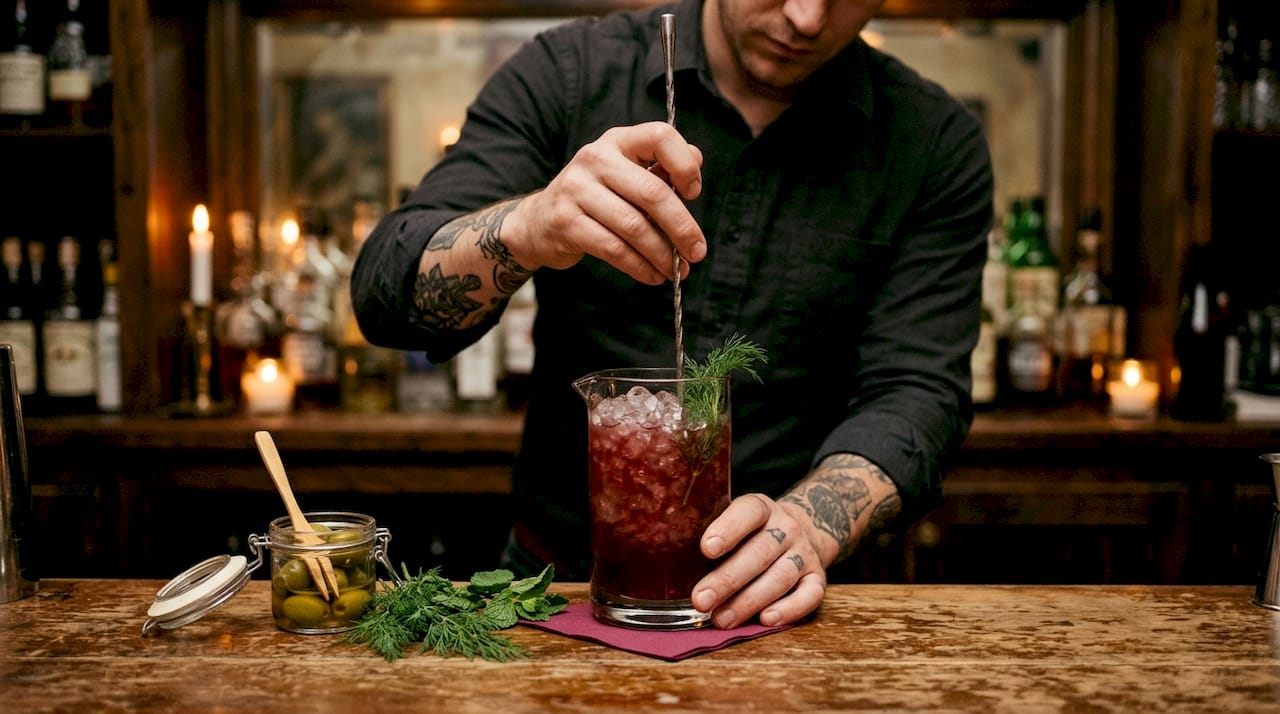
The categories below cover the full range of creative pairings, from trending savory profiles to fruit and herb experiments, along with the techniques that make them work at home or behind a bar.
1. Savory and briny pairings that are reshaping drinks
Savory is the defining flavor direction of 2026. Pickle-inspired beverages like pickle lemonade combine familiar lemonade with bold pickle brine, creating an accessible entry point for discovery-seeking drinkers. The result is tart, salty, and refreshing in a way that no purely sweet drink can match.
The trend goes further than pickles. A limited-edition pickle beer released in may 2026 balances lager with dill tang at 4.7% ABV, proving that briny flavors work in carbonated, malt-forward formats too. That release sold out in select markets within days, which tells you how ready consumers are for savory beverages.
The most striking example of this trend is the sardine oil-washed martini, made with Mermaid Gin, preserved lemon brine, and a rock samphire garnish. It sounds alarming. It tastes like the ocean in the best possible way, layered and complex with a finish that lingers.
- Pickle brine + lager: dill, acidity, and carbonation create a savory-refreshing loop
- Preserved lemon + gin: citrus oil and salt amplify botanical notes
- Rock samphire + vermouth: coastal herbaceousness that pairs with seafood-forward spirits
Pro Tip: Start with just a few drops of brine in a classic gin and tonic before committing to a full savory cocktail. Your palate needs a reference point before it can appreciate the contrast.
2. Fruit and herb pairings that balance sweetness and freshness
Fruit and herb combinations are the most approachable category of strange drink combinations, and they produce some of the most vibrant results. Basil with strawberry and cucumber with mint are two pairings that appear simple but deliver real complexity. The herb cuts through the sweetness of the fruit and adds a green, almost savory edge that keeps each sip interesting.
Less obvious pairings push further. Asian pear with black pepper creates a drink that is floral, crisp, and gently spicy. Jasmine with lime produces a floral-tart combination that works beautifully in both sparkling water and spirits-based cocktails. Cinnamon with tropical fruits like mango or guava adds warmth that makes cold drinks feel more substantial.
Aboocha’s Yuzu Osmanthus kombucha is a real-world example of this principle at work. Yuzu brings sharp citrus acidity. Osmanthus adds a soft, apricot-like floral note. Together they create a profile that is neither purely tart nor purely sweet, which is exactly what makes it memorable. You can explore more of these profiles in Aboocha’s exotic flavor tasting guide for 2026.
- Basil + strawberry: herb-forward sweetness with a peppery finish
- Jasmine + lime: floral and tart, works in sparkling or spirit-based formats
- Asian pear + black pepper: crisp fruit heat that builds slowly
- Cinnamon + mango: warm spice that grounds tropical sweetness
- Cucumber + mint: cooling and clean, the benchmark for herbaceous refreshment
The tropical fruit beverage trend shows that consumers respond strongly to fruit profiles they recognize paired with something unexpected. Familiarity lowers the barrier to trying something new.
3. Spicy, tart, and sweet combinations that create real balance
Balancing spicy, tart, and sweet elements is the most technically demanding category of inventive flavor mixes. The reason is simple: heat and acidity both amplify each other. Add too much of either and the drink becomes harsh. Managing acidity and heat while softening intense flavors with creamy or fatty ingredients is the key to making these combinations work.
Chili and pineapple is the entry-level version of this approach. Pineapple’s natural acidity and sweetness absorb the heat of chili, creating a drink that is spicy on the finish but smooth on the palate. Tamari with citrus takes a different angle: the umami depth of tamari grounds the brightness of lemon or yuzu, producing a savory-tart cocktail base that works with whisky or shochu.
Gochujang, the Korean fermented chili paste, has started appearing in cocktail syrups. A small amount dissolved into a honey syrup creates a base that is sweet, fermented, and gently spicy. It pairs well with bourbon or mezcal.
- Start with the sweet element. Build your base with fruit juice, honey, or simple syrup before adding heat or acid.
- Add acid in small increments. Citrus juice changes the balance quickly. Add it by the teaspoon and taste as you go.
- Introduce heat last. Chili tinctures, gochujang syrup, or fresh pepper slices are easier to control when added at the end.
- Soften with fat or cream. A float of coconut cream or a fat-washed spirit rounds out sharp edges without dulling the flavor.
Pro Tip: Freeze chili slices into ice cubes. As the ice melts, the heat releases gradually, giving you a drink that gets spicier as you sip it. It is a built-in flavor arc in a single glass.
4. Techniques that make unconventional flavor combinations work
Professional bartenders rely on three core techniques to make unusual pairings stable and consistent: fat-washing, homogenization, and controlled infusion. Each one solves a specific problem that comes up when you work with potent or unexpected ingredients.
Fat-washing
Fat-washing introduces savory mouthfeel without adding solids by infusing a spirit with fats like beef tallow or cacao butter. The fat binds to flavor compounds in the spirit, then gets removed by freezing and straining. What remains is a spirit with added texture and depth. Cornichon gin washed with roasted beef tallow is one of the more striking examples: the gin retains its botanical character but gains a richness that makes it feel more substantial in the glass.
Cacao butter-washed rum is a gentler version of the same technique. The fat adds a subtle chocolate note and a silky texture without making the drink taste like dessert. Both are achievable at home with a freezer and a fine-mesh strainer.
Homogenization with stabilizers
Homogenization with xanthan gum keeps potent savory ingredients like sea urchin (uni) or fermented pastes evenly distributed throughout a drink. Without it, these ingredients separate and create an uneven, sometimes unpleasant texture. A uni gin sour made with this technique delivers consistent flavor from the first sip to the last.
Xanthan gum is available in most grocery stores and requires only a tiny amount, typically less than 0.1% by weight, to stabilize a cocktail. It does not add flavor. It only manages texture.
Controlled infusion
Controlled infusion means steeping an ingredient in a liquid at a specific temperature for a set time. Cold infusion at refrigerator temperature (around 38°F) extracts delicate floral and citrus notes without bitterness. Hot infusion at 140°F pulls deeper spice and savory compounds. The difference between a jasmine-infused vodka and a ginger-infused bourbon comes down to temperature and time.
Cross-utilizing kitchen and bar ingredients creates cohesive flavor profiles across both food and drink. The philosophy is simple: if an ingredient works on the plate, it probably works in the glass. Corn, cacao, and spices used in cooking translate directly into cocktail applications with minimal adjustment.
Key Takeaways
The most memorable uncommon flavor combinations in drinks succeed because they balance contrast with coherence, not because they chase shock value.
| Point | Details |
|---|---|
| Savory is the defining trend | Briny, umami, and fermented flavors are leading beverage innovation in 2026. |
| Fruit and herb pairings are the easiest entry point | Basil with strawberry or jasmine with lime deliver complexity without technical skill. |
| Spicy-tart-sweet balance requires sequencing | Build sweet first, add acid second, and introduce heat last for a stable result. |
| Fat-washing adds texture without solids | Beef tallow or cacao butter infusions create savory mouthfeel in spirits at home. |
| Stabilizers solve separation problems | A small amount of xanthan gum keeps potent savory ingredients evenly distributed. |
Why balance matters more than boldness
The most common mistake I see with creative cocktail ingredients is treating novelty as the goal. A sardine martini or a gochujang bourbon sounds interesting on paper. But if the savory note overwhelms the drink, you have not created something complex. You have created something unpleasant.
What I have found, after years of tasting and experimenting, is that the best strange drink combinations work because one element anchors the drink while the other surprises. The gin in a sardine martini is still recognizably gin. The pineapple in a chili-pineapple cocktail is still refreshing. The unexpected element adds a layer. It does not replace the foundation.
The fermented beverage pairings that I keep returning to are the ones where the base drink is strong enough to hold the unusual addition. Kombucha is a great example. Its natural acidity and slight effervescence give it enough structure to carry flavors like yuzu, osmanthus, or sour plum without losing its identity.
My advice is to start with one surprising element per drink. Add a savory herb to a fruit base. Introduce a fermented note to a citrus cocktail. Give your palate time to register the contrast before you add more complexity. The discovery process is the point, and it is worth slowing down to enjoy it.
— Luna
Aboocha’s approach to flavor-forward beverages
Aboocha has spent years doing exactly what this article describes: pairing unexpected ingredients with a fermented base to create drinks that are genuinely surprising and genuinely good.
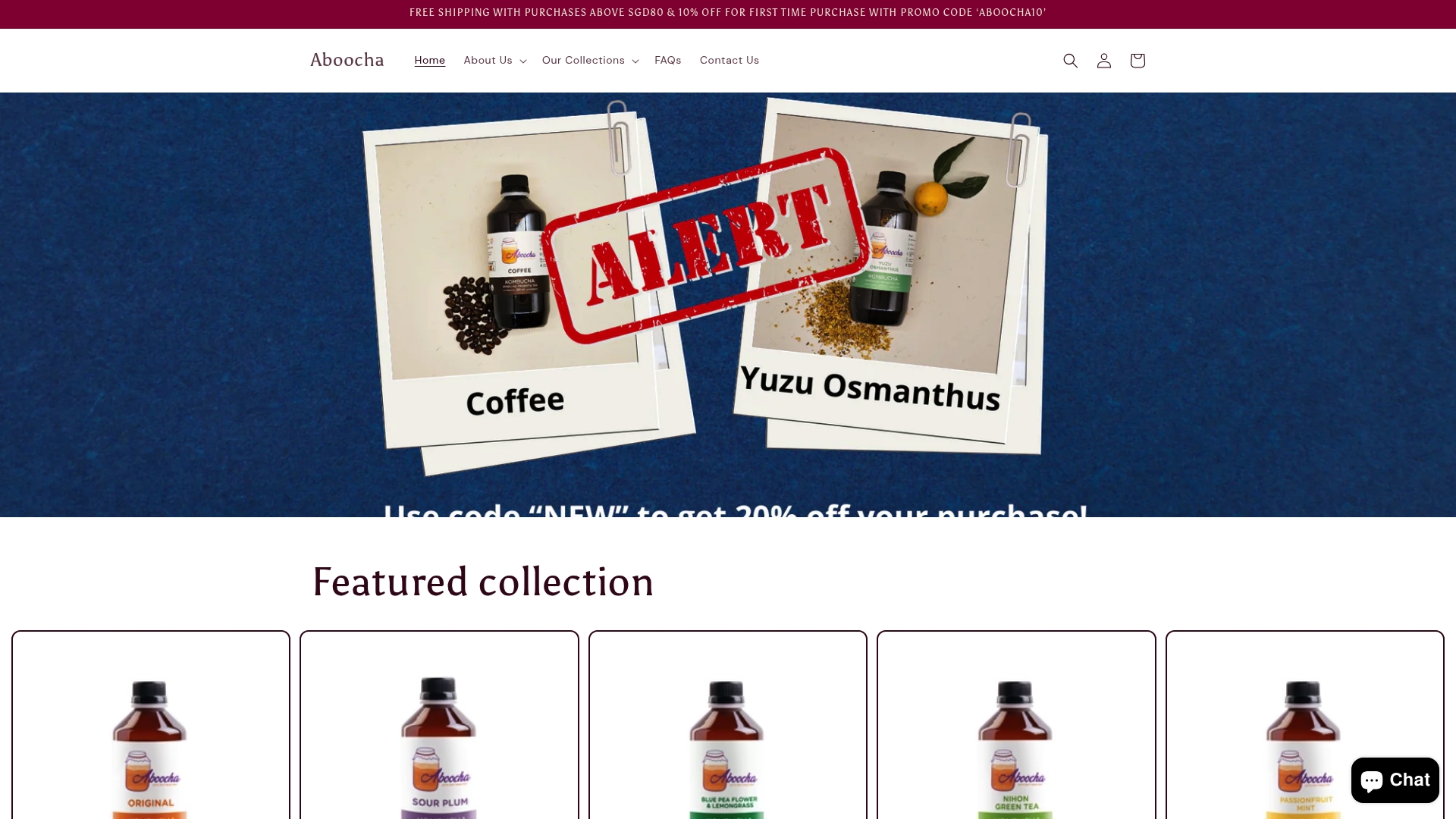
Aboocha’s Sour Plum and Yuzu Osmanthus kombucha are built on the same principles covered here. A familiar fermented base carries an unexpected flavor combination, and lower sugar content lets the actual ingredients speak. If you want to see what thoughtful, culinary kombucha pairings look like in practice, Aboocha’s lineup is a strong starting point. Visit Aboocha to find flavor profiles, pairing guides, and subscription options that make it easy to keep experimenting.
FAQ
What are unusual drink flavors trending in 2026?
Savory and briny profiles are leading the trend, including pickle beer, sardine martinis, and umami-forward cocktails using ingredients like tamari and fermented pastes. Consumers are moving toward complexity and texture over pure sweetness.
How do I start experimenting with uncommon flavor combinations?
Start with one contrasting element added to a familiar base, such as a few drops of pickle brine in a gin and tonic or fresh basil muddled into a strawberry lemonade. Small additions let you taste the contrast without overwhelming the drink.
What is fat-washing in cocktails?
Fat-washing is a technique where a spirit is infused with fat, such as beef tallow or cacao butter, then frozen and strained to remove the solids. The result is a spirit with added texture and savory depth, with no fat remaining in the liquid.
Can I make savory cocktails without professional equipment?
Yes. Fat-washing requires only a freezer and a fine-mesh strainer. Controlled cold infusions need only a sealed jar and a refrigerator. Xanthan gum, used for stabilizing potent ingredients, is available at most grocery stores.
What makes a flavor combination work rather than clash?
Balance is the deciding factor. One element should anchor the drink in familiar territory while the other adds contrast. Overly dominant savory additions create off-putting results. The goal is layered complexity, not shock.