
Fermented flavors in cooking come from two core processes: lactic acid production, which drops pH and creates bright acidity, and protein breakdown, which releases free glutamates that register as umami. Together, these transform ordinary ingredients into something far more complex. Sauerkraut, Kimchi, and Miso are the most familiar examples, and all three appear regularly in Swiss kitchens. The result is not just sourness or savoriness in isolation. It is a flavor architecture where acidity lifts richness and umami provides depth, keeping a dish from feeling flat or one-dimensional.
Key things fermentation delivers to your cooking:
- Lactic acid lowers pH in vegetable ferments, creating the tang in Sauerkraut and Kimchi
- Free glutamates released during protein breakdown produce the savory, mouth-coating quality called umami
- Acetic acid in vinegars and some ferments adds a sharper, more volatile brightness
- Enzymatic activity in Koji ferments (like Miso) breaks down proteins and starches simultaneously, generating layered flavor
- Live microbial cultures in unpasteurized products continue developing flavor after purchase
How fermented flavors work in your cooking
Fermented ingredients function best when you treat them the way you treat salt or acid: as seasoning tools, not side dishes. A spoonful of Miso stirred into a pan sauce does not make the dish taste like Miso soup. It grounds the whole flavor profile, adding the kind of depth that makes people ask what you put in it. That shift in thinking, from fermented foods as condiments to fermented foods as flavor-building tools, changes how you cook.
The pairing logic is straightforward. Acidity from fermentation cuts fat. Umami from fermentation deepens savory notes. When you pair fermented vegetables with rich proteins, the acid prevents the dish from feeling heavy. When you add a fermented paste to a broth or sauce, the free glutamates amplify every other savory element already present.
A few pairing principles worth keeping in mind:
- Pair acidic ferments (Sauerkraut, Kimchi) with fatty or rich components: braised pork, cream sauces, aged cheese
- Use umami-dense ferments (Miso, soy sauce, fish sauce) to build the base of soups, marinades, and dressings
- Add fermented vegetables as a finishing element to preserve their live cultures and textural contrast
- Layer fermented flavors at different stages: a Miso-based marinade before cooking, a Kimchi garnish after
What acids in fermented foods actually do for a dish
Lactic acid is the dominant acid in most vegetable ferments. It is softer and rounder than the acetic acid in vinegar, which is why fermented Sauerkraut reads as bright and clean rather than sharp. Swiss chef Stefan Heilemann pairs fermented Sauerkraut with pike-perch, blood sausage, and Beurre Blanc at Zurich’s Widder Restaurant precisely because the lactic acidity keeps the richness of that sauce from overwhelming the palate.
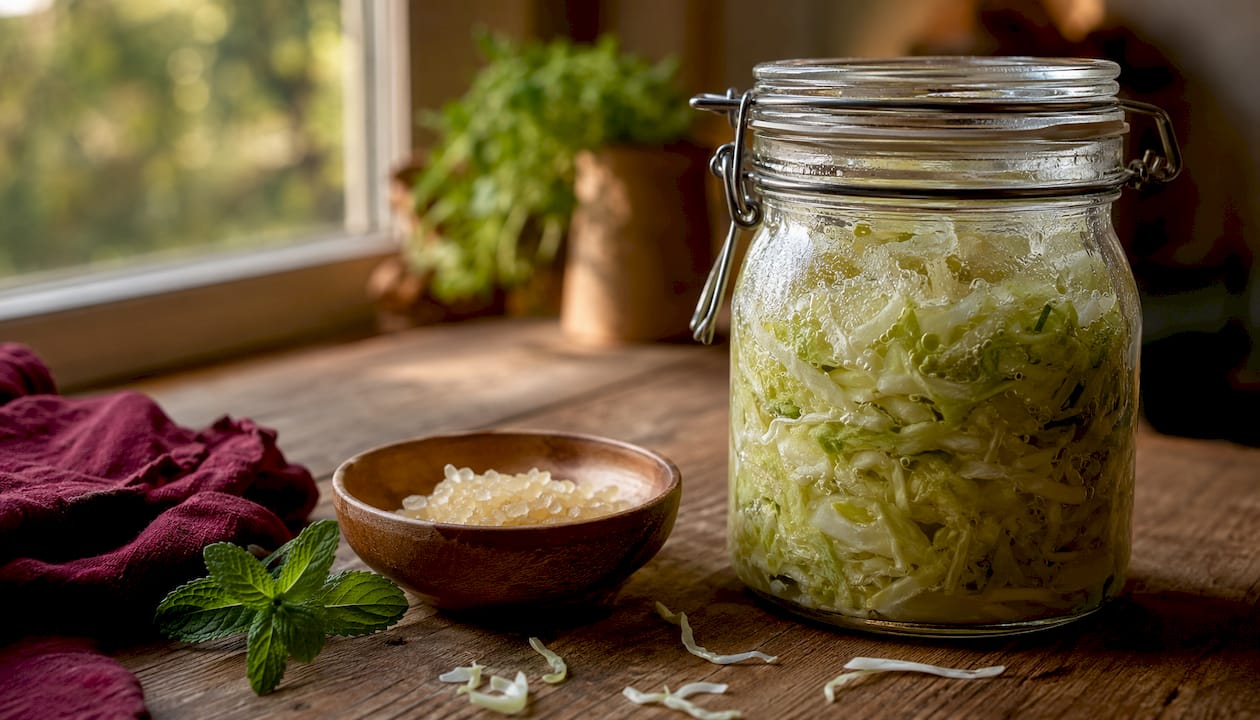
Acetic acid, found in apple cider vinegar and some longer ferments, hits harder and dissipates faster. Both acids serve the same structural purpose: they prevent umami-heavy dishes from feeling dense or monotonous.
Practical ways to use fermentation acidity:
- Finish roasted vegetables or grilled fish with a spoonful of Kimchi brine instead of lemon juice
- Whisk Sauerkraut liquid into vinaigrettes for a softer, more complex acidity
- Use fermented beet (Randen) liquid as an acidulating agent in cold sauces
- Deglaze a pan with a splash of raw apple cider vinegar for a quick acetic lift
- Taste and adjust: ferment acidity varies by batch, so always season by palate, not by recipe measurement alone
Why umami from fermentation is different from other savory flavors
Umami is the taste of free glutamate and certain nucleotides, detected by the T1R1/T1R3 receptor complex that signals protein presence to the brain. What makes fermentation-derived umami distinct is that it arrives alongside other flavor compounds, not in isolation. Miso does not just deliver glutamate. It delivers glutamate wrapped in organic acids, esters, and volatile aromatics that took months to develop.

The synergy effect is real and well-documented. Pairing two umami sources, such as kombu and bonito in dashi, produces a perceived savoriness greater than either ingredient alone. The same principle applies when you add Miso to a mushroom broth or finish a tomato sauce with a small amount of soy sauce.
Fermented foods with the highest umami impact in home cooking:
- Miso paste: months of Koji-mediated proteolysis concentrate free glutamates; white Miso is milder, red Miso is more intense
- Soy sauce: protein hydrolysis produces a deeply savory, salty liquid that amplifies other flavors without tasting distinctly of soy
- Aged hard cheese: Gruyère and Parmesan are among the highest natural sources of free glutamic acid
- Sauerkraut: drying or concentrating it intensifies its umami character beyond its obvious acidity
- Fish sauce: extreme proteolysis creates one of the most glutamate-dense condiments available
How to add fermented umami to your dishes at home
The most effective technique is to build umami in layers rather than adding a large amount of one fermented ingredient at the end. Start with a Miso-based marinade or a soy sauce glaze before cooking, then finish with a fermented topping or a few drops of fish sauce after. Each layer reads differently on the palate, and the cumulative effect is depth without any single note dominating.
Swiss home cooks have direct access to high-quality unpasteurized fermented products through local producers. Schöni offers traditionally fermented vegetables including Kimchi and Randen. Fermenti produces artisanal lacto-fermented vegetables available through retailers like Farmy.ch and Allnatura. pureTaste, based in Basel, specializes in Koji-aged tofu (TOJI) and vegan charcuterie made from Swiss organic vegetables, fermented and aged using Aspergillus oryzae. These are not novelty products. They carry the same flavor complexity as anything you would find in a professional kitchen.
Pro Tip: When using Miso or another fermented paste in a hot dish, stir it in off the heat or at the very end of cooking. High heat degrades the live cultures and dulls the more delicate aromatic compounds that make quality Miso worth buying. A live Koji miso added at the finish tastes noticeably brighter than one that has been simmered.
Practical applications:
- Whisk white Miso into butter for a finishing sauce on grilled vegetables or fish
- Add a tablespoon of soy sauce to braised lentils or bean dishes to deepen their savory base
- Use pureTaste TOJI as a cheese substitute on flatbreads or in grain bowls
- Toss roasted root vegetables with Kimchi from Schöni for a hot-and-sour side dish
The science behind fermentation flavor and where to find Swiss products
Fermentation is controlled microbial activity. Bacteria, yeasts, and molds convert sugars and proteins into acids, alcohols, and flavor compounds under specific conditions. For lacto-fermentation, salt concentration of 2–3% by weight is the critical variable: enough to suppress harmful microbes while allowing Lactobacillus strains to thrive. Temperature matters too. Vegetable ferments require 5–10 days at 20–22°C to develop the right balance of acidity and complexity, and longer fermentation always means more sourness.
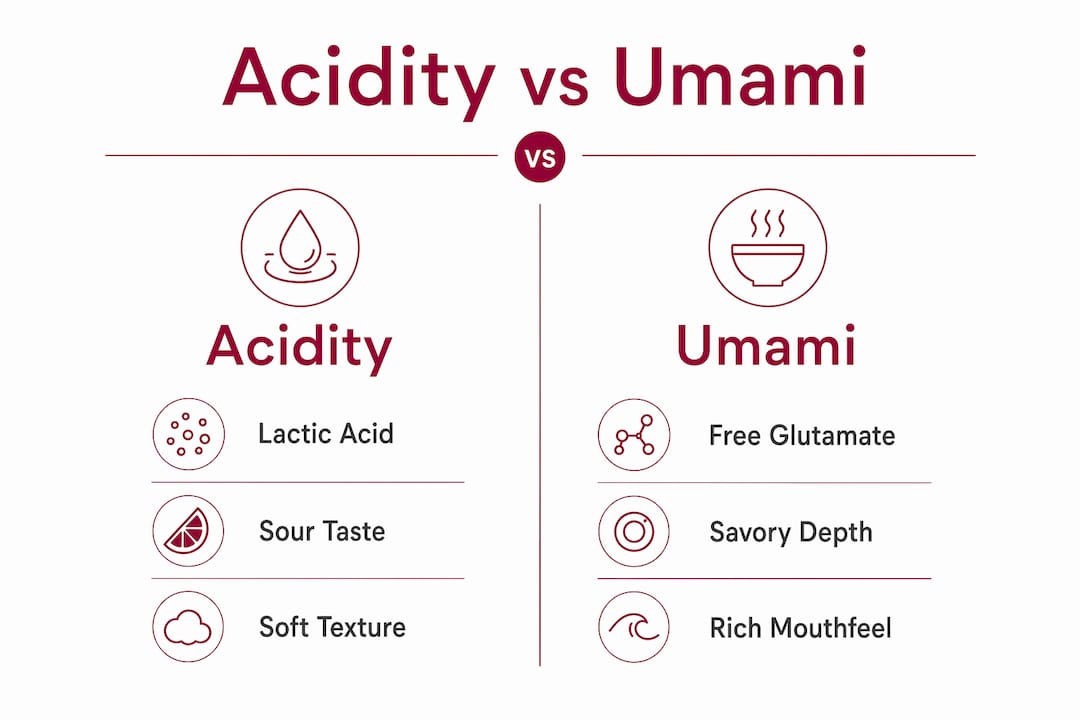
Koji fermentation works differently. Aspergillus oryzae, the mold used to make Miso and sake, produces proteolytic enzymes that break down proteins into free amino acids. Koji rice is incubated for 48 hours at 30–35°C to generate these enzymes, which then act on whatever substrate they contact, whether rice, soybeans, meat, or tofu. The result is accelerated aging and a concentration of umami compounds that would take years to develop through conventional aging. You can read more about how aged ferments differ in terms of flavor development and biochemistry.
For Swiss home cooks, the practical takeaway is that unpasteurized local products from Fermenti, Schöni, and pureTaste retain the live cultures and enzymatic activity that pasteurized supermarket versions lose. That is where the flavor difference actually lives.
How to store fermented products without losing their flavor
Opened fermented vegetables should go straight into the refrigerator, submerged in their brine. The cold slows microbial activity without stopping it entirely, which means the flavor continues to develop slowly over weeks. A jar of Kimchi from Schöni will taste noticeably more sour after three weeks in the fridge than it did on day one. That is not spoilage. It is the product doing what it is supposed to do.
A few storage rules that actually matter:
- Keep fermented vegetables submerged under their brine at all times; exposure to air invites surface yeasts
- White surface film (Kahm yeast) is harmless and can be skimmed off; gray or black mold means the batch should be discarded
- Store Miso paste with a piece of plastic wrap pressed directly against the surface before sealing the container
- Fermented sauces like soy sauce and fish sauce are shelf-stable but lose aromatic complexity after opening; use within six months
- Never store live-culture ferments in metal containers; the acid reacts with metal and affects flavor
Regional Swiss fermented foods and how to cook with them
Switzerland has a deeper fermentation tradition than most people realize. Sauerkraut (Sauerkraut in German-speaking regions, choucroute in French-speaking ones) has been a staple for centuries, typically paired with smoked pork, potatoes, and caraway. It is the most direct example of fermented acidity functioning as a structural element in a dish rather than a garnish.
Fermented Randen (beetroot) is a regional specialty with a milder, earthier acidity than Sauerkraut. It works well in grain salads, alongside smoked fish, or blended into a cold sauce. Aged Swiss hard cheeses, particularly Gruyère and Appenzeller, are fermented dairy products with some of the highest free glutamate concentrations of any food in the Swiss pantry. Using them as a finishing element rather than a bulk ingredient extracts their umami contribution more efficiently.
Kimchi has moved firmly into Swiss mainstream retail over the past several years, and local producers like Schöni now make versions adapted to Swiss palates and seasonal vegetables. Koji-fermented products from pureTaste represent the newer edge of Swiss fermentation, bringing Japanese enzymatic techniques to Swiss organic ingredients. For anyone exploring fermented flavor profiles beyond the familiar, these products are the most interesting starting point in the Swiss market right now.
Aboocha’s kombucha brings the same fermentation principles into drinkable form, with acidity and live cultures that complement a meal the way a well-chosen vinegar or fermented vegetable would. The Aboocha x Deefruit collaboration pairs fermented beverage craft with bold flavor combinations, and the bundle collections offer a practical way to explore the full range of fermented flavor profiles at home.
Key Takeaways
Fermented ingredients deliver both acidity and umami simultaneously, making them among the most efficient flavor tools available to home cooks.
| Point | Details |
|---|---|
| Salt concentration is critical | A 2–3% salt brine by weight drives lacto-fermentation and prevents spoilage in vegetable ferments. |
| Temperature controls timing | Vegetable ferments develop best at 20–22°C and typically take 5–10 days to reach the right acidity. |
| Koji unlocks deep umami | Aspergillus oryzae incubated for 48 hours at 30–35°C produces enzymes that break proteins into free glutamates. |
| Store submerged and cold | Keeping fermented vegetables under brine in the refrigerator preserves flavor and prevents harmful mold. |
| Layer fermented flavors | Adding fermented ingredients at multiple cooking stages builds depth without any single note overpowering the dish. |
FAQ
What are fermented food flavors?
Fermented food flavors are the acids, free amino acids, and aromatic compounds produced when microorganisms break down sugars and proteins. The result is a combination of acidity, umami, and complex aromatics not present in the raw ingredient.
What are examples of fermented flavoring in cooking?
Common examples include Miso paste, soy sauce, fish sauce, Sauerkraut brine, Kimchi, and apple cider vinegar. Each delivers acidity, umami, or both, depending on the fermentation method used.
What are the top fermented foods for home cooks?
Miso, Sauerkraut, Kimchi, soy sauce, and aged hard cheese (such as Gruyère or Parmesan) are the most practical starting points, offering high umami or acidity with wide culinary applications.
What is fermented flavor and why does it taste different?
Fermented flavor comes from the breakdown of proteins into free glutamates and the production of organic acids, creating savory depth and brightness that raw or cooked ingredients cannot replicate on their own.