
Rare fermentation flavor profiles are complex combinations of specific microbes and their metabolic byproducts that produce uncommon tastes in beverages like kombucha, specialty coffee, and artisan ferments. The industry term for this field is fermentation flavor biochemistry, and understanding it transforms how you taste and evaluate any fermented drink. These profiles go far beyond basic sour or tangy notes. They include tropical fruit esters, floral aldehydes, umami depth, and even woody sweetness, all generated by microbial activity during fermentation. Aboocha builds its entire product line around this principle, crafting kombuchas like Sour Plum and Yuzu Osmanthus that showcase what intentional fermentation flavor development can achieve.
1. Rare fermentation flavor profiles explained: what makes them uncommon
Uncommon fermentation tastes emerge when specific microbial strains interact with substrates under controlled conditions. Most mass-produced fermented drinks use a narrow set of starter cultures, which limits flavor range. Rare profiles require either unusual microbes, atypical raw materials, or precise environmental control that most producers never attempt.
Fermentation is a biotransformation tool that converts simple substrates into complex flavor-active compounds like esters, aldehydes, and sulfur compounds. That conversion is what separates a flat, one-note drink from something genuinely memorable. The rarer the microbial combination or substrate, the more unexpected the flavor outcome.
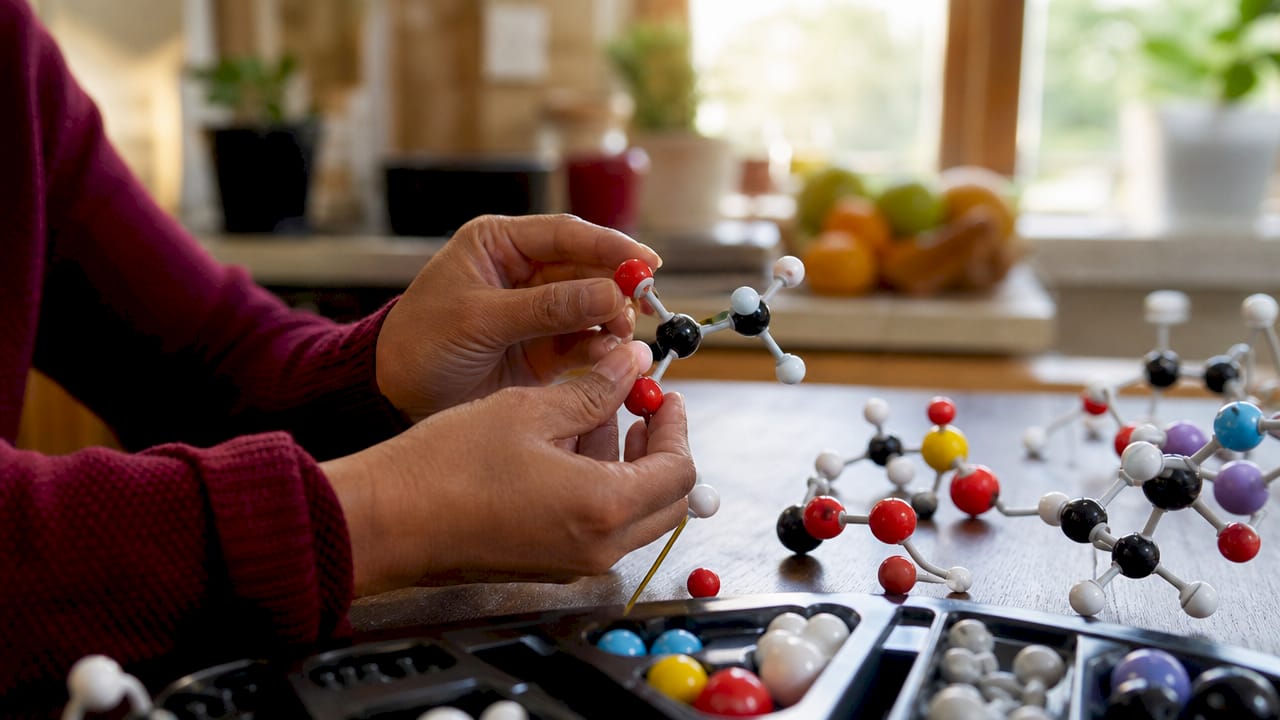
2. What are the key microbial contributors to rare fermentation flavors?
Three microbial groups drive the most distinctive flavor outcomes in fermented beverages.
- Saccharomyces cerevisiae produces tropical fruit esters, particularly isoamyl acetate, which registers as banana or pear on the palate.
- Pichia fermentans yields floral and stone-fruit aromas, adding jasmine and apricot notes that most ferments never develop.
- Lactobacillus species generate lactic acid, creating creamy, yogurt-like acidity that softens sharp edges in a drink.
These three strains each produce a distinct sensory signature. The real complexity comes when they work together. Lactic Acid Bacteria acidify the base while yeasts contribute volatile esters and sulfur compounds, and microbial synergism is what creates flavor depth that no single strain can achieve alone.
Fungi and wild yeasts add another layer. Strains found in traditional ferments like Jianshui stinky tofu produce phenolic compounds through microbial decomposition of tyrosine, contributing woody and sweet aromas that are entirely absent from standard fermented drinks.
Pro Tip: If you want to explore how specific microbes shape flavor, start by comparing a single-strain kombucha with a multi-culture brew side by side. The difference in complexity is immediate and educational.
3. How do chemical compounds shape uncommon fermentation flavor profiles?
Five major chemical classes produce the flavor of fermented foods: organic acids, alcohols and esters, carbonyl compounds, sulfur metabolites, and phenolics. Each class delivers a distinct sensory effect.
| Compound Class | Flavor Contribution | Example Sensory Note |
|---|---|---|
| Organic acids | Sour, tangy, pickled | Lactic, acetic, citric |
| Esters | Fruity, floral | Tropical fruit, rose, pear |
| Carbonyl compounds | Buttery, caramelized | Diacetyl, furans |
| Sulfur metabolites | Savory, umami | Roasted, meaty depth |
| Phenolics | Winey, woody, sweet | Rum-like, vanilla-adjacent |
Esters like ethyl acetate drive tropical fruit notes, while phenolic compounds contribute winey or rum-like depth. Furans provide caramelized sweetness that shows up in anaerobic coffee ferments and some aged kombuchas. Each compound class builds on the others, which is why understanding fermentation flavors requires looking at the full chemical picture, not just one compound in isolation.
Pro Tip: When tasting a fermented drink, try to identify one compound class at a time. Start with acidity, then look for fruit esters, then check for any savory or woody finish. This layered approach trains your palate faster than trying to name everything at once.
4. What rare flavor profiles emerge from advanced fermentation techniques?
Advanced fermentation techniques produce flavor outcomes that standard methods cannot replicate. The most significant variables are oxygen exposure, fermentation duration, temperature, and microbial inoculation.
- Anaerobic fermentation seals the substrate from oxygen, pushing microbes toward producing more esters and less acetic acid. Anaerobic natural coffee processing yields pronounced fruit funk, with flavors ranging from blueberry to fermented grape.
- Extended fermentation at warmer temperatures shifts flavor from clean citrus to funky tropical fruit. Small changes in fermentation time and temperature cause exponential flavor changes, which is why pH monitoring determines the ideal fermentation endpoint.
- Rare strain inoculation introduces microbes not found in standard starter cultures. Pichia fermentans, for example, is rarely used in commercial kombucha but produces floral and stone-fruit notes that dramatically change the drinking experience.
- Unusual substrate choices shift the nutrient base available to microbes. Fermenting with osmanthus flowers, yuzu peel, or sour plum introduces phenolic precursors and organic acids that standard tea bases do not contain. Aboocha’s Yuzu Osmanthus kombucha is a direct example of this approach.
- Traditional extreme ferments like Jianshui stinky tofu show what happens when fermentation runs deep. Total free amino acids increase fourfold during that process, and phenolics and flavonoids increase by 29.84% and 162.02% respectively. That biochemical transformation explains the intense umami and woody sweetness that make the product so distinctive.
Mastering fermentation control of temperature, oxygen, and microbial interactions enables creating flavors ranging from sourness to floral and umami depth. The line between intentional complexity and spoilage is real, but it is a line you can learn to read.
5. How can enthusiasts identify and appreciate unique fermentation flavors in drinks?
Identifying rare flavors in fermented drinks requires a structured tasting approach. Sensory vocabulary is your most useful tool.
- Aroma first. Smell the drink before tasting. Intentional fermentation smells fruity, vinegary, or lactic. Musty, moldy, or soapy odors signal spoilage, not complexity.
- Assess acidity. Lactic acidity feels round and creamy. Acetic acidity is sharper and more vinegar-like. Citric acidity is bright and clean. Identifying which type dominates tells you which microbes were most active.
- Look for fruit esters. Tropical fruit notes like mango, pineapple, or guava come from ester production by yeasts. Floral notes like jasmine or rose point to Pichia fermentans activity.
- Check the finish. Savory or umami depth in the aftertaste suggests sulfur metabolites or amino acid breakdown. A woody or winey finish points to phenolic compounds.
- Record your notes. Writing down flavor descriptors after each tasting builds a personal reference library. Over time, you will recognize microbial signatures before you even know the producer’s process.
The tasting notes for kombucha framework applies directly to any fermented beverage. Acidity, body, aroma, and finish are the four axes that map any flavor profile, rare or common. Exploring exotic beverage flavor profiles across different fermented drinks accelerates your sensory vocabulary faster than any single category can.
Flavor preferences also vary by culture. Some regions prefer unfermented cacao for its bitter and astringent notes, while others seek the fruity complexity of fully fermented beans. That diversity shows how much personal and cultural context shapes what counts as a desirable fermentation flavor.
Key takeaways
Rare fermentation flavor profiles are built from specific microbial combinations and chemical compound classes that standard fermentation methods never produce.
| Point | Details |
|---|---|
| Microbes drive flavor identity | Saccharomyces, Pichia, and Lactobacillus each produce distinct esters, acids, and aromas. |
| Five compound classes define taste | Organic acids, esters, carbonyls, sulfur metabolites, and phenolics each add a different sensory layer. |
| Technique determines rarity | Anaerobic conditions, rare strain inoculation, and unusual substrates produce flavors standard methods cannot. |
| Aroma separates funk from spoilage | Fruity or lactic smells signal intentional fermentation; musty or soapy smells signal contamination. |
| Structured tasting builds expertise | Assessing aroma, acidity, ester notes, and finish systematically trains your palate to recognize rare profiles. |
Why rare fermentation flavors are worth chasing
I have spent years tasting fermented drinks across categories, from natural wine to specialty coffee to kombucha, and the thing that still surprises me is how little most people expect from fermentation. They accept sour and fizzy as the ceiling. It is not.
The most interesting fermented drinks I have encountered share one trait: the producer treated microbial activity as a creative instrument, not a background process. Aboocha’s Yuzu Osmanthus is a good example. The floral and citrus notes in that drink are not flavoring additions. They come from the substrate and the fermentation conditions working together. That is a fundamentally different approach from adding fruit juice after the fact.
My honest advice for anyone serious about exploring fermentation taste: stop treating funk as a flaw. The savory, umami-adjacent notes in a well-fermented drink are the result of amino acid breakdown and sulfur metabolism. They are the same reason aged cheese and miso taste complex. Once you recognize that, your tolerance for unusual profiles expands fast.
The science matters, but it serves the sensory experience. Learn the compound classes, understand what each microbe contributes, and then let your palate lead. The fermented drink varieties worth seeking out are the ones where you can taste the intention behind every fermentation decision.
— Luna
Aboocha’s curated bundles: rare flavors ready to taste
Rare fermentation flavors are easiest to appreciate when you have a well-crafted reference point in your glass.
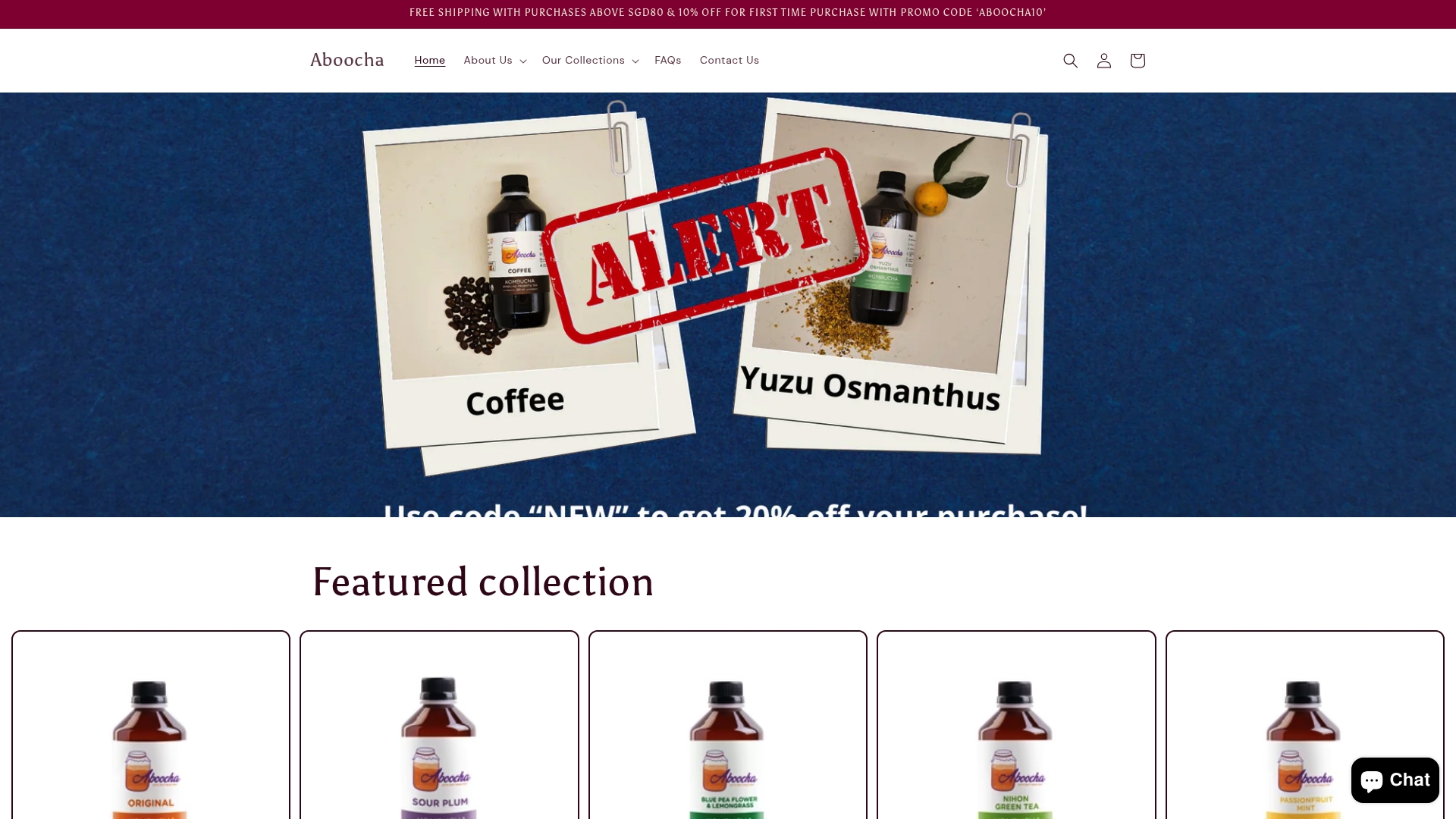
Aboocha’s curated kombucha bundles bring together flavor-forward kombuchas like Sour Plum and Yuzu Osmanthus, each built around intentional fermentation choices rather than standard starter cultures. The Aboocha x Deefruit collaboration takes that further, pairing artisanal fermentation with fruit-forward ingredients to produce profiles you will not find in conventional kombucha. Lower sugar content keeps the fermentation flavors clean and unmasked. If you want to taste what advanced fermentation technique actually produces in a finished drink, these bundles are the most direct path.
FAQ
What are rare fermentation flavor profiles?
Rare fermentation flavor profiles are uncommon taste combinations produced by specific microbial strains and chemical compounds during fermentation. They include tropical fruit esters, floral aldehydes, umami depth, and woody sweetness not found in standard fermented drinks.
Which microbes create the most unusual fermentation flavors?
Pichia fermentans produces floral and stone-fruit aromas, while Saccharomyces cerevisiae generates tropical fruit esters and Lactobacillus species create creamy lactic acidity. Their combined activity produces the most complex and rare flavor profiles.
How do I tell intentional funk from spoilage in a fermented drink?
Intentional fermentation smells fruity, vinegary, or lactic. Spoilage produces musty, moldy, or soapy odors. Aroma clarity is the fastest and most reliable way to make that distinction.
What fermentation techniques produce the rarest flavors?
Anaerobic fermentation, extended duration at warmer temperatures, and rare strain inoculation each push flavor development beyond standard profiles. Small changes in temperature or fermentation time cause exponential shifts in the final flavor outcome.
Does substrate choice affect fermentation flavor profiles?
Unusual substrates like osmanthus flowers, yuzu peel, or sour plum introduce phenolic precursors and organic acids that standard bases do not contain. Those compounds become flavor-active during fermentation, producing profiles that are impossible to replicate with conventional ingredients.