
Fermentation is defined as the microbial transformation of food substrates into a broad spectrum of flavor-active compounds through multiple biochemical pathways. This process is why fermentation creates complex flavors that no synthetic additive can fully replicate. Lactic acid bacteria (LAB), Saccharomyces cerevisiae yeast, and various molds each contribute distinct molecules including organic acids, esters, higher alcohols, and ketones. The result is not a single flavor note but a layered profile built from dozens of interacting compounds. Understanding this science helps you ferment with intention rather than guesswork.
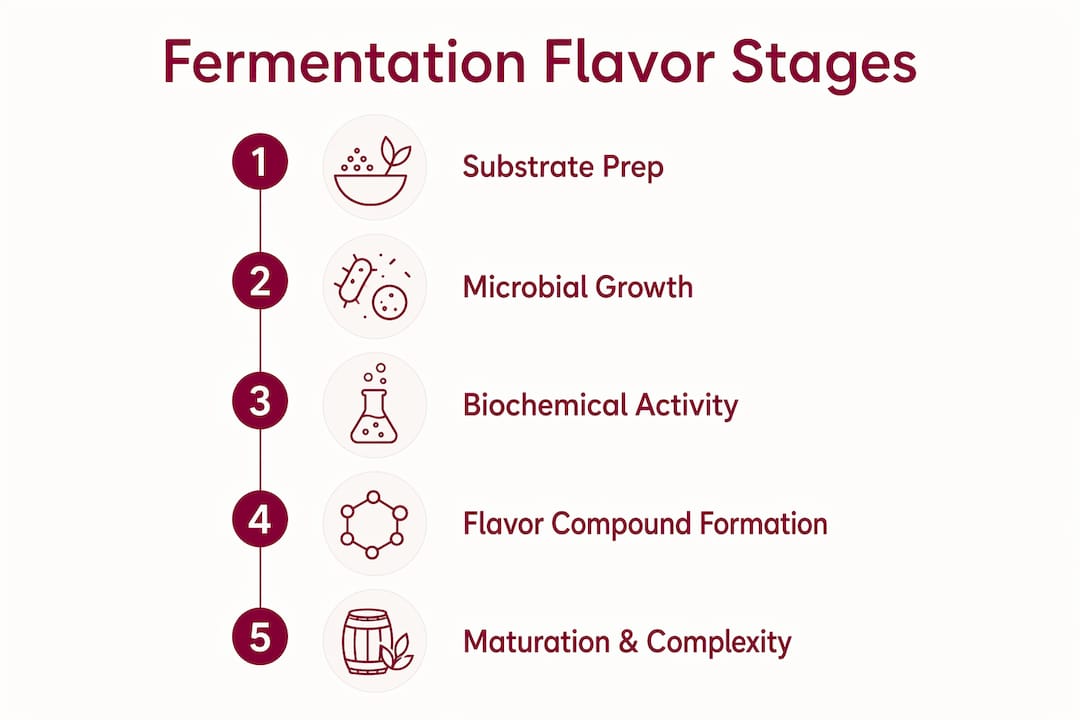
Why fermentation creates complex flavors at the microbial level
The flavor complexity in fermented foods comes from the complementary biochemical activities of multiple microbial groups working simultaneously or in sequence. No single microbe produces the full spectrum. Each group contributes a distinct family of aroma compounds, and their interactions multiply the total output far beyond what any monoculture could achieve.
How lactic acid bacteria shape taste
LAB are the workhorses of fermentation flavor development. They metabolize carbohydrates into lactic acid, acetic acid, and diacetyl, and they catabolize amino acids into aldehydes, alcohols, and organic acids that define the tangy, buttery, or savory notes in yogurt, sourdough, and kimchi. Diacetyl, the compound responsible for the buttery aroma in cultured butter and certain beers, is a direct product of LAB acetoin metabolism. Without LAB, most fermented foods would taste flat and one-dimensional.
The Ehrlich pathway and yeast aroma compounds
Yeasts contribute a completely different flavor register. Through the Ehrlich pathway, Saccharomyces cerevisiae converts amino acids into higher alcohols and esters via transamination, decarboxylation, and reduction. Isoamyl acetate (banana aroma), ethyl acetate (fruity/solvent), and phenylethanol (rose-like) are all Ehrlich pathway products. The specific aroma output depends heavily on yeast strain genetics, meaning two batches fermented under identical conditions can smell noticeably different if the yeast strains differ.
Molds, non-LAB bacteria, and specialty compounds
Molds like Penicillium roqueforti in blue cheese produce methyl ketones and lactones that deliver sharp, earthy, and creamy notes. Non-LAB bacteria such as Brevibacterium linens on washed-rind cheeses generate sulfur compounds and propionate, which create the pungent, complex aromas that make those cheeses polarizing but unforgettable. These microbial contributions are additive. The more diverse the active microbial community, the wider the palette of flavor compounds in the final product.
Pro Tip: When making sourdough or lacto-fermented vegetables at home, avoid using distilled water treated with chloramine. Chloramine suppresses LAB and wild yeast populations, narrowing the microbial community and flattening the flavor profile.
How microbial interactions and fermentation stages build flavor
Fermentation flavor development is not a static event. It unfolds in stages, with different microbial populations dominating at different times, each altering the chemical environment for those that follow.
In sourdough, the process follows a recognizable sequence:
- Early-stage wild yeasts consume simple sugars, producing CO2, ethanol, and initial volatile esters that give fresh bread its yeasty aroma.
- LAB populations grow as pH drops, producing lactic and acetic acids that acidify the dough and generate new flavor precursors through proteolysis.
- Amino acids released by proteolysis feed back into yeast amino acid catabolism, producing a second wave of higher alcohols and esters.
- The accumulated organic acids shift the microbial community further, selecting for acid-tolerant strains that produce their own distinct metabolites.
- The final baked product reflects all of these layered contributions, which is why a long cold-fermented sourdough tastes more complex than a quick commercial loaf.
This succession matters enormously. Natural fermentation starters form complex, interacting microbial ecosystems that produce layered flavors difficult to replicate synthetically. A commercial instant yeast packet contains one strain. A well-maintained sourdough starter contains dozens of LAB strains and multiple wild yeast species, all interacting.
Organic acids produced during fermentation do more than contribute sourness. Research on Huangjiu, a traditional Chinese rice wine, shows that organic acid levels directly shift fungal community composition, altering ethanol metabolism and producing 44 differing flavor compounds between high-acid and low-acid samples. This means the acid you taste is also reshaping the microbial community that will determine what you taste next.
“Microbial community succession and metabolite feedbacks determine flavor outcomes more than initial ingredients alone, emphasizing microbial ecosystem management.” — Driving impact of organic acids on microbial community dynamics in Huangjiu
How biochemical transformations expand the flavor precursor pool
Microbes do not work only with the raw ingredients you add to a fermentation vessel. They work with the breakdown products of those ingredients, and that distinction is what makes fermentation flavor so much richer than the sum of its parts.
| Biochemical process | Substrates used | Flavor compounds produced |
|---|---|---|
| Proteolysis | Proteins | Free amino acids, peptides feeding Maillard/Strecker reactions |
| Lipid beta-oxidation | Fatty acids | Ketones, aldehydes, lactones |
| Esterification | Alcohols + organic acids | Fruity esters (ethyl acetate, isoamyl acetate) |
| Amino acid catabolism | Free amino acids | Higher alcohols, aldehydes, sulfur compounds |
Endogenous enzymes in the raw food substrate begin this process before microbes even dominate. In meat fermentation, muscle proteases start releasing peptides and free amino acids within hours. Microbial enzymes then take over, converting those substrates into volatile aroma compounds. Proteases, esterases, and aminotransferases work together to produce complex mixtures of aldehydes, acids, esters, and sulfur compounds that define the signature taste of products like aged salami, miso, and aged cheese.
Lipid metabolism adds another dimension. Beta-oxidation of fatty acids generates medium-chain ketones and aldehydes, while esterification combines those alcohols with organic acids to produce fruity esters. This is why a well-aged Gouda smells faintly of caramel and butterscotch. The proteolysis and amino acid metabolism that occur during fermentation also feed directly into Maillard and Strecker chemistry during cooking or aging, amplifying savory, roasted, and nutty notes.
Pro Tip: To maximize ester production in home fermented beverages, ferment at the lower end of your yeast’s recommended temperature range. Cooler temperatures slow yeast metabolism slightly, favoring ester synthesis over fusel alcohol production and producing a cleaner, fruitier aroma profile.
What practical factors control flavor complexity at home
Understanding the science is only useful if it changes how you ferment. Several controllable variables determine whether your fermented foods develop rich, layered flavors or fall flat.
-
Starter culture diversity. A diverse, well-maintained starter contains multiple LAB strains and wild yeasts. Strain-specific genetics and environmental factors affect metabolic fluxes and aroma output, meaning a single-strain commercial starter will always produce a narrower flavor spectrum than a traditional mixed culture. Refresh your sourdough starter regularly and feed it with whole-grain flour to maintain microbial diversity.
-
Temperature management. Temperature controls which microbial populations dominate and how fast they work. Higher temperatures favor acetic acid production in kombucha and sourdough. Lower temperatures favor lactic acid and ester synthesis. Knowing this lets you steer the flavor profile deliberately rather than accepting whatever the room temperature delivers.
-
Fermentation time and pH monitoring. Flavor complexity builds over time as successive microbial populations each add their metabolites. Cutting fermentation short means you capture only the early-stage compounds. A simple pH strip or meter tells you where you are in the process and helps you decide when to stop.
-
Avoiding microbial suppression. Suppressing functional microbial groups such as yeast or LAB eliminates entire aroma families from the final product. Using chlorinated tap water, fermenting at extreme temperatures, or adding too much salt too early can all selectively kill off microbial populations you need for flavor complexity. Check your water source and salt percentages carefully.
-
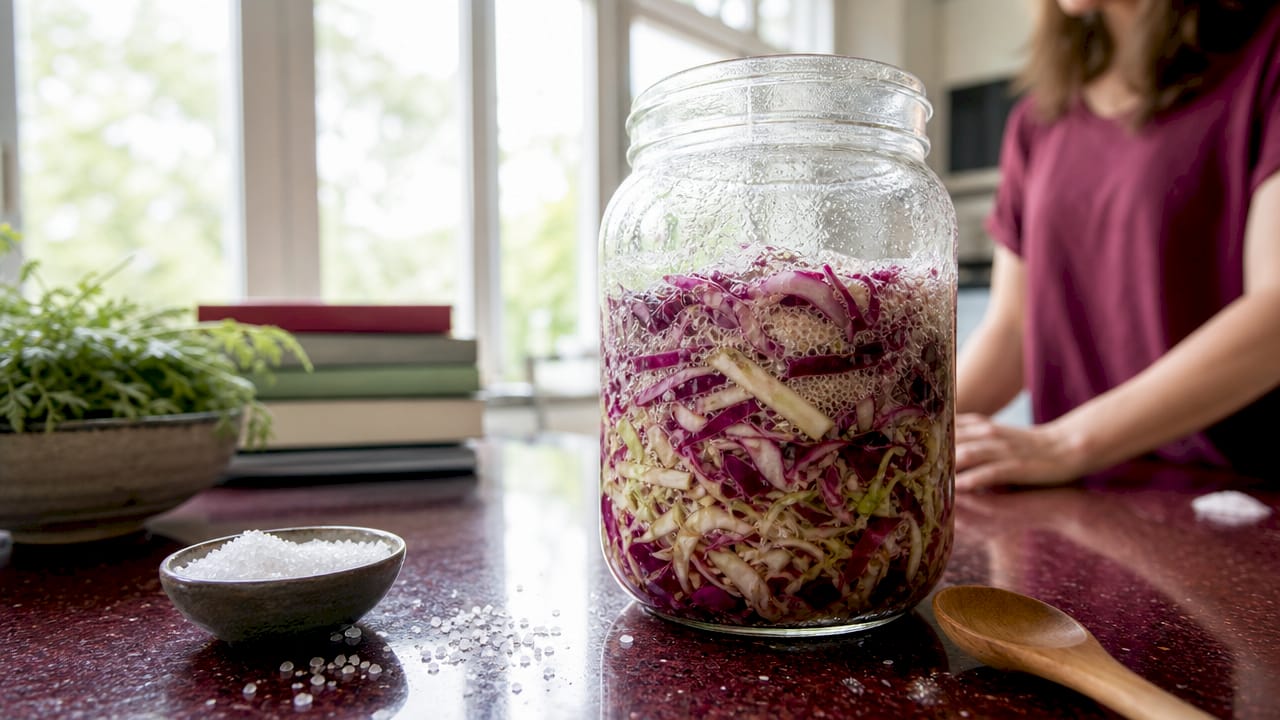
Oxygen management. Anaerobic conditions favor LAB and suppress mold and aerobic bacteria. Aerobic conditions favor acetic acid bacteria and certain molds. Knowing which flavor profile you want tells you how much oxygen to allow. Kombucha needs surface exposure. Lacto-fermented vegetables need to stay submerged.
Key takeaways
Fermentation creates complex flavors because diverse microbial communities transform food substrates through multiple simultaneous biochemical pathways, producing dozens of interacting flavor compounds that no single ingredient or additive can replicate.
| Point | Details |
|---|---|
| Multiple microbes required | LAB, yeasts, and molds each contribute distinct flavor families that combine into complexity. |
| Ehrlich pathway drives ester and alcohol aromas | Saccharomyces cerevisiae converts amino acids into fruity esters and higher alcohols via this pathway. |
| Microbial succession shapes final flavor | Sequential microbial activity in sourdough and similar ferments layers flavor compounds over time. |
| Biochemical transformations multiply precursors | Proteolysis and lipid oxidation release substrates that feed esterification and Maillard chemistry. |
| Starter diversity is the home cook’s biggest lever | Maintaining a diverse, well-fed starter culture produces wider flavor complexity than single-strain alternatives. |
Why microbial diversity is the real secret ingredient
I have tasted a lot of fermented foods, and the ones that stop you mid-bite always share one trait: they were made with living, diverse microbial communities that were actively managed, not just left to chance. The science confirms what experienced fermenters have known intuitively for centuries.
What surprises most home cooks is that the ingredients matter less than the microbial ecosystem you build around them. A mediocre flour fermented with a thriving, diverse sourdough starter will outperform a premium flour fermented with a tired, monoculture starter every time. The impact of yeast on flavor is real, but it is only one voice in a choir.
The practical implication is this: treat your starter like a garden, not a tool. Feed it consistently, keep it at a stable temperature, and introduce variety through whole grains or fresh fruit additions. When you do that, the microbial succession takes care of the flavor complexity for you. You are not manufacturing flavor. You are creating the conditions for microbes to manufacture it on your behalf.
The biggest mistake I see is impatience. Cutting fermentation short to avoid sourness also cuts the ester and higher alcohol development that gives depth. Let the process run. Monitor pH. Taste as you go. The fermented foods flavor benefits you get from a fully developed ferment are worth the extra day or two.
— Luna
Taste fermentation complexity in every sip with Aboocha
If you want to experience what well-managed fermentation flavor development actually tastes like without setting up your own fermentation vessel, Aboocha’s Barley Rose Kombucha is a direct demonstration of these principles in a bottle.
Aboocha uses traditional fermentation with natural starters to develop the organic acids, esters, and layered aroma compounds this article describes. The Barley Rose Kombucha delivers a flavor profile built from genuine microbial activity, not added flavoring. It is lower in sugar than conventional kombucha, which means the flavor complexity comes from fermentation chemistry rather than sweetness masking. For anyone serious about understanding how fermentation improves taste, tasting a product that gets the microbiology right is the fastest shortcut available.
FAQ
Why do fermented foods taste more complex than fresh ones?
Fermentation produces dozens of flavor-active compounds including organic acids, esters, higher alcohols, and sulfur compounds through microbial biochemical activity. Fresh foods contain only the flavor compounds present in the raw ingredient.
What is the role of bacteria in fermentation flavor?
Lactic acid bacteria produce organic acids, diacetyl, and aldehydes through amino acid catabolism and carbohydrate fermentation, contributing tangy, buttery, and savory notes to fermented foods.
How does yeast affect flavor during fermentation?
Saccharomyces cerevisiae converts amino acids into higher alcohols and fruity esters via the Ehrlich pathway, with the specific aroma output varying by yeast strain genetics and fermentation temperature.
Can you get the same flavor complexity from a single-strain starter?
No. Single-strain starters produce a narrower range of flavor compounds because they lack the microbial succession and metabolite interactions that generate complexity in traditional mixed-culture ferments.
Why do flavors change during fermentation over time?
As fermentation progresses, successive microbial populations alter the chemical environment through organic acid production and substrate depletion, selecting for different microbes that each contribute new flavor compounds to the profile.