
Kombucha is generally safe for teenagers when consumed in moderate amounts from reputable commercial sources with verified low alcohol and caffeine levels. This fermented tea beverage has gained real traction among health-conscious families seeking gut-friendly alternatives to soda, and the interest is understandable. Kombucha delivers live cultures, organic acids, and antioxidants from its tea base. The question of whether kombucha is safe for teens is not a simple yes or no. It depends on the product type, how it was brewed, and how much your teen drinks. Understanding those variables puts you in control.
What are the main safety concerns with kombucha for teenagers?
The biggest safety issue with kombucha for teenagers is not the probiotics. It is the variability in alcohol content, caffeine levels, and contamination risk, particularly in homemade versions. Parents who treat kombucha like any other health drink miss these distinctions.
Alcohol content is the first concern. Kombucha fermentation naturally produces ethanol. Commercial kombucha is regulated to stay at or below 0.5% ABV, which classifies it as a nonalcoholic beverage in most markets. However, “nonalcoholic” does not mean zero alcohol. Homemade brews can exceed 0.5% ABV without any visible sign, making them unsuitable for teens. The ISAPP explains that yeasts in fermentation create ethanol that must be factored in when serving fermented drinks to children and adolescents.
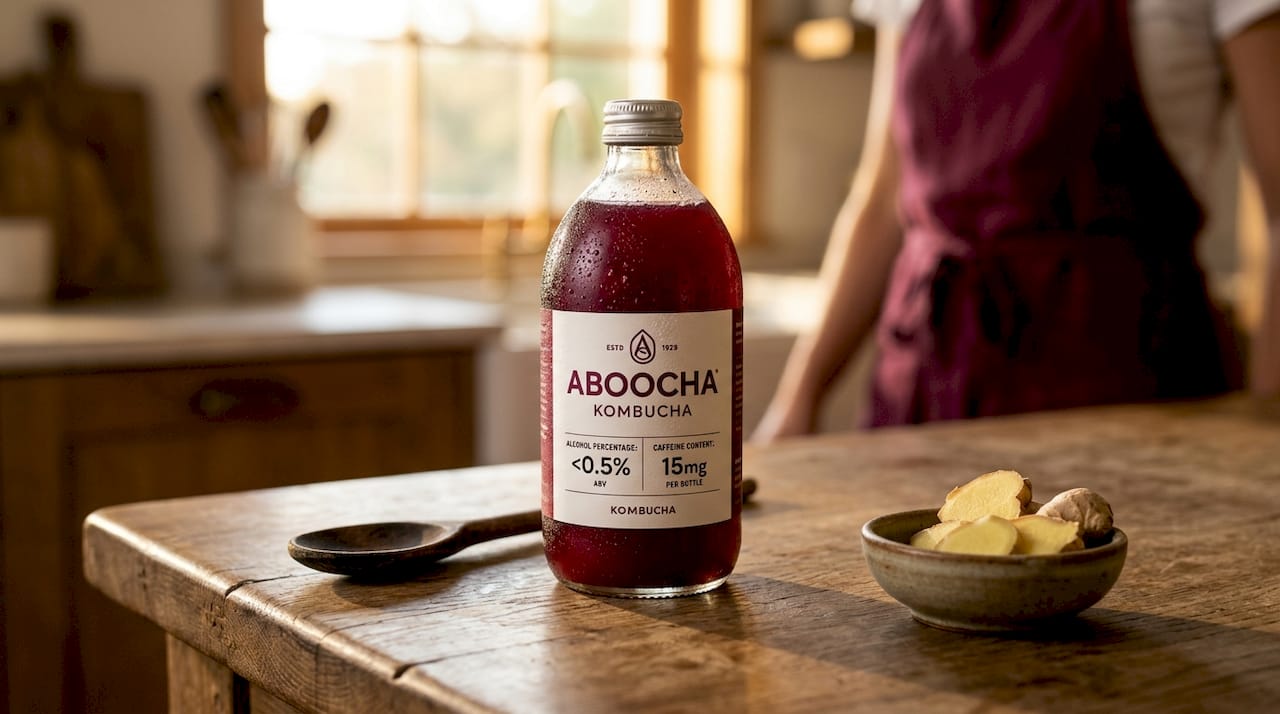
Caffeine is the second concern. Kombucha is brewed from tea, which means every bottle carries caffeine. Teenagers are more sensitive to caffeine than adults, and caffeine from kombucha can disrupt sleep if consumed in the evening. Green tea varieties tend to have less caffeine than black tea bases, which matters when choosing a product for your teen.
Sugar content is worth watching too. Many commercial kombucha brands add fruit juice or sweeteners after fermentation to improve flavor. A single bottle can contain 20 to 30 grams of sugar, which rivals a soft drink. Reading the nutrition label is non-negotiable.
Contamination risk applies almost exclusively to homemade kombucha. The University of Georgia CAES notes that mold growth and bacterial contamination are real hazards when proper hygiene and equipment sanitation are not maintained. For teens, that risk is not worth taking when quality commercial options exist.
Pro Tip: Before handing your teen a bottle of kombucha, flip it over and check three things: alcohol percentage, caffeine source, and total sugar per serving. If any of those are unlisted, choose a different brand.
How to choose safe kombucha products for teenagers
Choosing the right product is where most parents can make the biggest difference. Not all commercial kombucha is created equal, and a few specific criteria separate genuinely teen-appropriate options from those that are not.
-
Buy commercially produced kombucha only. Homemade kombucha carries inconsistent alcohol content and contamination risks that commercial quality controls eliminate. Solid Starts specifically advises parents to prefer commercial types for teens and to avoid home-brewed versions entirely for younger populations.
-
Verify the alcohol content is under 0.5% ABV. This is the regulatory threshold for nonalcoholic beverages. Check the label directly. Some brands voluntarily test and display their alcohol levels; those are the ones worth buying.
-
Choose low-caffeine varieties. Green tea-based kombucha contains less caffeine than black tea-based versions. If your teen is caffeine-sensitive or drinks kombucha in the afternoon, a green tea base is the smarter pick.
-
Look for pasteurized or quality-controlled products. Pasteurization reduces the live culture count but also eliminates contamination risk. For teens with compromised immune systems or digestive conditions, pasteurized kombucha is the safer starting point.
-
Check sugar per serving. Target products with under 10 grams of sugar per 250ml serving. Aboocha, for example, formulates its kombucha with lower sugar content than conventional brands, which makes portion management easier for parents.
-
Start with smaller bottles. A 250ml serving is appropriate for a teenager trying kombucha for the first time. Larger format bottles encourage overconsumption, especially if the teen enjoys the flavor.
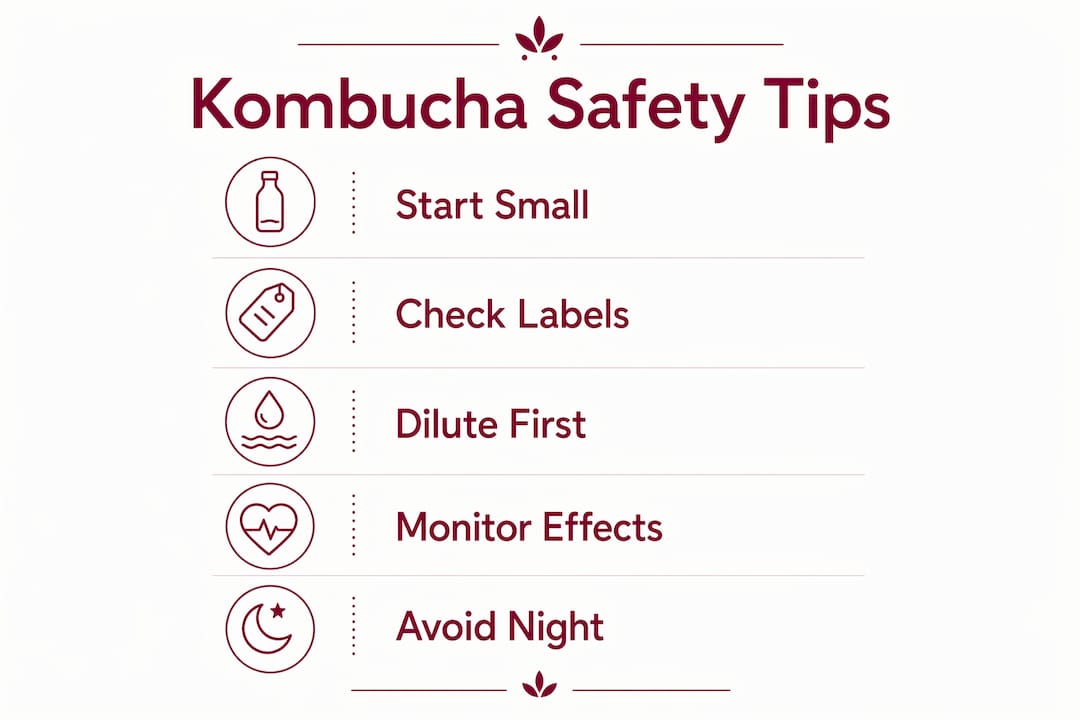
Pro Tip: If your teen is new to fermented drinks, dilute the first few servings with still water at a 1:1 ratio. This reduces the acidity, lowers the caffeine and sugar per sip, and gives the gut time to adjust without discomfort.
The University of Georgia CAES suggests up to 4 fluid ounces per day as a general guideline for healthy individuals. For teenagers, starting at that lower end and observing reactions before increasing is the practical approach.
How to safely introduce kombucha to teens and monitor effects
Introducing kombucha to a teenager is a risk management decision, not a binary safe-or-unsafe call. The goal is to start small, observe carefully, and adjust based on your teen’s individual response.
- Start with 25 to 50ml per serving. This is roughly one to two ounces. It is enough to introduce the gut to live cultures without overwhelming the digestive system.
- Wait 24 to 48 hours before the next serving. Watch for bloating, stomach cramps, or changes in digestion. These are common initial reactions that typically resolve as the gut adjusts.
- Avoid serving kombucha before bedtime. The caffeine content, even in small amounts, can interfere with sleep in teenagers whose nervous systems are still developing.
- Do not serve kombucha daily in the early weeks. Two to three times per week is a reasonable frequency while you monitor how your teen responds.
- Consult your teen’s pediatrician if they have a history of irritable bowel syndrome, Crohn’s disease, or immune system conditions. The age-based guidance from Babynama recommends that children under 4 avoid kombucha entirely, and that older teens consume only small, occasional amounts with parental oversight.
The table below summarizes the key serving tips and precautions at a glance.
| Serving tip | Precaution |
|---|---|
| Start at 25 to 50ml per serving | Avoid larger servings until tolerance is confirmed |
| Serve with food, not on an empty stomach | Reduces acidity impact on the stomach lining |
| Choose morning or early afternoon timing | Prevents caffeine-related sleep disruption |
| Dilute with still water if needed | Lowers acidity and caffeine concentration per sip |
| Limit to 2 to 3 servings per week initially | Prevents overconsumption while gut adjusts |
For teens who want to understand more about what they are drinking, Aboocha’s first-time drinking guide walks through the experience clearly and is written for readers new to fermented beverages.
What are safer probiotic beverage alternatives for younger children and teens?
Kombucha is not the only way to deliver gut health benefits to a teenager. For younger teens, sensitive digestive systems, or kids who simply do not enjoy the vinegary taste, several traditional probiotic beverages offer comparable benefits with a safer profile.
Probiotic-rich alternatives like dahi (Indian yogurt drink), chaach (spiced buttermilk), and kefir contain live bacterial cultures without any alcohol or caffeine. These drinks have been consumed safely by children across generations and carry no regulatory concerns around alcohol content. Kefir in particular delivers a high concentration of Lactobacillus and Bifidobacterium strains, which are well-studied for digestive health in adolescents.
The comparison below shows how these options stack up against commercial kombucha on the factors that matter most for teen safety.
| Beverage | Alcohol | Caffeine | Probiotic benefit | Best for |
|---|---|---|---|---|
| Commercial kombucha | Up to 0.5% ABV | Low to moderate | Moderate | Teens 13 and older, with moderation |
| Kefir | None | None | High | All ages, including younger teens |
| Dahi (yogurt drink) | None | None | Moderate to high | All ages |
| Chaach (buttermilk) | None | None | Moderate | All ages |
| Water kefir | Trace | None | Moderate | Teens sensitive to caffeine |
Water kefir deserves a specific mention. It is fermented with water kefir grains rather than tea, which eliminates caffeine entirely. The alcohol content is negligible, and the flavor is milder than kombucha, making it an easier transition for teens who are new to fermented drinks. For a broader look at probiotic beverage options, Aboocha’s guide to probiotic-rich beverages covers the full range with practical context.
The right choice depends on your teen’s taste preferences, any existing health conditions, and how adventurous they are with new flavors. Kombucha is not the default best option. It is one solid option among several.
Key takeaways
Kombucha is safe for most teenagers when parents choose commercial products with verified low alcohol content, monitor caffeine intake, and start with small servings.
| Point | Details |
|---|---|
| Alcohol content matters | Choose commercial kombucha under 0.5% ABV and avoid homemade brews entirely. |
| Caffeine affects teen sleep | Serve kombucha in the morning or early afternoon, never before bed. |
| Start small and observe | Begin with 25 to 50ml servings and watch for digestive reactions before increasing. |
| Alternatives exist | Kefir, dahi, and chaach deliver probiotic benefits with no alcohol or caffeine. |
| Label reading is non-negotiable | Check alcohol, caffeine source, and sugar per serving before every new product. |
What I’ve learned from watching parents navigate this decision
I have spent years reading the research on fermented beverages and talking with parents who are genuinely trying to make better choices for their kids. The most common mistake I see is treating kombucha as either completely safe or completely off-limits. Neither position is accurate, and both lead to poor decisions.
The parents who get this right are the ones who treat it like any other food introduction. They read the label, start small, and pay attention. They do not assume that because something is sold in a health food store it is automatically appropriate for a 14-year-old. They also do not panic and ban it entirely because they read one alarming headline about alcohol content.
What the research actually shows is that commercial kombucha, chosen carefully, is a reasonable occasional beverage for teenagers. The risk management framing from Solid Starts is the most useful lens I have encountered. You are not deciding whether kombucha is good or bad. You are deciding whether the specific product, at the specific serving size, for your specific teen, is a reasonable choice on a given day.
The one thing I would push back on is the idea that kombucha is a necessary part of a teen’s gut health routine. Kefir and fermented dairy options deliver equal or greater probiotic benefit with zero alcohol and caffeine concerns. If your teen enjoys kombucha and tolerates it well, great. If they are indifferent, there is no reason to push it.
— Luna
Find quality-controlled kombucha your teen can actually enjoy
Aboocha crafts kombucha with lower sugar content and transparent labeling, which makes it one of the more parent-friendly options on the market. Flavors like Sour Plum and Yuzu Osmanthus give teenagers something genuinely interesting to drink without the sugar load of conventional brands. If you are ready to try a product where you can actually read and trust the label, explore Aboocha’s original kombucha as a starting point. For parents who want to go deeper on fermentation safety and what separates commercial from homemade brewing, the Aboocha blog on kombucha fermentation covers the process in plain language. Gut health does not have to be complicated or risky.
FAQ
Is kombucha safe for kids under 13?
Children under 4 should avoid kombucha entirely due to caffeine, alcohol, and sugar content. For kids between 4 and 12, small occasional servings of commercial kombucha may be acceptable, but consulting a pediatrician first is the recommended approach.
How much alcohol is in commercial kombucha?
Commercial kombucha is regulated to contain no more than 0.5% ABV, which is the legal threshold for nonalcoholic beverages. Homemade kombucha can exceed this level without any visible indication.
Can kombucha cause side effects in teenagers?
Yes. Common kombucha side effects in teens include bloating, stomach cramps, and digestive discomfort, particularly when starting out or consuming large amounts. Starting with small servings and building up gradually minimizes these reactions.
What is the best time of day for a teen to drink kombucha?
Morning or early afternoon is the safest timing. The caffeine in kombucha, even at low levels, can interfere with sleep in teenagers, so avoiding kombucha in the hours before bedtime is a practical precaution.
Are there probiotic drinks safer than kombucha for teens?
Kefir, dahi, and chaach all deliver strong probiotic benefits with no alcohol and no caffeine, making them safer options for younger or more sensitive teens. Water kefir is particularly well-suited for teens who want a fermented beverage without any caffeine exposure.