
Yes, kombucha can cause diarrhea, and it happens more often than most brands admit. The usual triggers are organic acids that speed up gastric emptying, carbonation, live microbes, and certain foods that affect gastric activity, meeting a gut that isn’t used to them, added sugar, and caffeine. See more on foods that promote digestive health. For most people symptoms clear up within a day or two as the gut adjusts. If diarrhea is severe, bloody, or paired with fever, stop drinking it and call a clinician.
TL;DR:
- Kombucha’s organic acids, carbonation, live microbes, sugar, and caffeine can trigger diarrhea, especially in sensitive or unaccustomed guts.
- Symptoms usually resolve within one to three days, but persistent or severe cases with blood, fever, or dehydration require medical attention.
- Starting with small, low-sugar, low-acid servings and pairing with food helps reduce the risk of gastrointestinal upset.
- Controlling fermentation and hygiene in home-brewed kombucha minimizes risks of excessive acidity or contamination.
- Gut microbiome differences explain why some people tolerate kombucha well while others experience digestive issues.
Table of Contents
- What to Check Right Now if Kombucha Gave You Diarrhea
- What Causes Kombucha Diarrhea: The Mechanisms Explained
- How Long Kombucha Diarrhea Lasts and What to Expect
- How to Prevent or Manage Diarrhea From Kombucha
- Who Should Avoid Kombucha or Be Cautious
- Why Some Guts Handle Kombucha Fine and Others Don’t
- What I’d Tell a Friend Trying Kombucha for the First Time
- Try a Gentler Kombucha Before You Commit
- Sources
- FAQ
What to Check Right Now if Kombucha Gave You Diarrhea
Before you decide whether it’s kombucha or something else entirely, run through this quick self-check:
- Stop drinking kombucha for now and note how long after your last serving symptoms started.
- Watch for red flags: blood in the stool, a high fever, severe cramping, or signs of dehydration like dizziness or a dry mouth.
- Think back on the serving size, whether it was home-brewed or store-bought, and anything else new in your diet that day.
- Rehydrate with water or an oral rehydration solution, and call a clinician if symptoms don’t ease within a day or two.
This isn’t about panicking over one bad afternoon. It’s about ruling out the obvious before you blame (or clear) the bottle.
What Causes Kombucha Diarrhea: The Mechanisms Explained
Kombucha isn’t one ingredient, it’s five or six acting on your gut at once, and any of them can tip things toward loose stools.
Organic acids are the biggest driver. Kombucha is loaded with acetic and lactic acid from fermentation, and research on fermented beverages shows these acids stimulate gastric juice secretion and accelerate gastric emptying. Faster gastric emptying often means faster intestinal transit, which your body can register as urgency or looseness. Agroscope’s own research on lactic acid describes a similar peristalsis effect across fermented products generally, not just kombucha.
Beyond the acids, a few other factors stack the odds:
- Carbonation adds gas that can distend the gut and shift motility, especially if you’re chugging a cold bottle fast.
- Live cultures interact directly with your resident microbiome, and that interaction is where individual variation shows up most.
- Added sugar pulls water into the intestines through osmosis, a well-documented mechanism behind sugar-driven digestive upset.
- Caffeine, inherited from the tea base, stimulates gut motility on its own.
Pro Tip: If you can’t tell which ingredient is bothering you, switch to a lower-sugar, lower-caffeine kombucha for a week before you give up on the drink entirely.
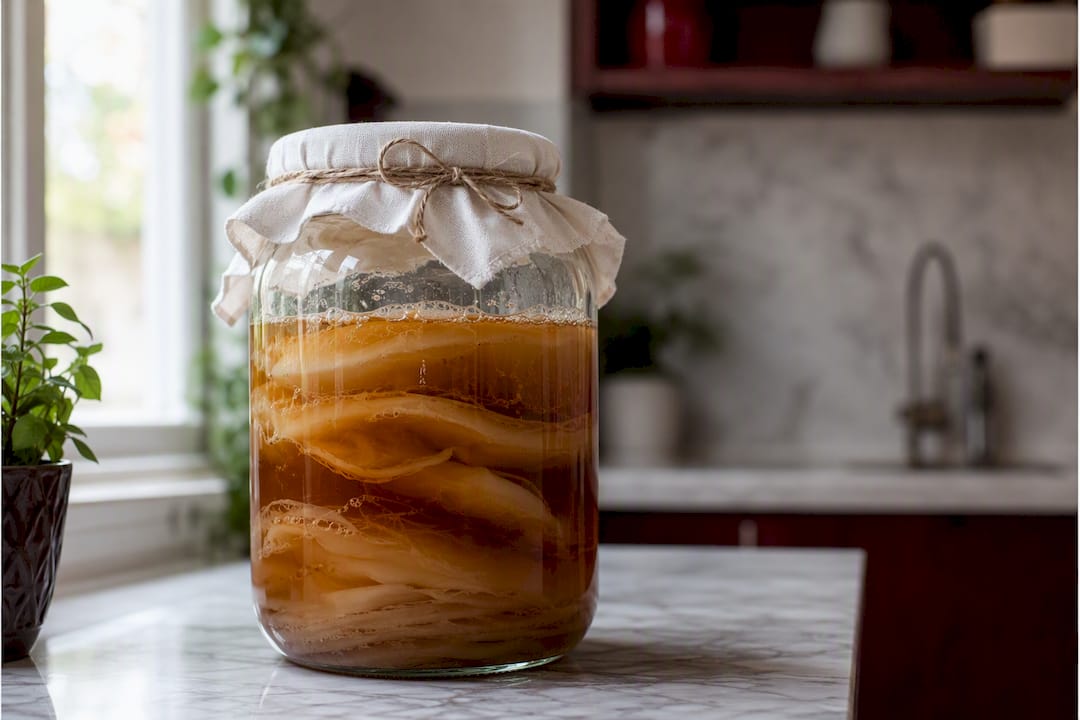
Home-brewed batches raise the stakes further. Uncontrolled fermentation can push acidity higher than a controlled commercial brew, and contamination risk climbs if hygiene slips anywhere in the process.
How Long Kombucha Diarrhea Lasts and What to Expect
For most healthy adults, mild loose stools from a new kombucha habit settle within hours to a few days as the gut adapts. That’s consistent with clinical literature on fermented and probiotic products, which generally finds these effects transient and self-limiting in people without underlying conditions.
Diarrhea that persists or worsens past 48 to 72 hours is a different story and deserves a second look. So does anything paired with blood, a high fever, severe abdominal pain, or dehydration signs like dark urine or lightheadedness. Keep a simple note of when symptoms started, what you drank, and how much. That log is often more useful to a clinician than a vague “my stomach’s been off.”
How to Prevent or Manage Diarrhea From Kombucha
Most kombucha-related stomach trouble comes down to one mistake: going in too fast. Fix the pace, and most of the risk goes away.
- Start small. Begin with small servings for the first few days to let your gut microbiome adjust before scaling up. Increase gradually over several days rather than jumping straight to a full bottle.
- Pick gentler formulas. Lower-sugar, lower-acid commercial kombuchas reduce two of the five triggers at once, and checking the label for caffeine content helps if you’re sensitive to it.
- Never drink on an empty stomach. Pairing kombucha with food, or diluting it with water for your first few tries, blunts the acid hit on an unprepared gut.
- If you brew at home, control the process. Keep fermentation time consistent, maintain clean equipment, and refrigerate promptly once it’s ready to stop acidity from climbing further. Aboocha’s guide on kombucha side effects walks through safe serving practices in more detail.
- Support recovery with bland food and fluids, and skip anti-diarrheal medication unless a clinician has cleared it, since masking symptoms can delay catching something else going on.
Pro Tip: Avoid stacking kombucha with other fermented foods, like kimchi or extra probiotics, on the same day while your gut is still adjusting. Multiple new inputs at once make it hard to tell what actually triggered the reaction.
Who Should Avoid Kombucha or Be Cautious
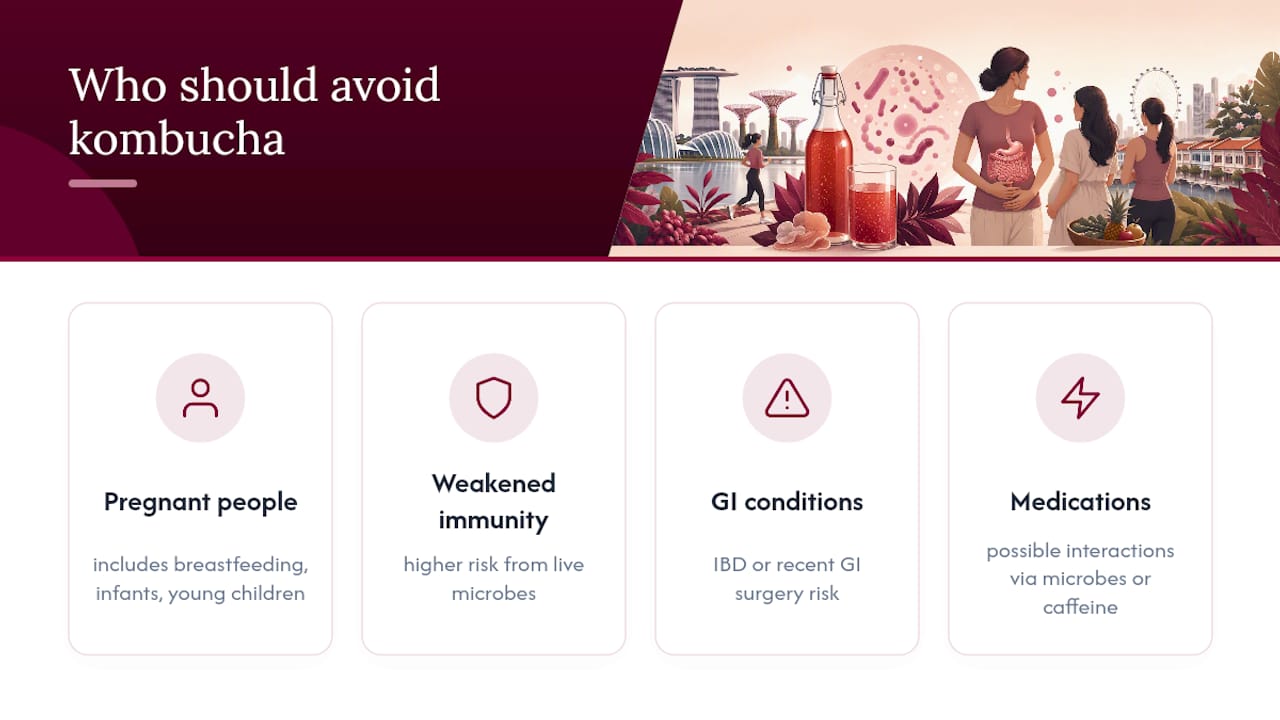
A handful of groups should steer clear or check with a doctor first. That includes pregnant and breastfeeding people, infants, and young children, given kombucha’s live cultures, trace alcohol, and caffeine. Anyone with a weakened immune system, inflammatory bowel disease, or a recent GI surgery faces higher risk from the live microbes and acidity. People on immunosuppressants, or on medications where microbial activity or caffeine could interfere, should talk to a clinician before making kombucha a regular habit.
Why Some Guts Handle Kombucha Fine and Others Don’t
The honest answer is that gut microbiomes are as individual as fingerprints. Research summarized by Swiss food safety authorities finds that differences in microbiome composition between people explain why the same bottle of kombucha settles one person’s stomach and sends another running for the bathroom.
Fermented foods aren’t inert flavor additions, they’re active biological inputs. The organic acids in kombucha genuinely speed up how fast your stomach empties and how fast things move through your intestines, which is exactly why the same serving lands differently from one person to the next.
A critical review from Switzerland’s food safety office is upfront that this field is still developing. Much of the existing evidence is qualitative rather than the kind of large, controlled trial that produces hard numbers. That’s exactly why cautious, individualized introduction, not a fixed daily target for everyone, remains the most defensible guidance right now.
What I’d Tell a Friend Trying Kombucha for the First Time
If a friend told me kombucha wrecked their stomach, my first question wouldn’t be “which brand,” it would be “how much, how fast.” Most bad first experiences trace back to treating kombucha like juice instead of like a fermented food with real biological activity. Start with a small serving, lean toward lower-sugar options, and give your gut a week or two before judging the drink at all. For a step-by-step approach, Aboocha’s beginner’s drinking guide is worth reading before your next bottle.
— Luna
Try a Gentler Kombucha Before You Commit
If sugar and acidity are what tripped you up, Aboocha is built around exactly that problem. Every flavor, from Sour Plum to Yuzu Osmanthus, runs lower in sugar than standard kombucha while still delivering the live cultures that support gut health.
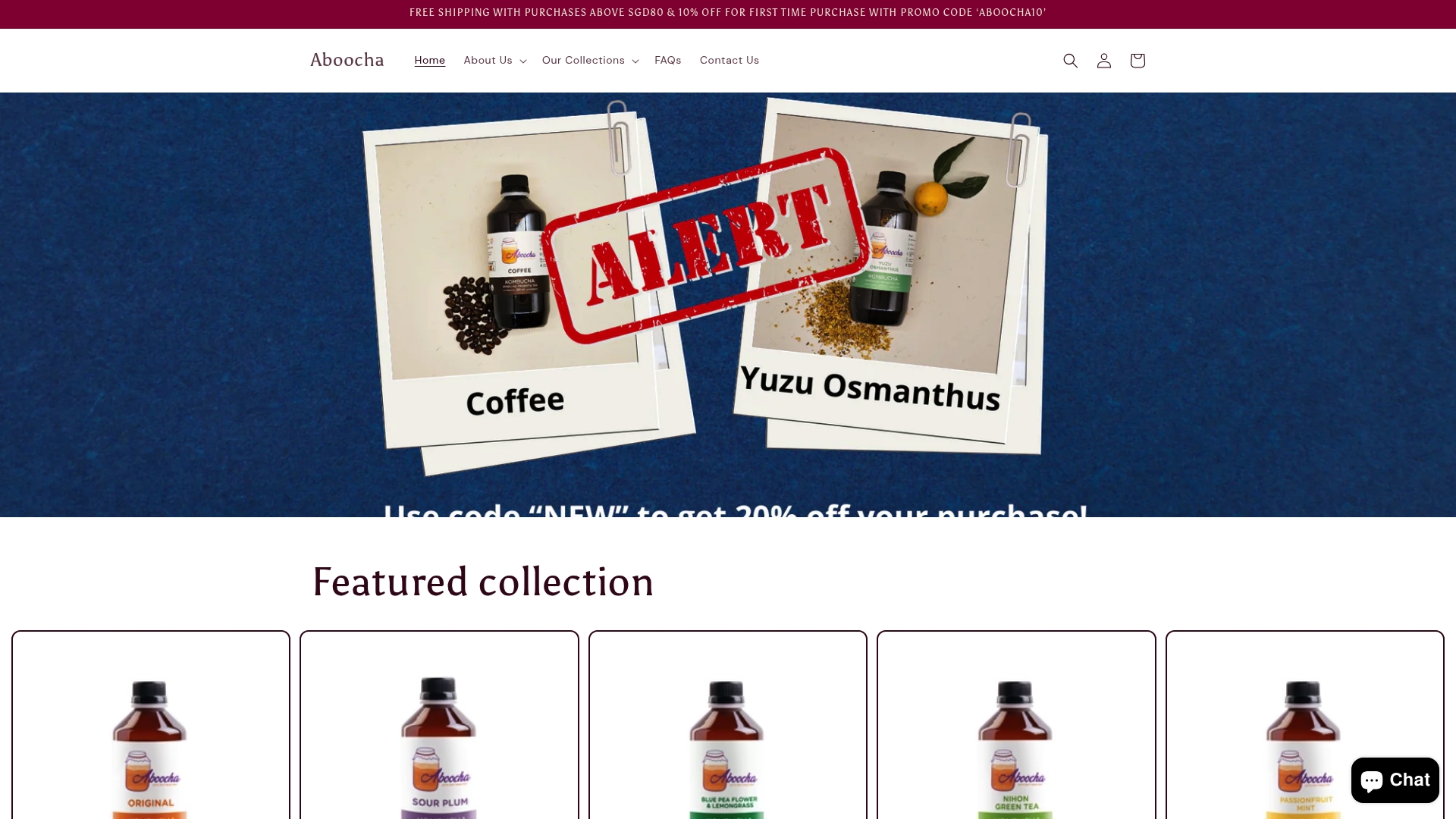
Rather than jumping straight into a subscription, grab a flavor bundle or try the Aboocha x Deefruit collaboration set first. Testing a few flavors at your own pace tells you far more about your tolerance than committing to a case up front. Once you’ve found what your gut agrees with, the bundles page is where to start.
Sources
- Frontiers in Microbiology article on fermented beverages and gastric emptying (2026)
- SwissInfo coverage summarizing BLV/Agroscope research on microbiome variability
- Human gut microbiome and food additives: a critical review (BLV)
- NCBI review article on probiotics/fermented products and gut effects (PMC5079149)
This article is general information, not a substitute for advice from a qualified doctor. Consult a qualified healthcare professional about your own circumstances before acting on anything here.
FAQ
What does it mean if kombucha gives you diarrhea?
It usually means your gut microbiome is reacting to the organic acids, carbonation, or live cultures in kombucha, not that something is wrong with you. For most healthy adults it’s a temporary adjustment, not a sign to quit for good.
How long does kombucha diarrhea last?
Mild cases typically resolve within hours to a few days as your gut adapts. If it persists past 48 to 72 hours or comes with blood, fever, or dehydration, see a clinician.
Can kombucha be a laxative?
Kombucha can act like one for some people because its organic acids accelerate gastric emptying and speed up intestinal transit. That effect fades for most people as the gut adjusts to regular, smaller servings.
Why does kombucha make my stomach upset?
The combination of acids, carbonation, sugar, and live microbes can irritate a gut that isn’t used to fermented drinks, and how strongly you react depends heavily on your own microbiome makeup. Starting with smaller, lower-sugar servings like those from Aboocha is one of the more reliable ways to ease in.