
Kombucha can help relieve constipation for some people, particularly when it’s enriched with a prebiotic fiber like inulin or when it simply adds more fluid to your day. The strongest evidence is a single randomized pilot study showing real improvement in stool frequency over just 10 days. That’s encouraging, not conclusive. Start with a small serving, check the contraindications below, and treat it as one tool among several.
TL;DR:
- Effects may stem from organic acids stimulating intestinal motility, prebiotic fibers feeding beneficial bacteria, and the added hydration from the beverage.
- Variability in product formulation and the limited scope of existing studies mean kombucha may help some people but is not a proven, universal remedy for constipation.
- Starting with 4 to 8 ounces daily, choosing low-sugar, clearly labeled products with added prebiotics, and monitoring stool response over one to two weeks is recommended.
- Avoid kombucha if immunocompromised, pregnant, breastfeeding, or on certain medications, and seek medical advice for ongoing or severe constipation.
Table of Contents
- What Do Human Studies Say About Kombucha and Bowel Movements?
- How Might Kombucha Ease Constipation?
- How Much Kombucha Should You Drink for Constipation?
- Who Should Avoid Kombucha for Constipation?
- What Else Helps with Constipation Besides Kombucha?
- Why I’m Cautiously Optimistic About Kombucha and Gut Health
- Try Aboocha as a Low-Sugar Way to Explore Kombucha’s Gut Benefits
- Sources
- FAQ
What Do Human Studies Say About Kombucha and Bowel Movements?
The best evidence we have comes from a small but well-designed trial, and it’s worth understanding exactly what it found before you pin your hopes on a bottle of fermented tea.
In 2023, researchers ran a randomized pilot study on women with constipation-predominant irritable bowel syndrome (IBS-C). Participants drank 220 mL of an inulin-enriched kombucha daily for 10 days. The results were statistically meaningful for a trial this size:
- Stool frequency rose noticeably during the trial period (P = 0.004)
- Bristol Stool Scale scores, a standard measure of stool consistency, showed clear improvement (P = 0.001)
- The kombucha used contained a standardized amount of inulin per serving, supporting dose consistency
Ten days. One measurable dose. A statistically significant shift in stool frequency. That’s the entire body of direct clinical evidence connecting kombucha to constipation relief right now, and it comes from one pilot study in one narrow population.
The trial’s own registry record confirms the formulation: a pasteurized, nonalcoholic kombucha base enriched with inulin and vitamins, with bowel movement frequency and stool type as the primary outcomes being tracked. That pasteurization detail matters. It means researchers controlled for ethanol content and microbial variability, two things a homebrew simply can’t guarantee.
Zooming out, a 2025 systematic review of clinical trials looked at eight studies covering roughly 303 adults, with trial durations ranging from 10 days to 10 weeks. The reviewers found kombucha shows promising potential to ease constipation-related complaints and nudge gut microbiota composition in a favorable direction, including modest increases in beneficial groups like Bacteroidota and Akkermansiaceae in some trials. But “promising” comes with an asterisk: the review also flagged that trial designs, doses, and kombucha formulations varied widely across studies, which makes it hard to draw one firm conclusion.
Here’s where the science stands, plainly:
- The evidence is real, not anecdotal marketing spin
- It’s also thin. One pilot trial in women with IBS-C doesn’t automatically generalize to a 45-year-old man with occasional constipation or a postpartum parent dealing with slower motility
- Sample sizes across the reviewed trials were small, and study durations topped out at 10 weeks. Nobody has tracked kombucha’s effect on constipation over months or years
- Product variability is a real confound. Not every kombucha on a shelf matches what was used in these trials
None of this means kombucha is useless for constipation. It means the honest answer is “it can help, and here’s exactly how much we know,” rather than “it’s a proven fix.” Larger, longer, more diverse trials would settle the question. Until then, the pilot data gives you a reasonable, evidence-backed reason to try it, not a guarantee.
How Might Kombucha Ease Constipation?
Three biological mechanisms are doing the heavy lifting here, and understanding them helps explain why kombucha works for some people and does nothing for others.
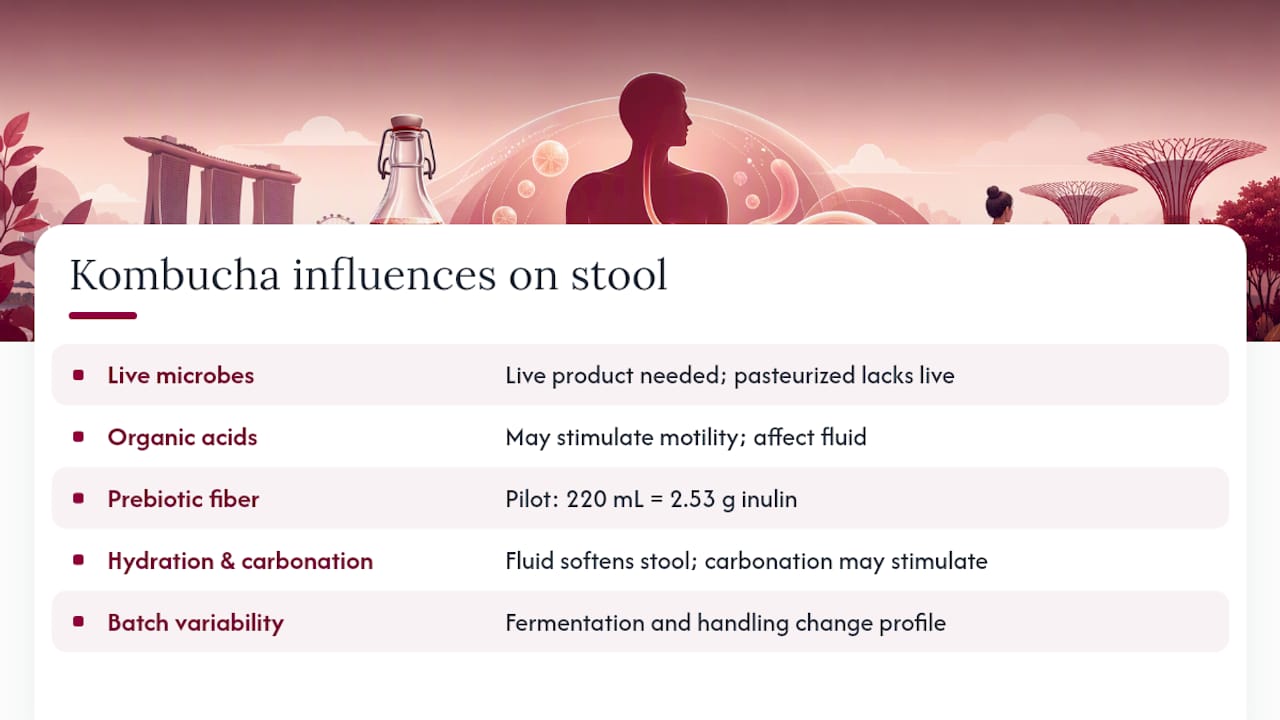
Probiotics, with a catch. Live kombucha contains bacterial and yeast cultures from the fermentation process, and some of those microbes may support a healthier gut environment. But pasteurized kombucha, including the type used in the pilot trial, has few or no live cultures left. If probiotic activity is what you’re after, you need a genuinely unpasteurized, live product, and even then, effects vary by strain and batch.
Organic acids. Fermentation produces acetic, malic, and lactic acid, and the systematic review points to these compounds as a likely driver of kombucha’s digestive effects. Researchers suspect organic acids may stimulate intestinal motility and influence how the gut handles fluid, which could translate to softer, more frequent stools.
Prebiotic fiber. This is the piece with the clearest data behind it. The 220 mL dose in the pilot trial included about 2.53 grams of inulin, a well-studied prebiotic fiber that feeds beneficial gut bacteria and adds bulk to stool. Inulin alone has a track record in constipation research independent of kombucha, so its presence here likely explains a meaningful share of the trial’s results.
Hydration and carbonation. Don’t underestimate the basics. Kombucha is mostly liquid, and simply drinking more fluid softens stool and eases passage. The carbonation may add a mild stimulating effect on the gut, similar to why some people swear by sparkling water for bloating relief.
Batch-to-batch variability is the wild card across all of this. Fermentation time, tea type, and how a kombucha is handled after brewing all shift the final organic-acid and microbial profile, meaning two bottles labeled the same way can behave differently in your gut.
Pro Tip: If you want a more predictable effect, choose a kombucha with a clearly labeled inulin or added-fiber content rather than guessing based on flavor or brand reputation alone.
How Much Kombucha Should You Drink for Constipation?
Treat this like any new dietary change: start small, watch your body’s response, and adjust from there.
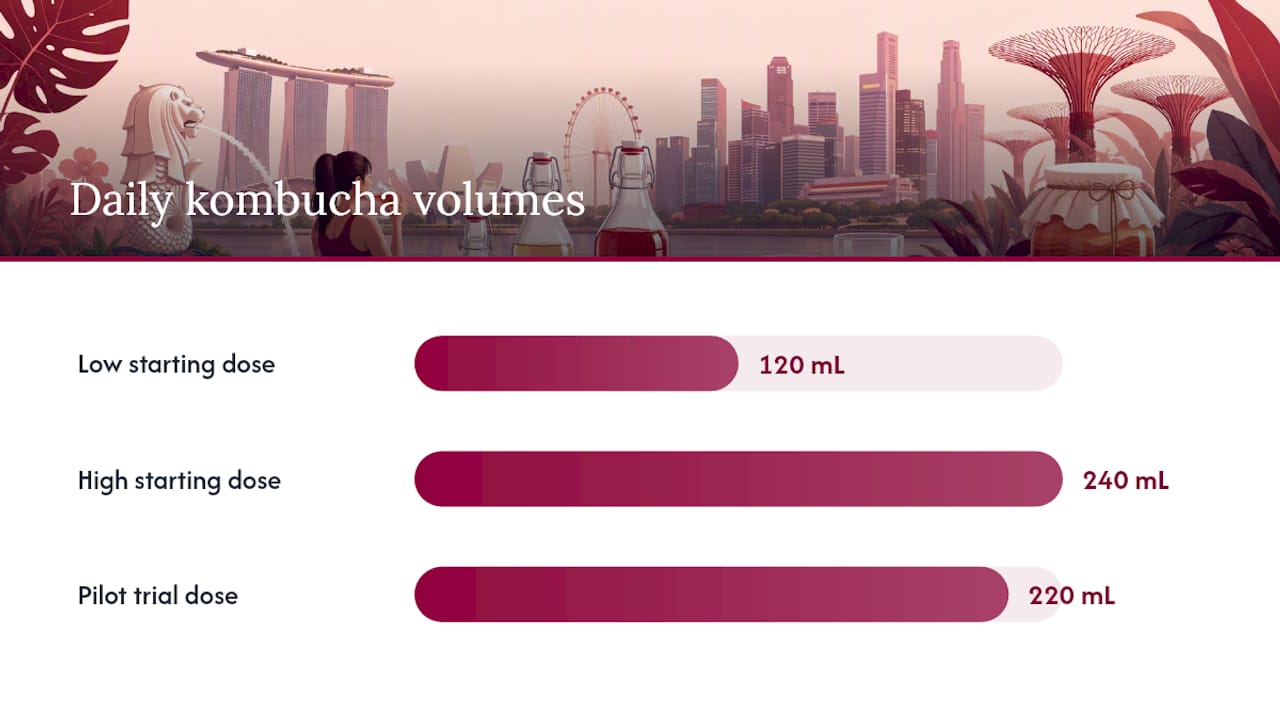
- Start with 4 to 8 ounces (120 to 240 mL) once daily for the first three to seven days. This lines up with general safety guidance for kombucha newcomers and gives your gut time to adjust to the acids and any live cultures.
- Increase gradually toward 220 mL daily if you tolerate the smaller amount well. That’s the exact dose used in the pilot trial that produced measurable results over 10 days.
- Choose commercial, lab-tested, low-sugar kombucha over inconsistent homebrews. A homebrewed batch can vary wildly in pH, alcohol content, and microbial safety from one jar to the next, which is exactly why the clinical trial used a controlled, pasteurized formulation instead.
- Check the label for inulin or added prebiotic fiber, and note the grams per serving if listed. The trial dose was roughly 2.53 grams per 220 mL, a useful benchmark for comparison.
- Keep a simple log of stool frequency and consistency using the Bristol Stool Scale for one to two weeks. This turns a vague impression (“I think it’s helping”) into an actual pattern you can trust.
Kombucha should never replace prescribed treatment for chronic or severe constipation. If you’re on laxatives, have an underlying GI condition, or your constipation has lasted more than three weeks, talk to a clinician before treating it as a DIY project.
Pro Tip: Drink kombucha with a meal rather than on an empty stomach for the first few days. It reduces the odds of the acidity causing stomach upset while you gauge your tolerance.
Who Should Avoid Kombucha for Constipation?
Kombucha isn’t risk-free, and a handful of groups should either avoid it entirely or use extra caution.
- Immunocompromised individuals, because fermented foods carry a small risk of contamination that a healthy immune system typically handles without issue but a compromised one may not.
- Pregnant or breastfeeding people, given the trace alcohol content that naturally occurs during fermentation.
- Anyone with severe liver or kidney disease, since these organs process fermentation byproducts.
- Children, for the same trace-alcohol and unregulated-product concerns.
- People on specific medications, since acidic, fermented beverages can occasionally interact with certain drugs. A quick check with a pharmacist costs nothing and prevents surprises.
Short-term side effects, most commonly bloating, gas, or mild stomach upset, are the most likely thing you’ll notice if you drink too much too fast. Rarer but more serious risks come almost exclusively from unsafe homebrewing: contamination or unexpectedly high ethanol levels in an improperly fermented batch. Reassuringly, short-term clinical trials have found no consistent negative changes in liver enzymes, kidney markers, or lipid panels among healthy participants, though long-term safety data simply doesn’t exist yet.
If you notice worsening pain, blood in your stool, fever, or symptoms that get worse rather than better, stop drinking kombucha and see a doctor. Those aren’t signs to push through.
What Else Helps with Constipation Besides Kombucha?
Kombucha works best as one piece of a broader approach, not a standalone fix.
- Fiber-rich foods like oats, chia seeds, berries, and leafy greens add bulk and moisture to stool; pairing a fiber-forward breakfast with your kombucha serving is a reasonable combination.
- Plain water matters just as much as any specialty drink. Aim for consistent daily hydration; kombucha can supplement that total, but it shouldn’t replace it.
- Bulk-forming fiber supplements and standalone probiotic supplements are worth discussing with a pharmacist if food and beverage changes alone aren’t cutting it.
- Gentle movement, even a daily walk, supports intestinal motility in ways diet alone can’t replicate.
- See a doctor if constipation lasts beyond three weeks, comes with severe pain, unexplained weight loss, or blood in the stool. Those symptoms need medical evaluation, not another home remedy.
Why I’m Cautiously Optimistic About Kombucha and Gut Health
The conventional wisdom on kombucha swings between two extremes: it’s either dismissed as a wellness fad with no real science behind it, or oversold as a cure-all for every digestive complaint. Both takes miss what the actual research says. A well-designed pilot trial found a real, measurable effect on stool frequency and consistency in ten days. That’s not nothing, and it’s also not a green light to expect miracles from any bottle on a shelf.
What gets underestimated is how much product quality determines outcomes. The trial that worked used a controlled, inulin-enriched, pasteurized formulation with a known dose. That’s precisely why Aboocha builds every batch with lower sugar content and consistent, lab-checked quality rather than treating kombucha as an unregulated health tonic. If you’re going to try kombucha for constipation, the product you choose matters as much as the decision to try it. Aboocha isn’t a substitute for medical care, and persistent constipation always deserves a conversation with a clinician, but a thoughtfully made, low-sugar kombucha is a reasonable, evidence-informed place to start.
— Luna
Try Aboocha as a Low-Sugar Way to Explore Kombucha’s Gut Benefits
If you’re ready to try kombucha for constipation without wading through supermarket shelves of high-sugar options, Aboocha makes that choice simpler. Every batch is crafted with lower sugar content than conventional kombucha, so you’re not undoing potential digestive benefits with a sugar load your gut has to process too.
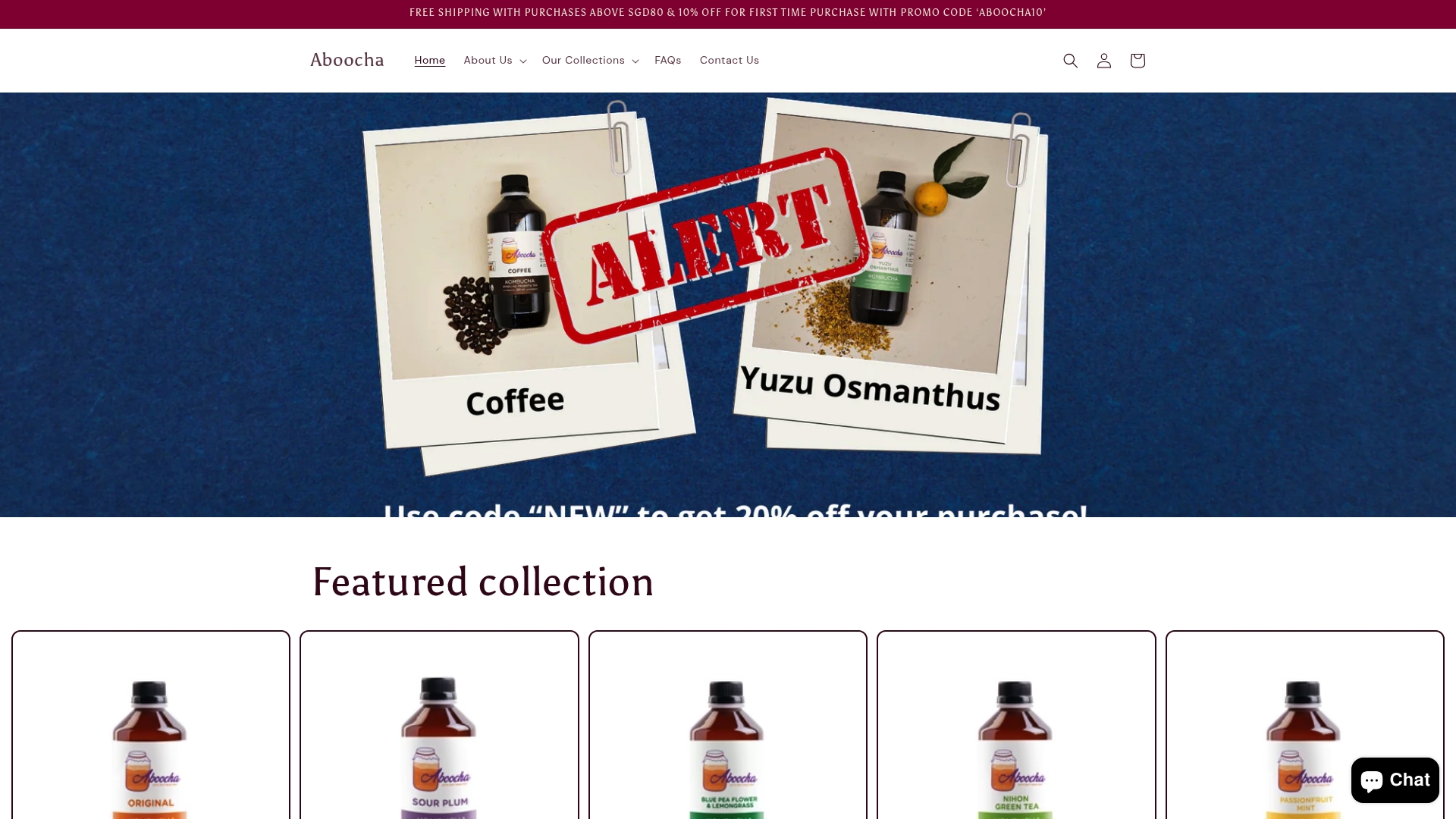
Flavors like Sour Plum and Yuzu Osmanthus give you real variety instead of the same one or two flavors most brands offer, which makes it easier to build a daily habit instead of forcing down something you don’t enjoy. When you’re comparing products, look for clear labeling on sugar grams per serving and pasteurization status, the same details that mattered in the clinical research covered above. Aboocha’s subscription plans handle the consistency question for you, delivering fresh bottles on a schedule so you’re not restocking manually every time you run out.
Browse the current kombucha bundles to try multiple flavors and find what works for your routine. Aboocha’s kombucha supports gut health as part of a balanced diet; it isn’t a substitute for medical treatment, and persistent constipation should always be discussed with a clinician.
This article is general information, not a substitute for advice from a qualified doctor. Consult a qualified healthcare professional about your own circumstances before acting on anything here.
FAQ
Which Kombucha Is Good for Constipation?
Look for a pasteurized, lab-tested kombucha with added inulin or another labeled prebiotic fiber, ideally around 2 to 3 grams per serving, since that’s close to the dose used in the pilot trial that showed measurable results. Lower-sugar formulations, like those from Aboocha, are a sensible choice since you’re not adding excess sugar while trying to support your gut.
Who Should Not Drink Kombucha?
Immunocompromised individuals, pregnant or breastfeeding people, anyone with severe liver or kidney disease, and children should avoid kombucha due to trace alcohol content and contamination risk. If you take prescription medication, check with a pharmacist first.
Why Am I Pooping So Much After Kombucha?
The combination of organic acids, added fiber like inulin, and extra fluid intake can speed up bowel movements, which is exactly the mechanism clinical researchers point to for kombucha’s effect on stool frequency. If it feels excessive or causes cramping, cut back to a smaller serving.
What Can I Drink to Help with Constipation?
Plain water remains the foundation for hydration-based constipation relief, but a low-sugar, inulin-enriched kombucha like Aboocha can add both fluid and prebiotic fiber in one serving. Warm liquids and fiber-rich smoothies are also reasonable options worth combining with your routine.