
When you’re trying to improve your gut health, the question of kombucha vs probiotic supplements comes up fast. Both promise to deliver beneficial bacteria to your microbiome. Both have real fans and real science behind them. But treating them as interchangeable is a mistake that leaves most people getting less from both. This article breaks down exactly what each one does, where they differ, and how to use them together so your gut actually benefits.
Table of Contents
- Key takeaways
- What probiotics actually do in your gut
- Kombucha basics: what you’re actually drinking
- Probiotic supplements: precision over diversity
- Side-by-side: how kombucha and supplements compare
- How to choose and use them effectively
- My honest take after years of following the research
- Try Aboocha: kombucha that actually delivers live cultures
- FAQ
Key takeaways
| Point | Details |
|---|---|
| Different mechanisms, different uses | Kombucha delivers diverse microbes plus bioactive compounds; supplements deliver targeted strains at clinical doses. |
| CFU counts vary widely | Probiotic supplements typically contain 10–50 billion CFUs; kombucha delivers 1–9 billion per bottle. |
| Processing kills live cultures | Only raw, refrigerated kombucha retains viable probiotics. Pasteurized versions do not. |
| Supplements win for specific conditions | Clinical evidence supports specific strains like Lactobacillus rhamnosus GG for antibiotic-associated diarrhea. |
| Combination approach works best | Rotating fermented foods and supplements builds broader microbiome diversity than either alone. |
What probiotics actually do in your gut
Probiotics are live microorganisms that, when consumed in adequate amounts, confer a health benefit on the host. That’s the official definition. The practical reality is more nuanced. Your gut microbiome is home to trillions of bacteria, fungi, and other microbes, and the balance between species affects everything from digestion to immune function to mood.
Probiotic strains fall into a few major categories. The most studied and widely used include:
- Lactobacillus species: Found in yogurt, kefir, and many supplements. Support lactose digestion and help prevent certain types of diarrhea.
- Bifidobacterium species: Common in fermented dairy and some supplements. Help break down fiber and produce short-chain fatty acids that feed the gut lining.
- Saccharomyces boulardii: A beneficial yeast used clinically to prevent diarrhea, particularly after antibiotic use.
- Weizmannia coagulans (formerly Bacillus coagulans): A spore-forming strain increasingly found in both supplements and fermented drinks due to its heat stability.
The relationship between probiotic foods and probiotic supplements is not competitive. Think of fermented foods as the diversity play and supplements as the precision play. One gives you breadth; the other gives you targeted depth. Neither fully replaces the other, and understanding that distinction is the foundation of any smart gut health strategy.
Kombucha basics: what you’re actually drinking
Kombucha is fermented tea. A SCOBY (symbiotic culture of bacteria and yeast) consumes sugar during fermentation and produces a lightly carbonated drink packed with organic acids, B vitamins, and a community of live microorganisms. The types of probiotics in kombucha typically include Acetobacter species, Lactobacillus, and various yeasts like Brettanomyces and Zygosaccharomyces.
What separates kombucha from a probiotic pill is everything that surrounds the bacteria. The fermentation process produces:
- Acetic acid and gluconic acid: These lower the drink’s pH and create an environment hostile to pathogens.
- Polyphenols: Derived from tea, these act as prebiotics and antioxidants.
- B vitamins: Including B12 and B1, produced by the bacterial community during fermentation.
- Organic acids: Which support liver detoxification pathways and digestive motility.
The kombucha health effects that get the most attention are related to gut motility and microbiome composition. A 2024 study found that daily kombucha consumption increased beneficial bacteria including Bifidobacterium, Prevotella, and Weizmannia coagulans, and produced a 42% increase in stool frequency in women with constipation-predominant IBS after just 10 days. Those are not trivial numbers.
There is a catch, though. Not all kombucha delivers on these kombucha benefits. Many commercial kombuchas are pasteurized to extend shelf life to 35–45 days. Pasteurization kills live cultures. A pasteurized kombucha is technically a postbiotic drink with some health effects from the organic acids and polyphenols, but it does not deliver live bacteria. If probiotic activity is your goal, raw and refrigerated is the only category that counts.
Pro Tip: Look for the words “raw,” “live cultures,” or “unpasteurized” on the label, and check that the bottle is stored cold. Room-temperature kombucha on a shelf with a long expiration date is almost certainly pasteurized.
Probiotic supplements: precision over diversity
Probiotic supplements are engineered for a specific outcome. Where kombucha gives you a cast of thousands, a quality supplement gives you a handful of well-researched strains at a controlled, clinical dose. Supplements typically contain 10–50 billion CFUs per serving, compared to 1–9 billion per bottle in kombucha. For certain conditions, that concentrated dose and strain specificity matters enormously.
The clinical evidence is strongest in these areas:
- Antibiotic-associated diarrhea: Lactobacillus rhamnosus GG reduces risk by roughly 50%. This is one of the most replicated findings in probiotic research.
- Irritable bowel syndrome: Several Bifidobacterium and Lactobacillus combinations show statistically significant symptom improvement in IBS trials.
- C. difficile infection: Saccharomyces boulardii has strong evidence for reducing recurrence in combination with antibiotic treatment.
- Traveler’s diarrhea prevention: Multiple strains have RCT data supporting their use before and during travel.
| Condition | Recommended strain | Evidence level |
|---|---|---|
| Antibiotic-associated diarrhea | Lactobacillus rhamnosus GG | Strong (multiple RCTs) |
| IBS symptom relief | Bifidobacterium infantis 35624 | Moderate |
| C. difficile recurrence | Saccharomyces boulardii | Strong |
| General gut maintenance | Multi-strain blends | Mixed |
The limitations of supplements are real and worth knowing. Up to 30% of supplements fail their label claims on strain count or viability. The FDA does not regulate them as drugs. And supplements without dietary fiber often fail to establish in the gut long term because bacteria need prebiotic fuel to survive and thrive. A high-dose supplement taken alongside a low-fiber diet is a waste of money for most people.
Side-by-side: how kombucha and supplements compare
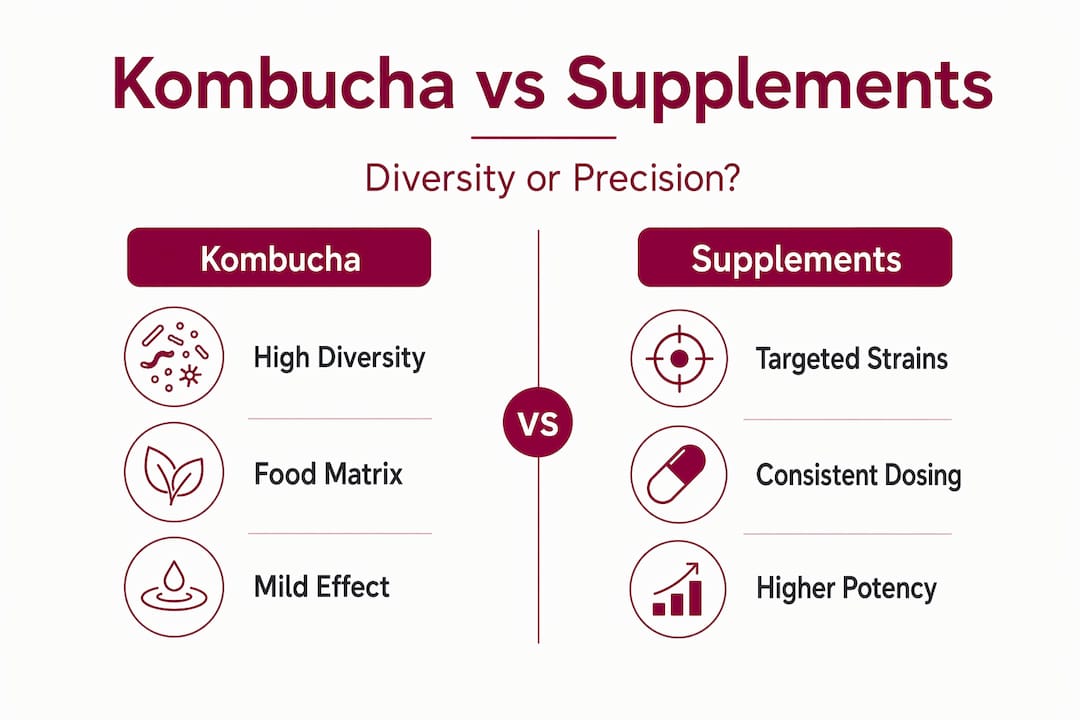
The core tension in probiotic drink comparisons between kombucha and supplements is diversity versus precision. Neither is universally better. They solve different problems.
| Feature | Kombucha | Probiotic supplements |
|---|---|---|
| Microbial diversity | High (dozens of species) | Low to moderate (1–12 strains) |
| CFU count per serving | 1–9 billion | 10–50 billion |
| Bioactive co-compounds | Yes (acids, polyphenols, vitamins) | Rarely |
| Clinical strain evidence | Limited | Strong for specific conditions |
| Consistency of dose | Variable | Standardized |
| Probiotic survival in digestion | Higher (food matrix buffers acid) | Lower unless enteric-coated |
| Cost per day | Moderate to high | Low to moderate |
One underappreciated advantage of kombucha and other probiotic foods vs supplements is the food matrix effect. The food matrix in fermented drinks physically buffers probiotics against stomach acid during digestion, significantly improving the odds that live bacteria survive long enough to reach the colon. Isolated bacteria in a capsule face that acid environment without protection. This is part of why kefir has been shown to carry 30–56 distinct species to the gut versus 1–12 for most supplement formulas.
Kombucha is also winning in the market. The probiotic beverage segment is growing at 9–12% annually in North America, with 40–45% of US adults actively seeking out probiotic products. The category is no longer niche.
Pro Tip: If you are on antibiotics, use a targeted supplement containing Lactobacillus rhamnosus GG or Saccharomyces boulardii during and for two weeks after your course. Kombucha alone will not deliver the strain specificity or dose needed to protect against antibiotic-associated diarrhea.
When it comes to thinking about the best sources of probiotics, experts recommend rotating kefir, kombucha, kimchi, yogurt, and supplements across your week rather than anchoring on any single source. The argument for diversity is compelling. Relying on one source is like eating the same vegetable every day and calling it a balanced diet.
How to choose and use them effectively
Knowing the difference is only useful if it changes how you shop and what you do. Here is a practical sequence for making better decisions:
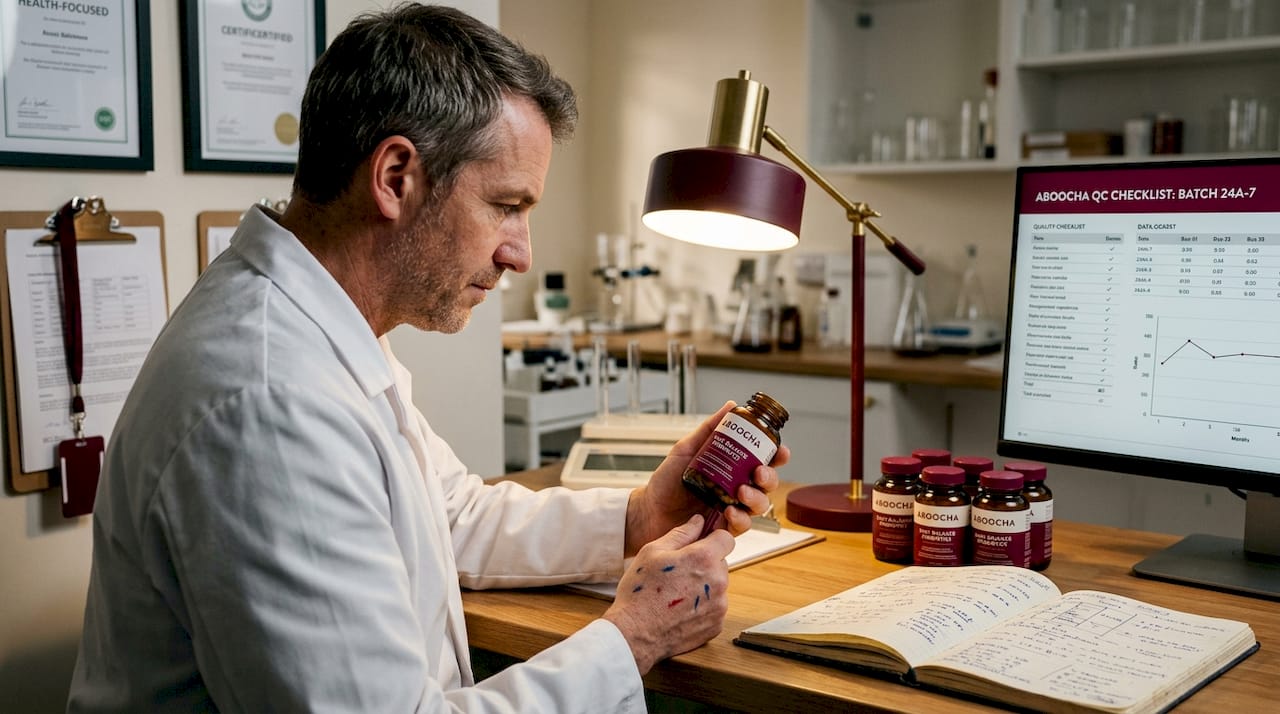
- Check for live cultures first. When buying kombucha, confirm it is raw and refrigerated. If the label says “pasteurized” or the product sits on a warm shelf, it will not deliver the probiotic activity you are paying for. Aboocha’s kombucha is always kept raw and cold for exactly this reason.
- Read supplement labels for strain and CFU count. A label that says “probiotic blend” without naming the specific strains (genus, species, and strain designation) is a red flag. You want to see something like Lactobacillus rhamnosus GG or Bifidobacterium longum BB536, not just a vague proprietary mix.
- Pair probiotics with prebiotics. Probiotics without fiber to feed them have limited staying power. A fermented food habit supported by a diet rich in garlic, onions, asparagus, oats, and legumes creates an environment where new bacterial colonizers can actually take hold. Check out why fermented foods reduce bloating for a deeper look at this relationship.
- Time your supplement intake. Most strains survive best when taken with food rather than on an empty stomach. The food acts as its own buffer against gastric acid.
- Start low with kombucha if you are new to it. A few ounces daily to start, increasing gradually. Your gut microbiome shifts when new bacteria are introduced, and some people experience temporary bloating as it adjusts. This beginner’s guide to kombucha covers the adjustment process in detail.
- Talk to your doctor for clinical conditions. If you are dealing with IBS, IBD, or recurrent C. difficile, the clinical evidence for specific supplement strains is strong enough that a gastroenterologist’s input is worth seeking before self-treating.
My honest take after years of following the research
I’ve spent years reading the literature on this topic, and the thing that frustrates me most is how the conversation gets polarized. Team Kombucha says pills are synthetic and pointless. Team Supplements says fermented drinks are just trendy beverages with inconsistent science. Both camps are wrong in the same way.
What I’ve found is that the people who do best with gut health are not the ones who found the single perfect probiotic. They are the ones who built layered habits. Kombucha with breakfast, kimchi at dinner, and a targeted supplement when life throws something specific at them like antibiotics or travel. Individual microbiomes vary so widely that predicting which single intervention will work for any given person is genuinely difficult. Broad input is how you hedge against that uncertainty.
The thing most articles skip over is that supplements without dietary context often fail to establish in the gut at all. They need fiber. They need a hospitable environment. Popping a probiotic capsule alongside a low-fiber, high-sugar diet is one of the most common and expensive gut health mistakes I see people make.
Kombucha is not a cure. Supplements are not a cure. Your gut health strategy should look less like searching for the perfect product and more like building a daily practice that includes variety, fiber, fermented foods, and targeted support when you genuinely need it.
— Luna
Try Aboocha: kombucha that actually delivers live cultures
If you have been drinking kombucha without seeing results, the most likely culprit is pasteurization. Aboocha brews authentic, raw kombucha that stays refrigerated from production to your door. Every bottle is alive with the organic acids, polyphenols, and diverse microbial cultures that make fermented tea genuinely useful for your gut.
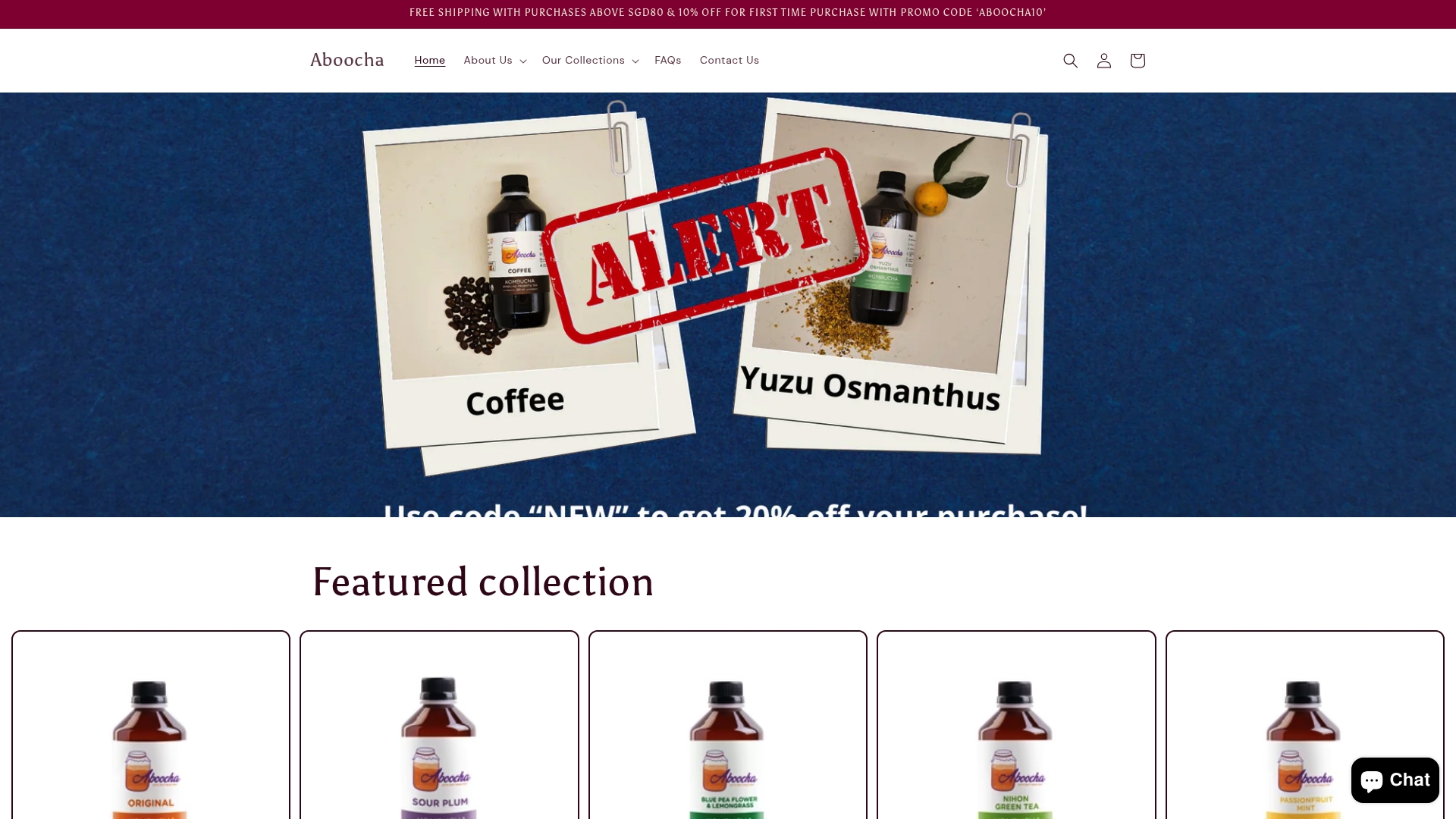
The flavor lineup goes well beyond the standard ginger and plain varieties. Aboocha crafts profiles like Yuzu Osmanthus and Sour Plum that make a daily gut health habit something you actually look forward to. For something familiar with a twist, the Original Kombucha is the clearest expression of what raw, carefully fermented kombucha should taste like. If you prefer something different, the Coffee Kombucha and the Snow Chrysanthemum Kombucha are worth exploring. Aboocha also offers a subscription plan if you want consistent daily intake without the hassle of re-ordering.
FAQ
What is the main difference between kombucha and probiotic supplements?
Kombucha delivers diverse live cultures alongside organic acids and polyphenols, while probiotic supplements provide high doses of specific, clinically validated strains. They serve different purposes and work best when used together.
Are probiotic supplements more effective than kombucha?
For targeted clinical conditions like antibiotic-associated diarrhea, supplements with specific strains are more effective. For general microbiome diversity and long-term gut maintenance, fermented foods like kombucha offer broader microbial input.
Does all kombucha contain live probiotics?
No. Many commercial kombuchas are pasteurized, which kills live bacteria. Only raw, refrigerated, unpasteurized kombucha retains viable probiotic cultures that can benefit your gut.
How much kombucha should you drink for gut health?
Research suggests 8–16 ounces daily is a reasonable starting point, with one study showing measurable gut microbiota shifts and a 42% increase in stool frequency after 10 days of daily consumption.
Can you take probiotic supplements and drink kombucha at the same time?
Yes, and this is actually the approach most dietitians and gastroenterologists recommend. Combining fermented foods and targeted supplements builds broader microbiome diversity than either alone.