
Occasional commercial, pasteurized kombucha is generally fine while breastfeeding if you keep servings small and pay attention to three things: alcohol content, caffeine, and contamination risk from unpasteurized batches. None of these rule out kombucha entirely, but each one changes how, when, and which kombucha you drink. When in doubt about your baby’s specific situation, ask your pediatrician or a lactation consultant.
TL;DR:
- Commercial pasteurized kombucha with alcohol content below 0.5% and caffeine within safe limits is generally safe if consumed in small servings after a feeding.
- Drinking kombucha immediately after nursing and waiting at least two hours before the next feed helps reduce alcohol transfer into breast milk.
- Avoid homemade or raw kombucha due to risks of contamination and potential lead leaching, especially for breastfeeding parents and their infants.
- Monitoring total daily caffeine intake, particularly from green-tea-based kombucha, minimizes the risk of affecting a baby’s sleep or causing fussiness.
- Certain baby conditions or parental health issues may necessitate avoiding kombucha altogether, after consulting with a healthcare professional.
Table of Contents
- Top Precautions for Kombucha While Breastfeeding
- How Much Alcohol Is in Kombucha, and How Long Should You Wait?
- Caffeine in Kombucha and What It Means for Your Baby
- Pasteurized vs. Raw Kombucha: Why This Matters More Than Flavor
- Does Kombucha Actually Help Your Gut While Breastfeeding?
- A Practical Checklist for Drinking Kombucha Safely While Nursing
- When to Skip Kombucha or Call Your Doctor
- What Aboocha Recommends for Nursing Parents
- Try Pasteurized, Lower-Sugar Kombucha From Aboocha
- Sources
- FAQ
Top Precautions for Kombucha While Breastfeeding
The safest approach to kombucha while breastfeeding comes down to reading labels and timing your servings, not avoiding the drink altogether.
- Choose pasteurized, commercially bottled kombucha over raw or homemade batches.
- Keep servings modest, one small bottle rather than multiple servings back to back.
- Drink after a feeding or pumping session, not right before one.
- Check the label for alcohol percentage and caffeine source before buying.
- Store bottles cold and drink them promptly once opened to limit bacterial growth.
Pro Tip: Keep a small note on your phone with the brand and serving size of any kombucha you drink. If your baby seems unusually fussy or sleepy afterward, you will have the details ready for your pediatrician instead of trying to remember later.
How Much Alcohol Is in Kombucha, and How Long Should You Wait?
Kombucha ferments sugar into acids and, as a byproduct, small amounts of alcohol. Many commercial kombucha brands contain small amounts of alcohol by volume, though exact numbers vary by product and batch, though the exact number varies by brand, batch, and how long the bottle sat on a warm shelf before you bought it.
Alcohol passes into breast milk at roughly the same concentration it reaches in your bloodstream, then clears out on a similar timeline; for more on safe hydration and beverages during breastfeeding, see this local guide on hydration and suitable postpartum beverages. Experts generally recommend waiting at least two hours after drinking an alcohol-containing beverage before nursing, and HealthXchange’s guidance on alcohol and breastfeeding notes that avoiding alcohol entirely remains the safest option.
- Confirm the ABV on the label. Anything above 0.5% technically counts as an alcoholic beverage in many jurisdictions.
- Drink your kombucha right after a nursing or pumping session, giving your body time to clear it before the next feed.
- Stick to one small serving rather than sipping throughout the day.
That gap matters, but it does not make kombucha alcohol-free.
Caffeine in Kombucha and What It Means for Your Baby
Kombucha is brewed from tea, so it carries caffeine, and caffeine crosses into breast milk. NHS guidance recommends keeping total caffeine intake under about 200 mg per day while breastfeeding, which includes coffee, tea, soda, and kombucha combined.
The tea base changes the caffeine load. Black tea and oolong-based kombucha tend to run higher in caffeine than green tea versions, and caffeine in breast milk typically peaks one to two hours after you drink it. Newborns and premature infants clear caffeine far more slowly than older babies, so even a modest amount can affect their sleep or make them noticeably more unsettled.
- Add up your total daily caffeine, coffee, tea, and kombucha together, not kombucha alone.
- Choose a green-tea-based kombucha if you are already close to your daily limit.
- Watch for jitteriness, poor sleep, or unusual fussiness in your baby within a few hours of drinking.
- If your baby is under a few weeks old, lean toward the lower end of your caffeine budget.
Pasteurized vs. Raw Kombucha: Why This Matters More Than Flavor
Most kombucha sold in stores is either pasteurized or brewed under controlled, commercial conditions that limit contamination. Raw, unpasteurized kombucha, especially homemade batches, carries live microbes and, if something goes wrong during fermentation, potential contaminants that a nursing parent’s immune system might handle fine but that still represent an avoidable risk.
Home fermentation has specific failure points. According to the Singapore Food Agency’s guidance on home fermentation safety, acidic ferments like kombucha can leach lead from ceramic vessels with unsuitable glazes, and poor sanitation during brewing lets mold or harmful bacteria take hold in the batch.
- Avoid homemade or raw, unfiltered kombucha while nursing.
- Choose bottles that state “pasteurized” or list a controlled alcohol percentage on the label.
- If a friend offers homemade kombucha, treat it as a “maybe later” rather than a “sure, why not.”
Pro Tip: A cloudy, overly fizzy, or off-smelling bottle is not a sign of extra probiotics. It is a sign to skip that bottle, pasteurized or not. For more on how fermentation and alcohol byproducts form, Aboocha’s guide to kombucha side effects breaks down what happens during brewing.
Does Kombucha Actually Help Your Gut While Breastfeeding?
The probiotic claims on kombucha labels outrun the science behind them. Most of the research on fermented beverages comes from animal studies or small trials, and there is limited direct human evidence that kombucha meaningfully changes gut health or passes any probiotic benefit through to a nursing infant.
Research on the maternal microbiome and breast milk, including work summarized by OHSU’s Moore Institute, describes the relationship between what a mother eats and her milk’s microbial makeup as genuinely complicated. That complexity means you cannot assume a probiotic drink translates into a probiotic effect for your baby.
- Yogurt with live cultures, kefir, and fermented vegetables carry more consistent research behind their probiotic effects.
- Fermented drinks and gut health benefits, explained, covers how kombucha compares to these better-documented options.
- If digestive health is your main goal, treat kombucha as a pleasant extra, not your primary strategy.
A Practical Checklist for Drinking Kombucha Safely While Nursing
- Read the label first. Confirm it says pasteurized, and check the alcohol percentage and tea base listed.
- Pick a small serving. Aim for 120 to 240 ml rather than a full 500 ml bottle in one sitting.
- Time it around feeds. Drink right after nursing or pumping, giving your body a window to process it before the next feed.
- Wait it out if needed. If you are unsure about timing, wait roughly two hours before nursing again.
- Watch your baby. Fussiness, poor sleep, or a change in feeding pattern in the hours after you drink kombucha is a signal to stop and reassess.
Pro Tip: Buy a smaller bottle size the first time you try a new kombucha brand. It is easier to gauge how you and your baby respond to one bottle than to commit to a six-pack before you know how it sits with you.
When to Skip Kombucha or Call Your Doctor
Some situations call for skipping kombucha altogether rather than managing around it. A premature or underweight baby, one with feeding difficulties, or one with a diagnosed metabolic condition warrants extra caution with any fermented or alcohol-containing drink, and that conversation belongs with your pediatrician first.
The same caution applies on the parent’s side. If you are immunocompromised, taking medication that interacts with live cultures, or simply uneasy about the alcohol content, skip it or ask your doctor before adding kombucha back into your routine.
- Call your pediatrician if your baby shows unusual sleepiness, poor feeding, or agitation after you drink kombucha.
- Have the product name, serving size, and time you drank it ready when you call.
- When your baby has any known medical condition, check with their doctor before making kombucha a regular habit.
What Aboocha Recommends for Nursing Parents
Some commercial kombucha products are made with lower sugar and clearly labeled, controlled production, which can help with moderation… For nursing parents, that means choosing pasteurized, labeled bottles over raw brews and treating kombucha as an occasional pleasure, not a wellness prescription.
— Luna
Try Pasteurized, Lower-Sugar Kombucha From Aboocha
If you have decided kombucha still has a place in your routine, the choice that matters most is which bottle you reach for. Some kombucha brands offer pasteurized, lower-sugar kombucha in various flavors, with alcohol content and ingredients listed clearly on every label, helping consumers know what they are drinking while nursing.
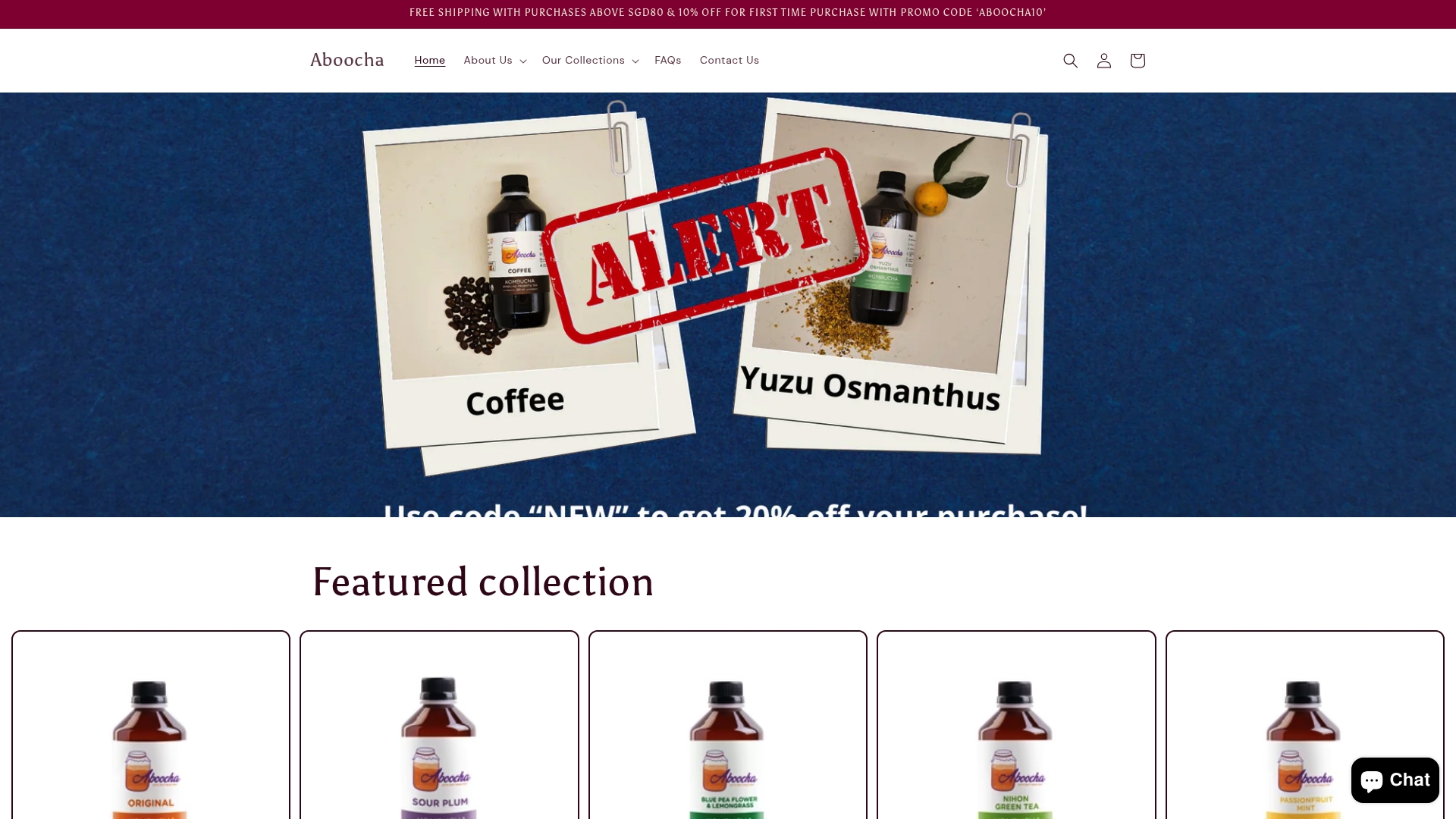
That label clarity is the whole point for a breastfeeding parent trying to manage caffeine and alcohol intake at the same time. Subscription plans can offer convenience compared to restocking from unfamiliar shelves or unlabeled homebrews sold at a weekend market. If you want to see the current flavor lineup and subscription options, visit Aboocha’s kombucha collection and pick a starter bottle to see how it fits your routine.
Sources
For further reading, the NHS breastfeeding diet guidance and CDC’s overview of why breastfeeding matters cover caffeine limits and general nutrition. HealthXchange’s guidance on alcohol and breastfeeding and the Singapore Food Agency’s home fermentation safety guidance address alcohol timing and contamination risk in more depth. Always check your specific situation with a healthcare provider.
This article is general information, not a substitute for advice from a qualified doctor. Consult a qualified healthcare professional about your own circumstances before acting on anything here.
- Breastfeeding diet — NHS
- Breastfeeding diet & drink guidance — HealthXchange
- Review: fermented beverages and evidence — NCBI/PMC
FAQ
How long after drinking kombucha can I breastfeed?
If the kombucha contains alcohol, most guidance recommends waiting at least two hours before nursing again, per HealthXchange’s breastfeeding guidance. Timing your serving right after a feed makes that wait easier to manage.
Is kombucha good for breast milk?
There is no strong human evidence that kombucha directly improves breast milk quality or composition. Better-documented probiotic sources like yogurt and kefir have more research behind their gut-health effects.
What drinks should I avoid when breastfeeding?
Avoid raw or homemade kombucha, high-alcohol beverages, and excessive caffeine from any source, since NHS guidance caps daily caffeine at about 200 mg. Pasteurized, labeled kombucha in moderation is a lower-risk choice than an unlabeled homebrew.
Can I drink probiotics while breastfeeding?
Probiotic foods and supplements are generally considered fine in moderation while breastfeeding, though kombucha’s probiotic content is inconsistent and not well studied in nursing parents. Fermented foods with documented live cultures, such as yogurt and kefir, offer a more reliable option.