
The best ready-to-drink alternatives to Pourabucha for shoppers in Switzerland are Aboocha, Jun-style bottled drinks, water kefir, milk kefir (RTD), herbal lactic ferments, and fermented shrub/fruit drinks. Here is the short version:
- Aboocha — low-sugar, flavor-forward kombucha with unique flavors like Sour Plum and Yuzu Osmanthus. Subscription delivery available
- Jun-style bottled drinks — milder acidity than kombucha, honey-fermented, fizzier; good for those who find kombucha too sharp
- Water kefir — dairy-free, probiotic-rich, light and slightly sweet; widely available in Swiss health stores
- Milk kefir (RTD) — higher protein and calcium than kombucha; best for those who tolerate dairy and want a thicker texture
- Herbal lactic ferments (e.g., Arktis-style) — alcohol-free, histamine-free, vegan; ideal for sensitive consumers
- Fermented shrubs/fruit ferments — vinegar-based, bold flavor, no live cultures in most commercial versions; best as a mixer
One honest caveat before you choose: nutrition experts confirm there is no clinical evidence to label any single fermented drink as definitively superior for gut health. Your best pick depends on taste, sugar tolerance, and dietary needs.
Table of Contents
- How do these Pourabucha alternatives compare side by side?
- How do you choose the right kombucha alternative?
- What are these alternatives, exactly?
- What does the research actually say about fermented drinks and gut health?
- Where can you buy these alternatives in Switzerland?
- Key Takeaways
- Why these picks make sense for most Swiss shoppers
- Aboocha is worth trying as your next subscription
- Useful sources and further reading
- FAQ
How do these Pourabucha alternatives compare side by side?
| Option | Flavor / Acidity | Sugar per 100 ml | Probiotics | Dairy-free | Caffeine | Trace Alcohol | Best For | Swiss Availability | Typical Price (per bottle) |
|---|---|---|---|---|---|---|---|---|---|
| Aboocha | Bold, fruit-forward, low-acid | Low (brand-stated) | Yes (SCOBY cultures) | Yes | Yes (tea-derived) | Trace alcohol levels | Low-sugar seekers, flavor variety | Online subscription, direct order | CHF 4–7 |
| Jun-style bottles | Light, floral, mild acidity | Low–moderate | Yes (Jun SCOBY) | Yes | Yes (green tea) | Alcohol content can be higher due to honey fermentation | Milder-acid drinkers | Specialty retailers, online | CHF 4–7 |
| Water kefir | Lightly sweet, mild fizz | Low–moderate | Yes (kefir grains) | Yes | No | Trace alcohol levels | Dairy-free probiotic fans | Health stores, online | CHF 4–7 |
| Milk kefir (RTD) | Tangy, creamy | Low | Yes (Lactobacillus) | No | No | None | Dairy-tolerant, protein-focused | Supermarkets, health stores | CHF 2–5 |
| Herbal lactic ferment (Arktis-style) | Mild herbal, low acidity | Low | Yes (lactic cultures) | Yes | No | None | Histamine-sensitive, alcohol-free | Specialty pharmacies, online (CH) | CHF 4–7 |
| Fermented shrubs/fruit | Sharp, vinegary, bold | Varies (often higher) | Minimal (most commercial) | Yes | No | Trace–low | Cocktail mixers, bold flavor fans | Specialty shops, farmers markets | CHF 4–7 |
A few things worth flagging from the table:
- Easiest to find in Swiss retail: — Milk kefir and water kefir appear in most Migros and Coop health sections. Aboocha ships directly to Switzerland via subscription.
How do you choose the right kombucha alternative?
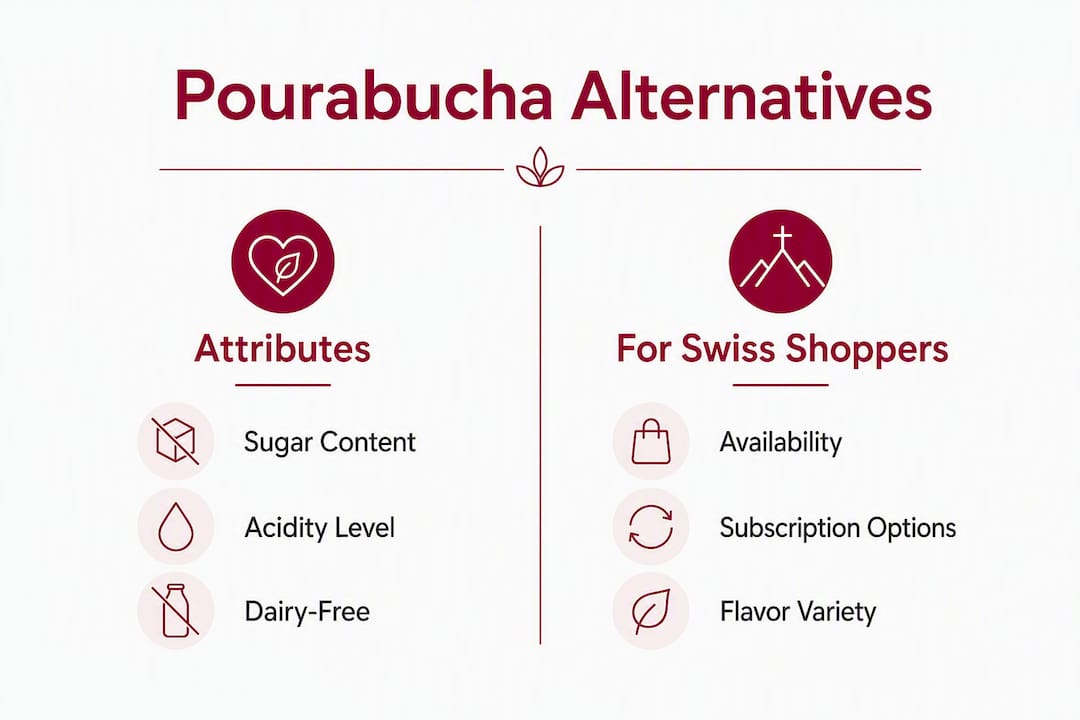
The decision comes down to five practical questions. Work through them in order and you will have a clear answer before you reach the checkout.
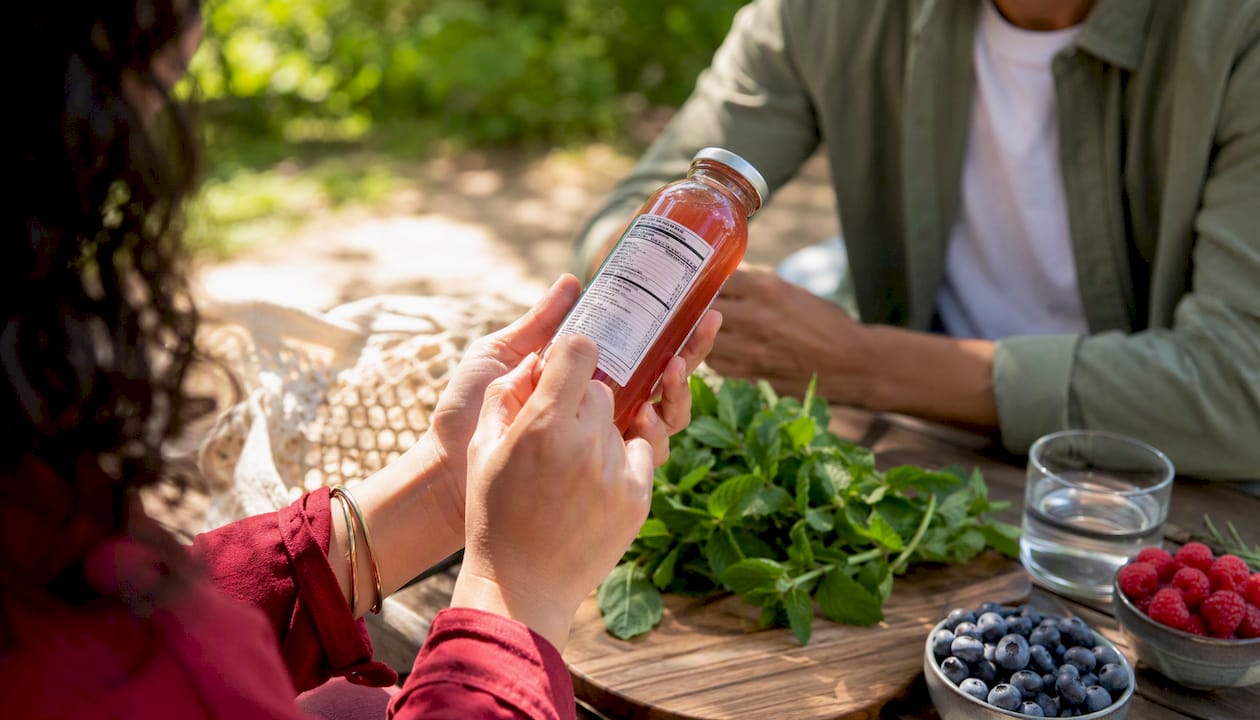
1. What is your sugar goal? Check the nutrition label for grams of sugar per 100 ml, not per bottle. A 500 ml bottle with “low sugar” on the front can still carry 20+ grams if the per-100-ml figure is above 4 g. Aboocha publishes its low-sugar positioning clearly; ask any other seller for the same number.
2. How much acidity can you handle? Kombucha and shrubs are the most acidic. Jun is noticeably milder. Water kefir and herbal lactic ferments are the gentlest. If you have acid reflux or a sensitive stomach, start with water kefir or a herbal lactic ferment.

3. Do you need dairy-free? Milk kefir is the only option in this list that contains dairy. Every other category is dairy-free by default, but always confirm on the label since some RTD kefir blends add milk powder.
4. Are you monitoring alcohol intake? Jun-style ferments can register higher alcohol than standard kombucha because honey ferments differently than cane sugar. If you are pregnant, on medication, or simply avoiding alcohol, choose herbal lactic ferments or water kefir, and verify the label states “alcohol-free.”
5. Do you want live cultures? Most commercial shrubs and fruit ferments are pasteurized, which kills live cultures. If probiotic presence matters to you, look for “contains live cultures” on the label, ideally with a named strain (e.g., Lactobacillus sp. or SCOBY-derived cultures). Vague phrases like “contains cultures” without strain detail are a red flag.
Pro Tip: If a label lists no nutrition facts at all, or uses only “natural fermentation” without any culture or sugar data, skip it. Transparent labeling is the single fastest proxy for product quality in this category.
What are these alternatives, exactly?
Understanding what you are actually buying makes the label easier to read and the choice easier to defend.
-
Aboocha is a ready-to-drink kombucha brewed with a SCOBY (symbiotic culture of bacteria and yeast), positioned around lower sugar and unusual flavor pairings. Sour Plum and Yuzu Osmanthus are signature examples. It ships via subscription, which keeps the price per bottle lower than most specialty retail.
-
Jun uses green tea and raw honey instead of black tea and cane sugar. It ferments in roughly several days under cool conditions, producing bright carbonation and a lighter, floral acidity. The honey fermentation profile can push alcohol slightly higher than typical kombucha, so check the label if that matters to you.
-
Water kefir is made by fermenting sugar water or fruit juice with kefir grains (a mix of bacteria and yeast). The result is a lightly fizzy, mildly sweet drink with no dairy and no caffeine. It is one of the most accessible probiotic-rich beverages for people avoiding both tea and dairy.
-
Milk kefir (RTD) is thicker and creamier than any tea-based ferment. It supplies protein and calcium that kombucha simply does not, but it is not dairy-free. Kefir provides protein and calcium; kombucha is lower-calorie with some caffeine — two genuinely different nutritional profiles for two different use cases.
-
Tepache is a Mexican fermented pineapple drink, lightly sweet and mildly fizzy. Most commercial versions have minimal live cultures and a moderate sugar content. Think of it as a flavor-forward mixer rather than a gut-health drink.
-
Fermented shrubs combine fruit, vinegar, and sugar. The vinegar base gives them a sharp, complex flavor that works well in cocktails or sparkling water. Most commercial shrubs are not fermented with live cultures; the “fermented” label refers to the vinegar base.
-
Herbal lactic ferments (Arktis-style) use molasses and herbs fermented with lactic acid bacteria. The Arktis Herbal product is explicitly formulated to be alcohol-free, histamine-free, vegan, and lactose-free, making it one of the few options genuinely safe for histamine-sensitive consumers.
What does the research actually say about fermented drinks and gut health?
The honest answer: less than the marketing suggests, but more than nothing.
A peer-reviewed PMC review confirms that health-promoting effects of fermented beverages are strain- and substrate-dependent. Kombucha brewed from black tea produces a different microbial and antioxidant profile than kefir made from milk, or a lactic ferment made from herbs and molasses. They are not interchangeable, and neither is automatically “better.”
“There is no clinical evidence to definitively label one fermented drink better than another for gut health; selection should follow personal preference and dietary constraints.” — Health.com, Kefir vs. Kombucha
What the evidence does support:
- Strain specificity matters. A drink labeled “probiotic” without naming a strain tells you almost nothing about its effect on your microbiome.
- Substrate shapes nutrients. Milk kefir delivers protein and calcium; tea-based kombucha delivers antioxidants and a small caffeine dose. Neither does both.
- Sugar and alcohol are real variables. High-sugar kombucha can offset any probiotic benefit for people managing blood sugar. Jun’s honey fermentation can produce more alcohol than expected.
- Histamine is a factor for some. Fermented foods can be high in histamine. Arktis-style herbal ferments are one of the few categories explicitly formulated to be histamine-free.
Aboocha’s approach — low-sugar positioning, flavor variety, and subscription convenience — aligns with what the evidence actually supports: a drink you will consume consistently, with transparent labeling, is more useful than a theoretically superior one you dislike or cannot find.
This article is general information, not medical or nutritional advice. Confirm any health-specific claims with a qualified dietitian or your physician.
Where can you buy these alternatives in Switzerland?
Swiss shoppers have more options than a few years ago, though availability still varies by category.
- Supermarkets (Migros, Coop): — Milk kefir and water kefir are the most reliably stocked. Some larger Coop branches carry specialty kombucha in the chilled health-drink section.
Subscription pricing for Aboocha typically runs CHF 4–7 per bottle depending on the plan, with shipping costs varying by canton. One-off orders are also available if you want to sample before subscribing.
Pro Tip: Before committing to a subscription, ask the seller two questions: (1) Do you ship with cold-chain packaging? (2) What is the shelf life after delivery? Live-culture drinks degrade faster than pasteurized ones, and a warm transit can compromise both flavor and culture viability.
Key Takeaways
Aboocha is the clearest low-sugar, flavor-forward, subscription-available alternative to Pourabucha for Swiss shoppers, with herbal lactic ferments and water kefir as the best options for sensitive or dairy-free consumers.
| Point | Details |
|---|---|
| No single drink wins on gut health | Nutrition experts confirm no fermented beverage is clinically proven superior; pick based on taste and tolerance. |
| Check sugar per 100 ml | Per-bottle figures mislead; always read the per-100-ml line on the nutrition label before buying. |
| Alcohol varies by type | Jun-style drinks can run higher in alcohol due to honey fermentation; herbal lactic ferments are the only explicitly alcohol-free category. |
| Swiss sourcing options | Milk kefir and water kefir are in most supermarkets; specialty and online channels cover the rest. |
| Aboocha for low-sugar flavor variety | Aboocha offers low-sugar kombucha with unique flavors and Swiss-accessible subscription delivery. |
Why these picks make sense for most Swiss shoppers
The fermented drink category has a marketing problem. Every brand implies clinical-grade gut benefits, and almost none of them can back that up with a controlled trial. That is not cynicism — it is just what the peer-reviewed literature says. The PMC review on kombucha and kefir microbiomes is clear: the therapeutic profile depends on which strains are present and what substrate they fermented. A drink with a beautiful label and vague “live cultures” copy is not the same as one with transparent sugar data and named bacterial strains.
What I find more useful than chasing the “healthiest” option is asking a simpler question: which drink will you actually keep buying? Consistency matters more than theoretical superiority. A water kefir you enjoy three times a week beats a premium Jun bottle you try once and find too expensive to reorder.
For Swiss shoppers specifically, the sourcing constraint is real. Jun is still hard to find outside specialty retailers, and fermented shrubs are mostly a farmers-market or online purchase. Aboocha’s subscription model solves the reorder friction that kills most health-drink habits — you set it, it arrives, you drink it. That is a practical advantage that does not show up in a nutrition comparison table but matters enormously in practice.
Aboocha is worth trying as your next subscription
If you have been buying Pourabucha and want a direct switch with less sugar and more flavor variety, Aboocha is the clearest like-for-like upgrade available to Swiss shoppers right now.
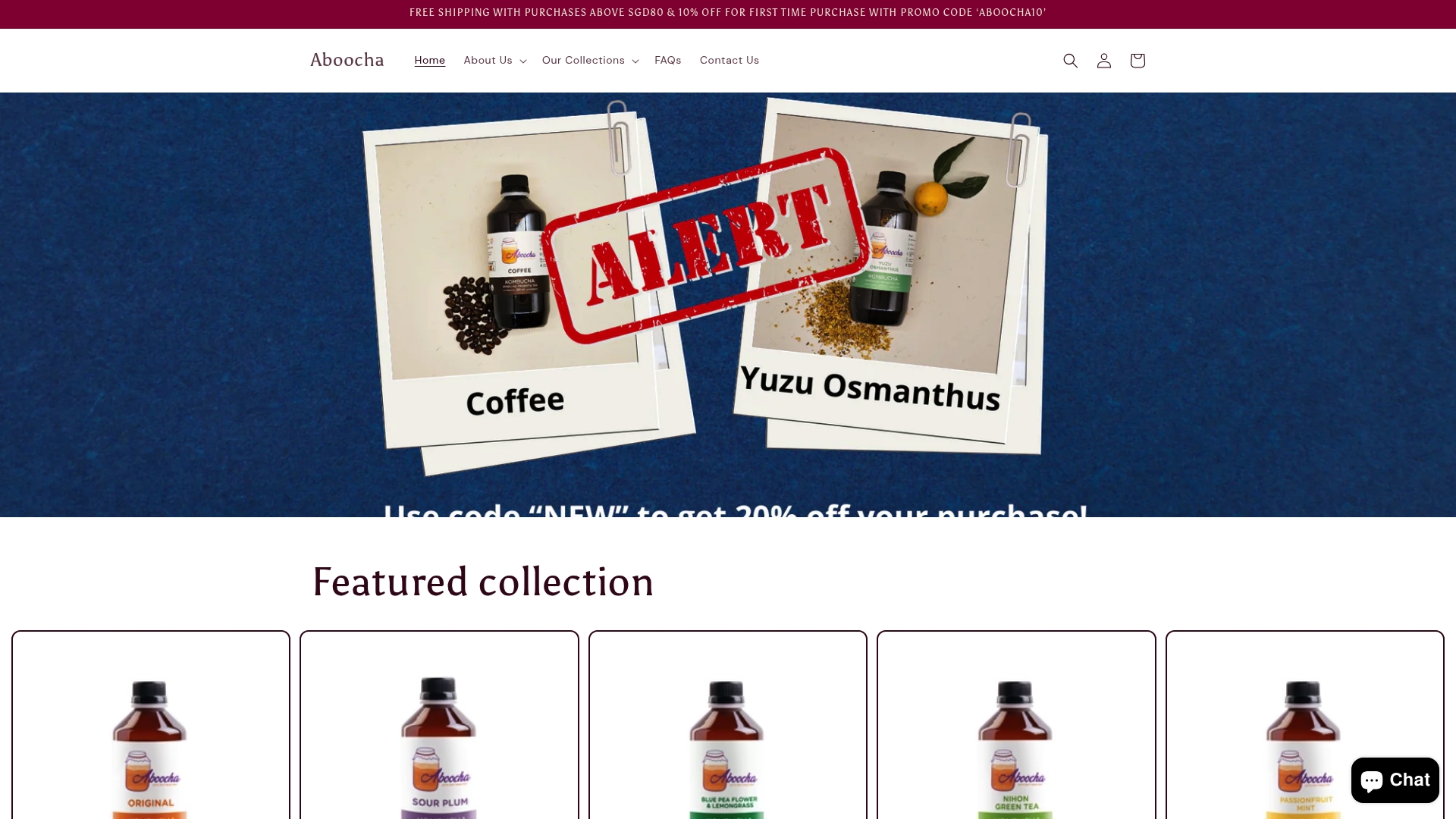
Aboocha brews ready-to-drink kombucha in flavors that most Swiss retailers simply do not stock: Sour Plum, Yuzu Osmanthus, and other fruit-forward profiles that make the daily gut-health habit genuinely enjoyable. Sugar content is kept low by design, not as an afterthought. Customers report improved digestive comfort and consistent satisfaction with the flavor range — feedback documented on Aboocha’s own site.
The subscription option is the practical choice for regular drinkers: lower per-bottle cost, cold-chain delivery, and no reorder friction. Sample packs are available if you want to test flavors before committing to a recurring plan.
Browse the Aboocha flavor range and pick a starter set or subscription that fits your routine. Note: Aboocha is the publisher of this article and a recommended option in this comparison.
Useful sources and further reading
- Fermented Beverage Benefits: A Comprehensive Review and Comparison of Kombucha and Kefir Microbiome — PMC
- Kefir vs. Kombucha: Which Fermented Drink Is Better for Digestion? — Health.com
- Best Low Sugar Fermented Beverage Options for Gut Health — Aboocha
- Fermented Drinks and Gut Health Benefits Explained — Aboocha
FAQ
What is the healthiest kombucha you can buy?
No single kombucha brand is clinically proven healthiest. Look for low sugar per 100 ml, named live cultures on the label, and cold-chain storage — those three factors matter more than any marketing claim.
What is a good replacement for kombucha?
Water kefir is the most accessible dairy-free replacement, while herbal lactic ferments (like Arktis Herbal) suit histamine-sensitive consumers. Aboocha is a strong like-for-like swap if you want a ready-to-drink kombucha with lower sugar and more unusual flavors.
Which brand of kombucha is best for Swiss shoppers?
Availability and transparency vary. Aboocha ships directly to Switzerland with subscription options and publishes clear low-sugar positioning, making it one of the most practical choices for consistent, home-delivered kombucha.
Which kombucha tastes the best?
Taste is personal, but flavor-forward brands that use fruit and floral ingredients tend to appeal to people who find plain kombucha too vinegary. Aboocha’s Sour Plum and Yuzu Osmanthus flavors are designed specifically for drinkers who want complexity without sharp acidity.