
Halal certified kombucha is a fermented tea beverage that meets Islamic dietary standards by controlling alcohol content and verifying ingredient purity through official third-party certification. The certification process goes far beyond slapping a logo on a bottle. It requires laboratory testing, supply chain audits, and documented proof that every input, from the tea leaves to the sugar processing aids, complies with Islamic law. Certification bodies like MUI (Majelis Ulama Indonesia) and HCC (Halal Certification Council) govern these standards, and their requirements differ by country and market. For Muslim consumers asking whether kombucha fits their diet, the short answer is: it depends entirely on whether the product carries verified halal certification.
What is halal certified kombucha and why does it matter?
Kombucha is a fermented tea produced by adding a SCOBY (symbiotic culture of bacteria and yeast) to sweetened tea, then allowing it to ferment for one to four weeks. The fermentation process creates organic acids, B vitamins, probiotics, and trace amounts of ethanol. That last byproduct is the core issue for halal compliance.
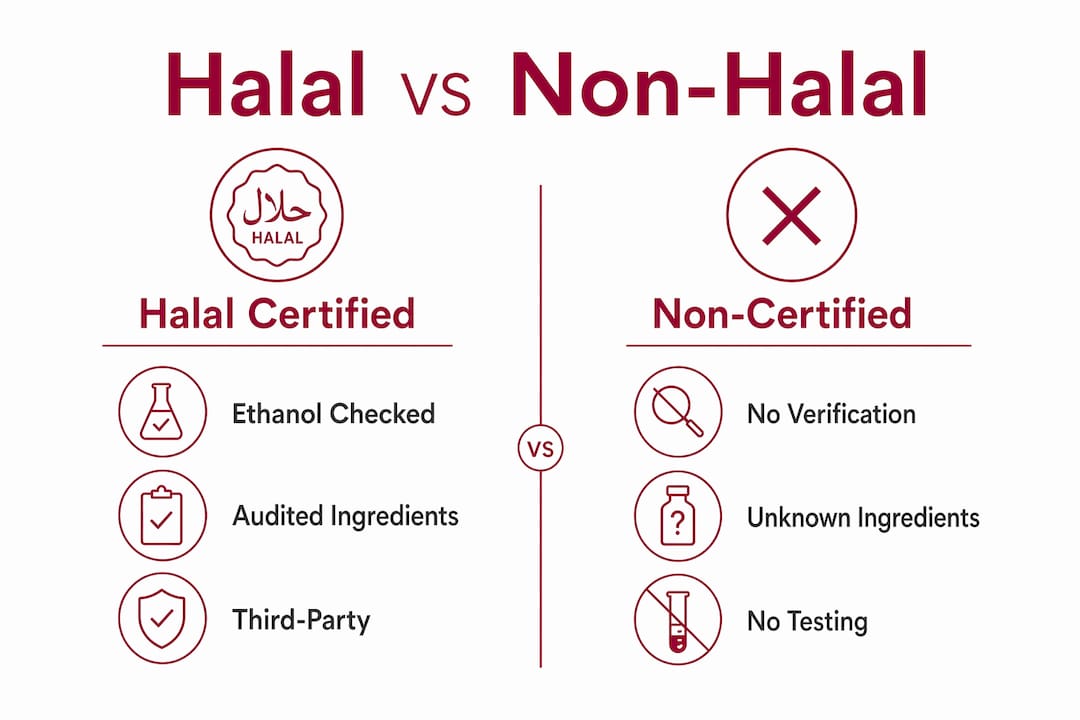
Halal certified kombucha denotes a fully audited supply chain covering raw materials, fermentation controls, and final ethanol measurements that confirm compliance with Islamic dietary law. The certification is not a self-declaration. It requires an accredited body to inspect and approve every stage of production before the halal mark is granted.
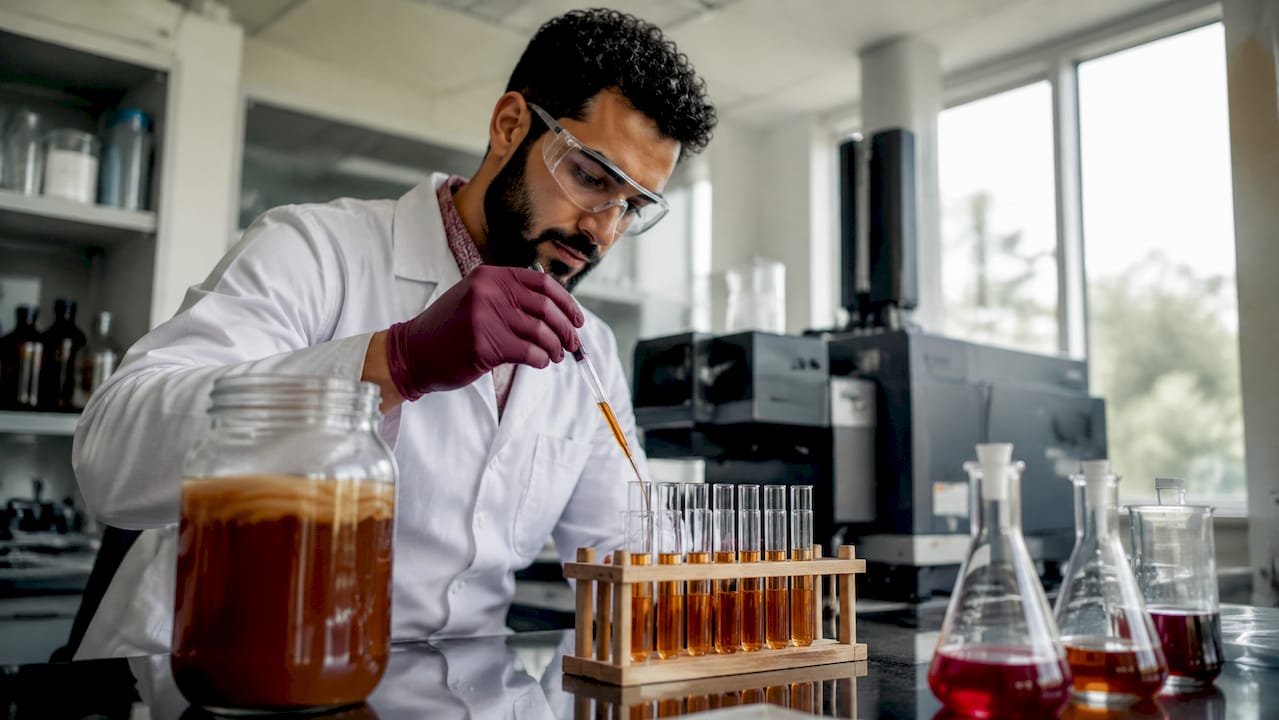
According to MUI Fatwa No. 10/2018, fermented drinks below 0.5% alcohol produced without haram ingredients are considered halal. This ruling gives kombucha a viable path to certification, but it does not make all kombucha automatically halal. The fatwa creates a threshold, not a blanket approval.
The distinction matters because millions of Muslim consumers globally are actively seeking halal certified beverages that support gut health. Kombucha’s probiotic profile makes it attractive, but without certification, consumers have no reliable way to confirm compliance.
How fermentation creates alcohol in kombucha
Understanding why halal certification is necessary starts with understanding what fermentation actually does. When yeast in the SCOBY metabolizes sugar, it produces ethanol and carbon dioxide as byproducts. The bacteria then convert much of that ethanol into organic acids, which give kombucha its characteristic tartness. But not all ethanol converts, which is why finished kombucha always contains some residual alcohol.
Commercial kombucha typically contains around 0.5% ABV due to natural fermentation, placing it at the boundary of what most halal standards permit. The exact level is not fixed. It shifts based on several variables:
- Tea type: Black tea kombucha averages 0.1126% ethanol while green tea kombucha can reach up to 0.1789% during the first week of storage.
- Fermentation duration: Longer fermentation generally produces more ethanol before bacterial conversion catches up.
- Temperature: Higher fermentation temperatures accelerate yeast activity and can push ethanol levels upward.
- Storage conditions: Ethanol content continues to change after bottling, meaning a product that tested compliant at packaging may drift over time.
- Aerobic vs. anaerobic conditions: Fermentation in aerobic conditions can push alcohol above 1%, which would disqualify the product from halal certification under any major standard.
This variability is precisely why a one-time test at production is not sufficient for rigorous halal certification. Batch testing across the shelf life of the product is the only way to confirm ongoing compliance.
How halal certification for kombucha actually works
The certification process is more demanding than most consumers realize. It does not begin at the finished product. It begins at the raw material sourcing stage and works forward through every production step.
- Ingredient review. Every input is evaluated for halal status. This includes the tea, sugar, starter culture, flavorings, and any processing aids. Sugar, for example, may be processed using activated carbon derived from animal bones, which would render it haram regardless of the final ethanol level.
- Microbiology media audit. The LPPOM MUI identifies microbiology growth media and nitrogen sources as critical halal points. If the nutrients used to cultivate the SCOBY contain animal-derived components, the entire batch is disqualified.
- Fermentation process controls. Producers must document and control fermentation conditions to prevent ethanol from exceeding permissible thresholds. This includes temperature monitoring, fermentation time limits, and pH tracking.
- Laboratory ethanol testing. GC-MS (gas chromatography-mass spectrometry) is the standard method for precise ethanol quantification in kombucha. It provides objective, court-admissible data that certifiers rely on to approve or reject batches.
- Threshold comparison by market. Indonesia’s halal standards are stricter than typical US thresholds, meaning a product certified for the American market may not qualify for Indonesian export. Brands targeting multiple markets must meet the most restrictive applicable standard.
Pro Tip: If you are evaluating a kombucha brand’s halal claim, ask specifically whether they use GC-MS testing and whether certification covers the full shelf life of the product, not just the production date.
Two kombucha batches with identical ethanol readings can still differ in halal status if their ingredient inputs differ. Animal-derived activated carbon in sugar processing is one example where the ethanol level is irrelevant. The ingredient source alone determines compliance.
Halal certified vs. non-certified kombucha: what actually differs
The practical differences between certified and non-certified kombucha are significant, and they go beyond religious compliance.
| Criteria | Halal certified | Non-certified |
|---|---|---|
| Ethanol level | Verified below threshold by lab testing | Unknown or self-reported |
| Ingredient sourcing | Audited for haram inputs at every stage | No third-party verification |
| Production controls | Documented fermentation process controls | Varies by producer |
| Shelf life compliance | Batch testing across product life | Typically tested at production only |
| Consumer verification | Searchable on official platforms like halalmui.org | No official verification available |
Non-certified kombucha carries real risks for Muslim consumers. Ethanol levels may be uncontrolled, flavoring agents may contain alcohol-based extracts, and sugar processing aids may be animal-derived. None of these issues are visible on a standard nutrition label.
Consumers can verify halal status through several channels:
- The MUI verification platform at halalmui.org allows searches by product name or batch number.
- The HCC maintains a searchable database of certified beverages.
- Halal-focused grocery apps like Scan Halal and IslamicFinder’s product checker cross-reference certification databases in real time.
The absence of a halal logo does not always mean a product is haram. But it does mean the consumer has no independent verification to rely on.
Practical tips for consumers choosing halal kombucha
Choosing the right kombucha as a Muslim consumer requires more than reading the label. Here is what to look for and what to watch out for.
Check the certification logo and body. A halal logo is only as credible as the organization behind it. Look for marks from recognized bodies: MUI, HCC, IFANCA (Islamic Food and Nutrition Council of America), or JAKIM (Malaysia). Unknown or self-issued logos carry no weight.
Read the ingredient list for red flags. Flavorings labeled as “natural flavors” can legally contain alcohol-based extracts. Kombucha with added fruit juices or botanical extracts should carry explicit certification covering those additions, not just the base brew.
Understand storage and shelf life effects. Ethanol content changes during storage, so a product that was compliant at bottling may not remain so at the end of its shelf life. Refrigerated storage slows fermentation and limits ethanol drift. Unrefrigerated kombucha, especially in warm climates, is higher risk.
Pro Tip: When buying kombucha online or from international sellers, check whether the halal certification is valid in your country. A product certified by HCC for the US market may not meet MUI standards for Indonesian consumers.
Common misconceptions about halal kombucha include the belief that all kombucha is automatically halal because it is a health drink, or that low alcohol content alone is sufficient for compliance. Both are incorrect. Halal certification is a process, not a property of the drink itself. You can learn more about kombucha fermentation basics to better understand why the production process matters as much as the final product.
Key takeaways
Halal certified kombucha requires verified ethanol control, audited ingredients, and third-party certification. No single factor alone determines compliance.
| Point | Details |
|---|---|
| Ethanol threshold matters | MUI Fatwa No. 10/2018 sets the halal limit at below 0.5% alcohol with no haram inputs. |
| Ingredients beyond ethanol count | Sugar processing aids and microbiology media can disqualify a product regardless of alcohol level. |
| GC-MS testing is the standard | Lab-based ethanol quantification provides the objective data certifiers require for approval. |
| Certification varies by country | Indonesia’s standards are stricter than US thresholds, so market-specific certification is necessary. |
| Shelf life affects compliance | Ethanol levels change during storage, making batch testing across the product’s life the reliable approach. |
Why halal kombucha certification is harder than it looks
I have spent years writing about food certification systems, and halal kombucha sits at one of the most technically demanding intersections in the beverage industry. The challenge is not the ethanol threshold itself. It is the fact that ethanol is a moving target in a living product.
Most food certifications deal with static ingredients. Kombucha is different because fermentation does not stop at bottling. The SCOBY culture continues to metabolize sugars at a slow rate, which means ethanol levels at the point of consumption can differ meaningfully from ethanol levels at the point of certification. Brands that test once at production and call it done are not providing genuine halal assurance. They are providing a snapshot.
The ingredient supply chain issue is equally underappreciated. I have seen well-intentioned brands lose certification renewal because a sugar supplier switched processing aids without notifying the kombucha producer. That kind of upstream change is invisible to the consumer and often invisible to the brand until an audit catches it. This is why ongoing certification, not one-time approval, is the only credible standard.
For consumers, the practical advice is straightforward: trust the logo, verify the body behind it, and refrigerate your kombucha. For brands, the message is equally direct. Invest in GC-MS batch testing across the full shelf life and build supplier notification clauses into every ingredient contract. The market for halal certified beverages is growing, and the brands that build genuine compliance infrastructure now will own that market.
— Luna
Discover Aboocha’s approach to quality kombucha
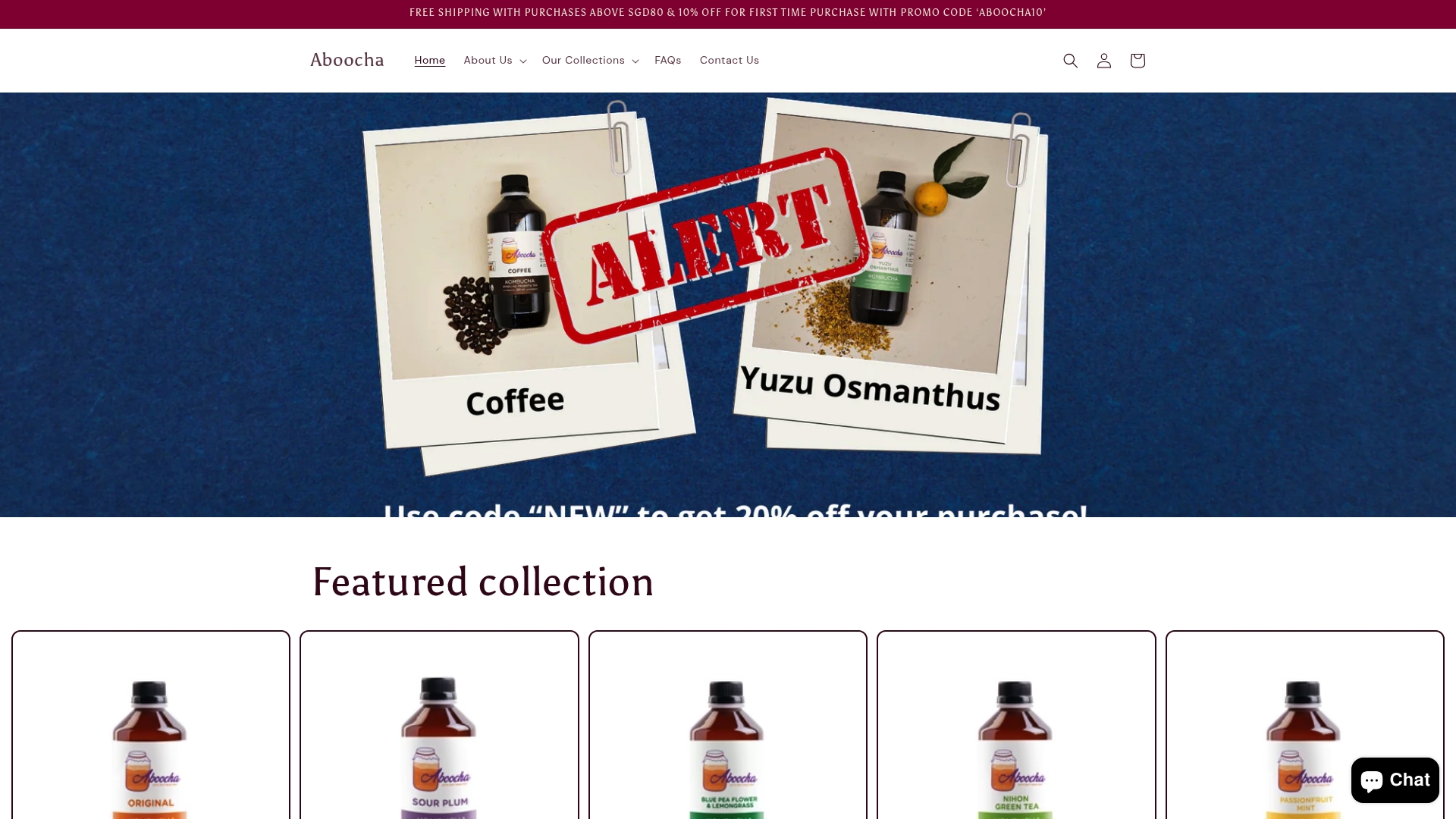
Aboocha crafts flavor-forward kombucha with lower sugar content and rigorous quality controls, producing standout varieties like Sour Plum and Yuzu Osmanthus that are designed for health-conscious consumers who care about what goes into their drink. If you are exploring kombucha with halal certification in mind, understanding the production standards behind your beverage is the right place to start. Aboocha’s commitment to ingredient transparency and fermentation quality makes it a trusted choice for consumers who want both great taste and genuine assurance. Visit Aboocha’s full range to explore products and learn more about their quality practices. If you are new to kombucha, the first-time drinking guide is a practical starting point.
FAQ
What is halal certified kombucha?
Halal certified kombucha is a fermented tea beverage that has been verified by an accredited certification body to contain less than 0.5% alcohol and no haram ingredients or processes. Certification covers the full supply chain, from raw materials through fermentation controls to final product testing.
Can Muslims drink kombucha?
Muslims can drink kombucha if it carries valid halal certification from a recognized body such as MUI, HCC, or IFANCA. Non-certified kombucha carries unverified ethanol levels and ingredient sourcing, which makes compliance uncertain.
How is ethanol measured in halal kombucha certification?
GC-MS (gas chromatography-mass spectrometry) is the standard laboratory method used to quantify ethanol in kombucha for halal verification. It provides precise, objective measurements that certification bodies use to confirm compliance against market-specific thresholds.
Does refrigeration affect the halal status of kombucha?
Refrigeration slows ongoing fermentation and limits ethanol increases after bottling, which helps maintain halal compliance over the product’s shelf life. Unrefrigerated storage accelerates fermentation and raises the risk of ethanol exceeding permissible thresholds before the product is consumed.
Are all kombucha ingredients automatically halal?
No. Sugar processing aids, microbiology growth media, and natural flavorings can all contain animal-derived or alcohol-based components that disqualify a product from halal status regardless of its ethanol level. Full ingredient auditing by a certified body is the only way to confirm compliance.