
Exotic fermented drinks are traditional beverages made by fermenting unique local ingredients with natural microbial cultures, producing flavorful and often probiotic-rich results. These drinks span every continent, from the corn-based chicha of the Andes to the millet and milk blends of West Africa. The best examples of exotic fermented drinks reveal centuries of food science embedded in cultural tradition. Kombucha, kefir, and makgeolli represent the more familiar end of this spectrum. Drinks like masato, pozol, mauby, and fura da nono remain largely unknown outside their home regions, yet they carry equal nutritional and cultural weight.
1. What are some distinctive examples of exotic fermented drinks from the Americas?
The Americas produced some of the oldest fermented beverages on record. Chicha, pozol, masato, and mauby each reflect a distinct regional identity and fermentation tradition.
Chicha is a fermented maize drink with deep roots in Colombia, Peru, and Argentina. Traditional chicha relies on wild airborne yeasts and can ferment for several days, producing a mildly alcoholic, tangy drink. The flavor varies by region, ranging from sour and earthy to lightly sweet depending on the maize variety used.
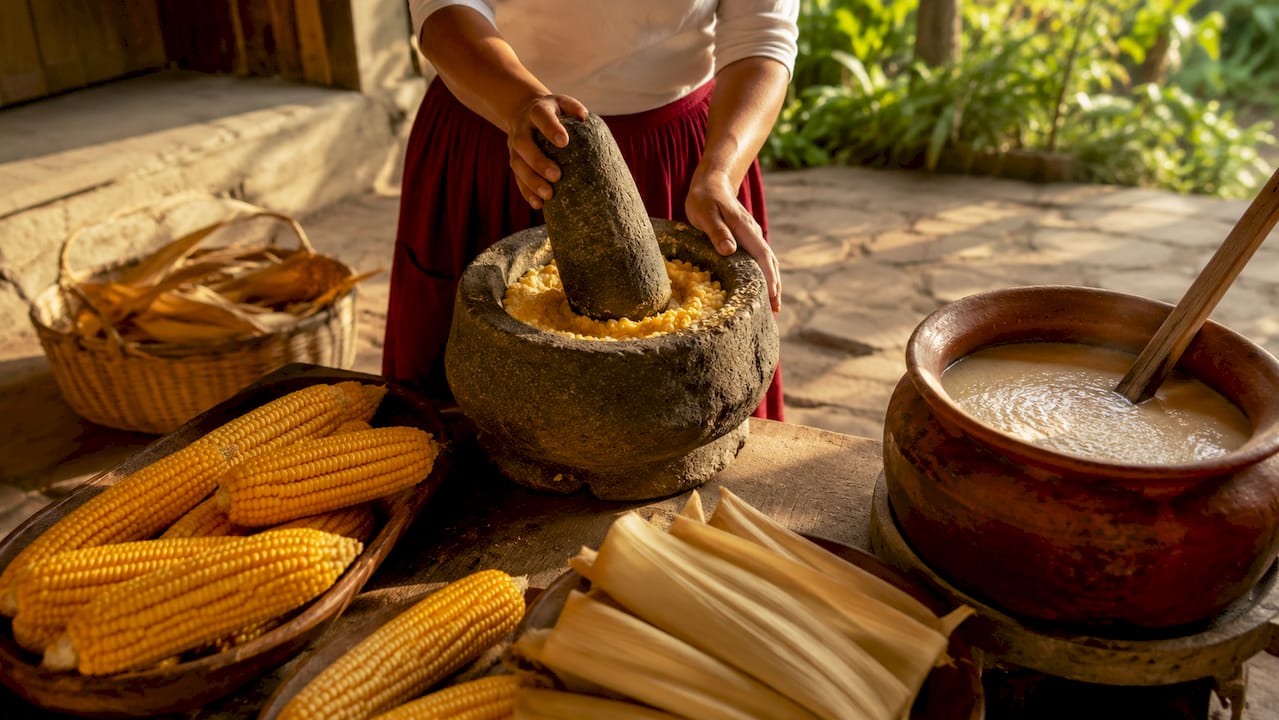
Pozol is a Mayan fermented corn masa drink from Mexico and Central America with a documented history over 3,000 years. Fermentation takes 1 to 7 days, producing a tangy, earthy flavor. One practical feature of pozol is that fermented dough balls can be stored and reconstituted with water daily, showing how indigenous communities adapted fermentation for convenience.
Masato is an Amazonian drink made from fermented cassava root, a starchy tuber common across South America. Traditional masato preparation involves chewing the cassava to introduce salivary enzymes that break down starches before fermentation begins. This biochemical step adds complexity that commercial methods cannot replicate. The result is a thick, mildly sour drink with a creamy texture.
Mauby is a Caribbean fermented drink made from the bark of the mauby tree. It requires just 24 to 48 hours of fermentation and produces a bittersweet, slightly resinous flavor with low alcohol content, often under 1%. Mauby is consumed cold and is especially popular in Barbados, Trinidad, and Jamaica.
Pro Tip: If you want to try making pozol at home, start with masa harina (dried corn dough flour) and ferment it in a sealed container at room temperature for 48 hours. The result will be an approximation, not an exact replica, but it gives you a genuine sense of the flavor profile.
2. Which exotic fermented drinks come from Asia?
Asia produces some of the most globally recognized unique fermented beverages, each built on a distinct starter culture and fermentation logic.
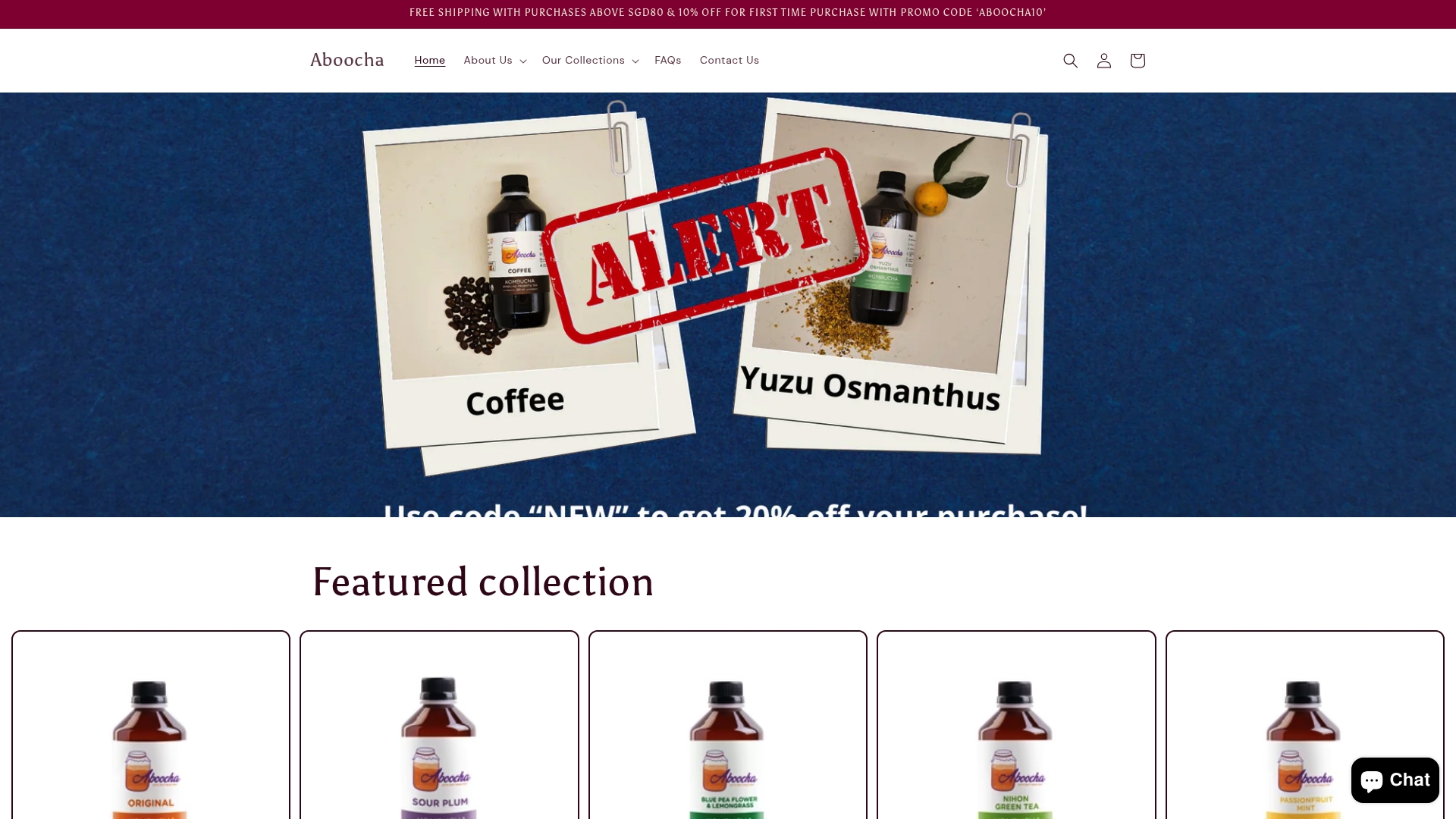
Kombucha is a fermented probiotic tea made using a SCOBY (symbiotic culture of bacteria and yeast). The SCOBY converts sweetened tea into a tangy, lightly effervescent drink rich in organic acids and antioxidants. Kombucha originated in Northeast China and spread across Central Asia before reaching global markets. Aboocha builds on this tradition with lower sugar content and flavor profiles like Sour Plum and Yuzu Osmanthus that reflect Asian botanical ingredients.
Milk kefir originated in the Caucasus region and is made by fermenting dairy milk with kefir grains, a rubbery cluster of bacteria and yeast. A single cup of milk kefir can contain 10 to 50 or more probiotic strains, making it one of the most probiotic-dense drinks available. The flavor is tart and slightly fizzy, similar to drinkable yogurt but more complex.
Water kefir uses the same grain-based fermentation logic but works with sugar water or fruit juice instead of dairy. It produces a lighter, sweeter drink that suits people who avoid dairy. Both kefir types deliver transient microbiome support, which means regular consumption is needed to maintain the gut health benefits.
Makgeolli is a Korean rice wine fermented with a traditional starter called Nuruk, a complex blend of wild microorganisms cultivated in earthenware vessels. Mass-produced makgeolli ferments in 3 to 5 days using accelerated yeast-only methods, while traditional versions ferment for 14 to 30 days using wild cultures. The difference in fermentation time produces a measurable gap in flavor depth and probiotic content.
Jun tea is a lesser-known fermented drink made from green or white tea sweetened with honey rather than cane sugar. It uses a SCOBY similar to kombucha but produces a gentler, floral flavor. Jun tea is considered a premium variant because high-quality honey and green tea are more expensive inputs than black tea and white sugar.
Pro Tip: When buying makgeolli, look for bottles labeled “saeng makgeolli,” which means unpasteurized. Pasteurized versions have a longer shelf life but contain fewer live cultures and a noticeably flatter flavor.
3. What are some uncommon fermented drinks from Africa and Europe?
Africa and Europe each contribute rare fermented beverages that rarely appear on Western menus but carry significant cultural and nutritional value.
Fura da Nono is a West African drink from the Fulani people of Nigeria, Niger, and Ghana. It combines fermented cow’s milk (nono) with spiced millet balls (fura). Traditional preparation relies on wild starters and specific fermentation vessels that impart a unique microflora impossible to replicate outside the original environment. The flavor is tangy, spiced, and cooling, making it a practical drink in hot climates.
Kvass is a bread-based fermented drink from Eastern Europe, particularly Russia, Ukraine, and Poland. It is made by fermenting stale rye bread with water and a small amount of yeast or sourdough starter. The result is a mildly sour, slightly sweet drink with very low alcohol content. Kvass has been consumed for over a thousand years and remains a common street drink in Russian cities.
Beet kvass is a variation that uses fermented beets, salt, and water instead of bread. It produces a mildly sweet, tart beverage with a deep ruby color and earthy flavor. Beet kvass is valued in Eastern European folk medicine for its liver-supporting properties.
| Drink | Region | Base Ingredient | Fermentation Time | Flavor Profile |
|---|---|---|---|---|
| Fura da Nono | West Africa | Milk and millet | 1 to 3 days | Tangy, spiced |
| Kvass | Eastern Europe | Rye bread | 1 to 3 days | Mildly sour, sweet |
| Beet kvass | Eastern Europe | Beets and salt | 2 to 5 days | Earthy, tart |
| Mauby | Caribbean | Tree bark | 24 to 48 hours | Bittersweet, resinous |
4. How do fermentation methods shape flavor and probiotic benefits?
The starter culture used in fermentation determines both the flavor complexity and the probiotic diversity of the final drink. Wild fermentation produces greater flavor complexity and a broader range of beneficial microbes than commercially accelerated fermentation. This is why a traditionally brewed makgeolli tastes richer and more layered than a factory-produced version.
Wild fermentation draws on environmental microorganisms from the air, the fermentation vessel, and the hands of the maker. Authentic Nuruk starter for makgeolli, for example, contains a complex mix of wild organisms cultivated in earthenware that cannot be industrially duplicated. The same principle applies to fura da nono, where specific vessels and wild starters create a microflora profile unique to the Fulani tradition.
Commercial starters, by contrast, use selected yeast or bacterial strains for speed and consistency. They produce predictable results but sacrifice microbial diversity. For health-conscious drinkers, this matters because a broader range of probiotic strains offers more varied gut microbiome support.
Fermentation vessels also influence the outcome. Clay pots, wooden barrels, and gourd containers each introduce trace minerals and microorganisms that affect flavor. Modern glass and stainless steel are neutral, which is useful for consistency but removes the environmental contribution that defines traditional drinks.
Pro Tip: When fermenting at home, use a clean glass jar with a loose cloth cover rather than an airtight lid. This allows gas to escape and lets beneficial wild cultures enter, which is closer to how traditional fermenters have worked for centuries.
Key Takeaways
The most culturally rich and probiotic-dense fermented drinks are those made with wild starter cultures, traditional vessels, and locally sourced ingredients over longer fermentation periods.
| Point | Details |
|---|---|
| Wild fermentation wins on complexity | Wild cultures produce more probiotic strains and deeper flavor than commercial starters. |
| Fermentation time matters | Traditional drinks ferment for 14 to 30 days versus 3 to 5 days for mass-produced versions. |
| Cultural context shapes flavor | Ingredients like Nuruk, mauby bark, and millet are inseparable from the drinks they define. |
| Regular consumption is required | Probiotic benefits from fermented drinks are transient and depend on consistent intake. |
| Home replication has limits | Traditional fermented drinks rely on environmental factors that home brewers can approximate but not fully recreate. |
Why I think most people are drinking the wrong fermented drinks
Most people who discover fermented drinks stop at kombucha or store-bought kefir. That is a reasonable starting point, but it misses the most interesting part of the fermentation world. The drinks that genuinely surprised me were the ones with cultural specificity baked into every step. Masato is not just a cassava drink. The chewing step, the communal preparation, the clay vessel, all of it is part of what makes the flavor what it is. You cannot separate the drink from the tradition.
Respecting that context matters. Consumers often conflate similar fermented drinks from different cultures, which flattens the very diversity that makes these beverages worth exploring. Fura da nono is not “African kefir.” Pozol is not “Mexican kombucha.” Each drink has its own microbial logic, its own flavor grammar, and its own cultural weight.
My practical advice: start with mauby or beet kvass if you want something approachable and easy to source. Both are forgiving to make at home and deliver a genuine taste of their respective traditions. Once you have those under your belt, try sourcing authentic makgeolli from a Korean grocery store and compare it to a mass-produced version side by side. The difference will change how you think about fermented drink quality entirely.
— Luna
Explore unique fermented flavors with Aboocha
If exploring global fermented drinks has sparked your curiosity, Aboocha is a natural next step. Aboocha crafts flavor-forward kombucha with lower sugar content and profiles inspired by Asian botanical ingredients, including Sour Plum and Yuzu Osmanthus. Each bottle reflects the same commitment to live cultures and flavor depth that defines the best traditional fermented beverages worldwide.
Aboocha also publishes guides on gut health and fermentation to help you understand what you are drinking and why it works. Whether you are new to fermented beverages or building a daily gut health routine, visit Aboocha to explore the full range of flavors and subscription options.
FAQ
What are the most well-known examples of exotic fermented drinks?
Kombucha, kefir, and makgeolli are the most globally recognized exotic fermented drinks. Less familiar examples include chicha, masato, pozol, mauby, fura da nono, kvass, and beet kvass.
What are the main benefits of fermented drinks?
Fermented drinks support gut health by delivering live probiotic cultures that temporarily enrich the gut microbiome. Milk kefir alone can contain 10 to 50 or more distinct probiotic strains per cup, and regular consumption is needed to sustain the benefits.
How does traditional fermentation differ from commercial fermentation?
Traditional fermentation uses wild starter cultures and longer fermentation periods, typically 14 to 30 days, producing more complex flavors and greater probiotic diversity. Commercial fermentation uses selected strains and takes 3 to 5 days, prioritizing consistency over depth.
Can I make exotic fermented drinks at home?
Home fermentation produces approximations rather than exact replicas of traditional drinks. Wild cultures and indigenous environmental factors are difficult to recreate, but drinks like beet kvass, water kefir, and kombucha are accessible starting points for home brewers.
What is the alcohol content of exotic fermented drinks?
Alcohol content varies widely. Mauby and balché typically contain less than 4% alcohol, often under 1%. Makgeolli ranges from 6% to 8% in most commercial versions. Drinks like kvass and beet kvass contain trace amounts of alcohol from fermentation.