
Fermented drinks are beverages produced when microorganisms like bacteria and yeast convert sugars into acids, gases, or alcohol. When you discover fermented drink varieties, you unlock a world of flavors ranging from tart and fizzy to creamy and earthy, plus a strong case for gut health. Kombucha, kefir, kvass, tepache, and ginger bug each come from different ingredients and starter cultures, which is exactly why they taste and feel so different in the glass. These drinks also support digestive health and produce vitamins B, C, and K through the fermentation process itself.
What are the most popular fermented drink varieties?
The best way to compare fermented beverages is by their base ingredient, starter culture, and the flavor that results. Each combination produces something genuinely distinct.
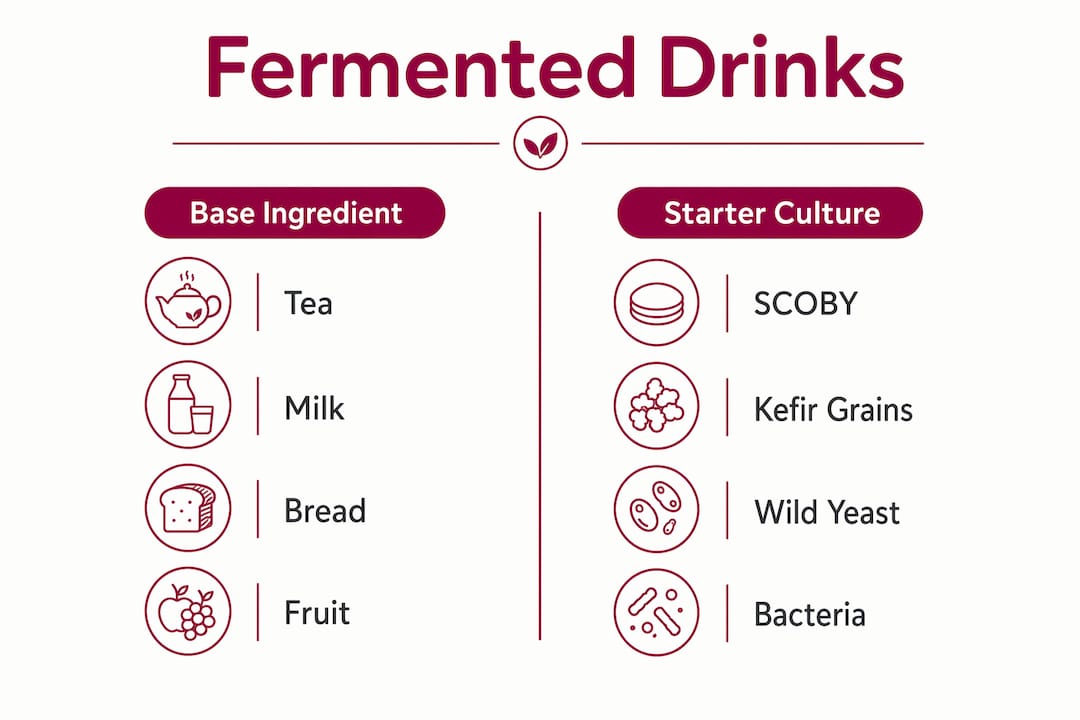
Kombucha is sweetened tea fermented with a SCOBY (symbiotic culture of bacteria and yeast). The result is fizzy, tart, and slightly sweet. Fermentation typically takes 7–14 days at room temperature. Kombucha is the most widely available fermented drink in U.S. grocery stores, which makes it the natural starting point for most people.
Kefir comes in two forms: milk kefir and water kefir. Milk kefir uses kefir grains added to dairy, producing a creamy, tangy drink with a yogurt-like consistency. Water kefir uses the same grains in sugar water, creating a lighter, fizzy result. Kefir contains over 30 microbial species due to the complexity of kefir grains. That microbial diversity is one reason kefir is frequently cited for gut health benefits.
Kvass is a traditional Eastern European drink made by fermenting rye bread or beetroot. The flavor is earthy, mildly sour, and slightly sweet. Kvass has very low alcohol content and a short fermentation window of 1–3 days, making it one of the faster homemade fermented beverages to prepare.
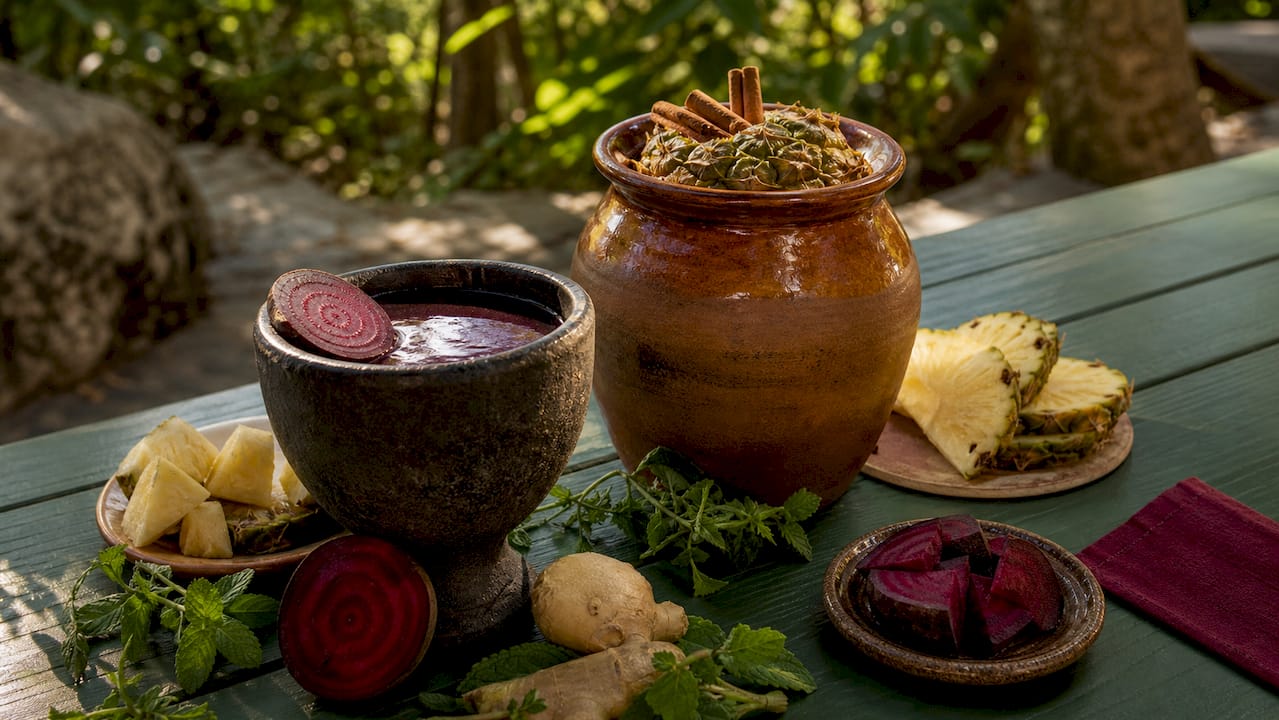
Tepache is made from pineapple rinds fermented with sugar and spices like cinnamon and cloves. Tepache develops a fragrant, lightly alcoholic profile in just a few days. The flavor is sweet-tart and aromatic rather than vinegary, which surprises most first-time drinkers.
Other notable types include ginger bug (a wild-fermented ginger starter used to carbonate sodas) and jun (similar to kombucha but brewed with green tea and honey).
| Drink | Base Ingredient | Starter Culture | Texture | Flavor |
|---|---|---|---|---|
| Kombucha | Sweetened black tea | SCOBY | Fizzy | Tart, slightly sweet |
| Milk kefir | Dairy milk | Kefir grains | Creamy | Tangy, yogurt-like |
| Water kefir | Sugar water | Kefir grains | Fizzy | Light, mildly sweet |
| Kvass | Rye bread or beetroot | Wild yeast | Still | Earthy, sour |
| Tepache | Pineapple rind | Wild yeast | Lightly fizzy | Sweet-tart, spiced |
Matching your starter culture to your desired flavor and texture is the single most practical decision a new home fermenter can make.
What tools and ingredients do you need to ferment at home?
Home fermentation requires less equipment than most people expect. The critical factor is not quantity of gear but quality of sanitation and material choice.
Fermentation vessels are where most beginners go wrong. Glass and food-grade plastic are the safest options for acidic ferments like kombucha. Glazed ceramics and reactive metals can leach compounds into the liquid as acidity rises. A one-gallon glass jar is the standard starting vessel for kombucha and water kefir.
Starter cultures are the living engines of fermentation. You need a SCOBY for kombucha, kefir grains for kefir, or simply fruit and sugar for wild ferments like tepache and ginger bug. Sourcing your SCOBY or kefir grains from a reputable supplier or an experienced home brewer matters because culture health directly affects flavor and safety.
Here is a quick reference for the core equipment:
| Tool | Purpose |
|---|---|
| Glass jar (1 gallon) | Primary fermentation vessel |
| Breathable cloth cover | Allows gas exchange, blocks contaminants |
| pH strips or meter | Monitors acidity to confirm safe fermentation |
| Thermometer | Tracks temperature for consistent culture activity |
| Wooden or plastic spoon | Stirs without reacting with acidic liquid |
Sanitation is the step most beginners underestimate. Rinse all equipment with hot water and white vinegar before use. Avoid soap residue, which can kill your starter culture. Keep your fermentation area away from direct sunlight and strong-smelling foods, which can introduce unwanted microbes.
Pro Tip: Buy pH strips before your first batch. Kombucha should reach a pH of 2.5–3.5 to be considered safe and shelf-stable. If your batch does not acidify within the expected window, discard it rather than risk contamination.
How do you make kombucha, kefir, and tepache at home?
Each fermented drink follows a different process, but all three share the same core logic: feed your culture, give it time, and monitor for signs of healthy fermentation.
Brewing kombucha step by step
- Brew 1 gallon of strong black tea and dissolve 1 cup of white sugar into it while hot.
- Cool the tea to room temperature. Adding a SCOBY to hot liquid will kill it.
- Place the SCOBY and 1–2 cups of starter liquid (from a previous batch or store-bought raw kombucha) into a clean glass jar.
- Pour in the cooled sweet tea. Cover with a breathable cloth secured with a rubber band.
- Ferment at 68–78°F for 7–14 days. Taste starting at day 7.
- When the flavor reaches your preferred balance of sweet and tart, bottle and refrigerate.
For a deeper look at the science behind each step, the kombucha homebrewing guide from Aboocha covers pH monitoring and troubleshooting in detail.
Pro Tip: Kombucha typically contains under 0.5% ABV, but extended fermentation raises alcohol content. If you are brewing for children, pregnant individuals, or anyone avoiding alcohol, keep fermentation to 7–10 days and refrigerate promptly.
Making milk kefir and water kefir
Milk kefir is the simpler of the two. Add 1–2 teaspoons of kefir grains to 2 cups of whole milk in a glass jar. Cover loosely and leave at room temperature for 24–48 hours. Strain out the grains and refrigerate the kefir. The grains go straight into fresh milk for the next batch.
Water kefir follows the same rhythm. Dissolve 3–4 tablespoons of sugar in 4 cups of water, add the water kefir grains, and ferment for 24–48 hours. You can add fruit juice or ginger after straining for a second fermentation that builds carbonation.
Fermenting tepache at home
Tepache is the most forgiving fermented drink for beginners because it uses wild yeast from the pineapple rind itself.
- Wash a whole pineapple thoroughly. Cut off the rind and core, keeping the flesh for eating.
- Combine the rind and core with 4 cups of water, 3/4 cup of brown sugar, and a cinnamon stick in a large jar or pitcher.
- Cover loosely with cloth and leave at room temperature for 2–3 days.
- Taste daily. When it reaches a sweet-tart, lightly fizzy profile, strain and refrigerate.
Tepache is ready when it smells fragrant and tropical, not sour or vinegary. If you see mold on the surface, discard the batch and start fresh with a cleaner vessel.
How do health benefits and flavors differ across fermented drinks?
The health case for fermented drinks is real but not uniform. Each drink delivers a different microbial and nutritional profile, which means the right choice depends on your goals.
Kefir shows the strongest clinical evidence for gut and digestive health benefits. Emerging research points to possible anti-inflammatory and antioxidant effects, but those findings are not yet confirmed by large-scale trials. Kombucha’s probiotic benefits depend heavily on whether live cultures survive processing and storage. Freshness matters more than the label.
Probiotic survival depends on preparation method and storage conditions. Refrigerated, raw, unpasteurized drinks retain far more live cultures than shelf-stable bottled versions.
Here is a practical breakdown by consumer goal:
- Best for gut health: Milk kefir, due to its 30-plus microbial species and established clinical support
- Best for dairy-free drinkers: Water kefir or kombucha, both naturally non-dairy
- Best for flavor exploration: Tepache or jun, which offer the most unusual and aromatic profiles
- Best for beginners: Kombucha, widely available and easy to find in raw, probiotic-rich form at stores like Whole Foods or Trader Joe’s
- Best for low sugar: Look for low-sugar fermented options where the fermentation process has consumed most of the added sugar
Flavor profiles follow a predictable logic. Organic acids produce tartness, esters create fruity aromas, and residual sugars add sweetness. Knowing this helps you predict what a new fermented drink will taste like before you try it. Kombucha lands in the tart-to-sweet range. Kvass sits in earthy-sour territory. Tepache leans aromatic and tropical.
If you are new to fermented beverages, the first-time kombucha guide from Aboocha is a useful reference for setting taste expectations before your first sip.
Key takeaways
The most effective way to explore fermented beverages is to match your starter culture and base ingredient to the flavor and health outcome you actually want.
| Point | Details |
|---|---|
| Start with the right culture | Match SCOBY to kombucha and kefir grains to kefir for predictable flavor and texture. |
| Vessel material is safety-critical | Use glass or food-grade plastic to prevent heavy metal leaching in acidic ferments. |
| Kefir leads on probiotic diversity | Kefir’s 30-plus microbial species give it the strongest clinical backing for gut health. |
| Monitor acidity, not just time | pH strips confirm fermentation safety better than a calendar alone. |
| Freshness determines probiotic value | Raw, refrigerated drinks retain far more live cultures than pasteurized shelf-stable versions. |
What home fermentation taught me about patience and flavor
I started fermenting kombucha in a one-quart mason jar on my kitchen counter, convinced it would be simple. The first batch grew mold on day four. The second batch tasted like vinegar. The third batch was genuinely good, and I understood why only after I started tracking pH.
Most articles about fermented drinks focus on the health benefits and skip the part where you have to develop a feel for the process. The truth is that fermentation is a living system. Temperature swings in your kitchen affect your SCOBY more than any recipe instruction will. A batch brewed in July ferments faster than one brewed in January in the same spot.
What surprised me most was how different the drinks are from each other. Kefir and kombucha are not interchangeable. Kefir is genuinely creamy and filling. Kombucha is a drink you sip for pleasure. Tepache is something you make on a Sunday afternoon and share with people who have never heard of it, and their reaction is always the same: “This tastes like something from a restaurant.”
My honest recommendation is to start with tepache. It requires no special equipment, no starter culture purchase, and no pH monitoring. It teaches you what fermentation smells and looks like in a low-stakes environment. Once you trust your senses, move to kombucha or kefir with real confidence.
The fermented drinks and gut health connection is real, but the bigger reward is the palate expansion. You start tasting fermentation in foods you already eat, and the whole category becomes less mysterious.
— Luna
Try aboocha’s kombucha before you brew your own
If you want to taste what well-made kombucha should be before committing to a home setup, Aboocha is worth trying first. Aboocha crafts kombucha with lower sugar content and flavor profiles that go well beyond the standard ginger-lemon options you find at most stores. Flavors like Sour Plum and Yuzu Osmanthus show what fermentation can do when the base recipe is treated seriously.
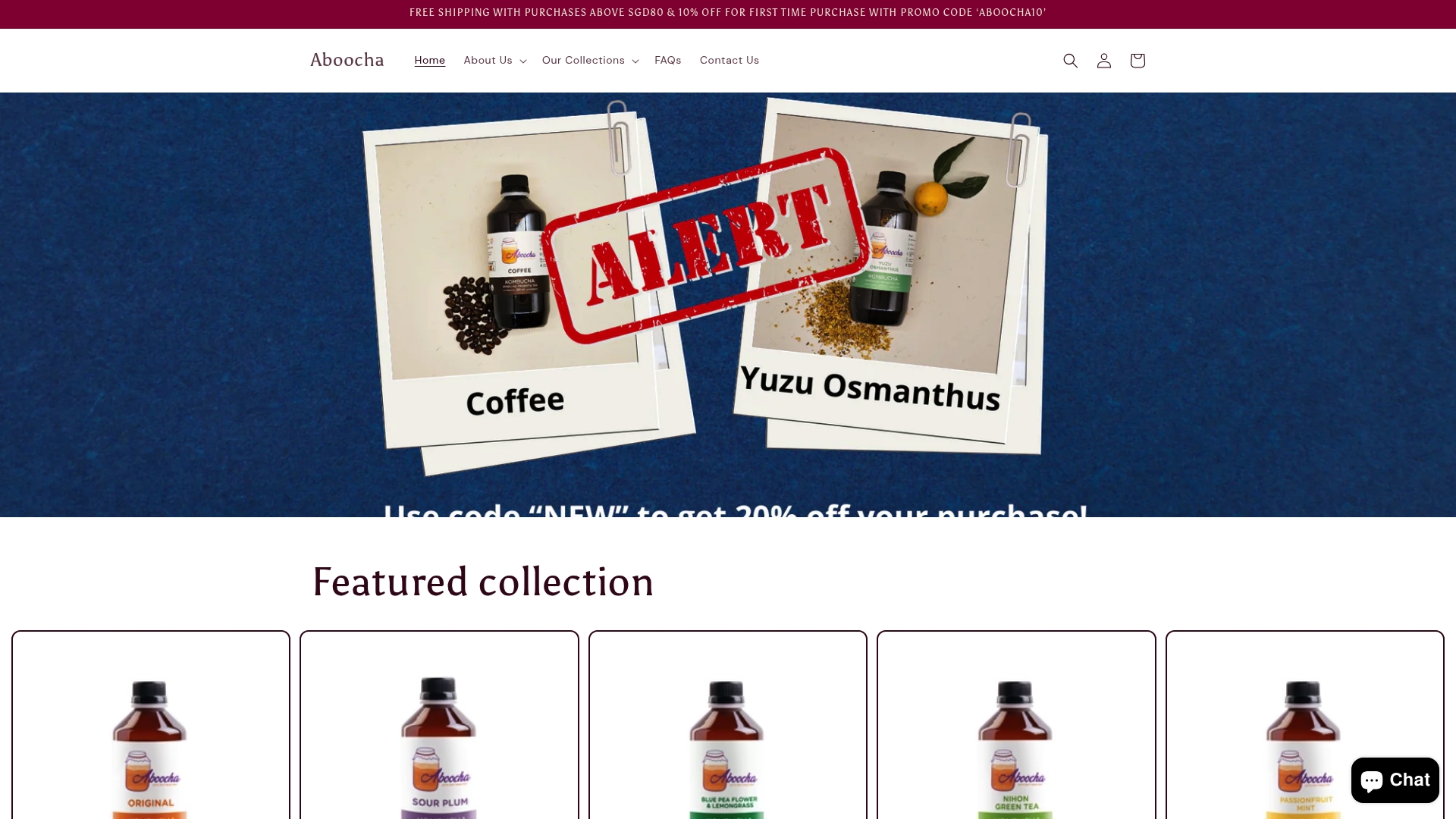
Starting with a quality ready-to-drink product gives you a flavor benchmark for your own batches. Aboocha’s Original Kombucha is a clean, probiotic-rich option that shows exactly what a properly fermented, low-sugar kombucha tastes like. It is a practical first step before you invest in a SCOBY and a gallon jar.
FAQ
What is the easiest fermented drink to make at home?
Tepache is the easiest fermented drink for beginners because it uses wild yeast from pineapple rinds and requires no purchased starter culture. It ferments in 2–3 days with minimal equipment.
How do i know if my fermented drink has gone bad?
Visible mold, an off-putting smell, or no signs of fermentation activity after several days all indicate a failed batch. Discard any batch showing mold and sanitize all equipment before starting again.
Does kombucha contain alcohol?
Standard kombucha contains under 0.5% ABV, which classifies it as non-alcoholic. Extended fermentation can raise alcohol levels, so home brewers should monitor fermentation time carefully.
Is kefir better for gut health than kombucha?
Kefir has stronger clinical evidence for gut health benefits due to its diverse microbial ecosystem of over 30 species. Kombucha offers probiotic benefits too, but the research base is less established.
Can i make fermented drinks without dairy?
Water kefir, kombucha, tepache, kvass, and ginger bug are all naturally dairy-free. Water kefir is the closest dairy-free equivalent to milk kefir in terms of probiotic diversity.