
Fermented drinks are probiotic-rich beverages produced through microbial activity that converts sugars into organic acids, carbon dioxide, and beneficial compounds. These drinks suit tropical diets with particular precision because the same heat and humidity that accelerates fermentation also creates the digestive and hydration demands that fermented beverages address. Toddy, kombucha, kefir, and regional variants like Caribbean mauby all deliver live cultures, organic acids, and prebiotic fibers that work in concert with the high-fiber, fruit-forward eating patterns common across tropical regions. Understanding how fermented drinks suit tropical diet patterns means recognizing both the biochemistry and the centuries of traditional practice behind them.
How fermented drinks suit tropical diet biochemistry
The nutritional case for fermented drinks in tropical diets starts at the cellular level. Fermentation of palm sap reduces phytic acid by 45%, which directly improves iron bioavailability. This matters enormously in tropical populations where iron deficiency anemia remains prevalent and plant-based diets are the norm.
Beyond mineral absorption, fermentation generates short-chain fatty acids (SCFAs) like acetate and propionate. These SCFAs stimulate satiety hormones PYY and GLP-1, which regulate appetite and support metabolic health. For anyone eating large, carbohydrate-heavy tropical meals, that appetite regulation is a practical daily benefit.
Tropical fermented drinks also function as synbiotic foods, meaning they deliver both live probiotic organisms and the prebiotic fibers those organisms need to thrive. This dual action produces a more durable gut microbiome effect than probiotic supplements alone. The fiber-rich pulp of fermented coconut water or tamarind-based drinks feeds the very bacteria being introduced.
“Tropical fermented drinks are increasingly recognized as synbiotic, combining probiotics and their supporting prebiotic fibers for enhanced gut and systemic health.” — Fermented Foods and Synbiotics
The microbial communities driving these benefits are also unusually stable. Indigenous lactic acid bacteria and yeasts form resilient consortia adapted to tropical temperatures, requiring no refrigeration or external energy input to remain active. This is not a coincidence. These microbes evolved alongside tropical food systems and are optimized for exactly the conditions in which they are consumed.
Tropical fermentation also functions as a form of biofortification. The process increases synthesis of B-vitamins and essential amino acids in local crops, turning a preservation technique into a nutritional upgrade. A fermented cassava drink is not just safer than raw cassava. It is measurably more nutritious.
Why hot climates make fermented beverages ideal
Tropical heat does something counterintuitive to fermented drinks: it makes them work faster and, when timed correctly, better. Fermentation kinetics accelerate significantly above 30°C (86°F), which means a batch of toddy or a homemade pineapple tepache reaches peak probiotic density in hours rather than days. The practical implication is that freshness and timing matter far more in tropical contexts than in temperate ones.

The best fermented drinks for heat are those that balance live cultures with low residual sugar. Commercial sodas and fruit juices spike blood glucose and contribute to dehydration through osmotic load. Fermented beverages, by contrast, provide electrolytes, organic acids, and hydration without the glucose surge. Organic acids produced during fermentation lower postprandial glucose spikes, with 200 ml of toddy reducing glucose response by 12% compared to sugar-matched controls. That is a meaningful metabolic advantage at every meal.
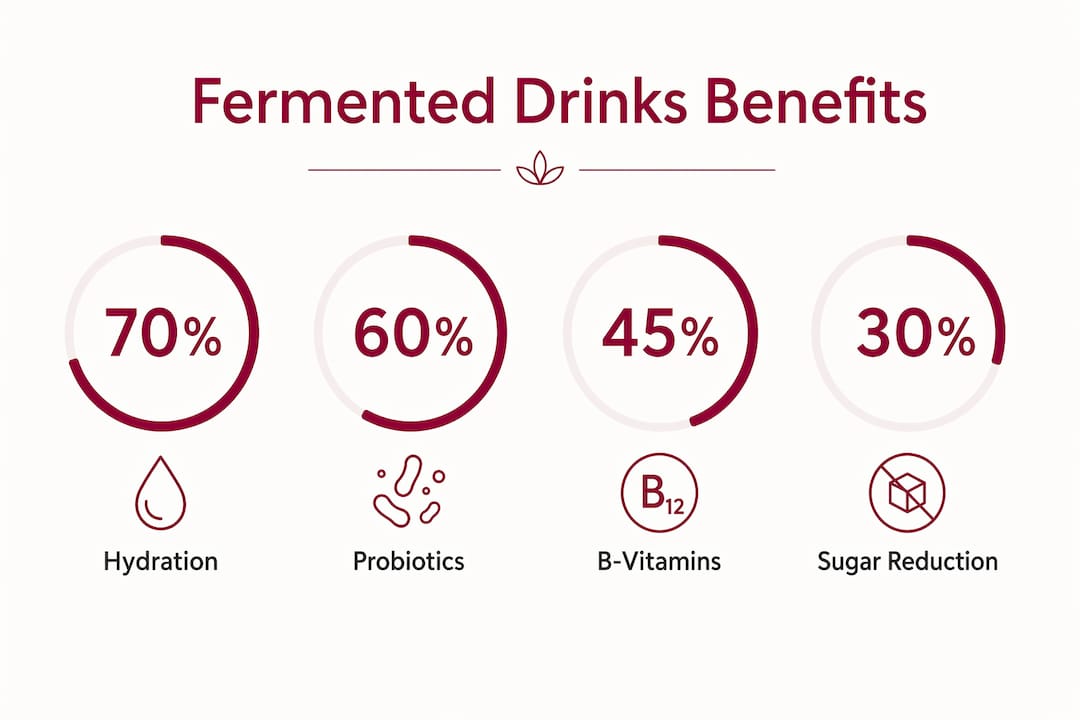
Fermented beverages also offer what nutritionists call a “palate reset.” The sour, bitter, and complex flavor profiles of drinks like mauby or water kefir naturally reduce cravings for sweet beverages. This is not a minor sensory detail. In tropical regions where sugary drink consumption drives metabolic disease, a culturally familiar, flavorful alternative is a genuine public health tool.
Here is how to time and use fermented drinks for maximum benefit in a hot climate:
- Drink toddy or fresh-fermented palm beverages before noon, when probiotic populations are highest and alcohol content is still minimal.
- Consume kombucha or water kefir 20 to 30 minutes before a large meal to prime digestive enzyme activity.
- Use fermented coconut water as a post-exercise rehydration drink rather than commercial sports beverages.
- Pair mauby or tamarind-based ferments with spicy dishes to buffer gastric irritation and support digestion.
Pro Tip: Refrigerate your kombucha or kefir only after opening. Keeping it at a stable cool temperature (not frozen) preserves live cultures far better than repeated temperature cycling between fridge and counter.
What are the best fermented drinks to pair with tropical meals?
Pairing fermented beverages with tropical meals is both a culinary and a nutritional decision. The right pairing improves digestion, moderates glycemic response, and adds flavor complexity that complements rather than competes with the food. Here is a direct comparison of the most relevant options:
| Fermented drink | Flavor profile | Best paired with | Key benefit |
|---|---|---|---|
| Toddy (palm wine) | Sweet, slightly sour, effervescent | Rice dishes, grilled fish | Iron absorption, glycemic control |
| Kombucha | Tart, fruity, lightly fizzy | Curries, stir-fries, tropical salads | Gut microbiome support, low sugar |
| Water kefir | Mild, lightly sweet, probiotic-dense | Fruit bowls, grain dishes | Hydration, lactose-free probiotic source |
| Mauby | Bitter, spiced, complex | Jerk chicken, fried plantains | Palate reset, anti-inflammatory compounds |
| Tepache | Tangy, pineapple-forward | Tacos, ceviche, seafood | Digestive enzymes, vitamin C |
When choosing between homemade and commercial options, quality control is the deciding factor. Homemade ferments carry higher probiotic diversity but also higher variability in safety and alcohol content. Commercial options like Aboocha kombucha offer consistent live culture counts and controlled sugar levels, which matters when you are using these drinks therapeutically rather than recreationally.
Sugar content deserves direct attention. Many commercial kombucha brands contain 8 to 12 grams of sugar per 100 ml, which partially offsets the metabolic benefits. Aboocha’s approach of low-sugar fermented beverages preserves the probiotic and organic acid benefits without the glucose load that undermines glycemic control in tropical diets.
Pro Tip: When pairing fermented drinks with tropical meals, serve them at room temperature rather than ice-cold. Extreme cold suppresses the activity of live cultures and dulls the complex sour-bitter notes that make these drinks effective palate cleansers.
What does the clinical evidence say about fermented drinks and gut health?
The science behind fermented beverages for hot climates and tropical diets has moved well beyond traditional knowledge. Clinical studies now confirm what coastal South Indian, West African, and Caribbean communities have practiced for centuries.
A study of 40 IBS-C patients who consumed fermented beverages for 10 days showed measurable increases in bowel movements and significant symptom reduction. This is particularly relevant in tropical regions where gut dysbiosis from heat, travel, and dietary transitions is common. The probiotic load in these drinks directly modulates the gut microbiome toward a more anti-inflammatory state.
The metabolic evidence is equally strong. Kombucha and kefir probiotics support digestion, reduce inflammation, and show potential benefits for obesity and metabolic conditions. These are not minor secondary effects. They represent the core mechanism by which fermented drinks function as dietary medicine in tropical contexts.
Key clinical findings worth knowing:
- Probiotic-rich fermented drinks lower LDL cholesterol and moderate blood pressure in regular consumers.
- Indigenous tropical ferments produce microbiota shifts within 72 hours of consistent consumption.
- The importance of probiotics in tropical diet contexts is amplified by high ambient temperatures that accelerate gut bacterial turnover.
- Fermentation-derived organic acids improve the gut barrier function, reducing systemic inflammation markers.
One important caveat: traditional fermentation carries variability. Alcohol content in toddy can rise from near-zero to 4% within a single afternoon in tropical heat. Contamination risk in uncontrolled home fermentation is real. The clinical benefits documented in studies apply to properly fermented, quality-controlled beverages. This is where understanding the role of kombucha acids in your body helps you make smarter choices about sourcing.
How to integrate fermented drinks safely into a tropical lifestyle
Getting the benefits of fermented beverages requires more than simply drinking them. Timing, quantity, and preparation method all determine whether you get a probiotic-rich tonic or a mildly alcoholic, bacteria-depleted liquid.
The single most overlooked practical detail in tropical fermentation is salt selection. Iodized salt inhibits lactic acid bacteria growth, which means using standard table salt in a homemade ferment can kill the very microbes you are trying to cultivate. Non-iodized sea salt or rock salt is the correct choice for any tropical fermented beverage.
Practical integration guidelines:
- Start with 100 to 150 ml per day and increase gradually over two weeks to allow your gut microbiome to adjust.
- Consume traditional ferments like toddy before noon, when probiotic populations peak and alcohol content remains low.
- Store opened commercial kombucha below 10°C (50°F) and consume within 3 days of opening.
- Avoid boiling or heating fermented drinks, as temperatures above 60°C (140°F) destroy live cultures.
- Individuals with compromised immune systems, pregnant women, and those with histamine intolerance should consult a healthcare provider before regular consumption.
Pro Tip: If you are new to fermented drinks in a tropical climate, begin with water kefir or a low-sugar kombucha rather than toddy or high-alcohol ferments. The gentler probiotic introduction reduces the risk of temporary bloating while your microbiome adapts.
Key takeaways
Fermented drinks suit tropical diets because they address the exact nutritional gaps and metabolic challenges that tropical climates create, from iron absorption to glycemic control to gut microbiome stability.
| Point | Details |
|---|---|
| Synbiotic dual action | Tropical ferments deliver both probiotics and prebiotic fibers, producing stronger gut benefits than supplements alone. |
| Glycemic advantage | Organic acids in fermented drinks lower postprandial glucose spikes, supporting metabolic health at every meal. |
| Timing is critical | Consume traditional ferments like toddy before noon in tropical climates to capture peak probiotic benefit. |
| Salt selection matters | Use non-iodized sea salt in homemade ferments to preserve lactic acid bacteria viability. |
| Low-sugar options win | High-sugar commercial ferments partially offset metabolic benefits; prioritize low-sugar options like Aboocha kombucha. |
Why I think we underestimate tropical fermentation traditions
I have spent years reading nutrition research, and the pattern that keeps emerging is this: the most sophisticated probiotic systems on the planet are not in supplement capsules. They are in centuries-old drinks that coastal and tropical communities developed out of practical necessity.
Toddy from coastal South India, mauby from the Caribbean, and pineapple tepache from Mexico are not folk remedies waiting for scientific validation. They are synbiotic systems that modern nutritional science is only now catching up to. The tropical fruit beverage trend in Western wellness markets is, in many ways, a rediscovery of what these cultures never abandoned.
What concerns me is the commercialization risk. When traditional fermented drinks get reformulated for mass markets, the first casualties are usually the live cultures and the complex flavor profiles that made them effective. A pasteurized, shelf-stable “kombucha” with added sugar is not the same product as a fresh-fermented, low-sugar beverage with active microbial communities. Readers deserve to know that distinction before spending money on anything labeled probiotic.
The most sustainable path is to learn the principles, respect the traditional methods, and choose commercial options that genuinely honor the fermentation process rather than simulate it.
— Luna
Try Aboocha’s Original Kombucha for your tropical diet
If you want the probiotic and organic acid benefits of fermented drinks without the variability of home fermentation, Aboocha’s Original Kombucha 250ml is a direct answer.
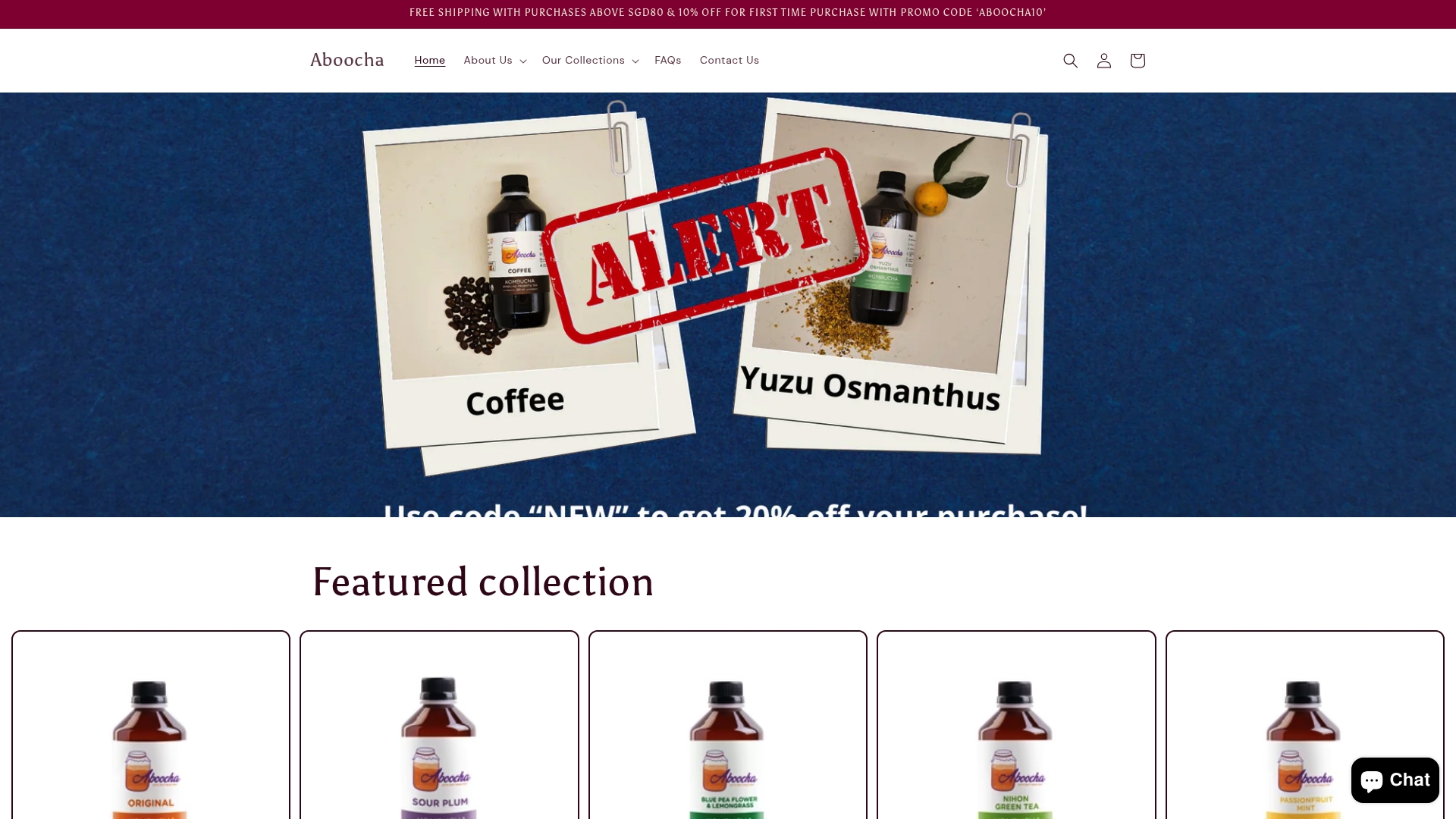
Aboocha formulates its kombucha with lower sugar content than most commercial brands, which means you get the live cultures and gut-supporting acids without the glucose spike that undermines tropical diet goals. The 250ml format is ideal for daily consumption at the quantities recommended for microbiome support. Whether you are pairing it with a curry, a rice bowl, or a tropical fruit plate, it delivers consistent probiotic quality in every bottle. Explore the Original Kombucha 250ml and see why health-conscious consumers across Southeast Asia are making it a daily ritual.
FAQ
What makes fermented drinks suitable for tropical diets?
Fermented drinks provide probiotics, organic acids, and prebiotic fibers that address the digestive, hydration, and metabolic demands of tropical eating patterns. Their synbiotic nature and heat-adapted microbial communities make them particularly effective in hot climates.
Can fermented drinks replace sugary beverages in hot climates?
Fermented beverages for hot climates offer a direct alternative to sugary drinks by providing hydration, electrolytes, and complex flavors without the glucose load. Low-sugar options like kombucha and water kefir are the most effective substitutes.
How often should you drink fermented beverages in a tropical diet?
Start with 100 to 150 ml daily and build toward 200 to 300 ml per day over two weeks. Consistent daily consumption produces measurable microbiome changes within 72 hours, according to clinical research on probiotic-rich beverages.
What are the best tropical fruits to use in fermented drinks?
Pineapple, mango, tamarind, and coconut water are the most effective tropical fruits in fermented drinks because their natural sugar content and enzyme profiles support active fermentation and add nutritional complexity.
Is kombucha a good fermented drink for tropical diets?
Kombucha is one of the best fermented drinks for tropical diets because it delivers organic acids, live cultures, and low sugar in a stable, portable format. Aboocha’s kombucha is specifically formulated to maintain these benefits with controlled sugar levels.