
Yes, what you eat directly reshapes your gut microbiome, often within days. University of Bern researchers confirm that diet, especially early in life, deeply influences long-term gut immunity, and that consistently adding diverse fiber-rich and fermented foods can retrain a dysbiotic microbiome. Agroscope’s Swiss population studies reinforce this: microbe-rich diets are associated with lower diastolic blood pressure and better blood sugar control. Read on for the mechanisms, the foods that help or harm, a realistic timeline, and a 7-day Swiss-friendly plan.
Key stat: In the Swiss National Nutrition Survey (menuCH), fermented foods accounted for 27% of daily energy intake among Swiss adults, yet most of that came from coffee, bread, and alcohol rather than therapeutic fermented dairy or vegetables.
Table of Contents
- How diet changes your gut microbiome — the mechanisms that matter
- Foods that support healthy gut flora — with Swiss examples
- Foods and habits that can damage gut flora
- How quickly does diet change your gut flora?
- A Swiss-friendly 7-day sample plan
- When to be cautious and when to see a professional
- What Swiss researchers and agencies say
- Key Takeaways
- A note on evidence and practical choices
- Aboocha — low-sugar kombucha designed for daily gut support
- Useful Swiss sources and further reading
- FAQ
How diet changes your gut microbiome — the mechanisms that matter
Fiber feeds bacteria that produce short-chain fatty acids (SCFAs). When you eat fiber-rich foods, colonic bacteria ferment them into SCFAs: butyrate, propionate, and acetate. Butyrate is the primary fuel for colon epithelial cells and plays a direct role in immune regulation and gut barrier integrity. Fiber-rich diets increase SCFA production, which in turn supports metabolic health and reduces systemic inflammation.
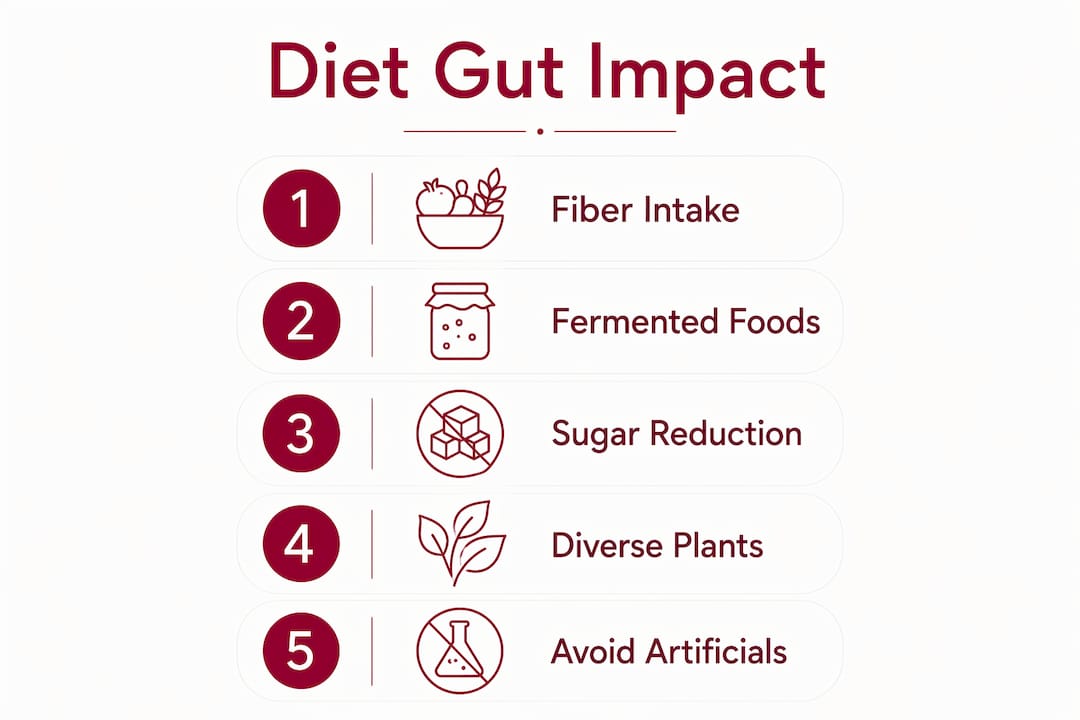
Fermented foods do more than deliver live bacteria. Agroscope’s FerFood.CH research shows that health benefits stem not only from live microbes but from bioactive metabolites created during fermentation. Even when live cultures don’t permanently colonize your gut, their metabolites can compensate for gaps in a dysbiotic microbiome. Targeted strain selection can meaningfully shift that metabolite profile. For a deeper look at how these fermentation metabolites support digestion, the science is worth understanding.
The gut-brain axis runs through your plate. SRF reporting on Swiss microbiome research describes how microbial metabolites like SCFAs and neurotransmitter precursors may influence the brain via the vagus nerve and immune signaling. Effects are individualized and the field is still developing, but the connection is real enough that diet is now being studied as a therapeutic lever for mental health.
Core mechanisms at a glance:
- Bacterial fermentation of dietary fiber produces SCFAs (butyrate, propionate, acetate)
- Fermented foods introduce live microbes that transiently modulate gut composition
- Bioactive fermentation metabolites act independently of live cell survival
- Polyphenols improve gut barrier function and modulate immune peptide secretion
- Omega-3 fatty acids promote anti-inflammatory bacteria and support the gut-brain axis
Foods that support healthy gut flora — with Swiss examples
The single most effective pattern: eat more plant variety, include fermented foods regularly, and cut added sugar. No single superfood does the job alone.
Prioritized foods and patterns:
- Diverse fibers: Whole grains (Zürcher Vollkornbrot, oats, spelt), legumes (lentils, chickpeas), and root vegetables feed the widest range of beneficial bacteria
- Prebiotic foods: Onions, garlic, leeks, and Jerusalem artichokes contain inulin and fructooligosaccharides that selectively feed Bifidobacteria
- Polyphenol-rich foods: Swiss forest berries, dark cherries, green tea, and extra-virgin olive oil improve microbial diversity and gut barrier function
- Fermented dairy: Plain kefir and natural yogurt (look for “lebende Kulturen” on Swiss labels) deliver live Lactobacillus and Bifidobacterium strains
- Fermented vegetables: Sauerkraut and pickled vegetables (unpasteurized, refrigerated) provide live cultures and beneficial organic acids
- Low-sugar kombucha: A practical daily option, provided sugar content is low. Not all commercial fermented drinks are equal — high-sugar versions can negate the benefit
Pro Tip: When choosing kombucha or kefir at a Swiss supermarket or online, check the nutrition label: aim for under 5g of sugar per 100ml. Products with added fruit juice or sweeteners often exceed this. Aboocha’s lower-sugar kombucha is formulated with this threshold in mind, making it a practical daily choice without the sugar load of mainstream brands.
Taste diversity also matters beyond gut health. Exploring diverse plant foods and fermented specialties from different culinary traditions is one of the most sustainable ways to increase your weekly plant variety.

Foods and habits that can damage gut flora
Ultra-processed foods are the biggest single threat to microbial diversity. A Western diet high in refined sugar, saturated fat, and food additives progressively reduces the abundance and variety of beneficial species.
The main offenders:
- Ultra-processed foods: Ready meals, packaged snacks, and fast food reduce microbial diversity and promote dysbiosis
- Artificial sweeteners: Studies show they alter gut microbiome composition and can trigger glucose intolerance via microbiome-mediated mechanisms
- Emulsifiers: Common in ice cream, dressings, and processed cheese, they thin the gut mucus layer and allow bacteria to migrate closer to the epithelium, potentially triggering inflammation
- High-sugar beverages: Including commercial “fermented” drinks with added juice or sweeteners
- Chronic heavy alcohol: Disrupts microbial balance and increases intestinal permeability
- Excess dietary salt: Animal and human studies link high salt intake to reduced Lactobacillus levels and lower butyrate production
Watch out: A product labeled “fermented” or “probiotic” is not automatically beneficial. Consumer guidance from CSS warns that added sugars or alcohol in commercial products can negate any gut benefit entirely.
The FSVO recommends focusing on overall dietary patterns rather than relying on isolated probiotic supplements to fix a disrupted microbiome.
How quickly does diet change your gut flora?
Some shifts happen faster than most people expect. Others take months of consistency.
- Days 1–3: Stool frequency and consistency often change as fiber intake increases. Gas and bloating may temporarily rise as bacteria adapt to new substrates.
- Week 1–2: Measurable shifts in microbial composition begin. Studies show detectable changes in the relative abundance of key species within one to two weeks of sustained dietary change.
- Weeks 3–8: Functional improvements become more apparent: reduced bloating, more regular digestion, and early metabolic signals (blood sugar stability, energy).
- Months 3+: Durable changes in microbial diversity require sustained dietary habits. Prior dysbiosis, antibiotic history, and individual genetics all affect the speed and magnitude of change.
Track progress simply: stool consistency (Bristol Stool Scale), gas frequency, energy levels, and, if clinically supervised, HbA1c or inflammatory markers.
A Swiss-friendly 7-day sample plan
Daily habits checklist:
- Eat 30+ different plant varieties per week (count every herb, spice, and vegetable)
- Include a fermented food 3–5 times per week
- Limit ultra-processed foods to fewer than 10% of daily intake
- Drink 1.5–2 liters of water daily
- Keep alcohol moderate (Swiss guidelines: max 1–2 standard drinks/day with alcohol-free days)
7-day sample plan:
- Monday: Oat porridge with Swiss berries / lentil soup with whole-grain bread / grilled vegetables with quinoa + plain kefir
- Tuesday: Rye bread with avocado and egg / chickpea salad with olive oil / baked salmon with seasonal vegetables + sauerkraut
- Wednesday: Natural yogurt with walnuts and honey / spelt pasta with tomato and lentil sauce / vegetable stir-fry with tofu + low-sugar kombucha
- Thursday: Muesli with kefir / lentil and root vegetable soup / whole-grain risotto with mushrooms + sauerkraut
- Friday: Smoothie with spinach, banana, and flaxseed / hummus with raw vegetables and whole-grain crackers / trout with roasted root vegetables + low-sugar kombucha
- Saturday: Buckwheat pancakes with berries / bean and vegetable stew / grilled chicken with a large mixed salad + plain kefir
- Sunday: Scrambled eggs with herbs on rye bread / lentil and spinach curry / slow-cooked vegetable soup with legumes + low-sugar kombucha
Shopping list (grouped):
- Produce: onions, garlic, leeks, seasonal Swiss berries, spinach, carrots, beets, mushrooms
- Whole grains: oats, spelt, rye bread, quinoa, buckwheat
- Legumes: lentils, chickpeas, white beans
- Fermented items: plain kefir, natural yogurt (lebende Kulturen), unpasteurized sauerkraut, low-sugar kombucha
- Pantry: extra-virgin olive oil, flaxseed, walnuts, green tea
Pro Tip: Batch-cook legumes on Sunday and refrigerate. Cooled cooked legumes develop resistant starch, which acts as a prebiotic substrate and feeds beneficial bacteria more effectively than freshly cooked portions.
When to be cautious and when to see a professional
Most people tolerate these dietary changes well. A few situations require medical guidance first.
Red flags — consult a clinician before making major changes:
- Active IBD or severe IBS flare (increased fiber can worsen symptoms acutely)
- Immunosuppression (live fermented cultures carry a small infection risk)
- Recent major abdominal surgery
- Pregnancy with complications (raw-fermented products carry Listeria risk)
- Severe food allergies involving fermented substrates (dairy, soy, wheat)
Questions to ask your doctor or dietitian:
- Is my current gut condition stable enough to increase fiber significantly?
- Should I avoid raw-fermented products given my health status?
- Are there interactions between my medications and fermented foods or probiotics?
If you are taking antibiotics, space fermented foods and any probiotic supplements at least two hours apart. For persistent digestive symptoms, a gastroenterologist or registered dietitian can arrange targeted microbiome testing. Probiotics and gut health evidence is still evolving, and professional guidance matters for complex cases.
What Swiss researchers and agencies say
Swiss institutions have produced some of the most practically useful microbiome research available.
- University of Bern confirms that diet is a key modifiable factor for long-term gut immunity, and that diverse fiber and fermented foods can retrain a dysbiotic microbiome over time.
- Agroscope FerFood.CH found that 24 bacterial strains from the Liebefeld culture collection already cover 89% of the enzymatic reactions of an average gut microbiome, supporting the hypothesis that fermented foods can compensate for metabolic deficits in dysbiosis.
- Agroscope population data (menuCH / SKSC): Higher intake of microbe-rich foods was associated with lower diastolic blood pressure; higher microbial species richness correlated with lower systolic blood pressure and lower HbA1c.
- FSVO Signal Report: Food additives including artificial sweeteners and emulsifiers can disrupt the microbiome and contribute to gut inflammation and altered glucose metabolism. The FSVO recommends dietary pattern changes over isolated supplement fixes.
- PIMENTO / Agroscope roadmap: Large European initiatives are working toward standardized assessment tools (3FQ) for fermented food intake, recognizing that policy-level health claims require more systematic evaluation before formal dietary guidelines can be updated.
“Fermented foods can be used to compensate for metabolic deficits of a dysbiotic gut flora — targeted strain selection can increase beneficial metabolite production.” — Agroscope FerFood.CH research program summary
The practical takeaway for Swiss readers: prioritize fermented foods with documented live cultures and bioactive metabolites, choose low-sugar options, and build the dietary pattern around fiber diversity rather than any single product.
Key Takeaways
Diet is the single most modifiable factor shaping your gut microbiome, and consistent changes in fiber diversity and fermented food intake produce measurable shifts within one to two weeks.
| Point | Details |
|---|---|
| Diet reshapes gut flora fast | Measurable microbial shifts appear within one to two weeks of sustained dietary change. |
| Fiber diversity is the foundation | Eating 30+ plant varieties per week feeds the widest range of beneficial bacteria and drives SCFA production. |
| Fermented food quality matters | Choose low-sugar, live-culture options (under 5g sugar per 100ml); high-sugar products can negate gut benefits. |
| Additives cause real harm | FSVO confirms artificial sweeteners and emulsifiers disrupt the microbiome and may promote inflammation. |
| Aboocha for daily fermented intake | Aboocha’s lower-sugar kombucha (flavors include Sour Plum and Yuzu Osmanthus) offers a practical daily fermented drink that fits the low-sugar threshold the evidence supports. |
A note on evidence and practical choices
The microbiome research coming out of Switzerland, particularly from Agroscope and the University of Bern, is more nuanced than most popular coverage suggests. The headline finding is not “eat yogurt and fix your gut.” It is that the entire dietary pattern matters, that metabolites from fermentation often matter more than live cell counts, and that individual responses vary enough to make blanket prescriptions unreliable.
What strikes me most about the Agroscope FerFood.CH data is the metabolite angle. Most people focus on whether a product contains live bacteria. The more interesting question is what those bacteria produce during fermentation and whether those compounds survive processing, digestion, and transit. That is why strain selection and low-sugar formulation are not marketing details; they are the actual mechanism.
The gut-brain axis research from SRF and Basel investigators adds another layer. Dietary changes that improve microbial diversity may have downstream effects on mood and cognition, but the effects are individualized and the field is not yet at the point of clinical prescription. Treat that as a reason to take diet seriously, not as a reason to expect a specific mental health outcome from switching to kefir.
Aboocha — low-sugar kombucha designed for daily gut support
Fermented foods work best when they are part of a consistent daily habit, not an occasional addition. Aboocha makes that habit easier: ready-to-drink kombucha with lower sugar content and flavor profiles that are genuinely worth reaching for.
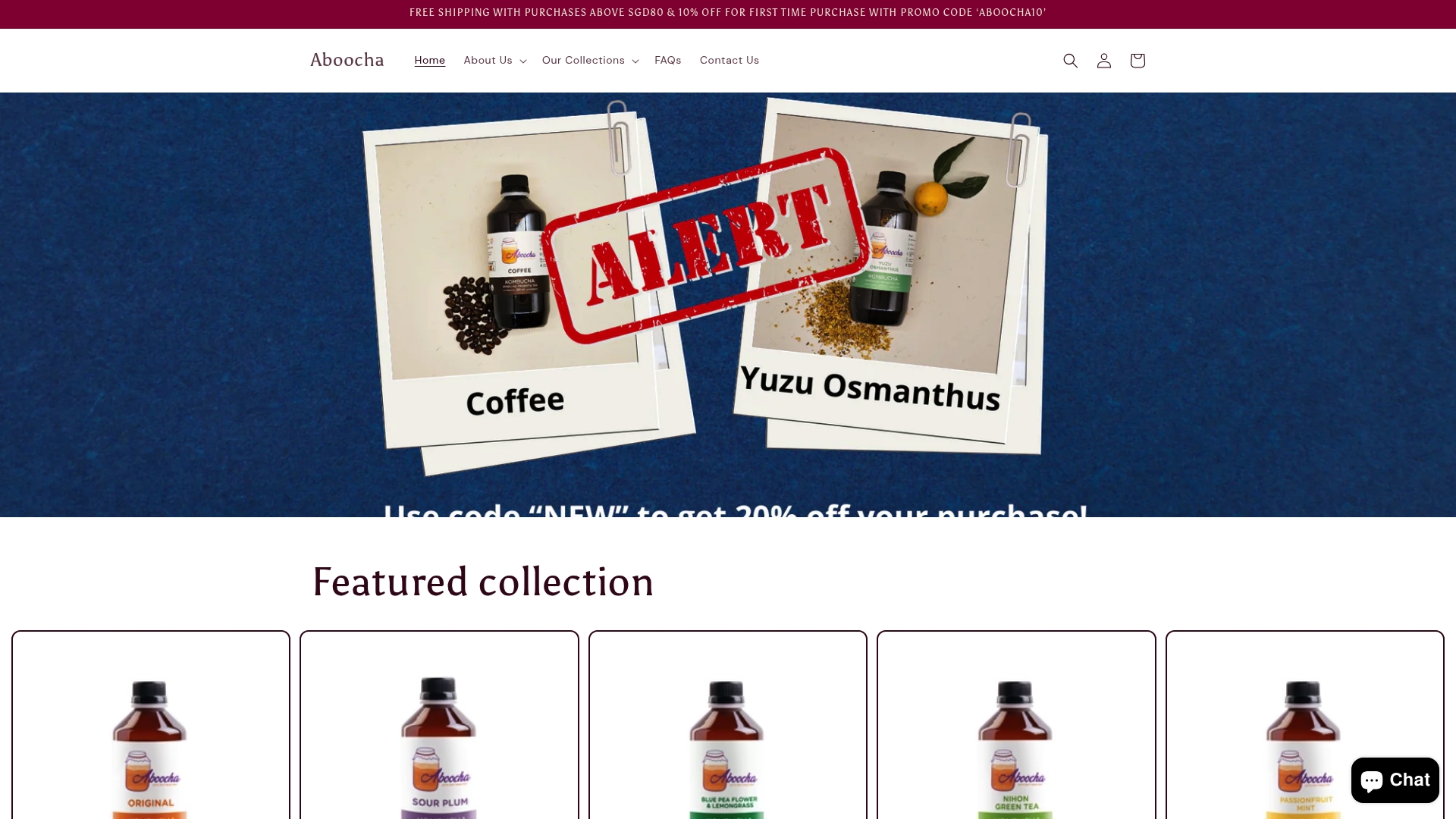
Unlike most supermarket kombucha, Aboocha is formulated to stay below the sugar threshold that the evidence supports for gut health benefit. Flavors like Sour Plum and Yuzu Osmanthus make it easy to stay consistent without the sugar load of conventional brands.
- Ready-to-drink, no preparation required
- Lower sugar content, consistent with FSVO and CSS guidance on fermented drink quality
- Diverse flavor profiles (Sour Plum, Yuzu Osmanthus, and more) to support daily variety
- Available as individual bottles, flavor sets, or a recurring subscription for regular intake
For anyone building the dietary habits this article describes, a daily low-sugar fermented drink is one of the simplest additions you can make. Explore Aboocha’s kombucha range and find the subscription option that fits your routine.
Useful Swiss sources and further reading
- Swiss National Nutrition Survey menuCH — live microorganism and fermented food intake study: First population-level estimate of fermented food and live microorganism intake in Switzerland.
- Agroscope FerFood.CH program summary (Rosenfluh): Covers bioactive metabolites, strain selection, and the Swiss research roadmap for fermented foods.
- University of Bern microbiome fact check: Evidence-based overview of what diet does and does not do for the microbiome.
- FSVO Signal Report on gut microbiome and food additives: Official Swiss guidance on how additives affect the microbiome.
- SRF: Hype ums Mikrobiom: Consumer-facing explainer on what the microbiome research actually shows.
- SRF: Mental health and diet: Covers the gut-brain axis and ketogenic diet research from Basel.
- Rosenfluh: How diet influences the microbiome (macronutrients and additives): Clinical overview of how fats, proteins, carbohydrates, and additives each affect microbial composition.
- Aboocha blog: How to improve gut health naturally: Practical steps for integrating fiber and fermented foods into daily life.
This article is general health information, not medical advice. Confirm any significant dietary changes with your doctor or a registered dietitian, particularly if you have a diagnosed gastrointestinal condition.
FAQ
How fast does diet change gut flora?
Detectable shifts in microbial composition can appear within one to two weeks of consistent dietary change. Durable improvements in diversity typically require three or more months of sustained habits.
Which foods most effectively increase gut microbial diversity?
Diverse plant foods (30+ varieties per week), prebiotic vegetables like garlic and leeks, and low-sugar fermented foods like kefir, sauerkraut, and kombucha consistently show the strongest effects in research.
Do artificial sweeteners harm gut bacteria?
Yes. The FSVO Signal Report and multiple studies confirm that artificial sweeteners can alter gut microbiome composition and may trigger glucose intolerance through microbiome-mediated pathways.
Is low-sugar kombucha a good daily fermented drink option?
A kombucha with under 5g of sugar per 100ml delivers fermentation metabolites and live cultures without the sugar load that undermines gut health. Aboocha’s kombucha is formulated to meet this threshold.
When should I see a doctor before changing my diet for gut health?
Consult a clinician first if you have active IBD, are immunosuppressed, recently had abdominal surgery, are pregnant with complications, or have severe food allergies involving fermented substrates.