
Probiotics are defined as live microorganisms that, when consumed in adequate amounts, confer a measurable health benefit on the host. The role of probiotics in gut health extends well beyond basic digestion. Strains like Lactobacillus rhamnosus GG and Bifidobacterium species actively reshape the gut microbiome, crowd out harmful pathogens, and signal the immune system to respond more precisely. Whether you are dealing with digestive discomfort, recovering from antibiotics, or simply trying to support long-term wellness, understanding how these microorganisms work gives you a real advantage.
How do probiotics support digestion and gut microbiome balance?
The role of probiotics in gut health begins at the metabolic level. Probiotics produce short-chain fatty acids and vitamins by fermenting dietary substrates in the colon. Short-chain fatty acids like butyrate feed the cells lining your gut wall, keeping that barrier tight and functional.
Beyond metabolism, probiotics compete directly with harmful bacteria for physical space and available nutrients. This competition limits the ability of pathogens like Clostridium difficile to establish a foothold. The result is a more stable microbial community that resists disruption from diet changes, stress, or antibiotic use.
Probiotics also stimulate mucus production along the intestinal lining. A thicker mucus layer acts as a physical buffer between gut contents and your bloodstream. This reduces the risk of what researchers call “leaky gut,” where undigested particles cross into circulation and trigger systemic inflammation.
Here is what this means practically for your digestion:
- Nutrient absorption: Probiotics help break down complex carbohydrates and certain proteins your body cannot process alone, improving how much nutrition you extract from food.
- Regularity: Strains in the Bifidobacterium family are linked to faster gut transit time, which reduces constipation.
- Gas and bloating: Gradual introduction of probiotics allows your microbiome to adjust. Sudden high doses can temporarily increase gas production before balance is restored.
- Pathogen control: Probiotic supplementation reduces pathogen colonization with an odds ratio of 1.68, confirmed across strains in Lacticaseibacillus, Limosilactobacillus, and Bifidobacterium. That number reflects a statistically meaningful reduction in harmful bacterial presence.
Pro Tip: Pair your probiotic with a prebiotic food source like garlic, oats, or bananas. Prebiotics are the fiber-based fuel probiotics need to thrive, and combining them produces a synergistic effect that neither delivers alone.
What is the impact of probiotics on the immune system?
Roughly 70% of your immune system lives in and around your gut. Probiotics interact directly with immune cells in the intestinal lining, making gut bacteria a central player in your body’s defense network.

Probiotics modulate innate and adaptive immunity by enhancing secretory IgA, regulatory T cells, and cytokine profiles. Secretory IgA is your gut’s first-line antibody. Higher levels mean pathogens are neutralized before they can penetrate the intestinal wall. Regulatory T cells prevent the immune system from overreacting, which is relevant for conditions like inflammatory bowel disease and food sensitivities.
The practical immune benefits of consistent probiotic use include:
- Reduced gut inflammation: Probiotics lower pro-inflammatory cytokines, which calms chronic low-grade inflammation in the intestinal lining.
- Faster mucosal healing: After antibiotic treatment or illness, probiotics accelerate the restoration of mucosal integrity.
- Pathogen exclusion: By occupying receptor sites on the gut wall, probiotic strains physically block pathogens from attaching and colonizing.
- Systemic immune training: Signals from gut bacteria travel to immune organs like the spleen and lymph nodes, influencing how your whole body responds to threats.
This connection between gut bacteria and immunity explains why disruptions to the microbiome, such as those caused by antibiotics or a poor diet, often coincide with increased susceptibility to infection. Restoring microbial balance through targeted probiotic use is one of the most direct ways to support immune resilience.
Which probiotic strains work best for specific conditions?
Not all probiotics are interchangeable. No single probiotic strain covers all health effects, and benefits are condition-specific. Choosing the wrong strain for your situation is one of the most common reasons people report that probiotics “didn’t work.”
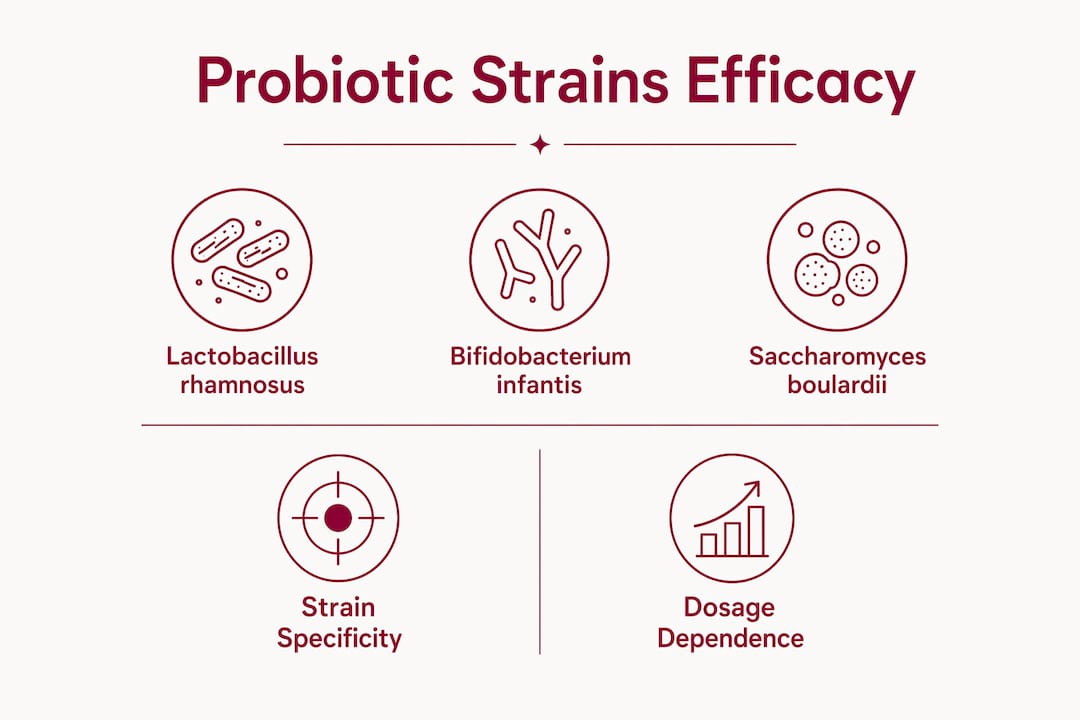
The table below summarizes the most clinically studied strains and their validated applications:
| Strain | Primary Use | Evidence Level |
|---|---|---|
| Lactobacillus rhamnosus GG | Antibiotic-associated diarrhea | Strong (multiple RCTs) |
| Bifidobacterium longum | IBS, constipation relief | Moderate |
| Lactobacillus acidophilus | Lactose digestion, vaginal health | Moderate |
| Saccharomyces boulardii | Traveler’s diarrhea, C. diff prevention | Strong |
| Bifidobacterium infantis | IBS symptom reduction | Moderate |
Lactobacillus rhamnosus GG is the most studied single strain in clinical literature. Early administration reduces antibiotic-associated diarrhea by 30–40%. That reduction is meaningful for anyone on a broad-spectrum antibiotic course. However, the same strain shows no clinically validated benefit for unrelated conditions like eczema or weight management.
Probiotic efficacy is strain-specific and dosage-dependent, and many product failures trace back to incorrect strain or dosage assumptions. Most clinical trials use doses between 1 billion and 100 billion CFUs (colony-forming units) per day, with the effective range varying by strain and condition.
Immunocompromised individuals, including those on chemotherapy or with HIV, should consult a physician before using any probiotic. Rare but serious adverse events have been documented in this population.
Pro Tip: When reading a probiotic label, look for the full strain name (genus, species, and strain designation) plus a CFU count guaranteed at the end of shelf life, not just at the time of manufacture. These two details separate clinically validated products from marketing-driven ones.
How do you choose and use probiotics effectively?
Selecting a probiotic that actually works requires more than picking the one with the highest CFU count on the shelf. Follow these steps to make a practical, evidence-based choice:
- Match the strain to your goal. Identify your primary concern, whether that is antibiotic recovery, IBS, or general digestive support, and look for a strain with clinical trial data for that specific condition.
- Check viability guarantees. Probiotic viability depends on delivery method and storage. Heat and improper storage destroy live organisms before they reach your gut. Choose products with refrigeration requirements or proven shelf-stable encapsulation technology.
- Start low and increase gradually. Gradual introduction reduces gastrointestinal side effects like gas and bloating. Begin with a lower dose for the first week, then increase to the full recommended amount.
- Add prebiotics to your diet. Probiotics work best when paired with prebiotics, which provide the nourishment probiotics need to stay active in your gut. Foods like chicory root, leeks, and asparagus are high in prebiotic fiber.
- Consider fermented food sources. Kombucha, kefir, yogurt, kimchi, and miso all deliver live cultures alongside other beneficial compounds. Explore probiotic-rich beverages as a complement to supplement use, not a replacement for clinically validated strains when treating a specific condition.
- Give it time. Most clinical studies measure outcomes over 4–12 weeks. Expecting results in three days sets you up for disappointment.
One underappreciated factor is that probiotic supplementation rarely alters gut microbiome diversity significantly in already healthy individuals. This means broad supplementation without a specific health goal may deliver limited returns. Targeted use, tied to a defined condition and a validated strain, produces the most consistent results.
Key takeaways
The most effective approach to probiotic use is matching a clinically validated strain and dose to a specific health condition, not taking a generic supplement and hoping for broad results.
| Point | Details |
|---|---|
| Strain specificity matters | Choose a strain with clinical trial evidence for your specific condition, not the highest CFU count. |
| Immune support is real | Probiotics enhance secretory IgA and regulatory T cells, directly strengthening gut-based immune defense. |
| Viability is fragile | Store probiotics correctly and check for end-of-shelf-life CFU guarantees to confirm live cultures survive. |
| Pair with prebiotics | Combining probiotics with prebiotic fiber produces stronger, more sustained gut health benefits. |
| Healthy people need targeted use | Broad supplementation shows limited microbiome impact in healthy individuals; targeted therapy works better. |
What i’ve learned after years of watching probiotic trends come and go
The probiotic market has exploded over the past decade, and most of what gets sold is backed by marketing, not science. I have watched consumers spend significant money on products with unverified strains, inadequate CFU counts, and no clinical data for the conditions they are trying to address.
The most important shift I have seen in serious research is the move toward precision-based approaches. Individual gut microbiome analysis is beginning to shape how clinicians recommend probiotics. Instead of prescribing a generic multi-strain capsule, practitioners can now identify which specific bacterial families are underrepresented in a patient’s microbiome and recommend accordingly. That is a fundamentally different and more effective model.
What frustrates me about mainstream probiotic advice is the assumption that more strains and higher CFU counts always mean better results. The data does not support that. A single well-studied strain at the right dose, taken consistently, outperforms a 20-strain blend with no clinical validation for your specific issue.
My honest recommendation: treat probiotics the way you would treat any other health intervention. Read the label carefully, look for the strain designation and not just the species name, and check whether the product has been tested in a human clinical trial for your condition. Fermented foods like kombucha are a genuinely useful daily habit for maintaining microbial diversity, but they are not a substitute for targeted supplementation when you have a defined gut health issue. You can learn more about how fermented drinks support gut health as part of a broader approach.
The future of this field is personalized. The consumers who will benefit most are those who stop treating probiotics as a generic wellness supplement and start treating them as a precision tool.
— Luna
Try aboocha’s probiotic kombucha for daily gut support
If you want a practical, enjoyable way to add live cultures to your daily routine, Aboocha’s kombucha delivers real probiotic benefit without the high sugar content found in most commercial options.
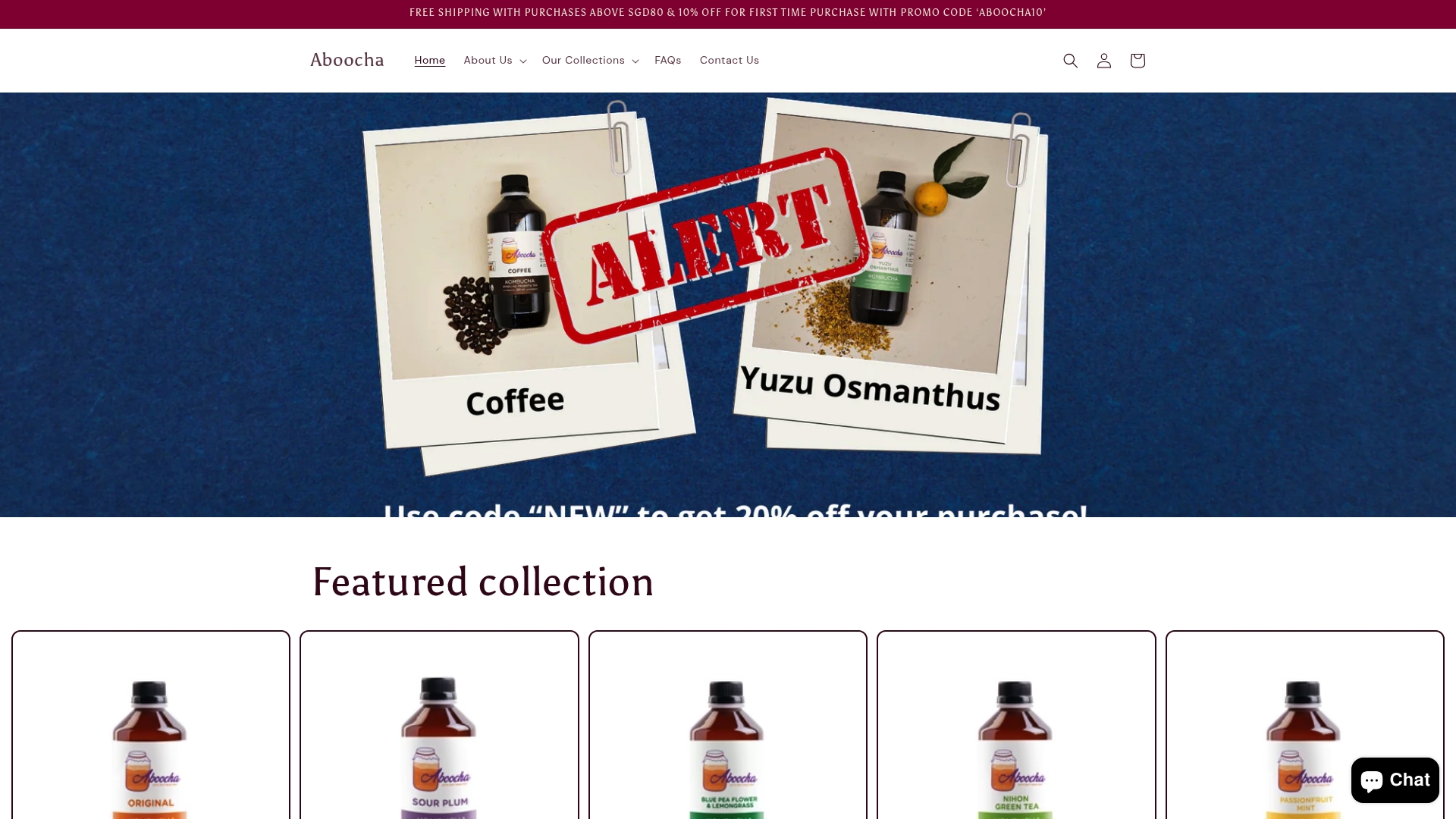
Aboocha crafts flavor-forward kombucha in varieties like Sour Plum and Yuzu Osmanthus, each fermented to preserve live cultures that support microbial diversity. The Original Kombucha 250ml is a clean, low-sugar starting point for anyone building a gut health routine. Aboocha also offers subscription plans so you can maintain consistency, which is the single most important factor in seeing real digestive results. For a deeper look at how kombucha compares to capsule supplements, check out kombucha vs. probiotic supplements to decide what fits your goals.
FAQ
What are probiotics and why do they matter for gut health?
Probiotics are live microorganisms that restore and maintain a healthy balance of bacteria in the gut. They improve digestion, support immune function, and reduce the risk of pathogen colonization when taken in adequate amounts.
Do probiotics help with IBS?
Strains like Bifidobacterium infantis and Lactobacillus rhamnosus GG show moderate to strong evidence for reducing IBS symptoms including bloating, irregular bowel movements, and abdominal discomfort. Results depend on the specific strain and consistent use over 4–12 weeks.
How long does it take for probiotics to work?
Most clinical studies measure meaningful outcomes over 4–12 weeks of consistent use. Short-term changes like reduced bloating may appear within one to two weeks, but structural microbiome improvements take longer.
Are probiotic supplements safe for everyone?
Mild side effects affect 3–5% of users, typically as temporary bloating or gas during the first week. Serious adverse events are rare and occur almost exclusively in immunocompromised individuals, who should consult a physician before starting any probiotic.
What are the best natural sources of probiotics?
Fermented foods including yogurt, kefir, kimchi, miso, sauerkraut, and kombucha all contain live bacterial cultures. These natural sources complement targeted supplementation and support daily microbial diversity.