
A balanced gut microbiome diet is defined as a sustained eating pattern that feeds beneficial bacteria with diverse dietary fibers, fermented foods, and plant-based nutrients. The gut microbiome, the community of trillions of microorganisms living in your digestive tract, directly influences digestion, immune function, and even mood. Getting this balance right is not about a single superfood or a two-week cleanse. It requires consistent, varied food choices that nourish the right bacteria over time. This guide breaks down exactly what to eat, how much, and what to avoid so you can build a genuinely gut-friendly diet that lasts.
What foods and nutrients balance your gut microbiome diet?
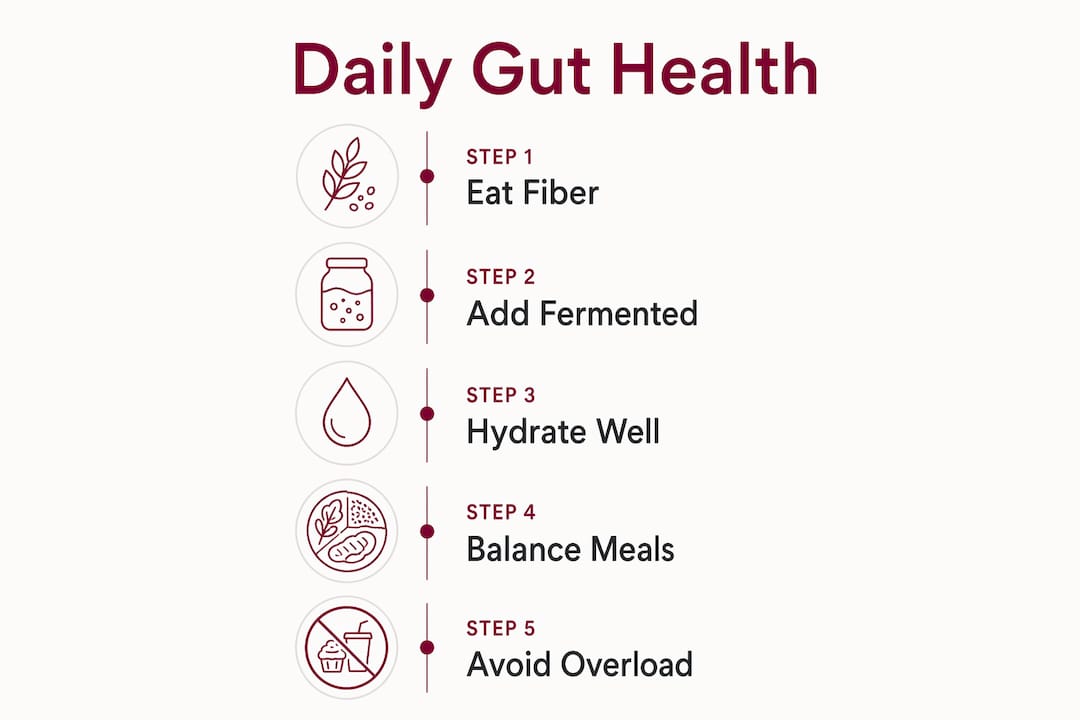
The foundation of any gut health diet is dietary fiber. Fiber acts as fuel for beneficial gut bacteria, and it comes in two forms: soluble fiber, which dissolves in water and feeds bacteria directly, and insoluble fiber, which adds bulk and keeps digestion moving. Both types matter. Whole grains, legumes, fruits, vegetables, nuts, and seeds each deliver different fiber structures, which feed different bacterial species. That variety is the point.
Fermented foods are the second pillar. Foods like sauerkraut, kefir, kimchi, and miso deliver live microbial cultures directly to your gut. A Stanford University study found that fermented food diets significantly increase bacterial diversity and reduce inflammation markers. More bacterial diversity means a more resilient microbiome.
Prebiotics are the third element most people overlook. Onions, garlic, and leeks contain specific fibers that selectively feed beneficial bacteria rather than harmful ones. Expert guidance emphasizes combining prebiotic plant sources with fermented foods daily for the strongest effect. Think of prebiotics as fertilizer and fermented foods as the seeds.
- Soluble fiber sources: oats, apples, lentils, black beans, flaxseed
- Insoluble fiber sources: whole wheat bread, brown rice, broccoli, carrots, leafy greens
- Fermented foods: sauerkraut, kefir, kimchi, miso, plain yogurt with live cultures
- Prebiotic vegetables: garlic, onions, leeks, asparagus, Jerusalem artichokes
- Foods to limit: processed meats, alcohol, and ultra-processed snacks, all of which disrupt microbial balance
Sustainable gut health comes from overall dietary patterns, not individual supplements or superfoods. No probiotic capsule replaces the consistent input of whole plant foods across the week.
Pro Tip: Add a tablespoon of flaxseed to your morning oats. It delivers both soluble and insoluble fiber in one move, and it takes five seconds.
How much fiber and fermented foods do you need daily?
Specific intake targets matter because vague advice does not change behavior. Swiss health authorities recommend a daily fiber target of 25–30 grams to support a healthy microbiome. Most people in Western diets consume roughly half that amount. Closing that gap is the single most impactful dietary shift you can make for gut health.
Here is a practical daily framework to hit those targets:
- Aim for 25–30 grams of fiber per day. One cup of cooked lentils delivers about 15 grams. One medium apple adds 4 grams. A bowl of oatmeal contributes another 4 grams. Stack these across meals and you reach the target without tracking every bite.
- Include at least one fermented food serving daily. A small scoop of sauerkraut, a cup of kefir, or a serving of plain live-culture yogurt all count. Rotate between them across the week to diversify the microbial input.
- Increase fiber gradually over two to four weeks. Sudden large fiber increases cause bloating and discomfort. Your gut bacteria need time to adjust to new substrates.
- Drink enough water. Fiber absorbs water as it moves through your digestive tract. Without adequate hydration, high fiber intake can cause constipation rather than relieve it. Aim for at least 6–8 glasses of water daily.
- Stay consistent for weeks, not days. Microbiome changes take time. A single high-fiber day does nothing. A sustained pattern over four to eight weeks produces measurable shifts in bacterial composition.
Pro Tip: If you are new to high-fiber eating, start by adding one extra serving of vegetables or legumes every three days. Your gut will adapt without protest.
How to structure daily meals for microbiome health
Meal structure matters as much as individual food choices. A microbiome-feeding breakfast sets the tone for the entire day. Experts point to a specific combination: oat bran with nuts, flaxseed, and fermented dairy as a reliable daily formula that delivers beta-glucan fiber, diverse fats, and live cultures in one bowl. You do not need to calorie-track this meal. The combination itself does the work.

Lunch and dinner should anchor around vegetables and legumes. A lentil soup, a grain bowl with roasted vegetables, or a stir-fry with tofu and broccoli each deliver the fiber and plant diversity your microbiome needs. Fermented condiments like miso paste in dressings or a side of kimchi add probiotics without requiring a separate “gut health” course.
Snacks are an underused opportunity. A handful of walnuts with a piece of fruit, or a small cup of plain kefir, adds fiber and live cultures between meals. You can also explore gut-friendly meal plans that incorporate live culture foods if you want structured weekly variety without the planning effort.
| Meal | Microbiome-supporting foods | Key benefit |
|---|---|---|
| Breakfast | Oat bran, flaxseed, walnuts, kefir | Beta-glucan fiber + live cultures |
| Lunch | Lentil soup, whole grain bread, leafy greens | Soluble fiber + plant diversity |
| Dinner | Roasted vegetables, brown rice, miso dressing | Insoluble fiber + prebiotics |
| Snack | Apple, walnuts, or plain yogurt | Quick fiber + healthy fats |
| Condiment | Sauerkraut, kimchi, or miso | Live microbial cultures |
- Rotate plant foods weekly. Eating the same vegetables every day limits the bacterial species you feed. Swap spinach for kale, lentils for chickpeas, and apples for pears across the week.
- Favor plant proteins. Legumes, tofu, and tempeh deliver protein alongside fiber. Lean animal proteins like fish and poultry are fine in moderation, but processed meats actively harm microbial balance.
- Use fermented beverages as part of your routine. Kombucha with live cultures, like those crafted by Aboocha, fits naturally into a daily gut health diet alongside food-based fermented sources.
What mistakes should you avoid when trying to improve gut flora?
The most common mistake is treating gut health like a sprint. People add a large amount of fiber overnight, feel bloated, and conclude that “fiber doesn’t work for them.” The problem is pace, not fiber. Gradual adjustment over weeks is the only approach that works without discomfort.
The second mistake is spending money on commercial microbiome home tests. These tests lack clinical reliability because the microbiome changes constantly with travel, stress, and diet. A single test captures a momentary snapshot, not a diagnostic picture. The money is better spent on a wider variety of vegetables.
The third mistake is ignoring lifestyle factors outside of food. Diet is the primary lever, but sleep, physical activity, and intermittent fasting of 12–14 hours overnight are critical for gut regeneration. Skipping sleep while eating perfectly still leaves your microbiome compromised.
“There is no single gut superfood. The real advantage comes from a consistent, balanced plate pattern with diverse plant foods and whole grains repeated throughout the week. Chasing trends or expensive supplements distracts from the simple, proven approach that actually works.”
Restrictive or crash diets are particularly damaging. Cutting entire food groups reduces the variety of bacterial substrates available, which shrinks microbial diversity. A less diverse microbiome is a less resilient one. The best diet for microbiome health is the one you can maintain without extreme restriction.
Key Takeaways
A balanced gut microbiome diet requires consistent daily intake of diverse plant fibers, fermented foods, and prebiotic vegetables, sustained over weeks rather than days.
| Point | Details |
|---|---|
| Hit 25–30g fiber daily | Stack lentils, oats, fruits, and vegetables across meals to reach the target without tracking. |
| Eat fermented foods every day | Rotate sauerkraut, kefir, kimchi, and miso to diversify live microbial input. |
| Increase fiber gradually | Add one extra plant serving every few days to avoid bloating and digestive discomfort. |
| Skip commercial gut tests | Microbiome snapshots lack clinical reliability; invest in food variety instead. |
| Lifestyle supports diet | Sleep, exercise, and a 12–14 hour overnight fast amplify the benefits of a gut-friendly diet. |
Gut health is a garden, not a quick fix
I have watched people spend real money on probiotic supplements, microbiome test kits, and single-ingredient “superfoods” while their actual diet stays narrow and processed. The results are always the same: disappointment. The microbiome does not respond to shortcuts.
What actually works looks boring from the outside. A bowl of oats with flaxseed and kefir every morning. Lentils or chickpeas at lunch most days. A side of sauerkraut at dinner a few times a week. Rotating the vegetables so the plate looks different on Wednesday than it did on Monday. That consistency, repeated over months, is what shifts bacterial composition in a meaningful way.
The gardening analogy holds up under scrutiny. You cannot grow a thriving garden by dumping fertilizer on it once and walking away. You water it regularly, rotate what you plant, and give it time. Your gut microbiome works the same way. The role of live cultures from fermented beverages and foods fits into this picture as one consistent input among many, not a cure on its own.
My personal routine includes Aboocha kombucha a few times a week alongside food-based fermented sources. The lower sugar content and distinct flavors like Yuzu Osmanthus make it easy to stay consistent without feeling like a chore. That is the real test of any dietary habit: can you keep doing it without forcing yourself?
— Luna
Aboocha and your gut microbiome diet
Fermented beverages with live cultures are a practical, enjoyable way to add microbial diversity to your daily routine.

Aboocha crafts kombucha with lower sugar content and flavor profiles like Sour Plum and Yuzu Osmanthus, designed specifically for people who take their gut health seriously. Each bottle delivers live cultures that complement the fiber and prebiotic foods already on your plate. Aboocha also publishes detailed guides on fermented drinks and gut health to help you understand exactly what you are drinking and why it matters. Subscription plans make it easy to keep fermented beverages as a consistent part of your week. Visit Aboocha to explore the full range and find the plan that fits your routine.
FAQ
What is a balanced gut microbiome diet?
A balanced gut microbiome diet is a sustained eating pattern built on diverse dietary fibers, fermented foods, and prebiotic vegetables that feed beneficial gut bacteria consistently over time. No single food or supplement replaces this overall pattern.
How much fiber do you need daily for gut health?
Health authorities recommend 25–30 grams of dietary fiber per day to support a healthy microbiome. Most people in Western diets consume significantly less, making fiber intake the most impactful dietary change for gut balance.
Which fermented foods are best for gut bacteria?
Sauerkraut, kefir, kimchi, miso, and plain yogurt with live cultures all deliver beneficial microbial strains. Rotating between them across the week provides more bacterial diversity than eating the same fermented food daily.
Are commercial microbiome home tests worth buying?
Commercial microbiome tests lack clinical reliability because the microbiome changes constantly with diet, stress, and travel. A single test is a momentary snapshot, not a diagnostic tool, and the results rarely translate into specific, actionable dietary changes.
Does kombucha count as a fermented food for gut health?
Kombucha with live cultures contributes to microbial diversity and fits within a gut health diet as a complement to food-based fermented sources like sauerkraut and kefir. Look for varieties with lower sugar content, like those from Aboocha, to get the benefit without excess added sugar.