
Flavor is the single most important factor in beverage selection for 61% of US functional beverage consumers, making the role of flavor in beverage choice more decisive than price, branding, or health claims. Flavor works through taste, smell, and even visual cues to create an immediate sensory impression before you read a single ingredient. That impression determines whether you buy again. Aboocha builds every kombucha around this reality, crafting profiles like Sour Plum and Yuzu Osmanthus that deliver both a memorable taste and genuine gut health support. Understanding how flavor drives your decisions puts you in a better position to choose drinks you will actually enjoy and benefit from.
How does flavor shape consumer perception and beverage satisfaction?
Flavor appeal dictates whether you try a drink once and whether you come back for it. Without strong flavor, functional benefits alone rarely sustain habitual purchase. A probiotic drink that tastes medicinal gets abandoned, no matter how good the label sounds.
Flavor engages more than your tongue. Aroma accounts for a large share of what you perceive as taste, and multisensory factors like color and texture shape flavor perception before the liquid even touches your lips. Color masking can cause you to misidentify a flavor entirely, leading to rejection even when the taste itself is fine. That is why a bright, clear beverage often reads as “fresher” than an identical drink with a murky appearance.
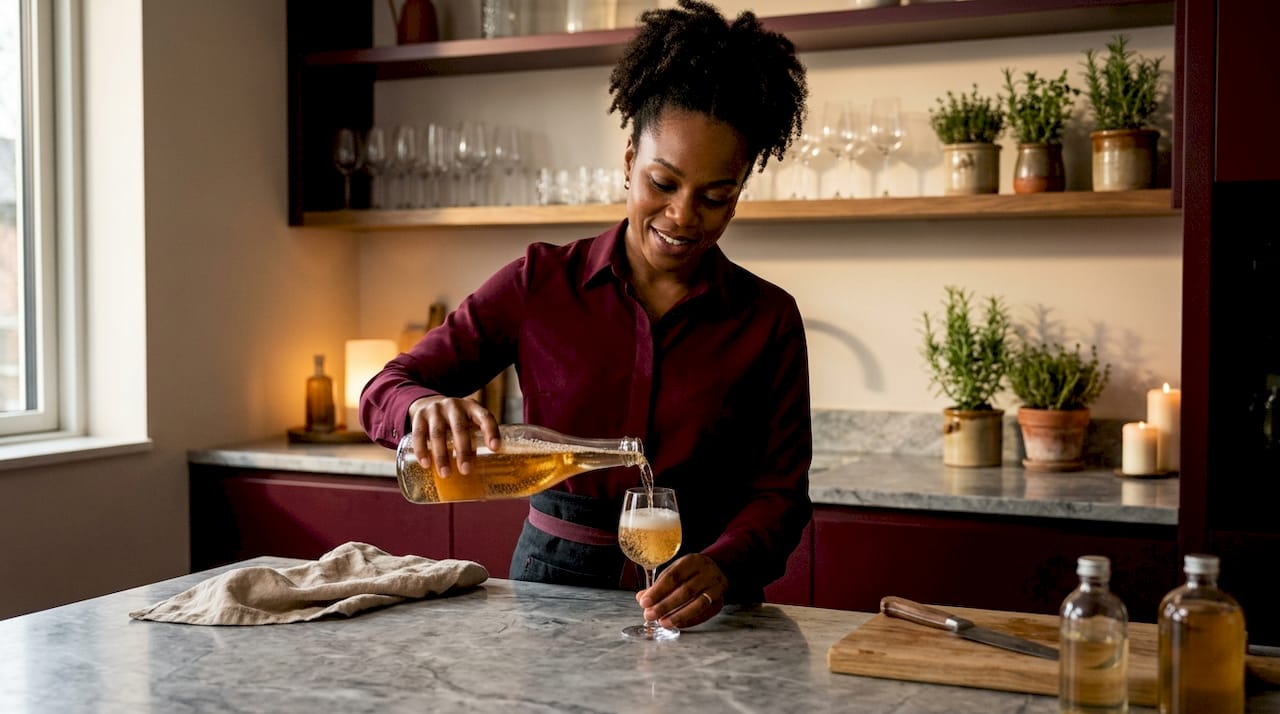
Emotional connections run deep in flavor preferences. Sweet flavors link with happiness, and creamy flavors signal comfort, which is why certain drinks feel like a reward after a hard day. Mood shapes what you crave, and what you crave shapes what you buy.
Key ways flavor drives satisfaction and repeat purchase:
- Sensory first impression: Aroma and color set expectations before the first sip.
- Taste confirmation: The actual flavor either meets or breaks those expectations.
- Emotional resonance: Flavors tied to positive memories or moods increase satisfaction.
- Repeat behavior: A drink that delivers on all three points earns a place in your regular rotation.
Pro Tip: If a new beverage smells appealing but tastes flat, the problem is usually a mismatch between aroma intensity and actual flavor delivery. Look for drinks where the scent and taste align closely.
What flavor categories most influence beverage preferences?
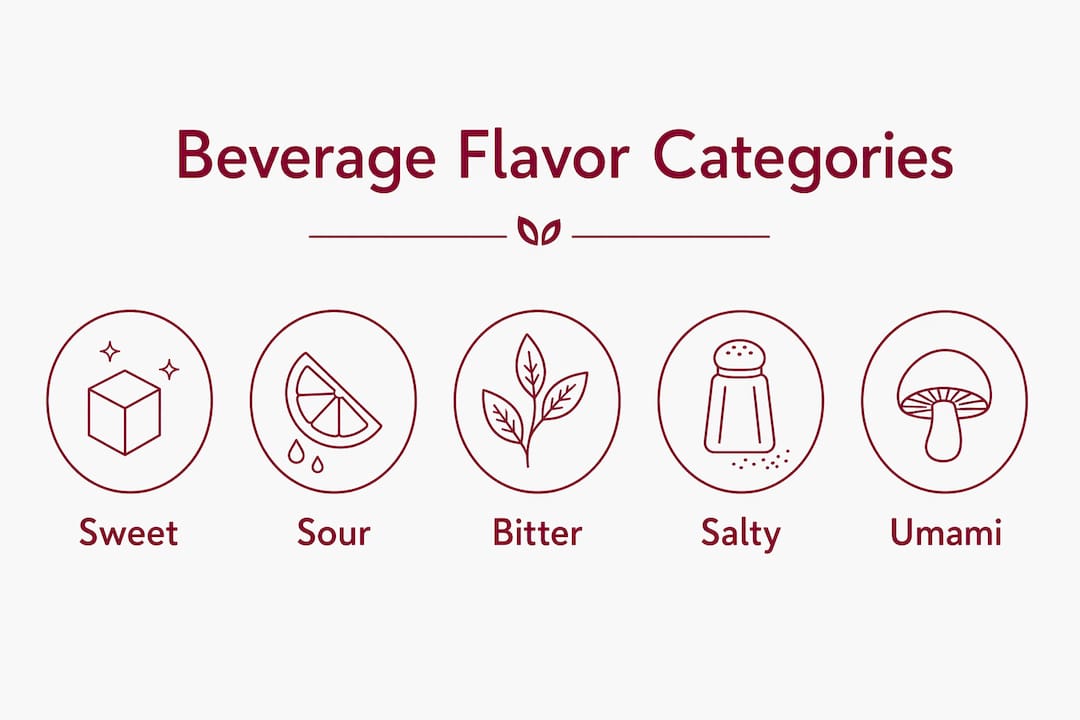
Five foundational taste categories build every beverage profile: sweet, sour, bitter, salty, and umami. Most drinks lean on two or three of these in combination. Understanding which categories you respond to most strongly is the fastest way to predict which new drinks you will enjoy.
Sourness, for example, is the defining note in fermented beverages like kombucha. Tart flavor in beverages signals acidity, which many consumers associate with freshness and digestive benefit. Bitterness, common in coffee and some teas, signals depth and complexity. Sweetness softens both, making a drink more approachable without erasing its character.
Two major flavor trends are shaping the beverage market right now.
The first is “newstalgia.” Nostalgic flavors drive consumer satisfaction and repeat purchases, especially during periods of economic uncertainty. Brands are pairing familiar comfort flavors like peach or vanilla with unexpected twists to create something both safe and exciting. Aboocha’s Yuzu Osmanthus is a strong example: osmanthus is a nostalgic floral note in East Asian cultures, paired with the bright citrus punch of yuzu for a result that feels both new and grounding.
The second trend is flavor-function matching. Ginger-lemon signals gut health to consumers instinctively, before they check the label. Chamomile reads as calming. Citrus reads as energizing. Brands that align their flavor profile with their functional promise create a stronger, more believable product.
| Flavor category | Primary sensory effect | Common beverage application |
|---|---|---|
| Sweet | Approachability, reward | Fruit drinks, flavored waters |
| Sour/Tart | Freshness, acidity | Kombucha, lemonade, shrubs |
| Bitter | Depth, complexity | Coffee, dark tea, tonic water |
| Umami | Richness, body | Savory drinks, some fermented teas |
| Floral/Herbal | Calm, novelty | Botanical sodas, herbal infusions |
For a deeper look at how these profiles combine in fermented drinks, the guide to exotic beverage flavor profiles covers the most interesting pairings in 2026.
How do age and demographics affect flavor exploration?
Younger consumers are the most adventurous flavor seekers in the current market. 58% of Gen Z and Gen Alpha consumers actively pursue unexpected flavors, and 57% seek globally inspired ones. That appetite for novelty is reshaping what brands put on shelves.
This demographic also rotates across more beverage categories each week than Millennials do. Where a Millennial might stick to coffee in the morning and sparkling water in the afternoon, a Gen Z consumer might cycle through matcha, a fermented tea, a specialty coffee, and a botanical soda in a single day. Flavor variety is not just a preference for this group. It is a form of self-expression.
Financial risk perception plays a real role in flavor exploration. A $2 canned drink carries a low enough price point that trying an unfamiliar flavor feels low-stakes. A $12 bottle raises the bar. Brands targeting adventurous younger consumers often use smaller formats and lower price points to reduce the perceived risk of trying something new.
Here is how demographic flavor behavior breaks down in practice:
- Gen Z and Gen Alpha seek bold, globally inspired flavors and rotate categories frequently. Drink choice functions as personal identity.
- Millennials balance familiarity with occasional novelty. They respond well to “newstalgia” profiles that feel both safe and interesting.
- Gen X and Boomers tend to favor established flavor profiles with clear functional benefits. Transparency about ingredients matters more to this group.
- All age groups respond to flavor-function alignment, but younger consumers are more willing to try an unfamiliar flavor if the functional promise is compelling.
Pro Tip: If you want to expand your flavor range without committing to a full bottle, look for brands that offer sampler packs or subscription options with rotating flavors. Aboocha’s subscription plans are built exactly for this kind of low-risk exploration.
The rare fermentation flavor profiles guide is worth reading if you want to understand what drives younger consumers toward more unusual fermented drink options.
How do flavor, health, and mood connect in beverage decisions?
74% of consumers use food and beverages to manage stress and improve mood. That number reframes the entire idea of “healthy drinking.” You are not just choosing a drink for its nutrients. You are choosing it for how it makes you feel, and flavor is the primary signal you use to predict that feeling.
Flavor also communicates functional benefits before you read the label. Flavor serves as functional communication, conveying health associations through instinctive pairing. Ginger-lemon reads as digestive support. Lavender reads as calming. Tart, effervescent drinks read as gut-friendly. Brands that align their flavor profile with their health claim create a more convincing product because the taste confirms the promise.
Sugar reduction is one of the most contested areas in health-focused beverage formulation. A 70% reduction in sugar is achievable using sucralose without measurable sensory quality loss. That finding matters because the biggest barrier to choosing a healthier drink is usually the fear that it will taste worse. Aboocha addresses this directly by keeping sugar content low while maintaining the complex, layered flavor profiles that make each drink worth finishing.
| Consumer goal | Flavor signal that supports it | Example beverage type |
|---|---|---|
| Gut health | Tart, ginger, lemon | Kombucha, kefir drinks |
| Stress relief | Floral, chamomile, lavender | Herbal teas, botanical sodas |
| Energy | Citrus, mint, green tea | Sparkling teas, functional waters |
| Comfort | Sweet, creamy, vanilla | Oat milk lattes, warm tonics |
| Mood lift | Berry, tropical, bright citrus | Fruit-forward sparkling drinks |
One underappreciated risk in health-focused beverages is sweetener transparency. Consumers who know a drink uses a sugar substitute often report perceiving a bitter aftertaste, even when blind taste tests show no difference. The expectation of an off-note creates the experience of one. Choosing drinks where the flavor profile is strong enough to stand on its own, regardless of the sweetener used, sidesteps this problem entirely.
For a direct comparison of how fermented drinks differ from conventional sodas in both flavor and health impact, the breakdown of fermented vs. soda differences is a useful reference.
Understanding how coffee processing affects taste offers a parallel lesson: the same ingredient, processed differently, produces dramatically different flavor outcomes. The same principle applies across all beverage categories.
Key Takeaways
Flavor is the primary driver of beverage choice, working through sensory signals, emotional associations, and functional cues to shape what you buy and what you keep buying.
| Point | Details |
|---|---|
| Flavor drives purchase decisions | 61% of functional beverage consumers rank flavor as their top selection factor. |
| Multisensory design matters | Color, aroma, and texture shape flavor perception before the first sip. |
| Mood and flavor are linked | 74% of consumers use beverages to manage stress, making emotional flavor cues central to choice. |
| Demographics shape exploration | Gen Z and Gen Alpha seek bold, global flavors and rotate categories more than older consumers. |
| Health and flavor must align | Flavor profiles that signal functional benefits, like ginger-lemon for gut health, outperform those that do not. |
Why flavor loyalty is harder to earn than you think
Flavor is the most personal variable in any beverage decision, and I have come to believe that most brands underestimate how quickly that loyalty can break. A single batch that tastes slightly different from the last one is enough to make a regular buyer pause. That inconsistency is more damaging than a mediocre flavor profile, because it breaks the sensory contract the brand made with the consumer.
The “newstalgia” trend is real, but it is also easy to get wrong. Pairing a familiar flavor with something unexpected works when the combination feels intentional. It fails when it feels like a gimmick. Yuzu and osmanthus work together because both carry a delicate, slightly floral quality that makes the pairing feel coherent. Randomly combining a nostalgic flavor with a trendy one just to capture two audiences at once produces something that satisfies neither.
The multisensory dimension is the piece most consumers overlook entirely. You think you are judging a drink by taste. You are actually judging it by taste, smell, color, carbonation level, and the sound it makes when you open it. Brands that get all of those signals aligned create a product that feels premium even before the first sip. That is not marketing. That is sensory science, and it is the real reason some drinks feel worth the price and others do not.
— Luna
Aboocha: where flavor and gut health work together
Choosing a drink that tastes great and supports your health is not a compromise you should have to make.
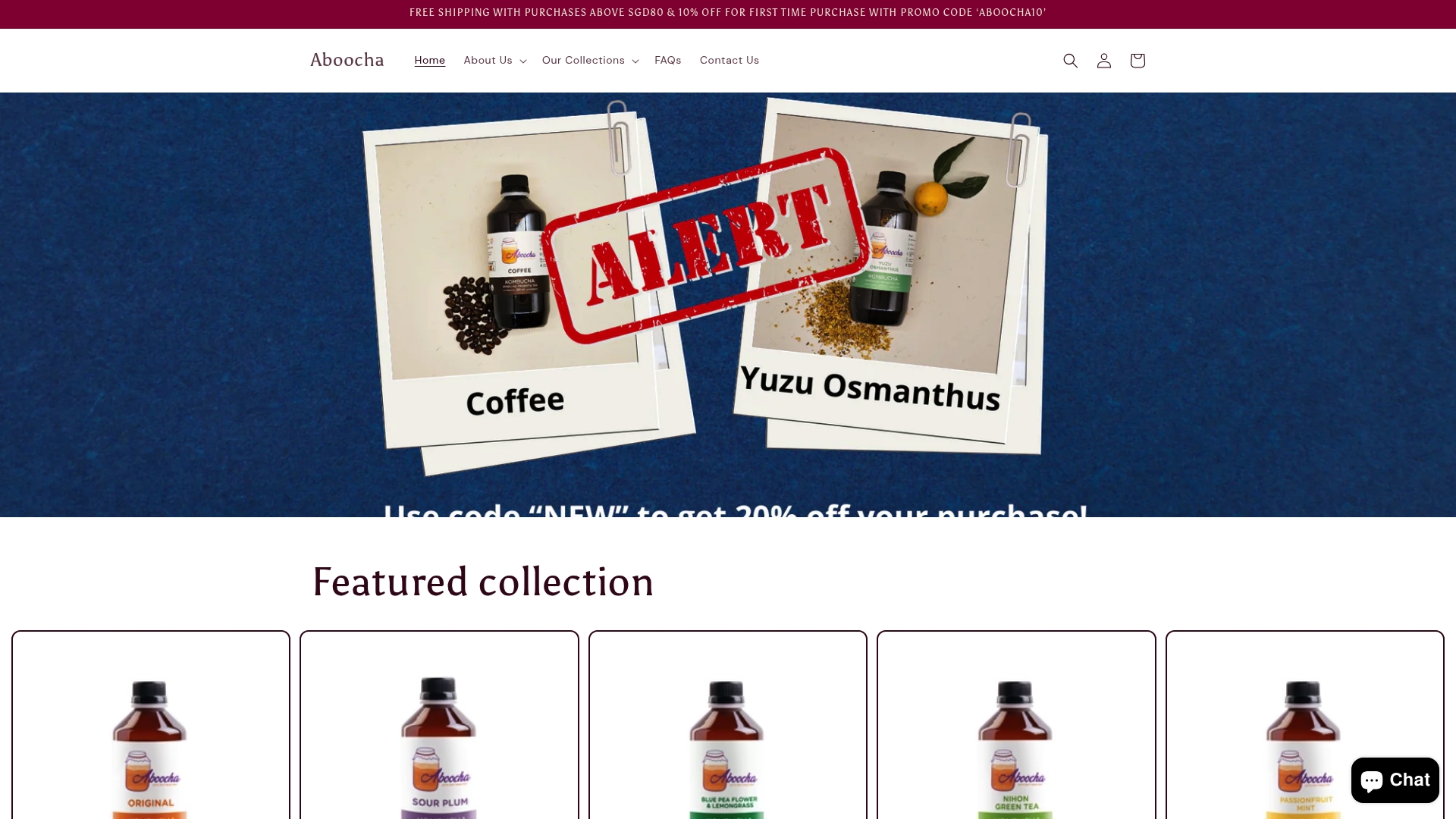
Aboocha builds every kombucha around the principle that flavor and function belong together. Creations like Sour Plum and Yuzu Osmanthus deliver the kind of layered, memorable taste that keeps you coming back, while the lower sugar content and live cultures support your gut without the trade-offs you find in conventional options. If you want to explore what flavor-forward, health-conscious drinking actually looks like, Aboocha’s full range is the place to start. The subscription plans make it easy to rotate through new profiles without committing to a case of something you have never tried.
FAQ
What is the biggest factor in beverage choice?
Flavor is the top factor for 61% of US functional beverage consumers, outranking price and branding. Without strong flavor appeal, functional benefits alone rarely drive repeat purchase.
How does mood affect what drink you choose?
74% of consumers use food and beverages to manage stress and improve mood. Sweet flavors associate with happiness, while creamy or floral flavors signal comfort and calm.
What flavor categories matter most in beverages?
The five core categories are sweet, sour, bitter, salty, and umami. Most beverages combine two or three of these, with sourness and sweetness being the most common pairing in functional and fermented drinks.
Why do younger consumers try more beverage flavors?
Gen Z and Gen Alpha treat drink choice as self-expression, with 58% actively seeking unexpected flavors and 57% pursuing globally inspired ones. Lower price points reduce the financial risk of trying something unfamiliar.
Can a drink be lower in sugar without tasting worse?
A 70% reduction in sugar is achievable using sucralose without measurable sensory quality loss. The key is maintaining a strong enough flavor profile that the sweetener change goes unnoticed.