
Tart flavor in beverages is defined as an agreeably sharp, acidic sensation that adds brightness and complexity without tipping into unpleasant sourness. When you taste a glass of lemonade and feel that clean, mouth-watering zing, that is tartness at work. Three organic acids drive most of that sensation: citric acid, malic acid, and tartaric acid. Each one behaves differently on your palate, and understanding what does tart flavor mean in beverages helps you appreciate why some drinks feel refreshing while others feel flat or cloying.
How organic acids create the tart taste in drinks
Tartness does not come from a single source. It is the combined result of organic acids in beverages reacting with your taste receptors and triggering a sharp, lively sensation. The three most common acids each deliver a distinct experience.
Citric acid: fast and clean
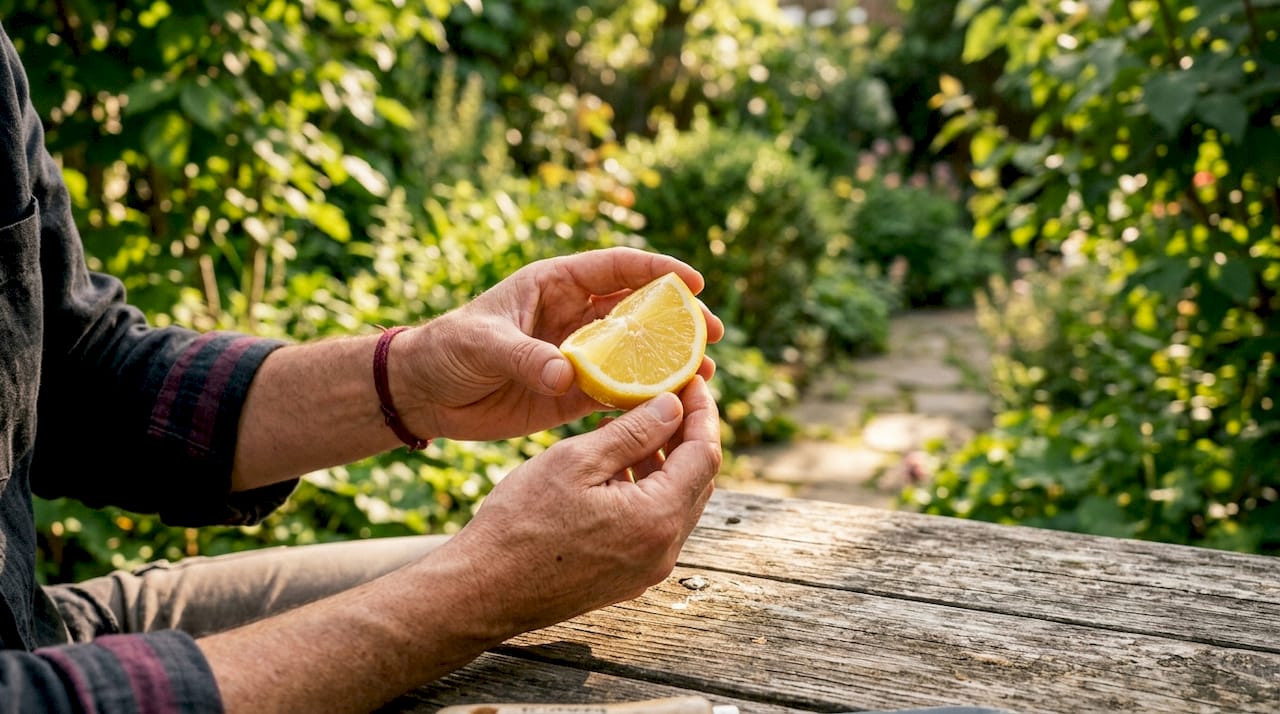
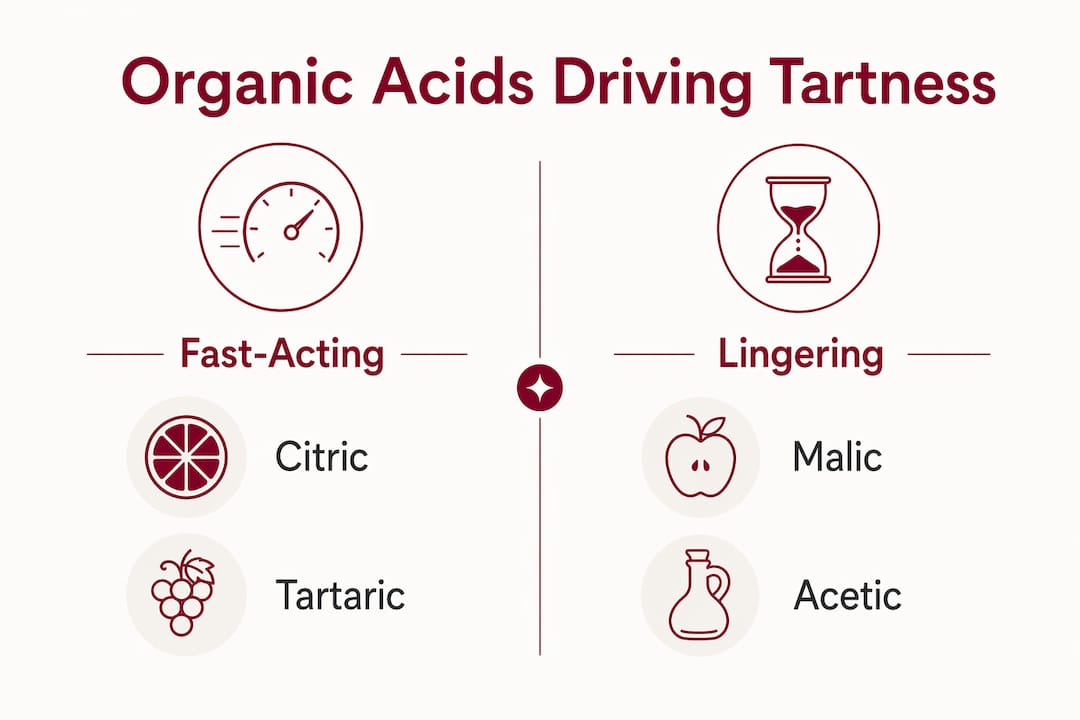
Citric acid hits immediately. It produces a sharp, clean punch that mimics the brightness of fresh lemon juice. A 10g/L citric acid solution replicates lemon juice acidity closely enough that beverage makers use it as a benchmark for calibrating tartness. The sensation fades quickly, which is why citrus-forward drinks feel refreshing rather than heavy.
Malic acid: round and lingering
Malic acid is the dominant acid in apples, and it behaves accordingly. It delivers a rounder, apple-like tang that lingers on the palate longer than citric acid. That persistence makes malic acid popular in fruit-flavored sodas and sports drinks, where a sustained tart note keeps the drink interesting sip after sip.
Tartaric acid: dry and wine-like
Tartaric acid is the acid most associated with grapes. It produces a dry, astringent mouthfeel that feels almost structural, like the tannins in red wine. Beverage makers use it when they want a sophisticated, wine-like tartness rather than a bright citrus pop. The sensation is less about sharpness and more about texture.
| Acid | Primary source | Onset | Sensation |
|---|---|---|---|
| Citric acid | Citrus fruits | Fast | Clean, sharp, fades quickly |
| Malic acid | Apples, stone fruits | Medium | Round, lingering, apple-like |
| Tartaric acid | Grapes | Slow | Dry, astringent, wine-like |
Professional beverage makers do not rely on a single acid. They blend powdered acids to control both the onset and the persistence of tartness, achieving a consistent flavor profile across every batch. That blending technique is what separates a well-crafted drink from one that tastes sharp one day and flat the next.
Pro Tip: If you want to taste the difference between acids at home, squeeze a lemon (citric), bite a green apple (malic), and sip a dry white wine (tartaric). Each one teaches your palate something different about tart flavor.
What makes tart different from sour and other sharp tastes?
Tart and sour are not the same thing, even though people use the words interchangeably. Sensory experts describe tartness as a refined, desirable sensation that enhances drink quality. Sourness, by contrast, often signals something gone wrong, like fermentation past its prime or spoiled fruit.
The physical difference is real. Tartness engages the trigeminal nerve, which runs through your face and responds to chemical irritants. That engagement produces the puckering, attention-grabbing quality that makes tart drinks feel lively. Sourness is processed primarily by basic taste buds on the tongue and tends to feel flatter and more one-dimensional.
Here is how the two sensations compare in practice:
- Tart: A well-made lemonade, a dry kombucha, a citrus cocktail. The sharpness feels intentional and invigorating.
- Sour: Milk that has turned, a beer that has gone bad, or an unripe fruit eaten too early. The sensation feels like a warning.
- Tangy: A middle ground, often used to describe fermented foods like yogurt or kefir, where mild acidity mixes with savory or creamy notes.
- Bitter: A completely different taste pathway, associated with compounds like caffeine or hops, not acidity at all.
“Mixologists prefer the word ‘tart’ over ‘sour’ when describing quality cocktails because it communicates refinement and balance rather than excess.” — EatingChoice
One more distinction matters: measured acidity does not always predict perceived tartness. Titratable acidity predicts how tart a drink tastes better than pH does. Two drinks with identical pH readings can taste completely different depending on the total acid content available to react in your mouth. That is why a craft sour beer can taste sharper than a soda even when its pH is technically higher.
Why tart flavor matters in how beverages taste and feel
Tartness does more than add a sharp note. It functions as a flavor tool that shapes the entire drinking experience in three distinct ways.
-
It lifts aromatics. Acidity brightens the volatile compounds that carry a drink’s aroma. A tart kombucha or citrus cocktail smells more vivid because the acid amplifies the aromatic molecules reaching your nose. This is why tartness enhances aroma in ways that sweetness alone cannot.
-
It balances sweetness. Sugar without acid tastes cloying. Tartness cuts through that heaviness and keeps each sip feeling clean. Aboocha’s Sour Plum kombucha is a clear example: the plum’s natural acidity prevents the drink from tasting like syrup, even though the fruit itself is sweet. Properly balanced tartness and sweetness is what separates a satisfying drink from one you cannot finish.
-
It acts as a natural preservative. Acidic environments inhibit microbial growth. That is one reason tartness in beverages extends shelf life without artificial additives. Kombucha, vinegar-based shrubs, and citrus juices all benefit from this effect.
Tartness also creates the refreshing mouthfeel that makes a drink feel thirst-quenching. That sensation is partly physical: the acid stimulates saliva production, which clears the palate and makes you want another sip. Drinks without any tartness often feel heavier and less satisfying, even when they are cold.
Pro Tip: When tasting a new beverage, pay attention to where on your tongue you feel the sharpness. Front-of-tongue sharpness usually signals citric acid. A lingering mid-palate sensation points to malic acid. A drying finish suggests tartaric acid.
How beverage makers control and craft tart flavor
Getting tartness right consistently is harder than it sounds. Natural fruit sources vary by season, ripeness, and origin. Professional makers solve this by adding powdered acids directly to their formulations, giving them precise control over flavor regardless of ingredient variation.
The key variables they manage include:
- Acid type: Choosing citric for brightness, malic for persistence, or tartaric for structure, or blending all three.
- Sugar-acid ratio: Reducing sugar makes acidity taste more prominent even without adding more acid. Low-sugar drinks taste tarter because there is less sweetness to mask the acidity.
- Titratable acidity targets: Measuring total acid concentration rather than relying on pH alone gives a more accurate picture of how tart the finished drink will taste.
- Beverage type: Carbonated drinks amplify tartness because CO2 forms carbonic acid. Still drinks need slightly higher acid concentrations to achieve the same perceived sharpness.
Kombucha presents a specific challenge. Fermentation naturally produces acetic acid and lactic acid alongside the organic acids above. The brewer must monitor the fermentation timeline carefully to keep tartness in the pleasant range rather than letting it tip into vinegar-like sourness. Aboocha manages this through controlled fermentation, which is why its Yuzu Osmanthus kombucha tastes bright and floral rather than sharp or harsh. You can read more about how fermented drinks differ from sodas in terms of acid profiles and flavor development.
One fact surprises many people: a drink does not need high acidity to taste tart. A craft sour beer with a higher pH than a cola can still taste sharper because its sugar content is far lower. The contrast effect between sweetness and acidity is what your palate actually registers.
Key takeaways
Tart flavor in beverages is the result of organic acids interacting with the trigeminal nerve and taste receptors, creating a sharp, refreshing sensation that balances sweetness and lifts aroma.
| Point | Details |
|---|---|
| Tart vs. sour | Tart is a desirable, refined sharpness; sour often signals spoilage or excess acidity. |
| Three key acids | Citric, malic, and tartaric acids each deliver distinct onset, persistence, and mouthfeel. |
| Sugar-acid balance | Low sugar makes acidity taste more prominent, creating tartness without high acid levels. |
| Titratable acidity | Total acid concentration predicts perceived tartness better than pH measurement alone. |
| Functional role | Tartness brightens aromatics, balances sweetness, and acts as a natural preservative. |
Why I think most people underestimate tartness
Most people treat tartness as a side effect of acidity rather than a deliberate flavor choice. That framing misses almost everything interesting about it.
I have tasted hundreds of beverages across categories, from craft cocktails to fermented teas, and the drinks that stay with me are almost always the ones with well-calibrated tartness. Not aggressive sourness. Not flat sweetness. That specific, lively sharpness that makes you pause and take another sip before you have even finished thinking about the first one.
The biggest misconception I encounter is that tart means acidic in a chemical sense. Consumers often assume a tart drink will be harsh on the stomach or tooth enamel. In reality, a drink can taste beautifully tart while sitting at a moderate pH, simply because its sugar content is low. Aboocha’s lower-sugar kombucha formulas are a good example of this. The tartness reads as bright and clean, not aggressive, because the acid-to-sugar ratio is tuned rather than maxed out.
The other thing worth saying: tart flavors reward attention. A quick sip tells you sharp. A slow sip tells you whether the sharpness is citrus-forward, apple-like, or dry and wine-influenced. Learning to read those differences changes how you experience every drink you pick up. Start with something like Aboocha’s exotic flavor profiles and pay attention to where the tartness sits on your palate. You will not taste beverages the same way again.
— Luna
Tart flavors worth tasting: Aboocha’s approach
Aboocha builds its kombucha around the principle that tartness should be intentional, not accidental.
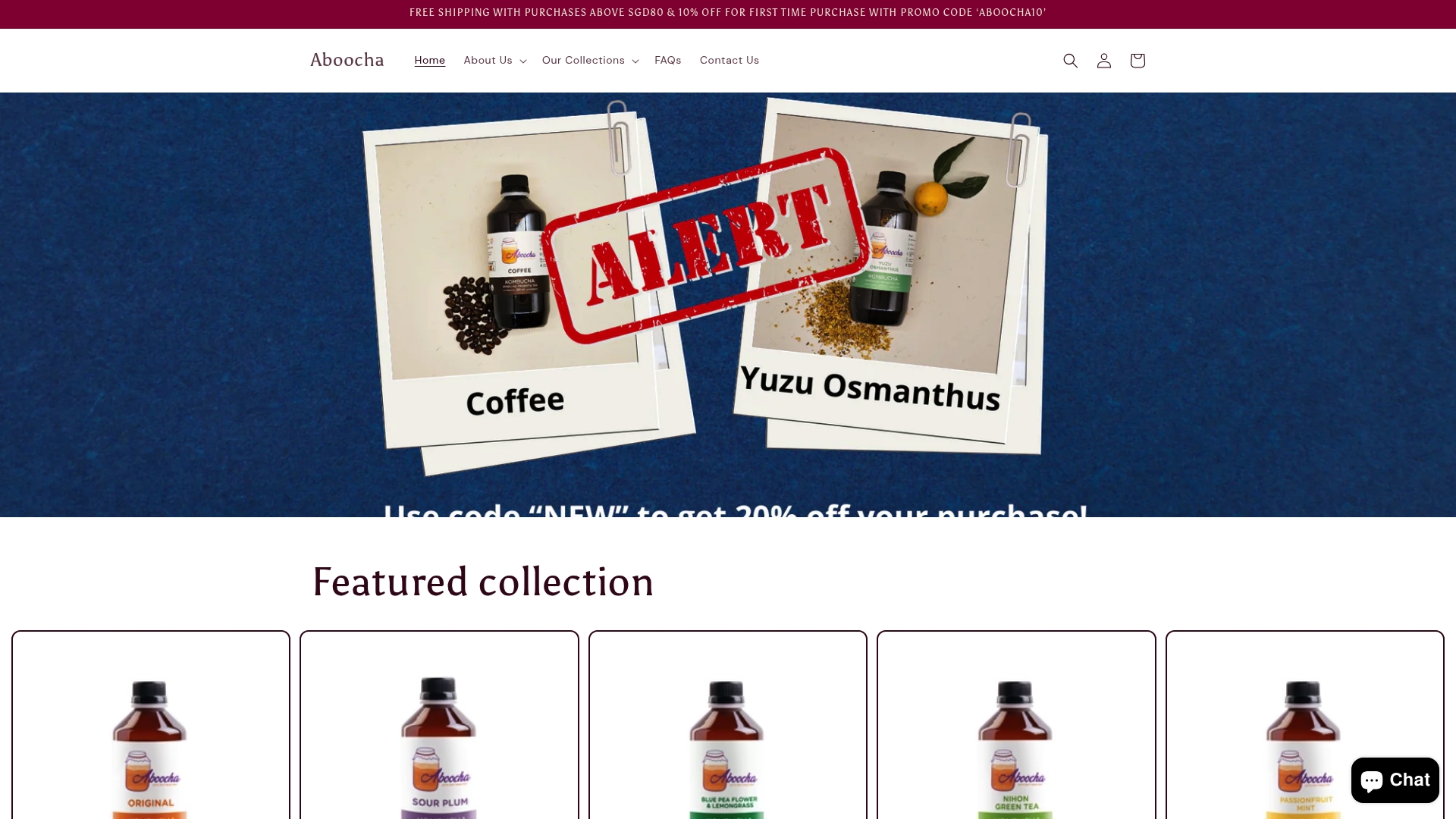
Flavors like Sour Plum and Yuzu Osmanthus are formulated to deliver a bright, layered tartness that works with lower sugar content rather than against it. The result is a drink that feels refreshing and complex without the sharp, vinegar-like edge that puts many people off kombucha. If you want to taste what well-controlled tartness actually feels like in a fermented beverage, explore Aboocha’s kombucha range and see which flavor profile suits your palate. Subscription plans make it easy to work through the full lineup at your own pace.
FAQ
What does tart flavor mean in a drink?
Tart flavor in a drink is an agreeably sharp, acidic sensation produced by organic acids like citric, malic, and tartaric acid. It adds brightness and complexity without the unpleasant quality associated with sourness.
Is tart the same as sour in beverages?
Tart and sour are not the same. Tart is a desirable, refined sharpness that enhances flavor, while sour often signals spoilage or excess acidity that most people find unpleasant.
Which beverages are known for a tart flavor?
Lemonade, dry kombucha, citrus cocktails, craft sour beers, and fruit-forward wines are all recognized for their tart flavor profiles. Each gets its tartness from a different combination of organic acids.
Does a tart drink always have high acidity?
No. A drink can taste tart even at moderate acidity if its sugar content is low. The contrast between sweetness and acidity is what your palate perceives as tartness, not raw acid concentration alone.
How does tartness affect the overall taste of a beverage?
Tartness brightens aromatics, balances sweetness, stimulates saliva production for a refreshing mouthfeel, and acts as a natural preservative. It is one of the most functional flavor elements in beverage formulation.