
Probiotics reduce bloating by restoring balance to the gut microbiome, but only specific strains with clinical trial support deliver consistent results. The key distinction most people miss is strain specificity. Generic probiotic blends labeled only as “Lactobacillus acidophilus” carry no proven benefit for bloating because strain identity determines efficacy. Two strains with strong clinical backing are Bifidobacterium infantis 35624 and Lactobacillus plantarum 299v. Expect meaningful relief after 4–8 weeks of consistent daily use, not days.
How to reduce bloating with probiotics: which strains actually work
The most important decision you make is choosing the right strain. B. infantis 35624 and L. plantarum 299v are the two strains with the strongest clinical evidence for bloating and digestive relief. Every other strain may offer benefits for different conditions, but these two have the most direct trial data for the specific symptom of bloating.

Why strain specificity matters more than brand
A product label that reads “Lactobacillus acidophilus” without a strain number is clinically meaningless for bloating. The strain number, such as 35624 or 299v, is what links the product to a specific clinical trial. Without it, you have no way to know whether the bacteria in the bottle match what researchers actually tested. This is the single most common mistake people make when buying probiotics.
What clinical trials show about dosing
Higher CFU counts do not mean better results. 1 billion CFU of B. infantis 35624 performed as well as 10 billion CFU in clinical trials for bloating relief. Chasing the highest CFU number on a label wastes money and does not improve outcomes. The evidence supports a moderate, strain-matched dose over a mega-dose of the wrong strain.
Here are the strains most supported by clinical evidence for bloating relief:
- Bifidobacterium infantis 35624: Tested in trials involving over 360 IBS patients with significant bloating reductions. The most studied strain for this specific symptom.
- Lactobacillus plantarum 299v: Shows consistent benefit for abdominal discomfort and gas, particularly in people with IBS-related bloating.
- Bacillus coagulans GBI-30: Survives stomach acid without refrigeration, making it a practical option for people who travel or prefer shelf-stable supplements.
- Multi-species synbiotics: A randomized controlled trial found that 72.3% of participants in a synbiotic group reported never or rarely experiencing bloating after 6 weeks, compared to 55.9% in the placebo group.
Pro Tip: When shopping for probiotics, search the product label for the full strain designation, including the alphanumeric code after the species name. If it is missing, put the product back.
How to choose and use probiotic products for real results
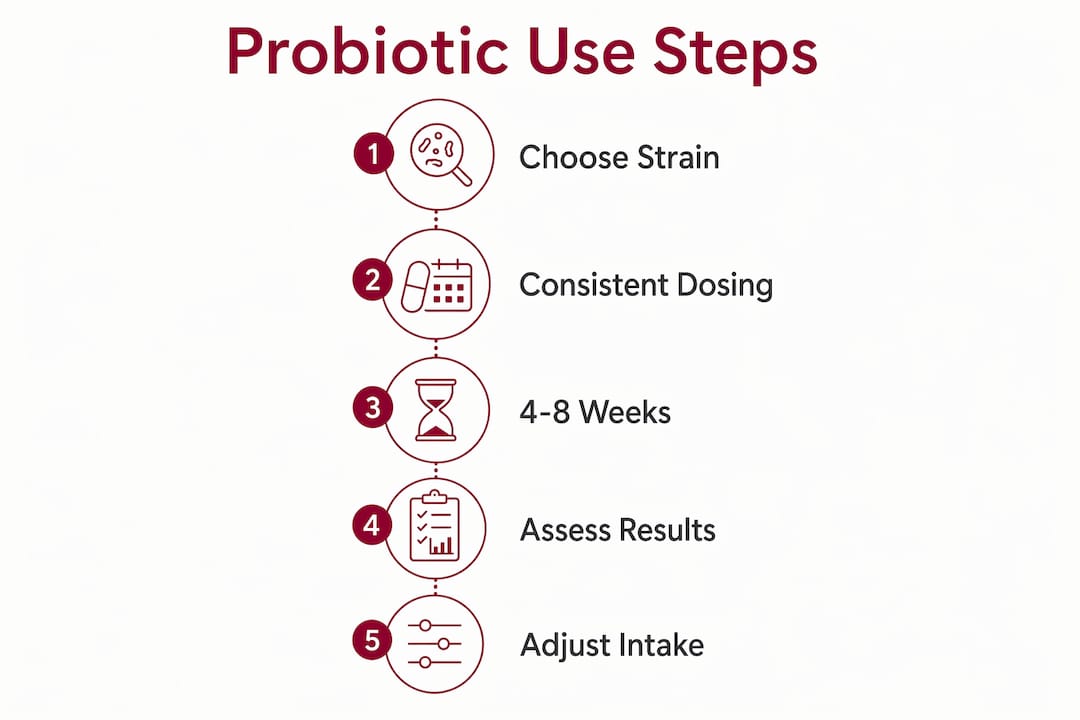
Choosing the right strain is step one. Using it correctly is step two. Most people who fail with probiotics quit too early or take the product inconsistently.
Follow these steps to get the most from your probiotic regimen:
- Read the label for the strain number. Look for the full designation such as B. infantis 35624, not just the genus and species. Products without strain numbers cannot be matched to clinical evidence.
- Commit to 4–8 weeks of daily use. Clinical trials show that significant bloating reductions appear after consistent use over this window. Sporadic use produces no reliable benefit.
- Take your probiotic at the same time each day. Consistency in timing helps maintain stable bacterial populations in the gut. Many people find taking it with breakfast reduces the chance of forgetting.
- Track your symptoms weekly. Keep a simple note on your phone rating bloating severity from 1 to 10 each day. This gives you objective data to assess whether the strain is working for you.
- Support your probiotics with fiber. Diet directly influences how well probiotic bacteria perform. Fermentable fibers from foods like oats, bananas, and legumes feed the bacteria and improve their activity in your gut.
- Do not quit during the first two weeks. A temporary increase in gas is normal as your microbiome adjusts. Reduce the dose by half if discomfort is significant, then build back up.
Pro Tip: Pair your probiotic supplement with a small serving of a fermented food or drink, such as kombucha or yogurt, to introduce additional live cultures alongside your targeted strain.
Probiotic supplements vs. fermented foods: which is better for bloating?
The honest answer is that supplements and fermented foods serve different purposes, and the best approach uses both. Supplements deliver a known strain at a controlled dose. Fermented foods and drinks provide a broader range of live bacteria alongside prebiotics, enzymes, and organic acids that support gut health in ways a capsule cannot replicate.
| Factor | Probiotic supplements | Fermented foods and drinks |
|---|---|---|
| Strain specificity | High. Strain number on label matches clinical trials. | Low. Bacterial content varies by batch and brand. |
| Bacterial quantity | Measured in CFU. Consistent per dose. | Variable. Depends on fermentation process. |
| Ease of use | Simple daily capsule or powder. | Requires regular consumption of specific foods. |
| Additional gut benefits | Minimal beyond the probiotic strain. | Includes organic acids, enzymes, and prebiotics. |
| Best for | Targeted symptom relief with clinical backing. | Ongoing gut health maintenance and diversity. |
Fermented foods and drinks such as kombucha, kefir, kimchi, and miso are natural probiotic sources that help manage bloating and support gut health. They work best as a daily habit alongside a targeted supplement, not as a replacement for one. If your bloating is tied to a specific gut imbalance, a clinically tested strain in supplement form gives you the precision that food alone cannot.
The practical rule is this: use a strain-specific supplement for the first 8 weeks to address active bloating, then transition to fermented foods and drinks as a long-term maintenance strategy. Exploring probiotic-rich beverage options can make that maintenance habit genuinely enjoyable rather than medicinal.
What to do when probiotics are not reducing your bloating
Probiotics do not work for every type of bloating. Understanding when they are and are not appropriate saves you months of frustration.
- Expect temporary worsening in weeks 1–2. Many people quit during the adjustment period when gas and bloating briefly increase. This is a normal microbiome response. Reduce your dose if symptoms are severe, but do not stop entirely.
- Reassess at 8 weeks. If you have used the correct strain consistently for 8 weeks with no improvement, that strain is not the right fit for your gut. Discontinue and consider a different strain or consult a gastroenterologist.
- Probiotics can worsen SIBO. Small intestinal bacterial overgrowth (SIBO) is a condition where bacteria proliferate in the wrong part of the digestive tract. Probiotics may exacerbate SIBO symptoms rather than relieve them. If your bloating is constant, severe, or accompanied by significant pain, get tested for SIBO before continuing probiotic use.
- Food intolerances require a different fix. Bloating caused by lactose intolerance, fructose malabsorption, or gluten sensitivity will not respond to probiotics. Probiotics address microbiome imbalance, not enzyme deficiencies or immune reactions to specific foods.
- Hormonal bloating is not a microbiome issue. Cyclical bloating tied to menstruation has a hormonal cause. Probiotics and gut health support may reduce overall digestive sensitivity, but they will not eliminate hormonally driven fluid retention.
Persistent or severe bloating that does not respond to dietary changes or probiotics after 8 weeks warrants evaluation by a healthcare provider. Conditions like SIBO, inflammatory bowel disease, or celiac disease require diagnosis and targeted treatment, not more supplements.
Key takeaways
Probiotics reduce bloating most effectively when you select a strain-specific product, use it consistently for at least 4–8 weeks, and support it with a fiber-rich diet.
| Point | Details |
|---|---|
| Strain specificity is non-negotiable | Only products listing a strain number like B. infantis 35624 match clinical trial evidence. |
| CFU count is not the priority | 1 billion CFU of the right strain outperforms 10 billion CFU of the wrong one. |
| Expect a 4–8 week timeline | Significant bloating relief appears after consistent daily use over this period. |
| Fermented foods complement supplements | Use targeted supplements for active relief, then fermented drinks for long-term gut maintenance. |
| Know when to stop | No improvement after 8 weeks means the strain is not working. Switch strains or seek professional advice. |
What I have learned from years of watching people try probiotics
The most common mistake I see is treating probiotics like pain relievers. People take one capsule, feel no different after three days, and conclude that probiotics do not work. That is not how the gut microbiome operates.
The gut is a living ecosystem. Shifting its balance takes time, consistency, and the right inputs. B. infantis 35624 did not show meaningful results in trials after a single dose. It showed results after weeks of daily use in people who also ate enough fiber to feed the bacteria they were introducing. That context matters enormously.
I have also seen the opposite problem: people who spend a lot of money on high-CFU “broad spectrum” blends that list 15 strains but no strain numbers. Those products are marketing, not medicine. The science is clear that strain-specific supplementation over at least four weeks is what produces results. A single well-chosen strain beats a cocktail of unverified ones every time.
My honest advice: start with B. infantis 35624, commit to eight weeks, eat more fermentable fiber, and add a daily fermented drink to your routine. Kombucha, in particular, brings live cultures alongside organic acids that support the gut environment in ways a capsule does not. If you are still bloated after all of that, see a doctor. Probiotics are powerful for microbiome-related bloating. They are not a substitute for a diagnosis.
— Luna
Try Aboocha for daily probiotic support
Supplements address targeted strain deficits, but daily fermented beverages build the gut environment that makes those supplements work better. Aboocha’s kombucha delivers live cultures alongside organic acids and natural prebiotics in low-sugar, flavor-forward varieties like Sour Plum and Yuzu Osmanthus.
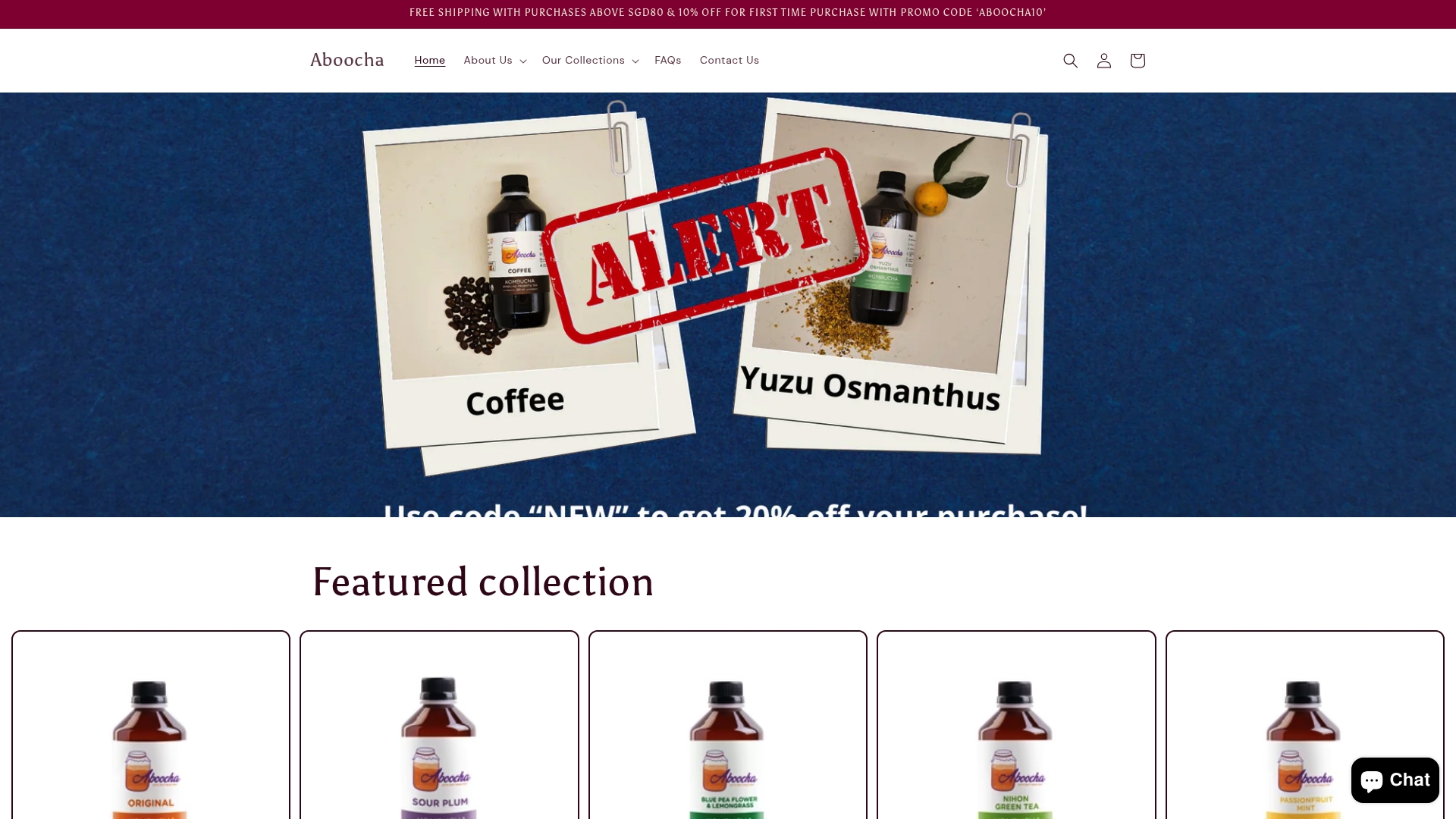
Aboocha is built for people who want gut health support that fits into real life, not a clinical protocol. The subscription plan makes it easy to keep fermented beverages as a consistent daily habit rather than an occasional purchase. If you are working to support your gut health with both supplements and natural sources, Aboocha gives you the fermented beverage side of that equation with flavors you will actually look forward to drinking.
FAQ
How long does it take for probiotics to reduce bloating?
Clinical trials show significant bloating relief after 4–8 weeks of consistent daily use. No improvement after 8 weeks suggests the strain is not effective for your gut.
Which probiotic strain is best for bloating?
Bifidobacterium infantis 35624 has the strongest clinical evidence for bloating relief, tested in trials involving over 360 patients. Lactobacillus plantarum 299v is also well-supported for abdominal discomfort and gas.
Can probiotics make bloating worse at first?
Yes. A temporary increase in gas and bloating during the first 1–2 weeks is normal as the gut microbiome adjusts. Reducing the dose by half during this period and then building back up is the recommended approach.
Are fermented drinks like kombucha as effective as probiotic supplements?
Fermented drinks provide live cultures and gut-supporting compounds but lack the strain specificity of clinical supplements. They work best as a daily maintenance habit alongside a targeted supplement, not as a direct replacement.
When should I stop taking probiotics for bloating?
Discontinue if symptoms worsen significantly beyond the initial adjustment period or if you see no improvement after 8 weeks of consistent use. People with SIBO should consult a healthcare provider before starting probiotics, as certain strains may worsen their symptoms.