
Kombucha is not a proven treatment for gout, and for some people it can make flares more likely. Human evidence is limited to metabolic changes, not uric-acid lowering, while promising xanthine oxidase results come only from rodent studies. If you already drink it, moderation, checking the label for sugar and alcohol content, and talking to your doctor matter more than any claim on the bottle.
TL;DR:
- Human trials show metabolic changes from kombucha but do not demonstrate a reduction in uric acid levels or gout flare prevention.
- Animal studies indicate potential xanthine oxidase inhibition, yet this effect has not been established as relevant for humans with gout.
- Kombucha’s probiotic strains are preliminary and vary widely, so no guaranteed purine breakdown benefits are confirmed.
- High alcohol and residual sugar levels in many kombucha products increase gout flare risk, especially in home-brewed batches with unpredictable content.
- For gout management, prioritizing hydration, weight control, and prescribed medication remains essential, while kombucha offers no proven clinical advantage.
Table of Contents
- Kombucha and Gout: What Human Trials and Animal Studies Show
- How Kombucha Might Theoretically Affect Uric Acid
- Alcohol, Sugar, and Other Risks for Gout Patients
- Choosing Kombucha Safely If You Have Gout
- What Actually Lowers Uric Acid: Proven Priorities First
- The Gap Between What Kombucha Promises and What It Delivers
- A Lower-Sugar Option If You’re Not Ready to Give Up Kombucha
- Sources
- FAQ
Kombucha and Gout: What Human Trials and Animal Studies Show
The research on kombucha and uric acid splits cleanly into two categories, and mixing them up is where most of the confusion online comes from. One category is human data. The other is rodent data. They do not say the same thing.
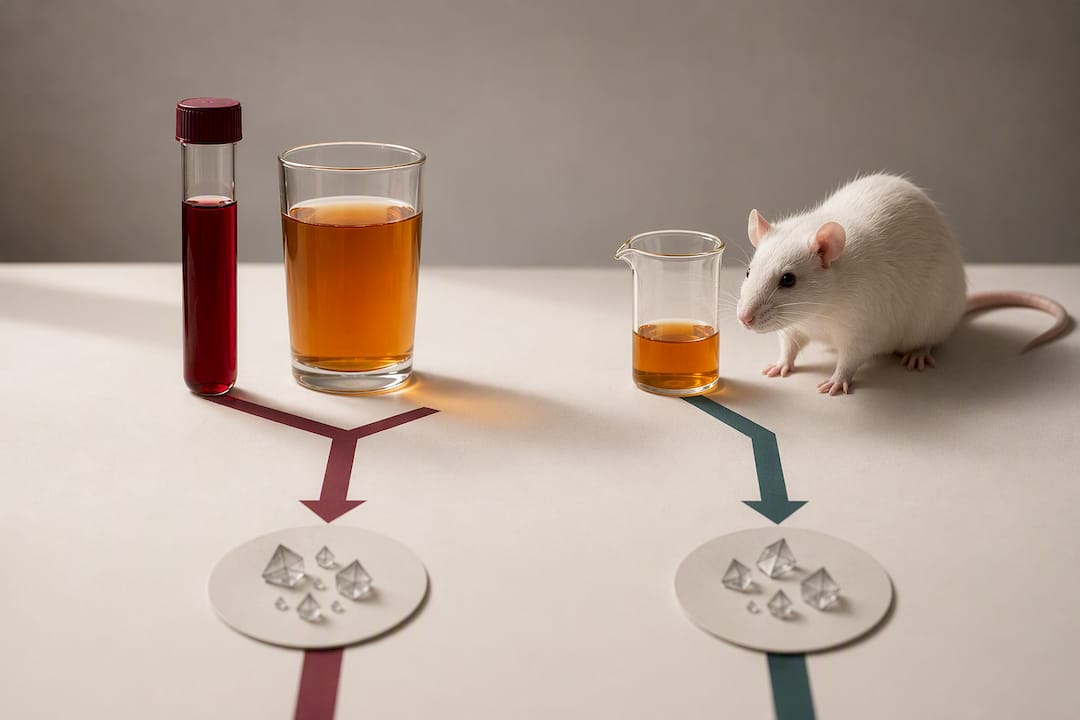
On the human side, an 8-week randomized, double-blind trial had healthy adults drink 330 mL of kombucha daily and tracked their urinary and plasma metabolome. Researchers found measurable shifts, including polyphenol-derived metabolites like dihydroferulic acid and small changes in certain plasma organic acids. That is real evidence kombucha does something inside the body. It is not evidence that it lowers serum uric acid or reduces gout flares, because the trial wasn’t designed or powered to test that.
On the animal side, a rodent study using hyperuricemic Wistar rats reported xanthine oxidase inhibition and lower uric acid levels after kombucha dosing under controlled lab conditions. That’s a genuinely interesting signal for future research. It’s also a species and dosing gap wide enough that no clinician would extrapolate it to a human gout patient today.
There’s a third thread worth knowing: some early research on specific probiotic strains, including Lactobacillus plantarum, Lactobacillus brevis, and Lactobacillus rhamnosus, suggests they might help break down purines. Kombucha does contain live cultures, but the strains, concentrations, and viability vary batch to batch, and this line of research remains preliminary.
What the evidence actually supports:
- Human trials show metabolic changes, not clinical uric-acid reduction
- Animal studies show xanthine oxidase inhibition, not human-relevant proof
- Probiotic-purine research is early and strain-specific, not a kombucha guarantee
Statistic worth remembering: the human trial ran for 8 weeks at 330 mL daily and still didn’t demonstrate a clinical uric-acid benefit. If a controlled trial at that dose and duration can’t show it, no amount of casual home drinking will either.
How Kombucha Might Theoretically Affect Uric Acid
Three separate biological pathways get lumped together when people ask whether kombucha helps gout, and each one deserves its own look.
Xanthine oxidase inhibition. This enzyme converts purines into uric acid, so blocking it is the same mechanism behind allopurinol, a standard gout medication. The rodent study found kombucha compounds inhibited this enzyme in hyperuricemic rats. Rat liver enzymes and human liver enzymes don’t always respond identically to plant compounds, especially at doses that would be difficult to replicate through casual beverage consumption.
Microbial and polyphenol metabolites. The human metabolomics trial detected shifts in gut-derived compounds after regular kombucha intake. That tells you fermentation byproducts interact with human metabolism in measurable ways. It does not tell you those specific shifts touch the purine-uric acid pathway that matters for gout.
Caffeine metabolism. Kombucha is brewed from tea, so it carries caffeine, and caffeine breaks down partly into methyluric acid. That compound is chemically similar to uric acid, which matters for two reasons:
- It can complicate how some uric acid tests interpret results
- Caffeine’s actual effect on gout risk varies by individual and total intake, not just kombucha alone
None of these three pathways add up to a treatment protocol. They add up to a set of reasons researchers keep studying kombucha, without yet finding a reason for your rheumatologist to recommend it.
Alcohol, Sugar, and Other Risks for Gout Patients
Four product characteristics turn kombucha from a curiosity into a genuine flare risk, and they’re not always obvious from the label.
- Alcohol content. Commercial kombucha typically stays under 0.5% alcohol by volume in a 240 mL serving, but home-brewed batches can climb much higher and unpredictably, since fermentation time, temperature, and starter culture all shift the final percentage. Alcohol interferes with uric acid excretion in the kidneys, and that’s a well-established gout trigger regardless of the beverage carrying it.
- Residual sugar. That same 240 mL serving can carry around 7 grams of sugar in many commercial formulations, though flavored or under-fermented varieties often run higher. Sugar, particularly fructose, drives insulin responses that reduce the kidneys’ ability to clear uric acid efficiently.
- Caffeine and acidity. Kombucha contains some caffeine, derived from the tea used in its preparation. Kombucha’s natural acidity can also affect urine pH in ways that matter for people already managing crystal formation.
- Home-brew variability. Contamination risk, unpredictable alcohol content, and inconsistent acidity make homebrewed kombucha a poor choice for anyone whose gout is unstable, and a genuinely risky one for anyone with kidney or liver disease.
Pro Tip: If you notice a flare within 24 to 48 hours of drinking kombucha, check whether it was home-brewed. Fermentation batches vary so much that one bottle from a friend’s kitchen can carry three or four times the alcohol of another.
Choosing Kombucha Safely If You Have Gout
Some people should skip kombucha entirely: anyone with unstable or frequently flaring gout, chronic kidney disease, liver disease, or pregnancy. In those cases, the unpredictable alcohol and acid load isn’t worth the trade for a beverage with no proven benefit.
For everyone else considering it, a few concrete checks make a real difference:
- Choose pasteurized, commercially produced bottles over homebrew, since production consistency reduces contamination and alcohol surprises
- Look for alcohol content under 0.5% and sugar content on the lower end of what’s available
- Start with a small 50 to 100 mL portion rather than a full bottle to see how your body responds
- Avoid drinking it right before bed, since dehydration overnight can concentrate uric acid
- Keep a short symptom log noting the date, product, volume, and any flare that follows, since patterns often surface faster on paper than in memory
Pro Tip: Bring the actual product label, not just the brand name, to your next appointment. Sugar and alcohol content vary enough between flavors and batches that “I drink kombucha” tells your doctor almost nothing useful on its own.
If you notice recurring symptoms after kombucha, or you’re adjusting urate-lowering medication, that’s the moment to talk to your doctor rather than experiment further on your own.
What Actually Lowers Uric Acid: Proven Priorities First
Gout management that works rests on measures with real clinical backing, and kombucha isn’t one of them. Mayo Clinic’s guidance centers on a short list that hasn’t changed much in decades:
- Staying well hydrated throughout the day
- Managing body weight, since excess weight raises uric acid production
- Limiting alcohol and sugar-sweetened beverages, both proven flare triggers
- Taking urate-lowering therapy consistently when a doctor prescribes it
Beyond those, the evidence gets thinner but still worth knowing. Cherries and cherry juice have some supportive data for reducing flare frequency. Low-fat dairy and vitamin C show modest associations with lower uric acid in observational research, though neither replaces medication for diagnosed gout.
For gout-friendly drinks day to day, water and unsweetened tea remain the safest defaults. If you’re drawn to functional beverages for other reasons, something like a turmeric shot offers anti-inflammatory interest without kombucha’s alcohol and sugar variables, though it carries its own limited evidence base too.
The Gap Between What Kombucha Promises and What It Delivers
People want a beverage that doubles as medicine, and kombucha’s fermentation story makes it an easy target for that hope. The honest read is that we have one interesting human metabolomics trial and one interesting rat study, and neither closes the gap to “drink this for your gout.” What I find more useful than debating kombucha’s merits is redirecting that same attention toward hydration and medication adherence, which have decades of evidence behind them and cost nothing extra to practice. If you’re going to keep kombucha in your routine anyway, treat it the way you’d treat any fermented drink with unpredictable sugar and alcohol. Choose commercial over homebrew, read the label every time, and let your uric acid numbers, not your taste preference, decide whether it stays on the shelf.
— Irwin Lee
A Lower-Sugar Option If You’re Not Ready to Give Up Kombucha
If you’ve decided to keep kombucha in your routine despite the caveats above, the product you choose matters more than the decision itself. Some kombucha brands brew with a deliberately lower sugar content than many conventional bottles on the shelf, which addresses one of the two biggest gout-related concerns before you even open the cap.
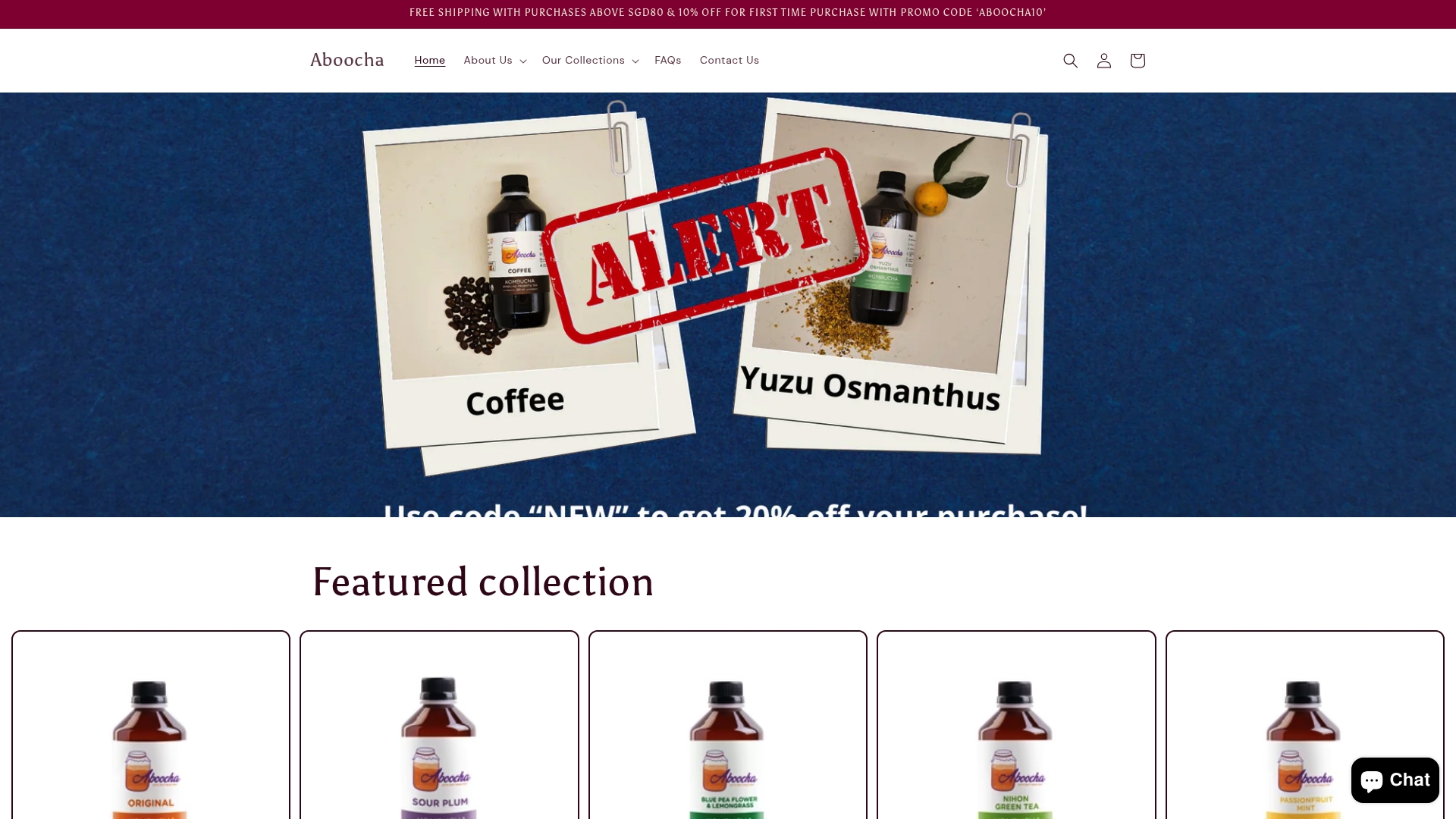
That doesn’t make Aboocha Kombucha a gout remedy, and we are not claiming otherwise. What it does offer is a commercially produced, pasteurized alternative to home-brewing, which removes the contamination and alcohol-spike variability that comes with unregulated batches. Flavors like Sour Plum and Yuzu Osmanthus are built around flavor and lower sugar first, not medical claims. If you want to try it, start small, around 50 to 100 mL, check the label every time, and see how your body responds before committing to a full bottle. Browse the current lineup and order a set to try whenever you’re ready.
This article is general information, not a substitute for advice from a qualified doctor. Consult a qualified healthcare professional about your own circumstances before acting on anything here.
Sources
- Daily consumption of kombucha influences the urinary and plasma metabolome in a healthy human cohort (PMC)
- Xanthine oxidase inhibition of kombucha tea in hyperuricemia induced Wistar rat (ResearchGate PDF)
- Gout - Diagnosis and treatment (Mayo Clinic)
FAQ
Can kombucha affect gout?
Kombucha may influence metabolism based on human metabolomic data, but no clinical trial has shown it lowers uric acid or reduces gout flares in people. Its alcohol and sugar content can also work against gout management, depending on the product.
Is fermented food okay for gout?
Most fermented foods are fine in moderation, but kombucha specifically carries alcohol and residual sugar that can trigger flares in sensitive individuals. Check labels and prefer pasteurized, commercial versions over homebrew.
Who should not drink kombucha?
People with unstable or frequently flaring gout, chronic kidney disease, liver disease, or those who are pregnant should avoid kombucha entirely, since its alcohol and acidity carry disproportionate risk for these groups.
What are the worst drinks for gout?
Beer and other alcoholic beverages, sugar-sweetened sodas, and fruit juices high in fructose rank among the worst drinks for gout, since alcohol and sugar both interfere with the kidneys’ ability to clear uric acid. Kombucha with higher alcohol or sugar content shares those same risks.