
Current evidence gives kombucha a cautious yes for people with type 2 diabetes, not a green light. A 2023 randomized pilot trial found fasting glucose fell from 164 mg/dL to 116 mg/dL after four weeks of daily kombucha, but the sample was tiny and unconfirmed. Check the sugar and alcohol content on any label, talk to your clinician first, and track your glucose if you try it.
TL;DR:
- The small human trial suggests kombucha may lower fasting blood glucose in people with type 2 diabetes, especially those with higher initial levels, but results are preliminary.
- Variability in sugar and alcohol content across brands means some kombucha can spike blood sugar or interact with medications, requiring careful label reading.
- Research supports a gut microbiome pathway where kombucha’s probiotics might improve insulin resistance, but human evidence is limited to short-term glucose improvements.
- Long-term effects on diabetes markers like HbA1c are unproven, and larger, standardized trials are needed to confirm any benefits.
- Choosing low-sugar, transparent-label kombucha and monitoring blood glucose for two to four weeks can help determine personal response before regular consumption.
Table of Contents
- Is Kombucha Good for Diabetics? What Human Trials Actually Show
- How Might Kombucha Affect Blood Sugar Biologically?
- Does Kombucha Raise Blood Sugar for Some People?
- What Should You Look for When Buying Kombucha?
- Who’s Behind This Guide, and What’s the Catch?
- The Editorial Take: Why This Evidence Deserves Cautious Optimism, Not Hype
- Aboocha: A Lower-Sugar Way to Try Kombucha Without the Guesswork
- Sources
- FAQ
Is Kombucha Good for Diabetics? What Human Trials Actually Show
The single most-cited piece of evidence on kombucha for diabetes comes from a small but carefully designed randomized controlled pilot trial published in 2023. Researchers ran a double-blind crossover study with just 12 adults who had type 2 diabetes. Each participant drank 240 mL of a ginger and green tea kombucha daily for four weeks, then switched to a placebo beverage for another four weeks (or vice versa), with a washout period in between.
The result that got headlines: fasting blood glucose in the kombucha phase dropped significantly. The placebo phase showed no meaningful shift. Participants who started with higher baseline glucose tended to see the biggest drops, which hints that kombucha’s effect, if real, may scale with how much room for improvement someone has.
That is a striking number for a beverage. It is also, on its own, nowhere near enough to call kombucha a treatment.
Why the crossover design matters, and why it isn’t the final word:
- A crossover trial lets each person serve as their own control, which strengthens the internal comparison despite the small group.
- Twelve participants is too few to rule out individual variation, seasonal effects, or chance.
- The trial wasn’t powered to detect smaller but still clinically relevant differences between arms.
- Ginger kombucha was the specific product tested. A plain black tea kombucha or a fruit-flavored one may behave differently.
Fasting glucose, before and after: In the kombucha arm, average fasting blood glucose decreased significantly over four weeks. That is a large single-study shift, and it needs replication in a bigger trial before it means anything for treatment guidelines.
A systematic review of clinical trials on kombucha and metabolic health pooled results across several small studies and found a much messier picture. Some trials reported modest improvements in postprandial glycemia in otherwise healthy adults after acute kombucha intake. Others found no measurable change at all. The reviewers pointed to a recurring problem: every trial used a different kombucha, brewed differently, with different sugar content at bottling and different tea bases. Comparing them is a bit like comparing five different medications and calling them one drug.
The same review is blunt about what is missing. None of the current trials followed participants long enough to measure HbA1c, the marker clinicians actually rely on to judge sustained blood sugar control. A change in fasting glucose over four weeks is interesting. A change in HbA1c over three months is what would move kombucha from “promising curiosity” to “something worth discussing as a real adjunct.”
There is also a registered trial worth knowing about. Clinicaltrials comparing ginger kombucha against ginger water in people with diabetes, tracking blood sugar outcomes with more rigor than most prior work. Its existence tells you the research community takes the question seriously enough to keep testing it, even if results aren’t published yet.
What would change the calculus? A larger trial (100+ participants, not 12), a single standardized product instead of five different homemade or commercial variants, a follow-up period long enough to catch HbA1c movement, and pre-registered statistical power to detect a real effect rather than a lucky one. Until then, the honest read is: encouraging signal, not proof.
How Might Kombucha Affect Blood Sugar Biologically?
The best way to think about kombucha’s plausible effect on glucose is a chain reaction that starts in the gut, not a direct chemical action on blood sugar itself. None of this proves kombucha works in humans. It does explain why researchers keep testing it instead of dismissing it as folk remedy.
The gut microbiota to metabolic pathway:
- Kombucha contains live bacteria and yeast from fermentation, which can shift the composition of gut microbiota after regular consumption.
- In mouse models of type 2 diabetes, four weeks of kombucha increased bacteria that produce short-chain fatty acids (SCFAs), improved insulin resistance, and improved liver glycogen storage.
- SCFAs signal through gut receptors called GPR41 and GPR43, which trigger the release of GLP-1 and PYY, two hormones that influence appetite and insulin secretion.
- Higher GLP-1 is linked to better pancreatic β-cell function, the cells responsible for producing insulin in the first place.
That mouse data is mechanistic, not clinical. Mice are not people, and a four-week mouse study cannot tell you what happens to a human on metformin who drinks a bottle of kombucha with dinner. But the pathway it describes (gut bacteria → SCFAs → hormone signaling → insulin response) lines up neatly with the timeframe used in the human pilot trial, which also ran four weeks. That overlap is one reason researchers see the human results as biologically plausible rather than a fluke.
Beyond bacteria, kombucha carries tea polyphenols left over from its green or black tea base, plus organic acids like acetic and lactic acid generated during fermentation. Both categories have some independent research behind them for modulating glucose metabolism, though the effect sizes in kombucha specifically haven’t been isolated from the fermentation and microbiome effects.
This is also why not every kombucha is interchangeable. The pilot trial used a ginger and green tea variant, and ginger itself has its own metabolic research history. A fruit-forward or black-tea kombucha will carry a different polyphenol and acid profile, which means its effect, if any, could differ.
Pro Tip: If you want to track whether kombucha does anything measurable for you personally, pick one product and stick with it for at least four weeks before drawing conclusions. Switching flavors and brands weekly makes it impossible to tell what, if anything, is doing the work.
Does Kombucha Raise Blood Sugar for Some People?
Kombucha can absolutely raise blood sugar if you pick the wrong bottle. This is the part of the kombucha conversation that gets skipped in favor of the exciting pilot-trial numbers, and it’s the part that matters most day to day.
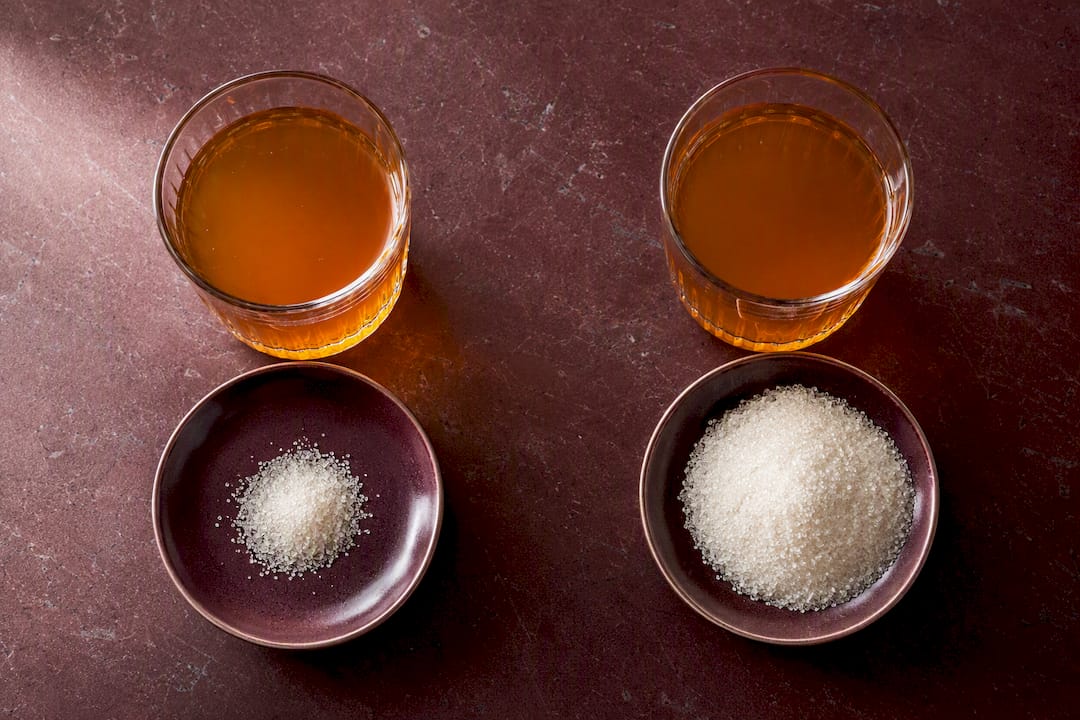
Sugar is the first thing to check. Kombucha starts as sweet tea, and fermentation only consumes some of that sugar. Residual sugar in commercial kombucha varies enormously, from under 4 to 6 grams per 240 mL serving in low-sugar formulations up to 10 to 15 grams or more in sweeter, fruit-heavy brands. That gap is the difference between a beverage that’s roughly neutral for your glucose and one that behaves like a soft drink.
Alcohol content is small but real. The pilot trial’s kombucha measured around 1.5% ethanol, a byproduct of fermentation that shows up in nearly every kombucha, commercial or homemade. That’s below beer-level alcohol, but it’s not zero, and it matters if you’re on medications that interact with alcohol or if you’ve been told to avoid it entirely for other health reasons.
Here’s a practical safety sequence to follow if you’re considering kombucha with type 2 diabetes:
- Read the label before anything else. Look at sugar per serving, total carbohydrates, and whether ethanol content is disclosed.
- Avoid unpasteurized home-brew unless you trust the source completely. Contamination risk and unpredictable alcohol or sugar content are both higher with DIY batches.
- Talk to your clinician before adding it to a routine that includes metformin or other glucose-lowering medication. Kombucha is not a substitute for prescribed treatment, and stacking effects are not well studied.
- Check your fasting glucose daily for the first one to two weeks after introducing kombucha, and note any symptoms like dizziness or unusual fatigue.
- Stop and reassess if your control worsens rather than pushing through and hoping it stabilizes.
Kombucha’s ethanol content and residual sugar are not standardized across brands, which is exactly why the same product category can help one person and quietly work against another.
What Should You Look for When Buying Kombucha?
Choosing kombucha with diabetes in mind comes down to reading past the health-food branding and looking at the actual numbers on the bottle. A can labeled “raw” or “probiotic” tells you almost nothing about sugar content.
The label checklist that actually matters:
- Serving size, and whether that matches what you’d realistically drink in one sitting.
- Grams of sugar per serving, ideally on the lower end of the range rather than the higher one.
- Total carbohydrates, since some brands add fruit juice or syrup after fermentation that boosts carbs without always showing up clearly as “added sugar.”
- Ethanol percentage, when disclosed. Not every brand lists it, which itself is worth noting.
- Ingredient transparency. A short ingredient list with no added syrups is generally a better sign than a long one.
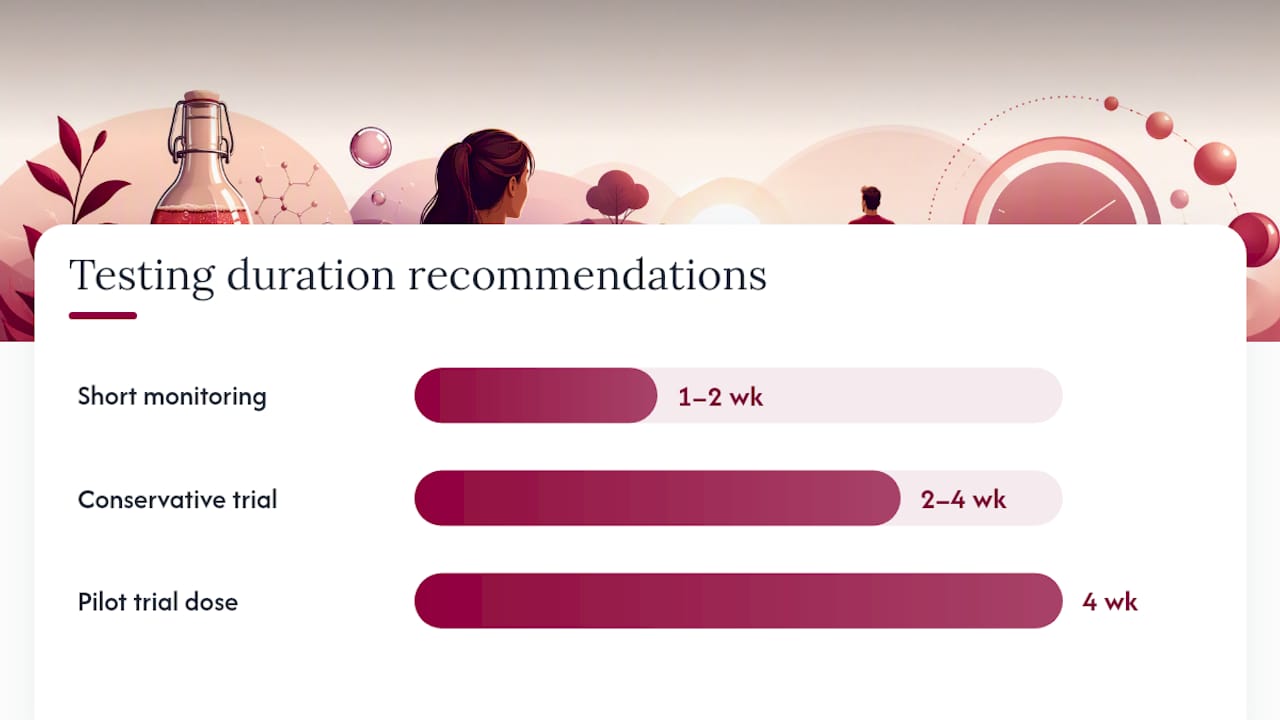
If you want to test whether kombucha does anything for you, the pilot trial’s 240 mL daily dose is the only human-tested reference point available. A more conservative starting approach is 120 to 240 mL, once daily, for at least two to four weeks, so you can actually see a pattern instead of guessing.
Monitoring plan: Check your fasting glucose first thing in the morning, and check again one to two hours after the meal where you drink kombucha. Keep a simple log for the first one to two weeks. If numbers trend down or stay flat, that’s useful information. If they trend up, that’s useful information too, just in the other direction.
Aboocha’s lower-sugar approach to kombucha formulation reflects exactly this label-first thinking. Reading about how lower sugar content affects everyday health goals is a reasonable next step if you want to understand formulation choices before you shop.
Pro Tip: Buy one bottle before you buy a case. Test your own response for two weeks with a single product rather than committing to a subscription or bulk order before you know how your body responds.
If kombucha doesn’t feel right for you, or your clinician advises against it, other fermented and fiber-based options support gut health with less glycemic uncertainty: plain yogurt with live cultures, kefir, and soluble-fiber additions to meals all have longer track records specifically around gut health and fermented foods. Natural sweetener swaps in other parts of your diet, like the options covered in this guide to blood-sugar-friendly sweeteners, can also reduce your overall sugar load while you experiment with kombucha specifically.
Who’s Behind This Guide, and What’s the Catch?
This article was written by Luna, drawing on the published pilot trial, the mechanistic animal research, and the systematic review cited throughout, rather than personal clinical experience. The goal was to represent what the research actually says, including its limits, not to oversell a beverage.
Aboocha sells kombucha, including lower-sugar formulations like Sour Plum and Yuzu Osmanthus, and a subscription model for people who want it delivered regularly. That’s a commercial interest worth naming plainly. It doesn’t change what the pilot trial found, what the systematic review found, or what the mouse studies found. Those numbers are the numbers regardless of who sells the beverage.
Treat everything above as informed context for a conversation with your care team, not a replacement for one. If you’re on glucose-lowering medication, that conversation should happen before the first bottle, not after.
The Editorial Take: Why This Evidence Deserves Cautious Optimism, Not Hype
The conventional wisdom on kombucha splits into two unhelpful camps: wellness enthusiasts treating it as a cure, and skeptics dismissing it because “it’s just fermented tea.” Both miss what the actual research supports, which is narrower and more interesting than either extreme.
What the evidence backs is this: a plausible, mechanistically grounded, statistically significant signal in one small human trial, reinforced by animal data showing a coherent gut-to-hormone pathway. That’s real. It’s also twelve people and four weeks, which is nowhere near a green light for anyone currently managing their glucose with medication.
Where advice on this topic usually fails is treating “small sample” and “not effective” as synonyms. They’re not. A 12-person trial can catch a real effect and still need a 200-person trial to confirm it wasn’t a fluke of who volunteered. The systematic review’s core complaint, that no two trials used the same product, is the bigger scientific problem here, not the sample sizes alone.
If you take one thing from this: prioritize the label over the headline. The sugar and alcohol content on your specific bottle will affect you today. The pilot trial’s promise is still years from being settled science.
— Luna
Aboocha: A Lower-Sugar Way to Try Kombucha Without the Guesswork
If you’ve read this far, you already know the two things that matter most when choosing a kombucha: the sugar number on the label and knowing what’s actually in the bottle. Aboocha builds around exactly that, with lower residual sugar across its lineup and flavor-forward options like Sour Plum and Yuzu Osmanthus that don’t lean on added syrup to taste good.
For anyone managing type 2 diabetes who gets clearance from their clinician to try kombucha, consistency matters more than variety, which is where a subscription earns its place. Instead of restocking one-off bottles and re-checking labels every time, a regular delivery means the same tested formulation shows up on the same schedule, so your glucometer log stays comparable week to week. You can also compare options through this guide to low-sugar kombucha in Singapore if you’re weighing which flavor to start with.
Visit Aboocha to see the current lineup and subscription plans, and start with a single bottle if you’re still in the two-week testing phase described above.
Sources
- Kombucha tea as an anti-hyperglycemic agent in humans with diabetes – a randomized controlled pilot investigation
- Benefits of Kombucha Consumption: A Systematic Review of Clinical Trials Focused on Microbiota and Metabolic Health
- Kombucha reduces hyperglycemia in type 2 diabetes of mice by regulating gut microbiota and its metabolites
- Evaluating the Effects of Kombucha as a Hyperglycemic Therapeutic Agent Within Diabetic Human Subjects
FAQ
Is It Okay for Diabetics to Drink Kombucha?
Most people with type 2 diabetes can consider kombucha in moderation after checking with their clinician, since a small pilot trial found it lowered fasting glucose, but evidence is still preliminary and sugar content varies widely by brand.
Can I Drink Kombucha While on Metformin?
There’s no direct evidence that kombucha interferes with metformin, but kombucha should never replace prescribed medication, and combining anything new with metformin deserves a conversation with your doctor first.
Who Shouldn’t Drink Kombucha?
People who need to avoid alcohol entirely, those with compromised immune systems, pregnant individuals, and anyone drinking unpasteurized home-brew kombucha of uncertain quality should avoid it or check with a clinician first.
Is Kombucha Too High in Sugar?
It depends entirely on the brand. Some commercial kombucha carries under 4 to 6 grams of sugar per 240 mL serving, while sweeter varieties can exceed 10 to 15 grams, so checking the label matters more than trusting the “kombucha” name alone.