
Kombucha can offer modest digestive benefits for some people, particularly those with constipation or slow-moving bowels, but the evidence is far from a blanket guarantee. Small clinical trials show gains in stool frequency and gut microbiota diversity, driven by organic acids and transient probiotic strains, while healthy people with no digestive complaints see less dramatic change. Sugar content, acidity, and product quality matter more than most drinkers realize, which is a big part of why Aboocha builds its kombucha around lower sugar and consistent fermentation.
TL;DR:
- Kombucha’s benefits for digestion are most evident in alleviating constipation, with small trials showing increased stool frequency and gut microbiota diversity.
- Variability in organic acids, live microbes, sugar levels, and fermentation quality limits the consistency of health claims across different bottles.
- Drinking 4 to 8 ounces daily and adjusting based on tolerance over one to two weeks is recommended, preferably with meals and lower sugar options.
- Risks include contamination, excess acidity, and trace alcohol, with certain groups like pregnant women and immunocompromised individuals advised to avoid homemade or unpasteurized products.
- Effects are more likely in people with existing digestive issues, while those with normal digestion may notice little to no benefit.
Table of Contents
- Is Kombucha Good for Digestion? What It’s Made Of and Why That Matters
- What Does the Research Say About Kombucha and Digestion?
- How Might Kombucha Affect Digestion? The Biological Mechanisms
- How to Drink Kombucha for Digestion the Right Way
- What Are the Risks and Who Should Avoid Kombucha?
- Does Kombucha Interact With Digestive Medications or Conditions?
- How to Source or Prepare Kombucha Safely
- Can Kombucha Cause Allergic Reactions or Sensitivities?
- Aboocha’s Take on Kombucha and Digestive Wellness
- Try Aboocha’s Low-Sugar Kombucha for Your Daily Routine
- Sources
- FAQ
Is Kombucha Good for Digestion? What It’s Made Of and Why That Matters
Kombucha is fermented tea, usually black or green, brewed with a symbiotic culture of bacteria and yeast known as a SCOBY. That culture converts tea sugar into a mix of organic acids (acetic, gluconic, glucuronic), trace alcohol, live microbes, and residual polyphenols carried over from the tea leaves. Those compounds are the reason kombucha gets discussed in the same breath as gut health, but the specific mix varies enormously from bottle to bottle.
A homebrewed batch fermented for two weeks looks nothing like a commercial bottle fermented for five days under controlled conditions. Fermentation time, tea base, sugar type, and any added fruit or spice all shift the concentration of active compounds, which is exactly why reviews on kombucha’s bioactive profile flag production variability as a major obstacle to consistent health claims.
What actually varies bottle to bottle:
- Organic acid levels, which drive sourness and some of the digestive effects.
- Live microbe counts, which drop off after pasteurization in some commercial products.
- Sugar content, ranging from barely sweet to soda-level in some mass-market brands.
- Trace alcohol, typically under 0.5% but higher in longer ferments.
- Polyphenol carryover from the tea, which depends on brew strength and tea type.
That variability is the first thing to understand before trusting any single study’s results as universal.
What Does the Research Say About Kombucha and Digestion?
The clearest signal in the research is this: kombucha shows the most consistent benefit for constipation-related symptoms, not for digestion broadly. A systematic review of clinical trials covering eight studies found modest but real improvements in gastrointestinal symptoms, especially stool consistency, though the authors were blunt about the limitations. Trial sizes were small, kombucha formulations differed study to study, and follow-up periods rarely stretched past a few weeks.
Across the trials reviewed, benefits were mainly noted for constipation-related outcomes rather than general digestive complaints, and the authors called for larger, standardized studies before drawing firm conclusions.
A few specific trials shape what we know today:
- A randomized controlled trial of fiber-enriched kombucha gave 60 healthy adults 250 mL daily for six weeks. Fifty-eight completed it, and researchers saw increased Bifidobacterium abundance along with triglyceride changes that came close to statistical significance, but stopped short of it.
- Small pilot studies in people with constipation-predominant IBS reported improved stool frequency and consistency, alongside preliminary glycemic benefits in a separate type 2 diabetes pilot. Sample sizes in both cases were too small to generalize.
- An eight-week controlled clinical study using shotgun metagenomics found individualized shifts in gut microbiome composition, including enrichment of Weizmannia (Bacillus coagulans), but no consistent change in inflammation biomarkers across participants.
The honest takeaway: if you already struggle with constipation, kombucha has a reasonable shot at helping. If your digestion runs normally, the trials suggest you’re less likely to notice a difference.
How Might Kombucha Affect Digestion? The Biological Mechanisms
Three mechanisms show up repeatedly in the research, and each one is plausible without being proven at a population level.
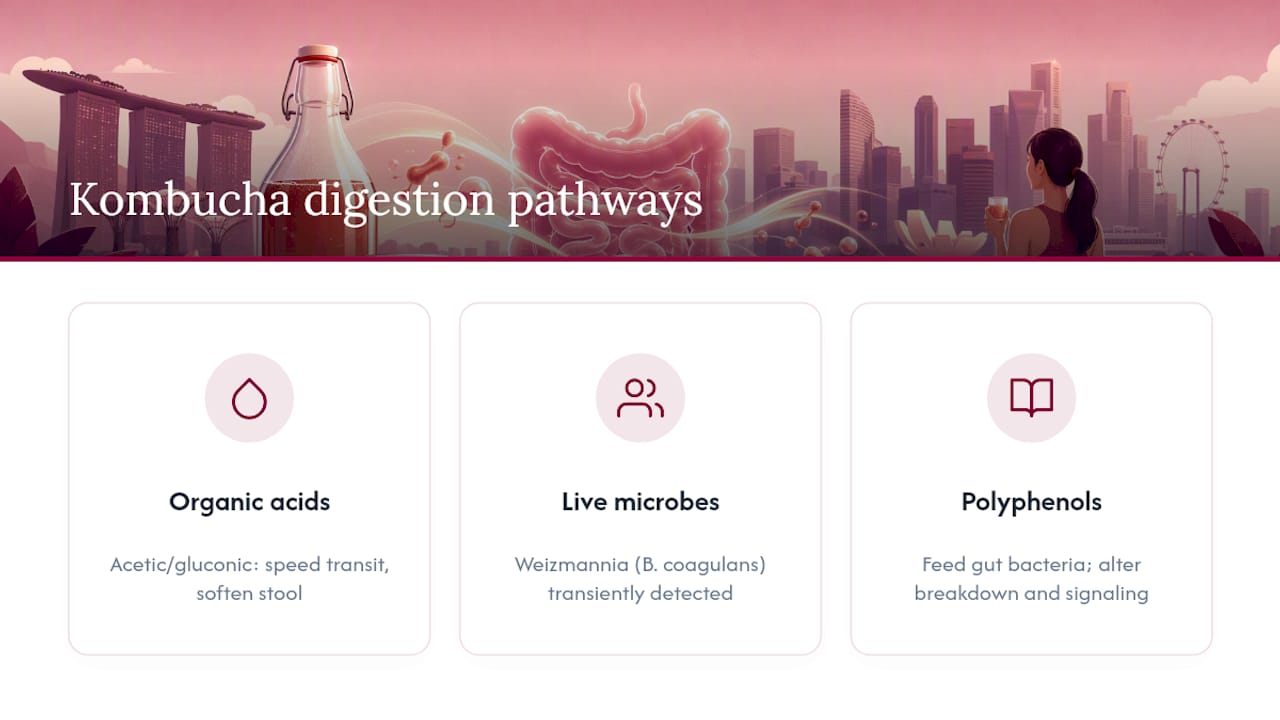
Organic acids appear to influence intestinal motility. Mechanistic work tied to the systematic review on kombucha trials points to acetic and gluconic acid acting on prostaglandin E2 pathways, which can speed up gut transit, while also modulating aquaporin-3 channels that control water reabsorption in the colon. Less water pulled back into the body means softer stool, which lines up with the constipation-focused results seen in trials.
Live microbes introduce a second pathway, though a temporary one. Weizmannia (Bacillus coagulans), a spore-forming strain detected in stool sequencing after kombucha consumption, survives passage through stomach acid well enough to show up transiently in the gut. It doesn’t necessarily colonize long-term, but its short-term presence may partly explain the microbiome shifts researchers keep finding.
Polyphenols round out the picture, feeding gut bacteria and potentially influencing nutrient breakdown and gut signaling, though this pathway is the least studied of the three.
How to Drink Kombucha for Digestion the Right Way
Start small and pay attention to how your body responds. Kombucha isn’t something to chug by the pint on day one.
- Begin with 4 to 8 fluid ounces a day. That’s roughly half a standard bottle, and it’s enough to gauge tolerance without overwhelming your gut with sugar, acid, or carbonation at once.
- Adjust based on how you feel over one to two weeks. If digestion feels unaffected and you tolerate it well, you can move toward a full 8 to 12 ounce serving. If you notice bloating or looser stool, scale back.
- Pick your timing deliberately. Drinking kombucha with a meal tends to be gentler on the stomach; drinking it between meals may hit harder on an empty stomach, especially for anyone sensitive to acidity.
- Read the label before buying. Check sugar per serving, confirm the alcohol content stays under 0.5% for a non-alcoholic classification, and note the pH if it’s listed. Lower-sugar options reduce the odds of the bloating that high-sugar kombucha can trigger.
- Give it two to three weeks before judging results. Constipation-related improvements in trials showed up over days to weeks, not after one bottle.
Pro Tip: If you’re new to kombucha, skip untested homebrews entirely and start with a commercial, lower-sugar option instead. You get a more predictable acid and sugar profile, which makes it much easier to tell whether kombucha is actually helping.
Stop and reassess if symptoms get worse rather than better. That’s a sign to dial back the amount, change the timing, or take a break entirely.
What Are the Risks and Who Should Avoid Kombucha?
Most side effects are mild and short-lived: gas, bloating, mild diarrhea, or nausea, usually tied to high sugar content, carbonation, or a stomach unaccustomed to the acidity. These tend to fade as your gut adjusts or as you reduce serving size.
The more serious risks are rarer but worth knowing:
- Contamination from homebrewing. Food-safety guidance from Michigan State University Extension warns that improper hygiene during home fermentation can introduce harmful bacteria or mold.
- Excess acidity. Over-fermented batches can drop below pH 2.5, raising the risk of dental erosion and gut irritation.
- Trace alcohol exposure. Longer ferments can push alcohol content higher than label claims suggest, a real concern for anyone avoiding alcohol entirely.
Certain groups should either avoid kombucha or check with a clinician first: pregnant people, individuals who are immunocompromised, those with severe liver disease, and infants or young children. For everyone else, sticking to pasteurized or reputable commercial products, checking labels, and starting with small servings covers most of the risk.
Does Kombucha Interact With Digestive Medications or Conditions?
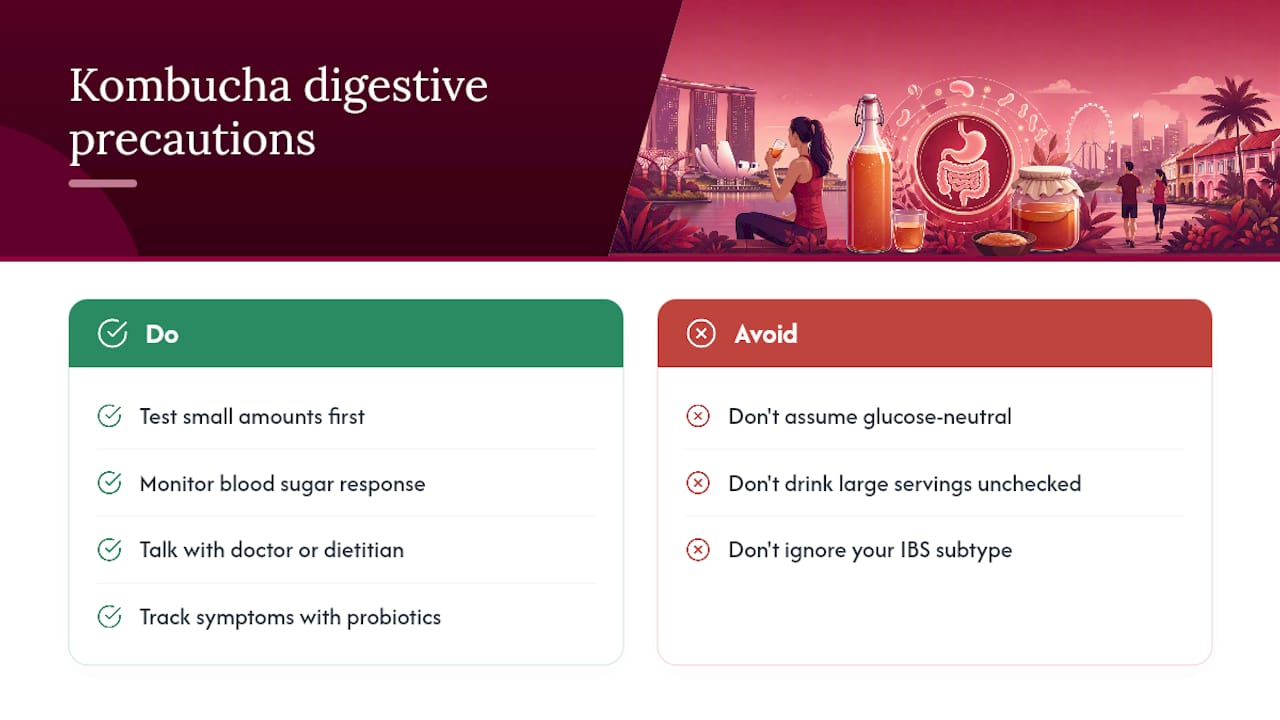
Kombucha’s acidity and live-culture content mean it can interact with certain digestive medications and existing conditions, even though direct drug-interaction trials remain limited. Anyone on acid-reducing medications, such as proton pump inhibitors or H2 blockers, may find that kombucha’s acidity irritates a stomach already sensitive from acid-related conditions like GERD. That doesn’t mean it’s off-limits, but it’s worth testing in small amounts first.
People managing IBS should pay attention to which subtype they have. The trials showing benefit focused on constipation-predominant IBS; kombucha’s carbonation and fermentable sugars could plausibly aggravate symptoms in someone with diarrhea-predominant IBS or a sensitivity to FODMAPs, though this hasn’t been directly tested.
Anyone on blood sugar medication should also take note. The small glycemic-benefit signals from pilot diabetes trials are promising but preliminary, and kombucha still contains residual sugar that varies by brand. That makes it worth monitoring blood sugar response rather than assuming a fermented drink is automatically glucose-neutral.
If you take probiotics or other gut-focused supplements, there’s no known harmful interaction with kombucha’s microbial content, but stacking multiple probiotic sources makes it harder to tell what’s actually helping if your digestion improves. The safest approach for anyone on digestive medication or managing a chronic gut condition is a conversation with a doctor or dietitian before making kombucha a daily habit, especially at higher serving sizes.
How to Source or Prepare Kombucha Safely
Commercial kombucha is the safer default for most people, mainly because production is monitored for pH, alcohol content, and microbial safety in ways a kitchen counter setup rarely matches. When choosing a bottle, check three things: sugar per serving, alcohol percentage, and whether the product is pasteurized or raw and live. Raw, unpasteurized kombucha retains more live microbes but requires refrigeration and a shorter shelf life; pasteurized versions trade some of those microbes for stability.
If you brew at home, hygiene is not optional. A SCOBY that isn’t handled cleanly, or a ferment left too long, can develop mold or dangerously low pH. Food-safety guidance on kombucha production recommends sanitized equipment, consistent fermentation temperatures, and monitoring pH before bottling, particularly since home setups lack the quality controls commercial producers use.
For anyone immunocompromised or otherwise in a higher-risk group, skip homebrewing altogether and stick to commercial products with clear labeling. Storage matters too: kombucha should stay refrigerated after opening, and a swollen cap or off smell is a sign to toss the bottle rather than risk it. Buying from a producer that discloses sugar content and fermentation practices, rather than a vague “detox tonic” label, is generally the better bet for anyone trying kombucha specifically for digestive support.
Can Kombucha Cause Allergic Reactions or Sensitivities?
True allergic reactions to kombucha itself are uncommon, but sensitivities to its ingredients are more common than people expect. The tea base (black, green, or herbal) can trigger a reaction in anyone with a known tea sensitivity, and added flavorings, fruit, or spices carry their own allergen risk, especially in flavored varieties with fruit purees or botanical extracts.
Histamine sensitivity is a subtler issue worth knowing about. Fermented foods and drinks, kombucha included, can be higher in histamines than fresh beverages, and people with histamine intolerance sometimes report flushing, headaches, or digestive discomfort after drinking it. That’s not a true allergy, but the symptoms can feel similar and are easy to misattribute to something else.
Anyone with a yeast or mold sensitivity should also proceed carefully, given that kombucha’s SCOBY contains yeast strains as part of the fermentation process. Reactions here are rare, but not impossible, particularly with less filtered or unpasteurized products. If you notice hives, itching, throat tightness, or swelling after drinking kombucha, stop immediately and treat it as a potential allergic reaction rather than typical digestive adjustment. Mild bloating or gas is common and expected. Anything resembling a true allergic response is not, and it warrants medical attention rather than a wait-and-see approach.
Aboocha’s Take on Kombucha and Digestive Wellness
This kombucha brand builds every batch around lower sugar and bold, distinct flavors because gut-friendly shouldn’t mean flavorless. That said, the evidence on kombucha and digestion is still developing, and no single bottle replaces medical care for a real digestive condition. Aboocha’s own guides on fermented drinks and gut health go deeper into the science, but the honest framing is this: treat kombucha as a complementary habit, not a cure.
— Luna
Try Aboocha’s Low-Sugar Kombucha for Your Daily Routine
If you’re ready to actually try kombucha rather than just read about it, some companies ship ready-to-drink bottles built around lower sugar and unique flavors not usually found in a standard grocery-store lineup.
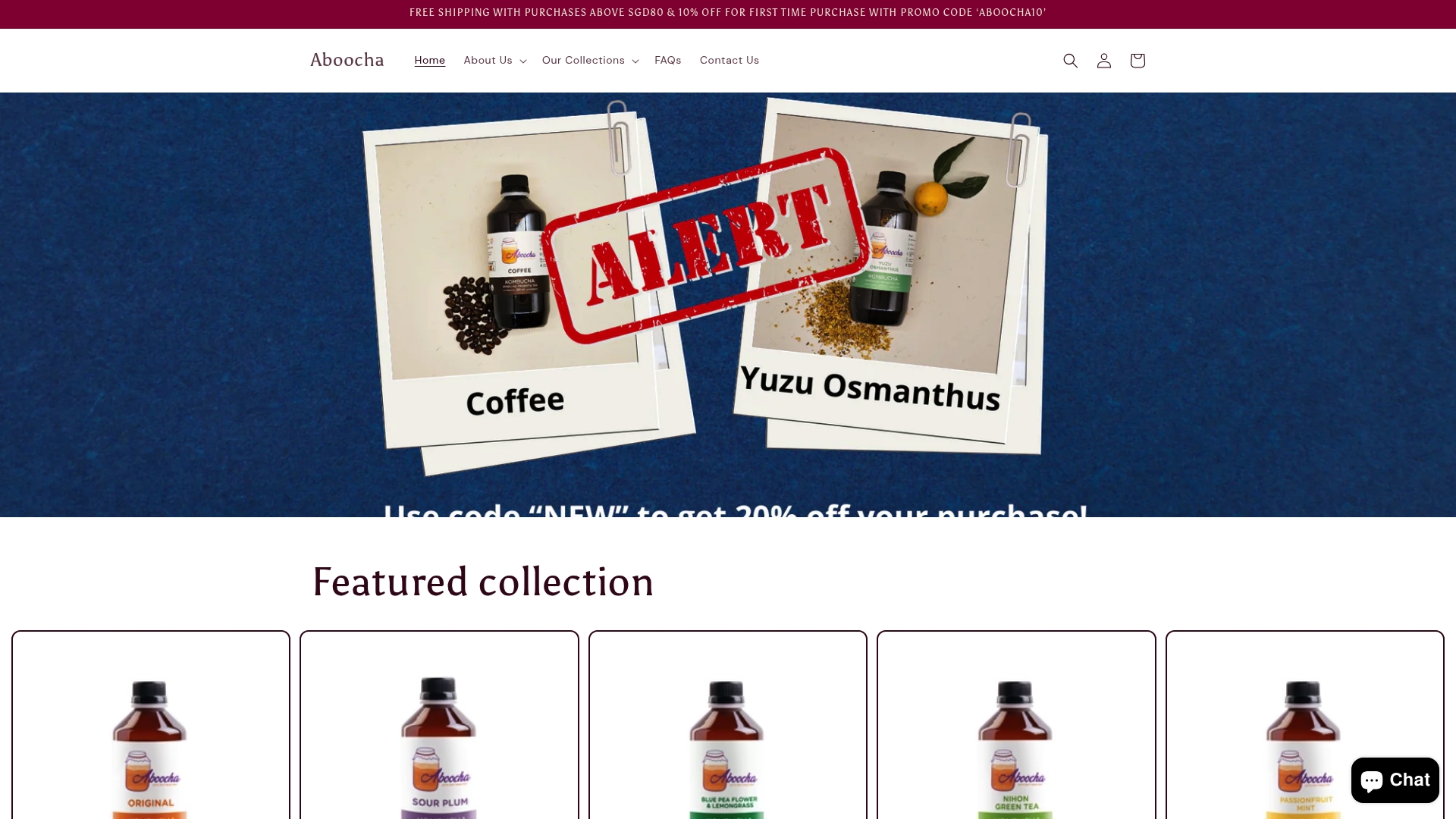
A subscription plan takes the guesswork out of consistency, delivering bottles on a schedule so you can settle into the 4 to 8 ounce daily habit the research points toward, without having to reorder manually every time you run out. Start with a smaller serving size, watch how your digestion responds over a couple of weeks, and adjust from there. If you’re curious about the acids driving kombucha’s effects, Aboocha’s breakdown of kombucha acids is worth a read before your first bottle arrives. Consider trying a flavor set to see what fits your routine, and place your first order through Aboocha’s online store.
Sources
This article draws on a systematic review of eight clinical trials, a randomized controlled trial on fiber-enriched kombucha, a controlled metagenomics study on gut microbiome shifts, and a review of kombucha’s bioactive compounds and production variability. Broader context on fermented foods comes from Stanford Medicine’s research on fermented-food diets, and readers interested in how other fermented beverages get evaluated for health claims can see a parallel discussion in ADIRA Coffee’s look at coffee and health research.
This article is general information, not a substitute for advice from a qualified doctor. Consult a qualified healthcare professional about your own circumstances before acting on anything here.
- Benefits of Kombucha Consumption: A Systematic Review of Clinical Trials Focused on Microbiota and Metabolic Health
- Effect of fiber-modified kombucha tea on gut microbiota in healthy population: A randomized controlled trial (RCT)
- Modulating the human gut microbiome and health markers through kombucha consumption: a controlled clinical study | Scientific Reports
- Kombucha as a Bioactive Functional Beverage: Current Evidence, Production Challenges, and Future Perspectives
FAQ
Does Kombucha Actually Help With Digestion?
For some people, yes, especially those dealing with constipation. Clinical trials show modest improvements in stool frequency and consistency, though effects in people with no existing digestive complaints are far less pronounced.
Is It Okay to Drink Kombucha Every Day?
Daily kombucha is generally fine for most healthy adults at 4 to 8 fluid ounces, though anyone immunocompromised, pregnant, or managing a liver condition should check with a doctor first. Sticking to lower-sugar commercial products makes daily consumption easier on both blood sugar and digestion.
When Is the Best Time to Drink Kombucha for Digestion?
Drinking kombucha with a meal tends to be gentler on the stomach than drinking it on an empty stomach, since the acidity has less direct contact with an unprotected gut lining. Some people prefer it between meals, but that’s a matter of personal tolerance rather than a proven rule.
Why Does My Stomach Feel Better After Drinking Kombucha?
The organic acids in kombucha may support intestinal motility and softer stool by influencing water reabsorption in the colon, while live microbes like Weizmannia can temporarily shift gut bacteria balance. For some drinkers, that combination eases mild constipation or sluggish digestion within days to weeks.