
Sports recovery drinks without sugar are beverages formulated to restore the electrolytes and fluids lost during exercise without adding glucose, fructose, or other caloric sweeteners. Most conventional sports drinks carry 20–40 grams of added sugar per serving. That sugar load is unnecessary for athletes who train under 90 minutes and counterproductive for anyone managing body composition or blood sugar. The better category is sugar-free electrolyte drinks, which deliver sodium, potassium, and magnesium in a formula your body can absorb quickly. This guide covers why electrolytes matter, what ingredients to look for, how to choose or make your own, and how these drinks fit into a complete recovery plan.
Why do sports recovery drinks without sugar work better for most athletes?
Electrolyte replenishment is the core function of any recovery drink. When you train hard, you lose 0.5 to 1.5 liters of sweat per hour, and that sweat carries sodium, magnesium, and potassium with it. Replacing that fluid with plain water or a sugar-heavy drink creates two separate problems.
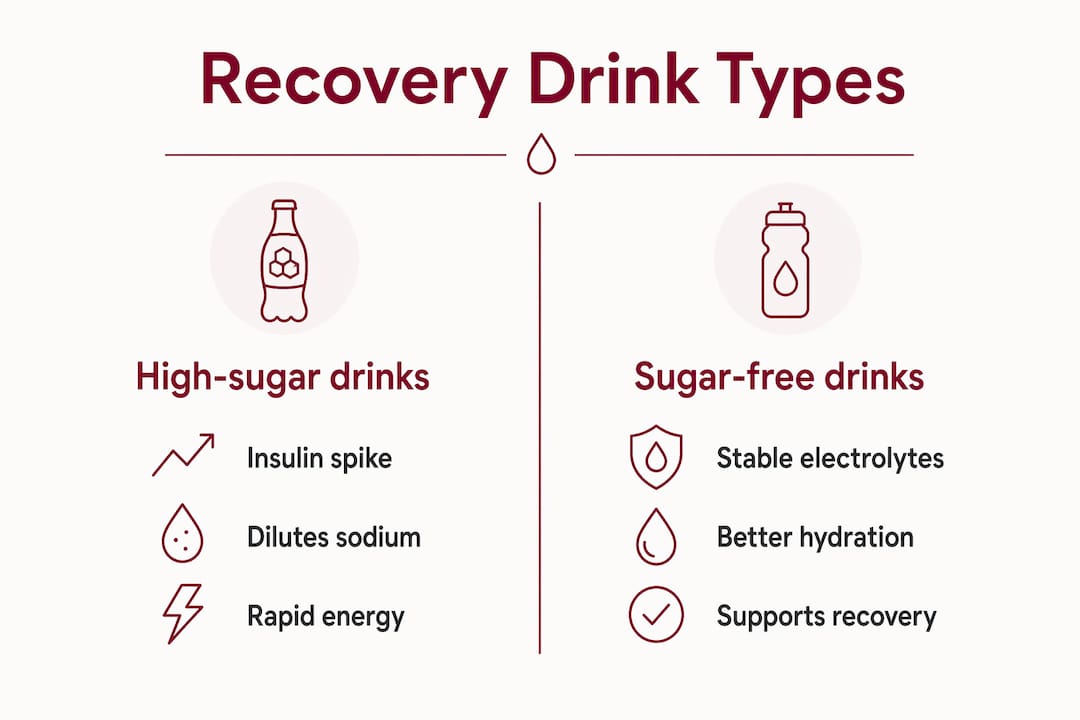
Drinking pure water after intense exercise dilutes blood sodium levels. That condition, called hyponatremia, causes muscle cramps, fatigue, and in severe cases, impaired cognitive function. A sugar-free electrolyte drink solves this by restoring mineral balance without spiking blood glucose.
The sugar problem in conventional sports drinks is real. High-sugar beverages trigger an insulin response that can interfere with fat oxidation during recovery. For athletes training twice a day or managing weight, that insulin spike adds up. No sugar sports drinks skip that cost entirely while still delivering the minerals your muscles need.
Here is how the two approaches compare across the metrics that matter most to athletes:
| Factor | High-sugar sports drinks | Sugar-free electrolyte drinks |
|---|---|---|
| Electrolyte delivery | Present but diluted by sugar | Concentrated, direct delivery |
| Caloric load | 80–150 kcal per serving | Near zero |
| Blood sugar impact | Significant spike | Minimal |
| Best use case | Endurance events over 90 min | Most training sessions |
| Gut comfort | Can cause bloating | Generally well tolerated |
The key takeaway: sugar in a recovery drink is only justified when glycogen depletion is severe, meaning workouts lasting well over 90 minutes at high intensity. For the majority of training sessions, sugar-free options perform equally well and carry fewer downsides.
What ingredients should a sugar-free recovery drink contain?
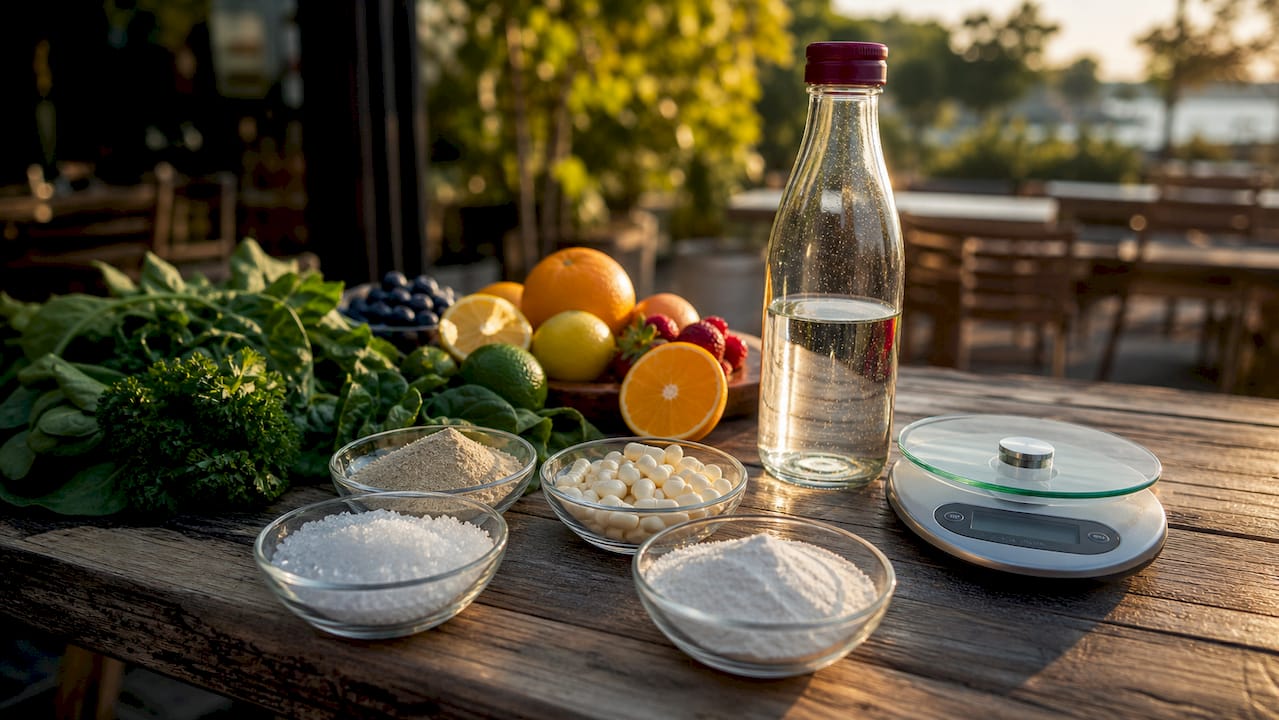
The best no sugar sports drinks are built around a specific set of minerals and vitamins. Each one plays a distinct role in how your body recovers.
Sodium is the most critical electrolyte for fluid retention. It pulls water into cells and keeps blood volume stable. Without adequate sodium, the fluids you drink pass through rather than hydrate. Potassium works alongside sodium to regulate muscle contractions and nerve signals. A deficiency shows up as cramping and weakness. Magnesium supports over 300 enzymatic reactions, including protein synthesis and energy production. Athletes who sweat heavily are the most likely to run low.
Pro Tip: If you notice a white, chalky residue on your training clothes after a session, that is salt crust from sodium loss. It is a reliable signal that your electrolyte needs are higher than average and that a targeted sugar-free drink belongs in your routine.
Beyond minerals, vitamins B6, B12, and C each contribute to recovery. B6 and B12 support red blood cell production and reduce fatigue at the cellular level. Vitamin C aids collagen repair in connective tissue, which matters after high-impact training.
Isotonic formulas match the concentration of blood plasma, which allows fluids and electrolytes to absorb faster than hypotonic or hypertonic drinks. For post-workout use, isotonic or slightly hypotonic drinks are the most practical choice.
One ingredient debate worth settling: artificial sweeteners versus natural flavors. Stevia and monk fruit extract are the most common natural options in sugar-free sports beverages. Both are well-tolerated by most athletes and do not trigger an insulin response. Synthetic sweeteners like sucralose and acesulfame-K are effective but carry more controversy around gut microbiome effects with long-term use. If gut health matters to you, natural sweeteners are the cleaner choice.
Effective recovery drinks also include branched-chain amino acids, glutamine, and low-glycemic carbohydrates when full recovery support is the goal. For purely hydration-focused products, the mineral profile alone is sufficient.
A benchmark to reference: specialized sugar-free electrolyte drinks provide around 557 mg of mixed electrolytes per 330ml serving. That concentration covers most athletes’ needs after a standard 60-minute session without any added sugar or calories.
How to choose or make your own sugar-free recovery drink
Reading a product label takes 60 seconds and tells you everything you need to know. Here is what to check:
- Total sugars: The label must show 0g or less than 1g per serving. “No added sugar” is not the same as zero sugar if the base contains fruit juice.
- Electrolyte content: Look for sodium (at least 200mg per serving), potassium (at least 100mg), and magnesium. Products that list only sodium are incomplete.
- Sweetener type: Identify whether the sweetener is stevia, monk fruit, sucralose, or acesulfame-K. Choose based on your gut tolerance.
- Artificial additives: Avoid artificial colors (Red 40, Yellow 5) and preservatives like sodium benzoate if you prefer a cleaner formula.
- Serving size: Some products list impressive electrolyte numbers but use a two-scoop serving that doubles the actual dose you need to track.
For athletes who prefer making their own, a simple homemade formula works well:
- 500ml water
- 1/4 teaspoon sea salt (sodium source)
- A squeeze of fresh lemon or lime (potassium and vitamin C)
- A small pinch of cream of tartar (additional potassium)
- Optional: a few drops of liquid stevia for flavor
This base covers sodium and potassium at a low cost. Adding a magnesium glycinate powder brings the mineral profile closer to a commercial product. The low-sugar drink alternatives category has expanded significantly, so commercial options with clean labels are now widely available if DIY is not your preference.
Pro Tip: Timing matters. Drink your sugar-free electrolyte drink within 30 minutes of finishing your session. That window is when cellular rehydration is most efficient and when electrolyte absorption rates are highest.
Quantities depend on session length and sweat rate. A 60-minute moderate session calls for 400–600ml of electrolyte drink. A 90-minute high-intensity session in heat may require 800ml or more. Thirst is a reasonable guide for most athletes, but do not rely on it alone in hot conditions.
How do sugar-free recovery drinks fit into your full post-exercise plan?
Healthy recovery drinks address hydration and minerals. They do not replace protein, carbohydrates, or sleep. Understanding that boundary prevents both over-reliance and under-use.
Swiss sports nutrition guidelines recommend consuming 1.0–1.2g of carbohydrates per kilogram of body weight after exercise to replenish muscle glycogen. Those carbohydrates should come from whole foods like rice, oats, or fruit. A sugar-free recovery drink handles the hydration side of that equation while whole foods handle the energy side.
The anabolic window is broader than most sports marketing suggests. Total daily protein and carbohydrate intake matters more than hitting an exact post-workout minute. That means a sugar-free electrolyte drink immediately after training, followed by a proper meal within one to three hours, covers the recovery window effectively for most athletes.
Sugar-free recovery drinks are most beneficial in these situations:
- Sessions lasting 60 minutes or more at moderate to high intensity
- Training in hot or humid conditions where sweat rate is elevated
- Two-a-day training blocks where calorie management matters
- Athletes with diabetes or insulin sensitivity who need to avoid glucose spikes
- Anyone who finds plain water insufficient but wants to avoid the calorie load of conventional sports drinks
The gold standard for recovery combines whole foods, quality sleep, and smart training management. Sugar-free electrolyte drinks are a targeted tool within that system, not a substitute for any part of it. Athletes who treat them as a supplement to good nutrition get the most benefit. Those who use them to replace meals or skip sleep do not.
Key Takeaways
Sugar-free electrolyte drinks outperform plain water and high-sugar sports drinks for most training sessions by restoring minerals without caloric cost or blood sugar disruption.
| Point | Details |
|---|---|
| Electrolytes over water | Plain water dilutes sodium after intense exercise; always use an electrolyte drink for sessions over 60 minutes. |
| Zero sugar is achievable | Products with 557mg+ mixed electrolytes per serving exist with no added sugar or calories. |
| Label reading is non-negotiable | Check for 0g sugar, at least 200mg sodium, potassium, and magnesium before buying. |
| Whole foods complete the picture | Sugar-free drinks handle hydration; carbs and protein from real food handle glycogen and muscle repair. |
| Timing is flexible | Drink within 30 minutes post-session, then eat a full meal within 1–3 hours for complete recovery. |
What I’ve learned from years of watching athletes hydrate wrong
The most common mistake I see is athletes treating recovery drinks as a reward rather than a tool. They reach for a sweet, brightly colored bottle because it feels like they earned it. That instinct is understandable, but it leads directly to products loaded with 30 grams of sugar that undo half the metabolic work of the session.
The second mistake is the opposite: drinking only water after hard training and wondering why cramps and fatigue persist. Pure water is not always the healthiest choice during or after long sessions. Electrolyte balance drives performance and recovery in ways that hydration volume alone cannot.
My honest recommendation for most athletes is straightforward. Build your recovery around real food and sleep first. Add a quality sugar-free electrolyte drink for sessions over 60 minutes or any session in heat. Do not overthink the timing beyond “drink it soon and eat within a few hours.” The athletes I have seen recover fastest are not the ones with the most elaborate supplement stacks. They are the ones who get the basics right consistently.
One thing worth noting for gut-health-focused athletes: fermented beverages like kombucha can complement a recovery routine by supporting digestion and microbiome balance. That is a different function from electrolyte replacement, but it matters for overall well-being and nutrient absorption.
— Luna
Aboocha and the case for lower-sugar recovery beverages
Athletes who care about what goes into their body deserve drinks that are honest about their ingredients.
Aboocha crafts kombucha beverages with lower sugar content and flavor profiles that go well beyond the standard sports drink aisle. Options like Sour Plum and Yuzu Osmanthus deliver a functional, gut-supporting drink without the sugar load that undermines recovery goals. For athletes looking to explore sugar-free drink options that also support digestion, Aboocha’s subscription plans make it easy to keep quality beverages on hand. The focus on natural ingredients and real flavor means you are not trading taste for health. You can also read more about what added sugar in drinks actually means before your next purchase.
FAQ
What makes a sports drink truly sugar-free?
A truly sugar-free sports drink contains 0g of added sugars and no fruit juice concentrates. Check the nutrition label for total sugars and the ingredient list for glucose, fructose, sucrose, or juice.
Are electrolyte drinks sugar-free by default?
No. Many commercial electrolyte drinks contain added sugars for taste and quick energy. Always read the label. Sugar-free electrolyte drinks are a specific category that explicitly excludes caloric sweeteners.
How much sodium should a post-workout drink contain?
A post-workout drink should provide at least 200mg of sodium per serving. Athletes with high sweat rates or visible salt residue on clothing may need 400mg or more per session.
Can I use a sugar-free recovery drink every day?
Yes, for athletes training daily. On rest days or after light sessions, plain water is sufficient. Reserve electrolyte drinks for sessions over 60 minutes or any training in heat.
Do sugar-free recovery drinks support muscle repair?
They support the hydration side of muscle repair by restoring electrolytes that regulate protein synthesis and nerve function. Muscle repair itself requires adequate protein from food, not from the drink.