
Fizzy drink options beyond sparkling water include probiotic-rich fermented beverages, fiber-enriched sodas, and naturally infused sparkling drinks that deliver far more than plain carbonation. The carbonated beverage alternatives market has expanded well past the seltzer aisle, giving health-conscious consumers and flavor enthusiasts a genuine range of choices. Fermented drinks like kombucha carry live cultures that support gut health, while functional sodas can pack up to 10g of fiber per 330ml serving. Aboocha sits at the center of this shift, crafting low-sugar, flavor-forward kombucha in profiles like Sour Plum and Yuzu Osmanthus that make the switch from plain sparkling water feel like an upgrade.
1. Fizzy drink options beyond sparkling water: what counts?
The term “fizzy drink” covers any beverage with dissolved carbon dioxide that creates bubbles. Carbonation can happen two ways: forced injection (as in commercial sodas and sparkling water) or natural fermentation, where microbes produce CO2 as a byproduct. Natural fermentation produces a softer, more complex bubble alongside live cultures, organic acids, and flavor compounds. That distinction matters because it separates beverages that are merely bubbly from those that are functionally different from sparkling water.
The main categories are fermented drinks (kombucha, water kefir), fiber-enriched functional sodas, and naturally flavored or infused sparkling beverages. Each category serves a different need. Fermented drinks target gut health. Fiber sodas address digestive regularity. Infused sparkling drinks satisfy flavor seekers who want to avoid artificial additives. Knowing which category fits your goal is the first step toward a better choice.
2. Kombucha: the fermented fizzy drink with the longest track record
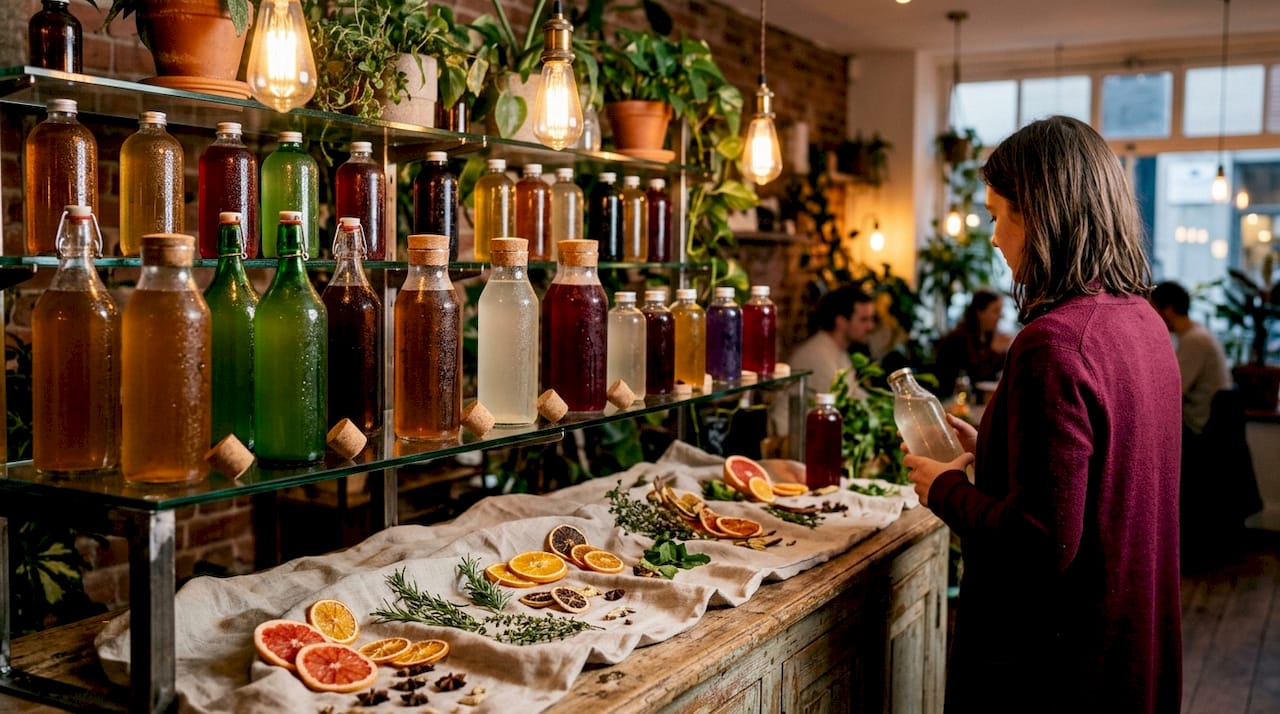
Kombucha is a tea-based fermented beverage produced by a SCOBY (symbiotic culture of bacteria and yeast). The SCOBY consumes sugar and releases CO2, organic acids, and B vitamins during fermentation. The result is a naturally carbonated drink with a tangy, complex flavor that plain sparkling water cannot replicate.
The health case for kombucha is grounded in fermentation science. Live cultures stabilize gut microbes and improve nutrient absorption, making kombucha a functional substitute for sugary sodas. Research shows that daily fermented food intake over six weeks reduces inflammatory protein markers by 25%. That is a measurable shift, not a marketing claim.
Flavor variety is one of kombucha’s strongest selling points. Brewers use seasonal ingredients like elderflower, hibiscus, turmeric, apple, mint, and cinnamon to create diverse flavor profiles that change throughout the year. Aboocha takes this further with profiles like Yuzu Osmanthus and Sour Plum, which are uncommon in the mainstream beverage market.
- Look for kombucha with live cultures listed on the label, not pasteurized versions.
- Choose products with under 5g of sugar per 100ml for a genuinely low-sugar option.
- Store kombucha refrigerated to keep live cultures active.
Pro Tip: Start with one small serving (around 120ml) per day if you are new to fermented drinks. Your gut microbiome needs time to adjust before you increase the amount.
3. Water kefir: a lighter fermented alternative
Water kefir is a grain-fermented beverage that uses water kefir grains instead of a SCOBY. The grains ferment sugar water, coconut water, or fruit juice, producing a lightly carbonated, mildly tangy drink. It is dairy-free, which makes it accessible to people who avoid milk-based kefir.
Water kefir tends to be milder in flavor than kombucha, which makes it a good entry point for people transitioning from plain sparkling water. The fermentation process is shorter (24–48 hours), so home brewing is practical. Consistent daily consumption of fermented beverages matters more than quantity for sustained probiotic benefits. A small glass of water kefir each day outperforms an occasional large serving.
For home brewers, grain hygiene is critical. Safe SCOBY and grain management prevents contamination and mold that can ruin a batch. Keep grains away from metal utensils, direct sunlight, and chlorinated water.
4. Fiber-enriched sodas: gut-friendly creative soda options
Fiber-enriched sodas are a newer category of functional carbonated drinks designed to support digestion. Unlike traditional sodas, which contain zero fiber, specialized fiber sodas can deliver 10g of fiber per 330ml serving. That is roughly one-third of the recommended daily fiber intake in a single can.
The fiber used in these drinks is typically soluble, meaning it feeds beneficial gut bacteria rather than passing through unused. This makes fiber sodas a meaningful upgrade over plain sparkling water for people focused on digestive health. Consumer demand for functional beverages has grown steadily, and fiber sodas now appear in health food stores and online retailers across the US.
Here is how fiber-enriched sodas compare to other common fizzy options:
| Drink type | Fiber content | Live cultures | Added sugar |
|---|---|---|---|
| Traditional soda | 0g | No | High |
| Sparkling water | 0g | No | None |
| Fiber-enriched soda | Up to 10g per 330ml | No | Low to none |
| Kombucha | 0g | Yes | Low |
| Water kefir | 0g | Yes | Low |
Fiber sodas do not contain live cultures, so they do not replace fermented drinks for probiotic benefits. They fill a different gap: digestive fiber support in a carbonated format that feels familiar to soda drinkers.
5. Naturally flavored and infused sparkling drinks
Naturally flavored sparkling drinks use fruits, herbs, and roots to add taste without artificial sweeteners or concentrates. The infusion method involves steeping botanicals in water before carbonation, which preserves delicate aromatic compounds. This approach gives you control over what goes into your glass.
Natural flavorings outperform artificial sweeteners for both ingredient transparency and flavor complexity. Common infusion combinations include cucumber and mint, ginger and lemon, hibiscus and rose, and berry with basil. These pairings create flavored fizzy drinks that satisfy the palate without loading up on sugar or synthetic additives.
For homemade versions, natural sweeteners can replace sugar. Erythritol is about 70% as sweet as sugar and produces a slight cooling sensation, while Stevia is more potent but turns bitter if overdosed. Liquid Stevia is the easiest format to measure accurately.
- Use fresh or dried botanicals rather than flavor extracts for cleaner taste.
- Carbonate after infusion, not before, to preserve volatile aromatic compounds.
- Pair tart fruits (lemon, hibiscus) with mild herbs (mint, basil) for balanced flavor.
Pro Tip: For a quick homemade flavored sparkling drink, try flavored simple syrups made from fresh fruit and herbs. Add a small amount to plain sparkling water for a no-additive fizzy drink in minutes.
6. Shrubs and drinking vinegars: the underrated bubbly beverage
Shrubs are concentrated syrups made from fruit, sugar, and vinegar. When mixed with sparkling water, they create a tangy, complex carbonated drink with a flavor profile unlike anything in the mainstream soda market. The vinegar base provides a natural preservative and a distinctive tartness that balances sweetness.
Drinking vinegars have roots in American colonial history and have returned as a craft beverage category. Apple cider vinegar-based shrubs are the most common, but shrubs made from balsamic, rice, or red wine vinegar each produce different flavor results. The acidity also supports digestion, making shrubs a functional choice alongside their flavor appeal.
Making shrubs at home requires only three ingredients and no fermentation equipment. A cold-process shrub (fruit, sugar, vinegar, left to macerate for 48 hours) produces a clean, bright syrup. Mix one to two tablespoons with 250ml of sparkling water for a unique bubbly beverage that takes minutes to prepare.
7. Herbal and botanical sparkling teas
Sparkling teas are brewed teas that have been carbonated, either naturally through fermentation or by forced CO2 injection. They occupy the space between kombucha and infused sparkling water, offering the depth of tea flavor with the lightness of carbonation. Hibiscus, chamomile, green tea, and rooibos all carbonate well.
Botanical sparkling teas are gaining traction among consumers who want caffeine control alongside flavor variety. Green tea-based sparkling drinks deliver a mild caffeine lift. Herbal versions like chamomile or lavender sparkling tea are caffeine-free and work well as evening alternatives to soda.
The flavor range is wide. A sparkling hibiscus tea tastes floral and tart. A sparkling ginger tea delivers heat and spice. Neither requires added sugar to be interesting, which makes them strong contenders for anyone reducing sugar intake while still wanting a satisfying carbonated drink.
8. How to choose the best fizzy drink alternative for your needs
Choosing the right carbonated beverage alternative depends on three factors: your health goal, your flavor preference, and your sugar tolerance. Each category of fizzy drink serves a different primary purpose.
For gut health, fermented drinks with live cultures are the strongest choice. Kombucha and water kefir both deliver probiotic bacteria that support gut microbiome balance. For digestive fiber support, fiber-enriched sodas fill the gap that fermented drinks do not cover. For flavor variety without health claims, naturally infused sparkling drinks and shrubs give the most creative range.
Sugar content is a key filter. Traditional sodas carry high sugar loads. Sparkling water has none but also offers no functional benefit. Low-sugar fermented drinks like Aboocha’s kombucha sit in the middle: functional, flavorful, and lower in sugar than conventional options. Checking the label for sugar per 100ml is the fastest way to compare products accurately.
Transitioning from plain sparkling water works best when you introduce one new category at a time. Start with a lightly flavored infused sparkling drink, then move toward fermented options as your palate adjusts to more complex flavors. Aboocha’s low-sugar fermented options are a practical starting point for that transition.
Key takeaways
The most effective fizzy drink alternatives combine carbonation with a functional benefit, whether that is live cultures, dietary fiber, or natural flavor complexity, making them a clear step beyond plain sparkling water.
| Point | Details |
|---|---|
| Fermented drinks lead on gut health | Kombucha and water kefir deliver live cultures that stabilize gut microbes and reduce inflammation. |
| Fiber sodas fill a unique gap | Specialized fiber sodas can provide up to 10g of fiber per serving, which sparkling water and kombucha do not offer. |
| Natural infusions beat artificial flavoring | Fruit and herb infusions produce complex flavor without additives, sweeteners, or synthetic concentrates. |
| Consistency matters more than quantity | Daily small servings of fermented drinks outperform occasional large amounts for sustained probiotic benefit. |
| Sugar content is the key comparison metric | Check labels for sugar per 100ml to accurately compare fizzy alternatives against each other and against plain sparkling water. |
What I have learned from ditching plain sparkling water
I switched from plain sparkling water to fermented and infused drinks about two years ago, and the most surprising thing was not the health improvement. It was how quickly my palate changed. Plain sparkling water started tasting flat and one-dimensional within a few weeks.
The gut health shift was real but gradual. I noticed less bloating and more consistent digestion after about six weeks of daily kombucha, which lines up with what the research on fermented food intake actually shows. The change did not happen overnight, and I think that is where most people give up too early.
The flavor side of this is underrated. Shrubs, sparkling teas, and infused drinks give you a creative outlet that plain sparkling water never will. I now keep a rotating selection rather than a single go-to drink. That variety keeps the habit sustainable in a way that a single “healthy drink” never managed to.
My honest advice: do not try to find one perfect alternative. Build a small rotation of two or three options that serve different moments. A morning kombucha, an afternoon infused sparkling drink, and an occasional shrub cocktail covers most situations without any of them feeling like a compromise.
— Luna
Aboocha’s approach to gut-friendly fizzy drinks
Aboocha crafts kombucha for people who want more from their fizzy drink than carbonation alone.
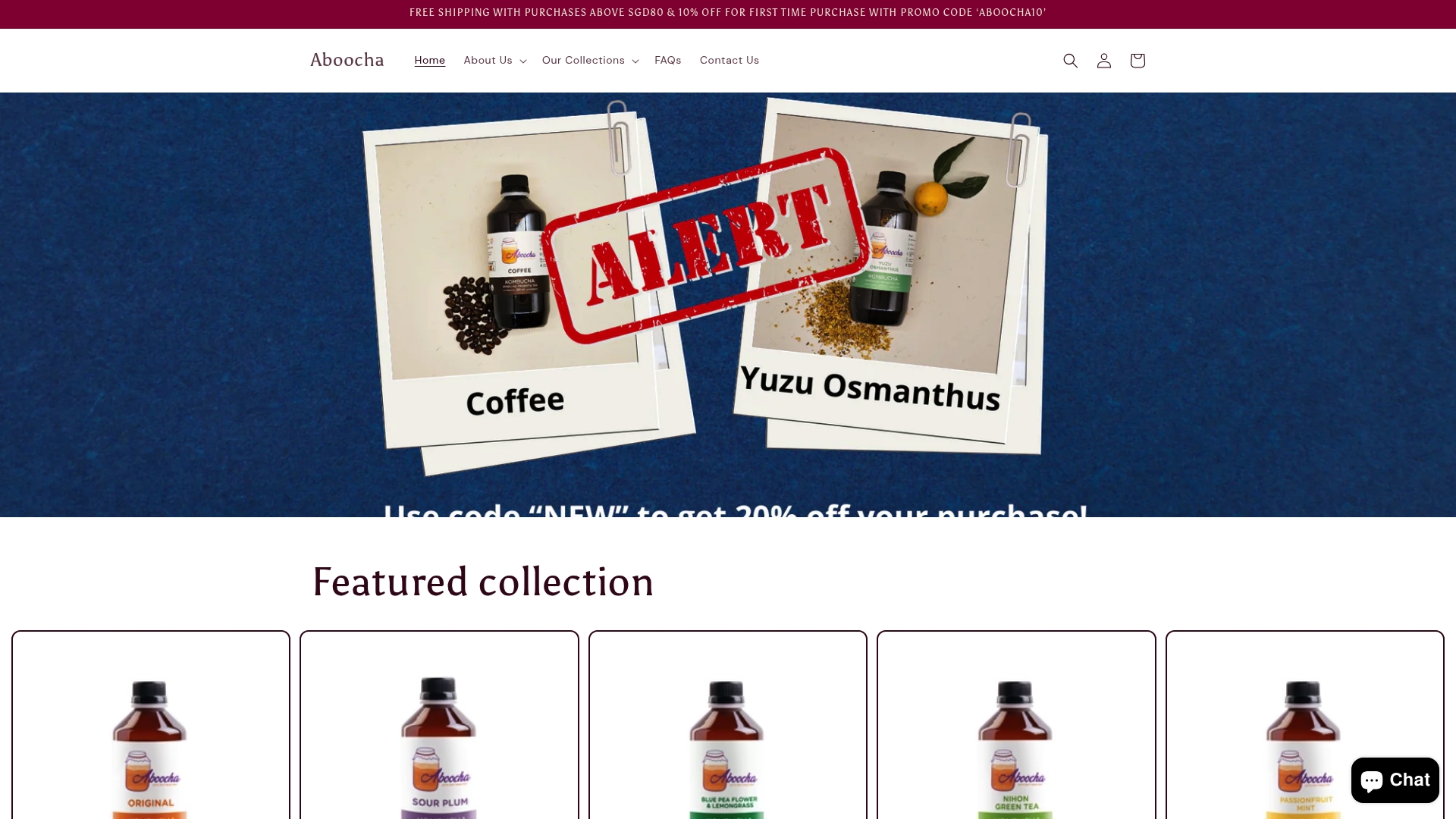
Every Aboocha kombucha is brewed with live cultures, kept low in sugar, and built around flavor profiles that go well beyond the standard ginger-lemon formula. Sour Plum and Yuzu Osmanthus are two examples of what happens when fermentation expertise meets genuine flavor creativity. If you are ready to move past plain sparkling water and want a fermented drink that delivers on both gut health and taste, browse Aboocha’s kombucha range to find the right fit. Subscription plans make it easy to keep a consistent daily supply, which is exactly what the research on probiotic consistency recommends.
FAQ
What are the best fizzy drinks for gut health?
Fermented drinks like kombucha and water kefir are the best fizzy options for gut health. They contain live cultures that stabilize gut microbes and reduce inflammatory markers with consistent daily consumption.
Are fiber-enriched sodas better than sparkling water?
Fiber-enriched sodas offer a functional advantage that sparkling water does not. Specialized versions can deliver up to 10g of fiber per 330ml serving, supporting digestive regularity without added sugar.
How do naturally infused sparkling drinks differ from flavored sodas?
Naturally infused sparkling drinks use real fruits, herbs, and roots with no artificial additives. Flavored sodas typically rely on synthetic concentrates and added sweeteners, which infused drinks avoid entirely.
Is kombucha a good alternative to soda?
Kombucha is a strong alternative to soda. It provides natural carbonation, live cultures, and complex flavor at a fraction of the sugar content found in traditional soft drinks.
How often should you drink fermented fizzy beverages?
Daily small servings produce better results than occasional large amounts. Consistent intake over time is what drives sustained gut microbiome benefits, according to fermentation research.