
A functional beverage is a nonalcoholic drink formulated to deliver a specific health or performance benefit beyond basic hydration or nutrition, whether that’s a probiotic kombucha aimed at digestion or an electrolyte mix built for recovery. Here’s the honest verdict: most of these products are marketing-forward, built to sound scientific more than to prove it. A minority have real clinical backing behind their specific ingredient, dose, and strain. The smart move is to treat them as a supplement to a solid diet, not a substitute for one.
That distinction matters because the European Food Safety Authority only permits health claims on food labels when they’re backed by scientific evidence, and the EU/Swiss regulatory space has approved a large number of such claims, mostly tied to vitamins and minerals. Plenty of trendy claims on beverage labels today haven’t cleared that bar. A peer-reviewed review available through PubMed Central makes a similar point about probiotics specifically: effects depend heavily on strain, dose, and how the product was processed, and single-serving commercial drinks often contain far fewer live organisms than what’s used in actual clinical trials. Industry coverage from FoodNavigator backs this framing too, describing functional beverages’ real appeal as convenience and ritual rather than proven medical outcomes.
Key Takeaways
Functional beverages deliver real, but often modest and dose-dependent, benefits, and reading the label carefully matters more than trusting the front-of-package claim.
| Point | Details |
|---|---|
| Definition matters | A functional beverage adds a specific health or performance benefit beyond hydration, but claims vary widely in strength. |
| Evidence is uneven | Electrolytes and caffeine have solid backing; probiotic and adaptogen claims depend heavily on strain, dose, and study design. |
| Sugar can cancel benefits | A single can with 20 to 24 grams of added sugar can approach the WHO’s daily added-sugar target on its own. |
| Read labels for real doses | Favor products listing exact CFU counts or milligram amounts over vague “proprietary blend” wording. |
| Treat it as a supplement, not a fix | Whole foods and consistent diet patterns matter more for gut and metabolic health than any single drink. |
| Aboocha fits the low-sugar, transparent model | Aboocha’s kombucha lineup, including Sour Plum and Yuzu Osmanthus, is formulated with lower sugar for regular gut-support rituals. |
Table of Contents
- What Are the Main Types of Functional Beverages?
- What Ingredients Show Up in Functional Beverages, and What Are They Supposed to Do?
- Do Functional Beverages Actually Work?
- What Health Risks and Label Red Flags Should You Watch For?
- How Do You Choose a Functional Beverage Worth Buying?
- Why Are Functional Beverages Growing So Fast?
- What Can Kombucha Teach You About Reading a Functional Beverage Label?
- How Should You Actually Use Functional Beverages?
- Try a Lower-Sugar Kombucha Built for a Real Gut-Support Ritual
- Sources
- FAQ
What Are the Main Types of Functional Beverages?
The category is broader than most shoppers realize, and the term “health drinks” gets applied loosely to products with very different jobs. Here’s how the major subcategories break down:
- Sports and electrolyte drinks promise faster hydration and mineral replacement during or after exercise.
- Energy and stimulant drinks promise a jolt of alertness, usually through caffeine plus supporting compounds.
- Probiotic and fermented drinks, like kombucha, promise digestive and gut microbiome support.
- Enhanced waters promise added vitamins, electrolytes, or antioxidants layered onto plain hydration.
- Botanical and adaptogen drinks promise stress relief, calm, or focus through herbal extracts.
- Plant milks and protein drinks promise muscle support, satiety, or a dairy-free nutrition boost.
- Fiber- or prebiotic-enriched sodas promise digestive support while mimicking a familiar soft-drink experience.
These categories overlap more than marketing copy suggests. An enhanced water with added electrolytes is functionally a sports drink in a different bottle, and a kombucha spiked with adaptogens is trying to do two jobs at once. Wikipedia’s overview of the category is a decent quick reference if you want to see how broadly the term gets used across the beverage aisle.
What Ingredients Show Up in Functional Beverages, and What Are They Supposed to Do?
Every functional beverage is built around an ingredient story. The question worth asking isn’t “does this ingredient have any research behind it,” but “does this product contain enough of it, in the right form, to matter.” Those are very different questions, and label copy rarely helps you tell them apart.
Probiotics are supposed to support gut bacteria diversity and digestion, but strain and dose drive the outcome far more than the word “probiotic” on the label. Prebiotic fiber is meant to feed existing gut bacteria rather than add new ones. Vitamins and minerals top up nutrient gaps, though most healthy diets already cover these without help. Adaptogens like ashwagandha and rhodiola are marketed for stress resilience, with evidence that’s promising in some human trials but still inconsistent. Caffeine and amino acids like taurine and L-theanine are added for alertness or a smoother energy curve. Electrolytes replace what’s lost through sweat. Apple cider vinegar is pitched for blood sugar and digestion support, usually at doses too small in RTD drinks to match the vinegar-shot studies it borrows credibility from. Mushroom extracts, like lion’s mane or reishi, are newer additions marketed for focus or immune support, with far less human trial data than the marketing suggests.

| Ingredient | Typical Dose in Commercial Drinks | Claimed Effect | Evidence Strength Note |
|---|---|---|---|
| Probiotics | Often under 1 billion CFU per serving | Digestive/gut support | Strain and dose specific; commercial counts often lower than clinical trial doses |
| Prebiotic fiber | 2 to 5 grams per serving | Feeds gut bacteria | Reasonably consistent evidence at adequate doses |
| Vitamins/minerals (B12, vitamin C) | Often a substantial percentage of daily value | Energy, immunity | Well established for actual deficiency; limited added benefit if diet is already sufficient |
| Adaptogens (ashwagandha, rhodiola) | Typical extract doses vary widely | Stress/energy support | Mixed results; dose and extract standardization vary widely |
| Caffeine | 40 to 200 mg per serving | Alertness | Well documented at effective doses; weak below roughly 40 mg |
| Electrolytes (sodium, potassium) | Varies widely by brand | Hydration/recovery | Solid evidence, especially after heavy sweating |
| Apple cider vinegar | Often under 1 tablespoon equivalent | Digestion, blood sugar | Doses in RTD drinks usually too small to match study amounts |
| Mushroom extracts | Common doses range broadly | Focus/immune support | Early-stage human evidence, largely unproven at RTD doses |
Pro Tip: Check probiotic drinks for an exact CFU count, not just the word “probiotic.” A meaningful dose in published research usually starts around 1 billion CFU and often runs into the tens of billions; if the label doesn’t give you a number, assume the dose is on the low end. For caffeine, 40 mg is roughly the amount in a cup of black tea, while 200 mg approaches a strong cup of coffee, so compare against something you already understand.
A 2023 Food Research study on formulation challenges explains why so many of these drinks end up with added sugar or stabilizers in the first place: fermented botanicals, vinegar, and bitter adaptogens are hard to make palatable without masking the flavor somehow, and sugar is the cheapest fix.
Do Functional Beverages Actually Work?
The honest answer: some do, for specific claims, at specific doses, and most don’t work as well as their marketing implies. That’s not a dodge. It’s the actual shape of the evidence once you sort claims by strength.
Well-supported or plausible with the right dose and strain:
- Electrolyte replacement after heavy sweating, which is one of the most consistently backed functional claims in the category.
- Caffeine’s effect on alertness at doses above roughly 40 mg, one of the best-studied stimulant effects in nutrition science.
- Specific probiotic strains at clinically tested doses for certain digestive symptoms, according to a nutrition review covering probiotic and functional ingredient research.
Partly supported:
- General “gut health” claims from RTD probiotic drinks, since a peer-reviewed review notes commercial CFU counts often fall well short of trial doses.
- Adaptogen-based stress or calm claims, where some human studies show benefit but results vary by extract and preparation.
- Fiber-enriched sodas for digestion, which can help at adequate fiber doses but often fall short of a meaningful gram count per serving.
Insufficient or unsupported:
- Vague “detox” or “immunity boost” claims with no named active ingredient or dose.
- Apple cider vinegar drinks promising meaningful blood sugar effects at RTD-level doses.
- Mushroom extract claims for cognitive performance, where human trial data remains thin.
Three patterns explain most of the weak evidence in this category: doses too low to match the research they’re based on, probiotic products that skip strain specificity even though strain drives the outcome, and studies built around a single dose or a short timeframe rather than sustained daily use. A separate PMC review on fermented foods and probiotics flags this same variability, which is a big part of why regulators stay cautious about approving broad health claims.
What Health Risks and Label Red Flags Should You Watch For?
Functional beverages are regulated as food, not medicine, and that distinction shapes everything about how their claims get policed. A foundational paper from Switzerland’s Federal Office for Food Safety lays out this food-versus-medicine boundary clearly: food safety rules govern hygiene, labeling accuracy, and ingredient safety, but they don’t require proof that a product treats or prevents disease. That’s exactly the gap EFSA’s health claims system is designed to close, by requiring scientific substantiation before a company can say a product “supports immunity” or “improves digestion” in specific, regulated language.
Here’s what to look for on a label before you believe the front-of-package promise:
- Vague wording like “detox,” “cleanse,” or “boosts wellness” with no named ingredient or mechanism behind it.
- Undisclosed active ingredient amounts, especially for probiotics, caffeine, or adaptogens.
- “Proprietary blend” labeling that hides exact milligram or CFU amounts.
- High added sugar dressed up next to a health claim on the same label.
- Undisclosed total stimulant content when a drink combines caffeine with other stimulant compounds.
- Pasteurization or processing details left out entirely, which matters most for probiotic and fermented drinks.
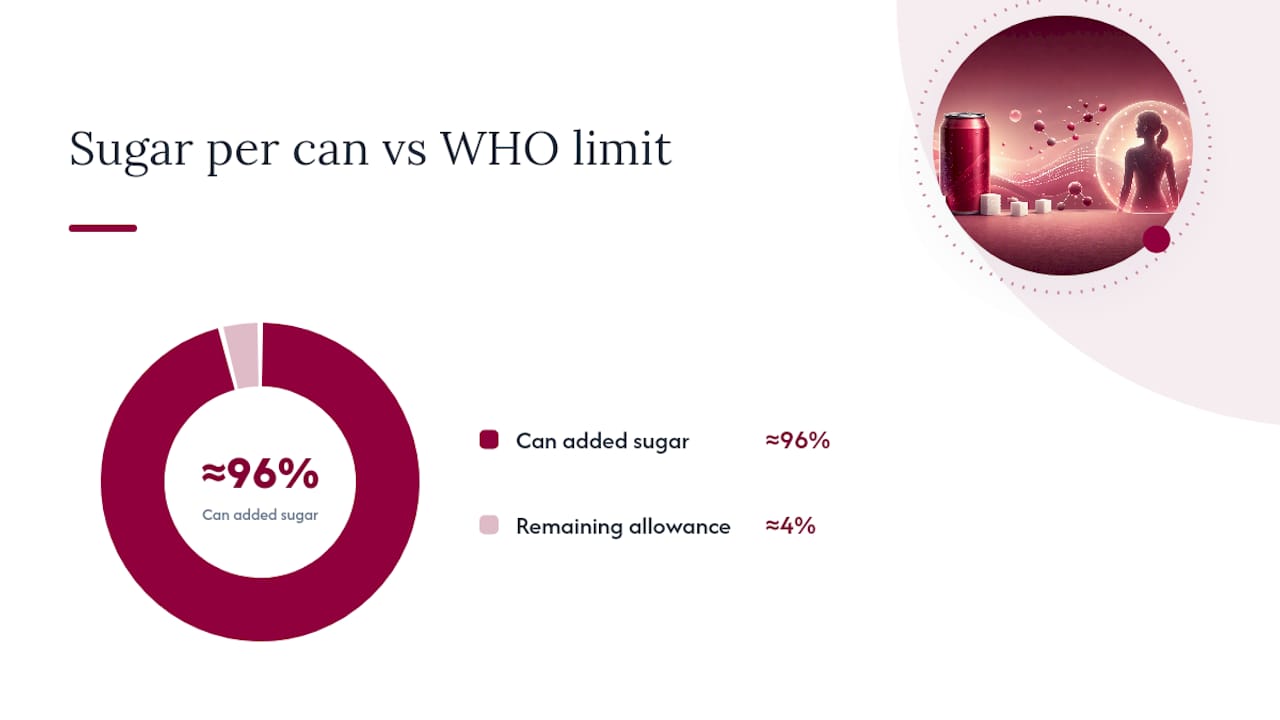
Sugar deserves its own callout, because it’s the most common way a “health” drink undercuts itself. A typical 12-ounce functional soda with 24 grams of added sugar contains close to the entire daily added-sugar allowance the World Health Organization recommends for an adult on a 2,000-calorie diet, which caps added sugar around 25 grams for the stricter 5% target. One can, and you’re already near the ceiling before lunch. Consumer press covering the functional soda trend makes the same point: marketing has outpaced the actual formulations in a lot of cases, and plenty of these drinks lean on sugar to make bitter functional ingredients palatable.
How Do You Choose a Functional Beverage Worth Buying?
Reading a functional beverage label well takes about thirty seconds once you know what to check. Run through this before you buy:
- Serving size: Confirm the nutrition panel reflects the whole bottle, not a fraction of it, since some brands split servings to make sugar numbers look smaller.
- Active ingredient amounts: Look for exact milligram or CFU numbers rather than a proprietary blend disclaimer.
- Sugar and sweeteners: Check grams of added sugar against your daily target, and note whether sugar alcohols or artificial sweeteners are used instead.
- Ingredient transparency: Favor brands that name their probiotic strain or extract source specifically, not just the ingredient category.
- Third-party testing or CFU counts: For probiotic drinks, a stated CFU count and strain name is a stronger signal than a general “live cultures” claim.
- Preservative and additive flags: Note whether pasteurization has killed live cultures, since a “probiotic” claim on a pasteurized product is misleading.
- Total stimulant load: Add up caffeine from every source in the drink if you’re also consuming coffee or tea that day.
Quick math example: a 330 ml can listing 20 grams of added sugar delivers about 80% of the WHO’s stricter 25-gram daily added-sugar target in a single serving, before you’ve eaten a meal. That’s worth knowing before you assume a “health drink” fits neatly into a low-sugar day.
If you’re pregnant, feeding a child, or taking medication that interacts with stimulants (certain blood pressure or thyroid medications, for instance), talk to a healthcare provider before adding a new functional beverage to a daily routine, since caffeine and herbal extracts can interact with existing conditions or prescriptions in ways a label won’t flag.
Why Are Functional Beverages Growing So Fast?
The category’s growth traces back to a handful of consistent consumer behaviors rather than any single breakthrough ingredient. Convenience and ritual top the list: a single-serve drink that promises calm, focus, or gut support fits into a daily routine far more easily than a supplement regimen. Formulators are also chasing lower-sugar recipes as shoppers grow more sugar-literate, and transparent, clean-label formatting has become a competitive differentiator rather than a niche preference.
Personalization is reshaping the category too, with brands targeting narrower outcomes like sleep, focus, or gut health instead of a generic “wellness” pitch. Sustainability and natural sourcing show up increasingly in ingredient lists, echoing a broader consumer shift toward seasonal, minimally processed ingredients across food categories generally. Ready-to-drink fermentation, kombucha especially, has become one of the fastest-growing subcategories as shoppers look for gut support that also tastes interesting.
FoodNavigator’s coverage of this space describes a market where clinical-backed formulation is becoming a genuine differentiator rather than a marketing afterthought, as more brands compete on verifiable ingredient claims instead of vague wellness language. Formulation science itself is catching up too. Guides on nutraceutical formulation increasingly emphasize dosing accuracy and stability testing, which matters directly for whether a functional beverage’s active ingredients survive shelf life and reach your glass intact.
What Can Kombucha Teach You About Reading a Functional Beverage Label?
Kombucha is a fermented tea made with a bacteria and yeast culture, and it’s one of the most recognizable functional beverages on shelves today, which makes it a useful test case for everything covered above. It’s typically marketed for gut support, and that claim has some real basis: fermentation produces live cultures and organic acids that can plausibly support digestion. But realistic expectations matter here. One bottle a few times a week is a modest, occasional contribution to gut health, not a fix for a poor overall diet, and the strain and dose caveats that apply to probiotics generally apply just as much to kombucha specifically.
When you’re checking a kombucha label, look for:
- CFU information, if listed, since many kombucha brands skip this number entirely.
- Sugar per serving, because fermentation consumes some sugar but bottlers often add more back in for flavor.
- Acidity and vinegar notes, which affect both taste and how the drink sits with sensitive stomachs.
- Fermentation method, since traditional long-ferment kombucha differs meaningfully from quick-fermented versions.
- Pasteurized versus unpasteurized, because pasteurization kills the live cultures that justify the gut-health claim in the first place.
This is exactly the gap Aboocha was built to close: unpasteurized, lower-sugar kombucha in flavors like Sour Plum and Yuzu Osmanthus, designed so the fermentation and flavor work together instead of masking one with the other. If you’re building a regular kombucha habit, a subscription delivery option is worth checking for convenience once you’ve decided the category fits your routine.
How Should You Actually Use Functional Beverages?
My take, after going through the evidence category by category: functional beverages work best as occasional, targeted tools, not daily foundations. If you’re dehydrated after a workout, an electrolyte drink earns its place. If you like the tang and light lift of a well-made kombucha a few times a week, that’s a reasonable, low-risk habit. What doesn’t hold up is expecting a bottle to compensate for a diet that’s otherwise short on fiber, vegetables, and sleep.
Whole foods do more heavy lifting for gut and metabolic health than any single RTD drink, and the label-reading habits covered here (checking for exact doses, named strains, and sugar content) matter more than which specific brand you choose. If you have an existing health condition or take medication, treat any strong beverage claim with skepticism and check with a healthcare provider before making it a daily habit.
Try a Lower-Sugar Kombucha Built for a Real Gut-Support Ritual
If you’ve read this far, you already know the label-reading habits that separate a meaningful functional beverage from a marketing exercise: named strains, real dose numbers, and sugar that doesn’t cancel out the benefit. Aboocha applies that same standard to its own kombucha, formulated with lower sugar content than conventional kombucha and flavor profiles like Sour Plum and Yuzu Osmanthus built to make the fermentation taste intentional rather than masked.
If a regular gut-support habit appeals to you, a subscription plan makes it easy to keep a rotation of flavors on hand without reordering every time you run out. Visit the Aboocha site to browse current flavors and see what a subscription delivery schedule looks like for your routine. This article is for general information and isn’t medical advice. If you have a digestive condition or take medication, check with a healthcare provider before adding a new fermented beverage to your routine.
Sources
FAQ
Do functional beverages actually work?
Some do, for specific claims at specific doses, like electrolyte replacement after sweating or caffeine’s effect on alertness. Many broader claims, especially around probiotics and adaptogens, depend heavily on strain, dose, and study design, and commercial products often fall short of the amounts used in clinical research.
What are examples of functional food or beverage?
Common examples include kombucha and other probiotic drinks, electrolyte and sports drinks, enhanced waters, adaptogen-infused botanical drinks, plant milks, protein drinks, and fiber-enriched sodas.
Are functional beverages regulated the same way as medicine?
No. They’re regulated as food, meaning safety and labeling rules apply, but companies don’t need to prove disease-treatment claims the way medicines do. Regulators like EFSA still require scientific support before allowing specific health claims on labels.
How much sugar is too much in a functional drink?
A single 12-ounce can with 20 to 24 grams of added sugar can use up most of the WHO’s daily added-sugar target on its own, which can offset whatever functional benefit the drink is marketed for.
Is kombucha a good example of a functional beverage worth trying?
Yes, with realistic expectations: unpasteurized kombucha with live cultures can offer modest gut support, but checking sugar content and fermentation details on the label matters more than the “kombucha” label alone. Lower-sugar options like Aboocha’s Sour Plum and Yuzu Osmanthus are built with that label transparency in mind.