
What is sour fermentation science in kombucha?
Sour fermentation is the biochemical process where a SCOBY (Symbiotic Culture of Bacteria and Yeast) converts sweetened tea into a tangy, acidic drink rich in organic acids. The science behind it is more layered than simple pickling or vinegar-making.
Here is what actually happens:
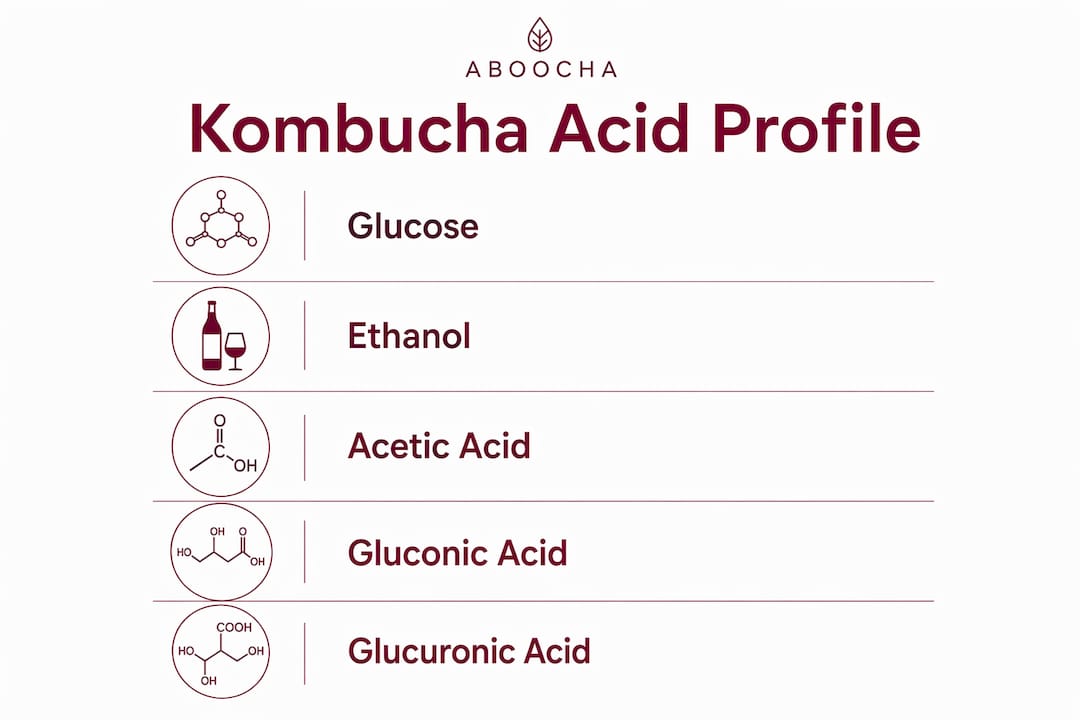
- Yeast breaks sucrose into fructose and glucose, then ferments those into ethanol and carbon dioxide
- Acetic acid bacteria (AAB) oxidize that ethanol into acetic acid, which drives the pH down and creates the signature sour taste
- AAB also convert glucose into gluconic and glucuronic acids, adding depth to the acid profile
- Lactic acid bacteria contribute smaller amounts of lactic acid, rounding out the flavor
- The result: ethanol content of 0.1–2% by volume and a pH that drops well below the starting tea infusion
Aboocha applies this science deliberately, crafting kombucha with lower sugar and a carefully managed acid profile across flavors like Sour Plum and Yuzu Osmanthus.
How the sour fermentation process works at a deeper level
The microbial community driving it all
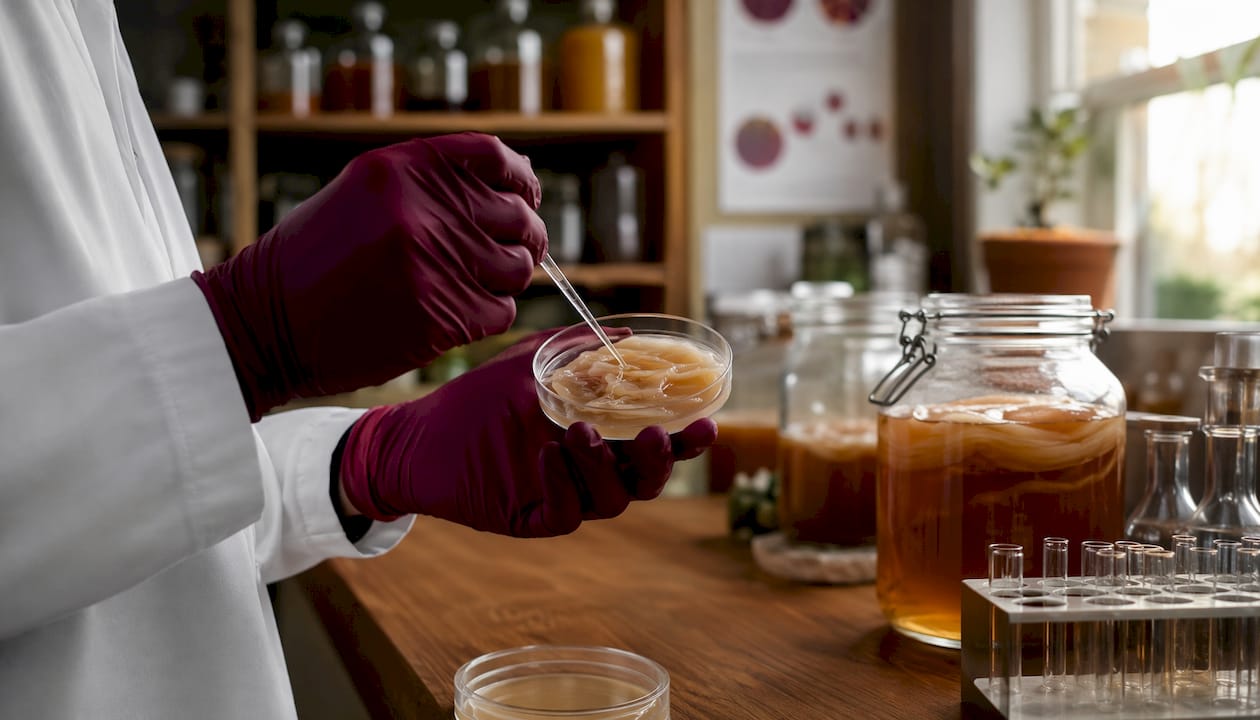
The SCOBY is not a single organism. It hosts species like Komagataeibacter xylinus, Acetobacter variants, and yeasts including Saccharomyces and Zygosaccharomyces. These microbes operate in a division of labor: yeast handles anaerobic sugar conversion, while AAB and yeast interactions dictate fermentation speed and the final acid balance. Neither group works in isolation.
Key organic acids and what they do
| Acid | Produced by | Primary role |
|---|---|---|
| Acetic acid | AAB | Sourness, antimicrobial effect |
| Gluconic acid | AAB | Mild tartness, flavor depth |
| Glucuronic acid | AAB/yeast | Bioactive compound, pH reduction |
| Lactic acid | LAB | Soft acidity, mouthfeel |
These acids lower pH and provide mild antimicrobial protection, which is why properly fermented kombucha resists spoilage without preservatives.
Production parameters that shape the sour profile
Fermentation temperature between 18–26°C over 7–14 days is the accepted optimal range. Oxygen access matters just as much. A higher surface area-to-volume ratio accelerates AAB activity, boosting gluconic acid production and overall sourness. A 9-day solid inoculum with an optimized vessel produces measurably higher beneficial acid levels than a liquid-only starter.
Pro Tip: If your kombucha tastes flat and sweet rather than tart, the vessel geometry is often the culprit. A wider, shallower container gives AAB better oxygen access and speeds up acidification.
Health claims: what Swiss science actually says
Experts at VLB Berlin are clear: kombucha influences the microbiome and metabolism, but human clinical evidence remains thin. The Verbraucherzentrale classifies kombucha as a refreshing beverage, not a medicinal product. Treat it as a cultured ferment with genuine complexity, not a cure.
Swiss regulations require that any kombucha exceeding 1.2% alcohol by volume carry a labeled alcohol declaration. Commercial sugar content averages 5g per 100ml but varies widely. Raw kombucha retains live cultures but requires refrigeration; pasteurized versions are shelf-stable but microbe-free. Understanding that trade-off matters when you choose a product. Sour fermentation in kombucha also differs from wine fermentation in that acetic acid bacteria play the dominant flavor role, whereas wine relies primarily on yeast-driven ethanol production.
Aboocha brings sour fermentation science to your glass
Aboocha takes the controlled fermentation approach that VLB Berlin and academic researchers advocate and applies it to flavors most kombucha brands never attempt. Lower sugar content means the acid profile comes through cleanly, without sweetness masking the complexity. Sour Plum and Yuzu Osmanthus are not novelty flavors; they reflect deliberate acid management at every fermentation stage. Browse Aboocha’s full range and subscription options at aboocha.com to find the right fit for your gut health goals.
Key Takeaways
Sour fermentation science in kombucha is a SCOBY-driven biochemical process that converts sweetened tea into an acid-rich beverage with ethanol levels generally below a few percent and a pH well below the starting infusion.
| Point | Details |
|---|---|
| Core process | SCOBY converts sugar to ethanol, then to acetic, gluconic, and glucuronic acids |
| Ethanol and pH | Ethanol ranges 0.1–2% by volume; pH drops significantly during fermentation |
| Optimal conditions | Ferment at 18–26°C for 7–14 days; wider vessels accelerate acid production |
| Swiss regulatory stance | Kombucha is classified as a refreshing beverage; alcohol labeling required above a low regulatory limit |
| Aboocha’s approach | Careful fermentation and sugar management deliver clean acid profiles in flavors like Sour Plum and Yuzu Osmanthus |
FAQ
What bacteria drive sour fermentation in kombucha?
Acetic acid bacteria, primarily Komagataeibacter and Acetobacter species, convert ethanol into acetic acid and glucose into gluconic acid, creating kombucha’s characteristic sourness.
Is kombucha recognized as a health product in Switzerland?
No. Swiss consumer authorities and VLB Berlin experts classify kombucha as a refreshing beverage. Human clinical evidence for its health claims remains insufficient as of 2026.
How does fermentation time affect sourness?
Longer fermentation produces more acetic acid and a lower pH, shifting the flavor from lightly fruity toward vinegar-like. The 7–14 day window balances tartness with drinkability.
Does pasteurization affect sour fermentation benefits?
Pasteurization eliminates live yeast and bacteria, removing any probiotic potential while preserving shelf life. Raw kombucha retains live cultures but requires refrigeration.