
Consistent probiotic intake is defined as the daily replenishment of live beneficial microorganisms to sustain gut microbiome balance and support digestion, immunity, and systemic health. Probiotics do not permanently colonize the gut. They act as transient residents, which means stopping intake quickly erodes their benefits. The World Health Organization defines probiotics as live microorganisms that, when administered in adequate amounts, confer a health benefit on the host. Understanding why consistent probiotic intake matters is the first step toward building a gut health routine that actually works. Aboocha’s fermented kombucha beverages offer one practical, flavor-forward way to make that daily habit stick.
Why consistent probiotic intake matters: the science behind daily use
Probiotics work by competing with harmful pathogens, reinforcing the intestinal barrier, and stimulating anti-inflammatory cytokines. That last function is especially significant. Chronic low-grade inflammation drives conditions from irritable bowel syndrome to metabolic disorders, and probiotics help keep it in check. They also synthesize B-complex vitamins and Vitamin K2 while lowering intestinal pH to create an environment where harmful bacteria struggle to survive.
The critical detail most people miss is that probiotics are transient gut guests. They do not take up permanent residence. Once you stop consuming them, their population in the gut drops within days. That biological reality is the core reason daily intake matters far more than occasional use.
Specific strains deliver specific benefits. Certain Lactobacillus and Bifidobacterium strains break down complex nutrients and produce digestive enzymes that reduce bloating and gastrointestinal discomfort. Strain selection is not trivial. A probiotic product that works well for one person may do little for another because individual microbiome composition varies significantly.

The gut-brain axis adds another layer of importance. The microbiome communicates directly with the brain through neural, hormonal, and immune pathways. Maintaining probiotic intake supports this axis and contributes to mood stability, mental clarity, and immune resilience. The benefits of daily probiotics extend well beyond the digestive tract.
Pro Tip: Pair your probiotic source with a prebiotic food at the same meal. Prebiotic fibers like inulin, found in garlic, onions, and leeks, fuel the beneficial bacteria you are introducing, multiplying their effect.
What lifestyle and dietary factors influence probiotic effectiveness?
Diet quality determines how much work probiotics can actually do. A fiber-rich, varied plant-based diet fuels probiotic bacteria and promotes microbial diversity. Without adequate dietary fiber, beneficial bacteria have little to feed on, and their populations decline regardless of how consistently you consume probiotics.
Processed foods present a direct threat. Emulsifiers like polysorbate 80 can dismantle the protective mucus layer lining the gut wall. That layer is the first line of defense for your microbiome. When it degrades, probiotic bacteria lose their foothold and harmful bacteria gain ground. Cutting back on ultra-processed foods is not optional if you want probiotic intake to deliver results.
Physical activity and sleep quality also shape the microbiome. Stress and poor sleep disrupt gut permeability and microbiota composition, directly counteracting the gains from probiotic intake. This is not a minor side effect. Dysbiosis triggered by chronic stress can undo weeks of consistent probiotic use.
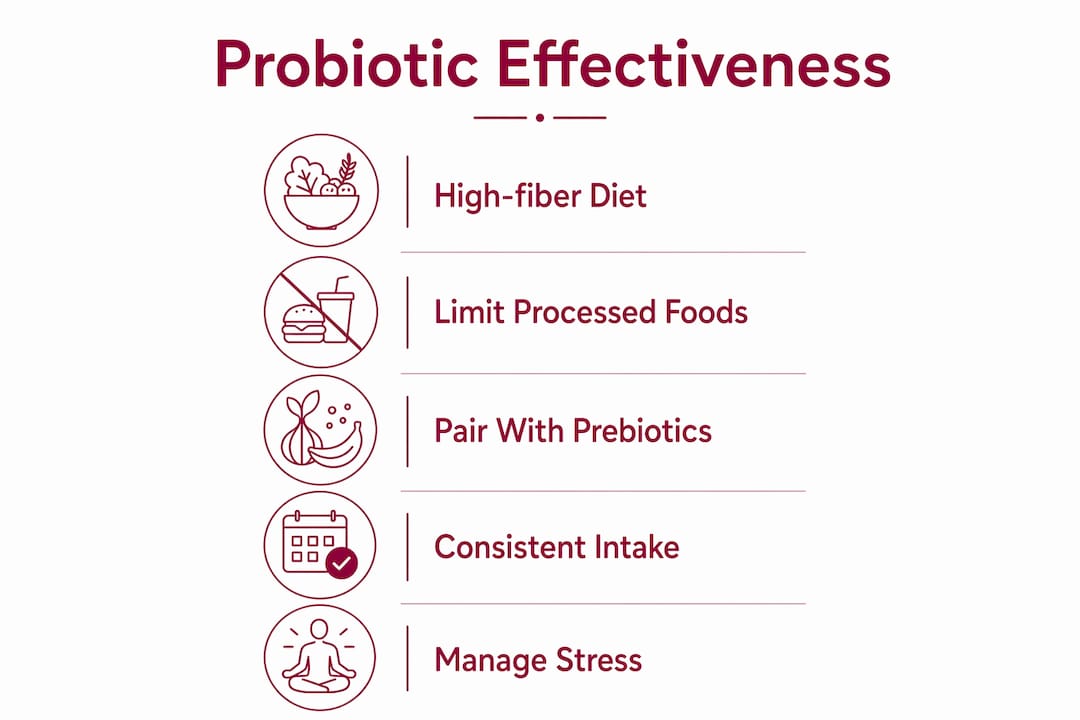
The practical takeaway is that probiotics work best inside a supportive environment. Here are the four lifestyle pillars that determine how well your probiotic routine performs:
- Eat more fiber. Aim for a wide variety of vegetables, legumes, and whole grains daily. Variety matters as much as quantity.
- Reduce ultra-processed foods. Emulsifiers and artificial additives impair the gut mucus layer that probiotics depend on.
- Prioritize sleep. Seven to nine hours of quality sleep supports microbiome resilience and reduces dysbiosis risk.
- Manage stress actively. Regular physical activity, breathing practices, and adequate rest all protect gut permeability.
Pro Tip: Think of your gut microbiome as a garden. Probiotics are the seeds, but fiber is the water and sunlight. Without the right conditions, even the best seeds will not grow.
How do you build a consistent probiotic intake routine?
Rotating probiotic sources is the single most effective strategy for maximizing bacterial strain diversity. Variety over quantity is the golden rule for gut health. Relying on one fermented food or one supplement brand limits the range of strains you introduce. Rotating between kombucha, yogurt, kefir, kimchi, miso, and sauerkraut delivers a broader spectrum of beneficial bacteria than any single source can provide.
Strategic supplementation fills the gaps that food alone cannot cover. Probiotic supplementation works best when timed around antibiotic therapy, illness, or high-stress periods. After a course of antibiotics, the gut microbiome can take weeks to recover. A targeted probiotic supplement during and after that period accelerates recovery. Using supplements as a daily baseline replacement for a varied diet, however, misses the point.
Prebiotic pairing is non-negotiable for long-term results. Prebiotic fibers like inulin and pectin fuel beneficial bacteria and are vital counterparts to probiotic intake. Foods rich in these fibers include chicory root, Jerusalem artichokes, apples, and oats. Consuming them alongside your probiotic source gives the bacteria the fuel they need to establish and maintain a presence.
Practical barriers to consistency are real. Forgetfulness and cost are the two most common reasons people abandon probiotic routines. Here are direct solutions:
- Anchor probiotics to an existing habit. Drink kombucha with lunch or take a supplement with your morning coffee. Habit stacking removes the need for willpower.
- Keep fermented foods visible. Store kombucha or yogurt at eye level in the refrigerator. Out of sight genuinely means out of mind.
- Choose subscription options. Regular delivery removes the friction of remembering to reorder. Aboocha’s subscription plans make this straightforward.
- Rotate flavors to prevent boredom. Flavor fatigue is a real barrier. Aboocha’s Sour Plum and Yuzu Osmanthus varieties make the daily habit something to look forward to rather than a chore.
The table below compares two common approaches to daily probiotic intake by effort level and strain diversity:
| Approach | Effort level | Strain diversity | Best for |
|---|---|---|---|
| Single daily supplement | Low | Limited to labeled strains | Post-antibiotic recovery, travel |
| Rotating fermented foods | Moderate | High, multiple strain families | Long-term microbiome diversity |
The science on fermented drinks confirms that rotating sources outperforms single-source supplementation for microbiome diversity over time.
What are the potential risks and considerations with probiotic use?
Probiotics are generally safe for healthy adults. Minor digestive discomfort, including gas and bloating, can occur during the first one to two weeks as the gut microbiome adjusts. This typically resolves on its own and is not a reason to stop.
Certain groups need to exercise caution. People with compromised immune systems, including those undergoing chemotherapy or living with HIV, should consult a physician before starting any probiotic regimen. In rare cases, probiotic bacteria can enter the bloodstream in immunocompromised individuals, causing serious infection.
Strain selection matters more than most product labels suggest. No single probiotic strain addresses every gut health concern. Lactobacillus rhamnosus GG has strong evidence for reducing antibiotic-associated diarrhea, while Bifidobacterium longum shows benefits for IBS symptoms. Choosing a product based on the specific strains it contains, rather than general marketing claims, produces better outcomes.
Product quality varies widely across the market. Key factors to evaluate include:
- Colony-forming unit (CFU) count. A product must deliver a sufficient number of live bacteria to the gut to have any effect.
- Strain viability at expiration. CFU counts on labels often reflect production date, not shelf life. Check whether the label guarantees viability through the expiration date.
- Survival through stomach acid. Probiotic strains must survive stomach transit to reach the gut and provide any benefit. Enteric-coated capsules or naturally acid-resistant strains perform better here.
- Storage requirements. Some strains require refrigeration to remain viable. Room-temperature storage of a refrigeration-required product can render it ineffective.
Key Takeaways
Consistent daily probiotic intake, combined with a fiber-rich diet and stress management, is the most effective strategy for sustained gut microbiome health and systemic wellness.
| Point | Details |
|---|---|
| Probiotics are transient | They do not colonize permanently, so daily replenishment is required to maintain benefits. |
| Strain diversity beats single sources | Rotating fermented foods delivers a broader bacterial spectrum than any one supplement. |
| Diet quality determines results | Emulsifiers and processed foods undermine probiotic effectiveness regardless of intake consistency. |
| Lifestyle factors are non-negotiable | Poor sleep and chronic stress trigger dysbiosis that directly counteracts probiotic gains. |
| Strategic supplementation fills gaps | Use targeted supplements after antibiotics, illness, or high-stress periods for best results. |
What I have learned from years of watching gut health routines succeed and fail
The most common mistake I see is treating probiotics as a standalone fix. People add a daily kombucha or capsule to an otherwise unchanged routine and expect transformation. That is not how the gut works. The microbiome is a living ecosystem, and probiotics are one input among many.
What actually moves the needle is the combination. Consistent probiotic intake paired with dietary fiber, reduced processed food, adequate sleep, and stress management produces results that no single intervention can match. I have watched people report clearer thinking, steadier energy, and fewer digestive flare-ups within four to six weeks of committing to the full picture, not just the probiotic piece.
The mood and energy connection surprises most people. The gut-brain axis is not a metaphor. Microbiome shifts genuinely affect neurotransmitter production and systemic inflammation, both of which influence how you feel day to day. That is why I think of gut health as a systemic investment, not a digestive fix.
My honest advice: start with one fermented food you actually enjoy. Consistency beats perfection. A daily Aboocha kombucha you look forward to drinking outperforms a supplement you forget to take. Build from there, rotate your sources, and give the process at least eight weeks before judging results.
— Luna
Aboocha makes daily probiotic intake easy and worth looking forward to
Building a consistent probiotic routine is straightforward when the product itself is something you genuinely want to consume. Aboocha crafts kombucha with lower sugar content and flavor profiles that stand apart from standard options. Sour Plum and Yuzu Osmanthus are not novelty flavors. They are carefully developed to make the daily habit feel like a treat rather than a health obligation.
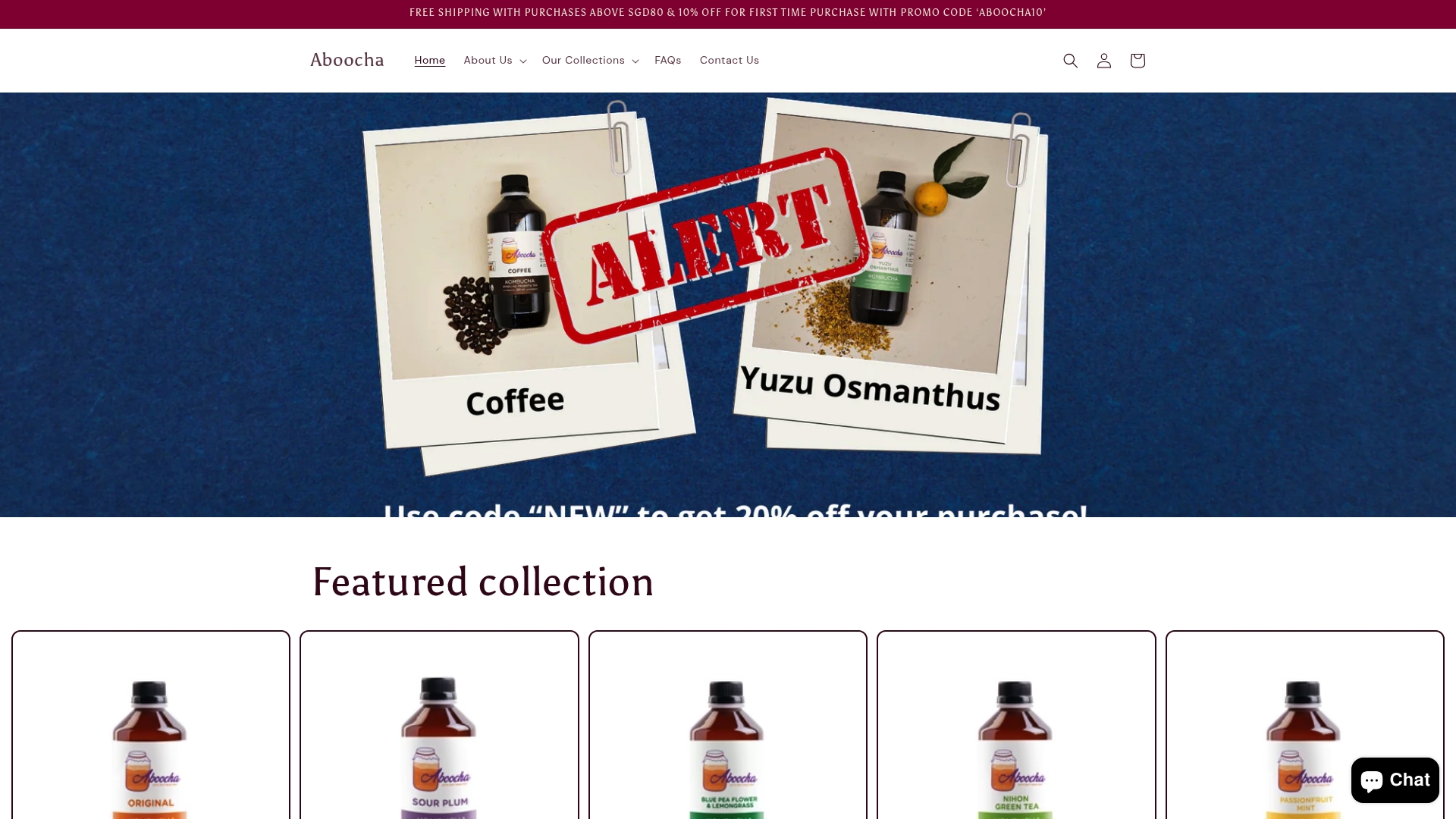
Aboocha’s product bundles are designed specifically for people who want variety and consistency without the friction of reordering. Each bundle delivers a rotating selection of strains and flavors, which directly supports the diversity-over-quantity principle that gut health research endorses. For workplaces looking to support team wellness, Aboocha’s corporate pantry program makes probiotic access a daily default rather than an individual effort.
FAQ
What happens if you stop taking probiotics daily?
Probiotic populations in the gut drop within days of stopping intake because these bacteria do not permanently colonize the gut. Benefits like improved digestion and immune support diminish without consistent replenishment.
How long does it take to see benefits from daily probiotics?
Most people notice digestive improvements within two to four weeks of consistent intake. Systemic effects on mood, energy, and immunity typically become apparent after six to eight weeks of daily use combined with dietary support.
Are fermented drinks like kombucha as effective as probiotic supplements?
Fermented drinks deliver live bacterial strains alongside organic acids and prebiotics that supplements often lack. Rotating fermented foods, including kombucha, kefir, and kimchi, provides broader strain diversity than most single-strain supplements.
Can you take too many probiotics?
Healthy adults are unlikely to experience harm from high probiotic intake, though excess consumption may cause temporary bloating or gas. People with compromised immune systems should consult a physician before increasing probiotic intake significantly.
Do prebiotics and probiotics need to be taken together?
Taking prebiotics and probiotics together produces better outcomes than either alone. Prebiotic fibers like inulin and pectin fuel beneficial bacteria, helping them establish and maintain a presence in the gut microbiome.