
The gut is defined as the body’s largest immune organ, housing the majority of immune cells and serving as the primary site where the immune system learns to distinguish friend from foe. This is why gut health affects immunity so directly. The gut microbiome weighs roughly 2 kg and functions as an organ in its own right, coordinating immune signals across the entire body. Disruptions to microbial balance, known clinically as dysbiosis, raise the risk of allergies, autoimmune conditions, and chronic inflammation. Diet, sleep, and stress all shape that balance, making gut care one of the most direct levers you have over your immune defenses.
Why gut health affects immunity at the cellular level
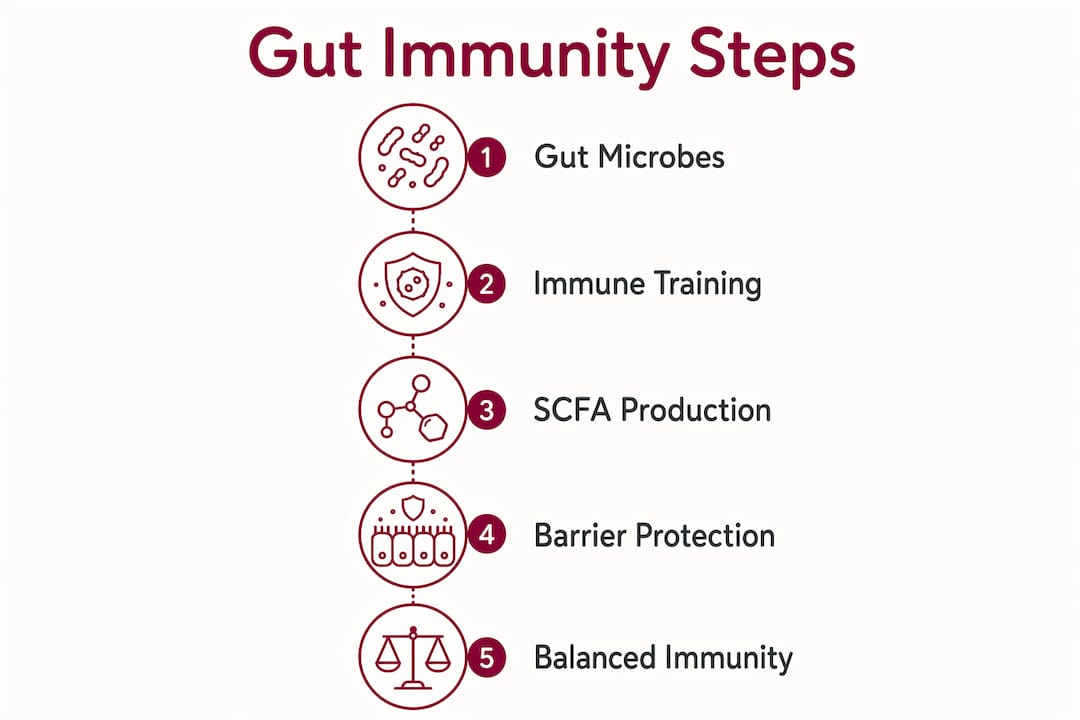
The gut microbiome does not simply coexist with your immune system. It actively trains it. Trillions of bacteria, fungi, and viruses in the gut interact with immune cells daily, teaching them which antigens are harmless and which require a response. Without that training, the immune system defaults to overreaction, which is the root of allergies and autoimmune disease.
The most important output of this training process is the production of short-chain fatty acids (SCFAs), particularly butyrate. High-fiber, plant-based diets supply the raw material bacteria need to produce SCFAs, and butyrate production is directly linked to lower risks of cardiovascular disease, type 2 diabetes, and obesity. Butyrate feeds the cells lining the gut wall, keeping the barrier intact and dampening inflammatory signals before they spread systemically.

Dysbiosis flips this process. When microbial diversity drops, harmful bacteria fill the gap, SCFA production falls, and the immune system loses its regulatory anchor. The result is a state of low-grade, chronic inflammation that underlies conditions from irritable bowel syndrome to rheumatoid arthritis.
Key mechanisms connecting the microbiome to immune function:
- Immune cell education: Gut bacteria present antigens to T-cells and B-cells, shaping long-term immune memory.
- Regulatory T-cell balance: A diverse microbiome promotes regulatory T-cells that suppress excessive immune responses.
- IgA production: Beneficial bacteria stimulate secretory IgA, the antibody that coats the gut lining and neutralizes pathogens before they enter the bloodstream.
- SCFA signaling: Butyrate, propionate, and acetate bind to receptors on immune cells, reducing pro-inflammatory cytokine release.
Pro Tip: Adding fermented foods like kimchi, kefir, or kombucha to your daily diet is one of the fastest ways to increase microbial diversity. The science on fermented drinks and gut health shows measurable shifts in microbiome composition within weeks.
How does the gut barrier protect immune health?
The intestinal mucosal barrier is a multilayered structure that physically separates the immune system from the trillions of microbes living in the gut lumen. It consists of a mucus layer, a single layer of epithelial cells, and an underlying network of immune tissue called the gut-associated lymphoid tissue (GALT). Each layer plays a distinct role in immune defense.
When the barrier is intact, immune cells sample microbial signals in a controlled way, building tolerance without triggering inflammation. When the barrier is damaged, a condition often called increased intestinal permeability, toxins and microbial fragments leak into the bloodstream. The immune system detects these as threats and mounts an inflammatory response, which, if sustained, contributes to systemic disease.
Barrier integrity: what supports it and what damages it
| Factor | Effect on barrier |
|---|---|
| Butyrate (from dietary fiber) | Fuels epithelial cells, tightens junction proteins |
| Akkermansia muciniphila bacteria | Stimulates mucus production, reinforces mucus layer |
| Chronic stress | Weakens tight junctions, increases permeability |
| Sleep deprivation | Impairs barrier repair and immune regulation |
| Ultra-processed foods | Reduces microbial diversity, depletes mucus layer |
| Fermented foods | Supports microbial balance and barrier resilience |
Akkermansia muciniphila deserves special attention. This bacterium actively induces mucus production in the gut lining, thickening the physical barrier between microbes and immune tissue. Its abundance correlates with better metabolic health and lower systemic inflammation.
Pro Tip: Butyrate is the primary energy source for gut epithelial cells. Probiotics alone cannot restore a damaged barrier if dietary fiber is absent. Pair any probiotic supplement with a fiber-rich diet to give gut bacteria the substrate they need to produce butyrate.
What diet and lifestyle habits strengthen gut immunity?
Diet is the single most modifiable factor in gut-immune health. The composition of your microbiome shifts within 24 hours of a dietary change, which means food choices have near-immediate consequences for immune function.
- Eat more fiber. Whole grains, legumes, vegetables, and fruits feed beneficial bacteria that produce SCFAs. Aim for variety, not just volume, since different fiber types feed different bacterial species.
- Add fermented foods daily. Yogurt, kefir, sauerkraut, miso, and kombucha introduce live microorganisms that diversify the microbiome and support immune balance. Research confirms that consistent consumption increases microbial diversity more reliably than probiotic supplements alone.
- Manage stress actively. The gut-brain-immune axis communicates in both directions. Stress impairs gut barrier function by altering signaling in the intestinal lining, which then disrupts immune regulation. Practices like breathwork, walking, and structured rest reduce this effect.
- Prioritize sleep. Sleep deprivation weakens tight junction proteins in the gut lining and suppresses immune cell activity. Seven to nine hours of sleep per night is the range most consistently associated with healthy gut barrier function in adults.
- Reduce ultra-processed foods. These products contain emulsifiers and additives that thin the mucus layer and reduce microbial diversity. Replacing even one processed meal per day with whole food makes a measurable difference.
The gut-brain-immune axis is the mechanism that explains why psychological stress translates into physical illness. Stress hormones like cortisol directly alter gut permeability and shift microbial composition toward pro-inflammatory species. This is not metaphor. It is a documented physiological pathway that connects mental state to immune capacity.
For practical guidance on building these habits into a daily routine, the 2026 gut health guide from Aboocha covers the evidence behind each approach in accessible detail.
What does clinical research reveal about gut immunity?
The most striking recent evidence comes from immuno-oncology. In a clinical study, transplanting gut bacteria from immunotherapy responders to non-responders allowed 50% of non-responders to benefit from treatment. That result reframes the microbiome not as a passive bystander but as an active determinant of whether the immune system can mount an effective anti-cancer response.
The mechanism is specific. Broad T-cell receptor diversity after fecal microbiota transplant correlates directly with treatment response. This means the microbiome shapes the immune system’s ability to recognize and attack cancer cells. Patients with low microbial diversity had narrower T-cell repertoires and weaker responses to checkpoint inhibitor therapy.
Microbial protection extends beyond oncology. A triple therapy targeting gut microbiome composition reduced pathogenic E. coli K1 transmission from 83% in untreated groups to 23% in treated groups in newborn models. That reduction demonstrates how microbiome-targeted interventions can replace or reduce antibiotic dependence while still achieving systemic immune protection.
Effective immune modulation requires personalized approaches rather than generic probiotic supplementation. Immune response depends on the balance of regulatory T-cells and anti-inflammatory messengers, and that balance is unique to each person’s microbial composition. Nutrients like Vitamin D support this balance by promoting IgA-mediated tolerance to commensal bacteria, shifting the immune system away from inflammatory IgG responses. For a broader look at how to build on these findings, the immune health guide from CP-1 covers personalized dietary strategies in practical terms.
Key Takeaways
The gut microbiome directly controls immune function by training immune cells, producing anti-inflammatory metabolites, and maintaining the intestinal barrier that separates the body from microbial threats.
| Point | Details |
|---|---|
| Gut as immune organ | The gut houses most of the body’s immune cells and trains them to distinguish safe from harmful antigens. |
| SCFAs regulate inflammation | Butyrate and other short-chain fatty acids, produced from dietary fiber, stabilize the gut lining and suppress inflammatory signals. |
| Barrier integrity matters | A damaged mucosal barrier allows toxins into the bloodstream, triggering systemic immune activation and chronic inflammation. |
| Diet drives microbial diversity | Fiber-rich and fermented foods shift microbiome composition within days, with direct effects on immune balance. |
| Clinical evidence is strong | Microbiome transplants enabled 50% of immunotherapy non-responders to benefit from cancer treatment, confirming the gut’s systemic immune role. |
The part most gut health advice gets wrong
Most gut health content tells you to take a probiotic and call it done. That advice misses the point almost entirely.
The immune system does not need stimulation. It needs balance. The goal is immune tolerance, specifically shifting the body toward IgA-mediated responses to commensal bacteria rather than inflammatory IgG reactions. Flooding the gut with a single probiotic strain does not achieve that. It may even crowd out the diversity that makes tolerance possible in the first place.
What I find most underappreciated is the role of substrate. Probiotics are seeds. Without fiber, they have nothing to grow on. Butyrate, the molecule that actually feeds gut epithelial cells and tightens the barrier, comes from bacterial fermentation of fiber, not from a capsule. People spend money on supplements while eating diets that starve the bacteria they are trying to support.
The clinical evidence from immuno-oncology makes this concrete. Immunotherapy outcomes improved not because patients added a specific bacterium, but because transplanting a diverse microbial community reshaped the entire immune landscape. Diversity is the variable that matters. And diversity comes from a varied, plant-forward diet sustained over time, not from any single product.
The most practical shift you can make is to treat your microbiome like a garden. Feed it a wide range of plants, add fermented foods for live cultures, protect the soil with adequate sleep and stress management, and avoid the pesticides of ultra-processed food. The immune benefits follow from that foundation.
— Luna
Aboocha and the gut health connection
Aboocha’s kombucha is built around the idea that supporting gut health should taste worth doing every day.

Aboocha ferments its drinks to deliver live cultures with lower sugar content than most commercial kombucha, so you get the microbial benefit without the glycemic spike that can undermine gut balance. Flavors like Sour Plum and Yuzu Osmanthus make the daily habit genuinely enjoyable, which matters because consistency is what actually shifts microbiome composition over time. Aboocha’s subscription plans make it easy to keep fermented drinks in your routine without thinking about it. If you want a practical, flavor-forward way to support your gut and immune health, explore Aboocha’s range and find the option that fits your taste.
FAQ
Why does the gut affect the immune system so strongly?
The gut houses the majority of the body’s immune cells and serves as the site where the immune system learns to distinguish harmful pathogens from harmless bacteria. This constant interaction between gut microbiota and immune tissue makes the gut the primary regulator of systemic immune function.
What are short-chain fatty acids and why do they matter?
Short-chain fatty acids like butyrate are produced when gut bacteria ferment dietary fiber. They feed the cells lining the gut wall, tighten the intestinal barrier, and suppress inflammatory signals that would otherwise spread through the body.
Can probiotics alone improve gut immunity?
Probiotics support microbial diversity but cannot restore immune balance without adequate dietary fiber. Butyrate, the key molecule that fuels gut barrier cells, comes from bacterial fermentation of fiber, so probiotics need a fiber-rich diet to deliver their full benefit.
How quickly does diet change the gut microbiome?
Microbiome composition can shift measurably within 24 hours of a dietary change. Sustained shifts toward greater diversity require consistent dietary habits over weeks, with fermented foods and high-fiber plant foods producing the most reliable results.
What is the link between gut health and cancer treatment?
Clinical research shows that microbiome diversity directly affects immunotherapy outcomes. Transplanting gut bacteria from treatment responders to non-responders enabled 50% of non-responders to benefit from immunotherapy, confirming that the microbiome shapes the immune system’s capacity to fight cancer cells.