
Hydration is defined as the process of maintaining adequate fluid levels in the body’s tissues, and it is the single most foundational factor in digestive function. Water drives every stage of digestion, from the moment saliva breaks down food in your mouth to the final absorption of nutrients in your small intestine. Understanding why hydration supports gut health means understanding that without sufficient fluid, your gut cannot produce the secretions, maintain the bacterial balance, or sustain the mucosal lining it needs to work properly. The recommended daily fluid intake sits at 1.5 to 2 liters, with increases required during heat, stress, or physical activity.
Why hydration supports gut health at every digestive stage
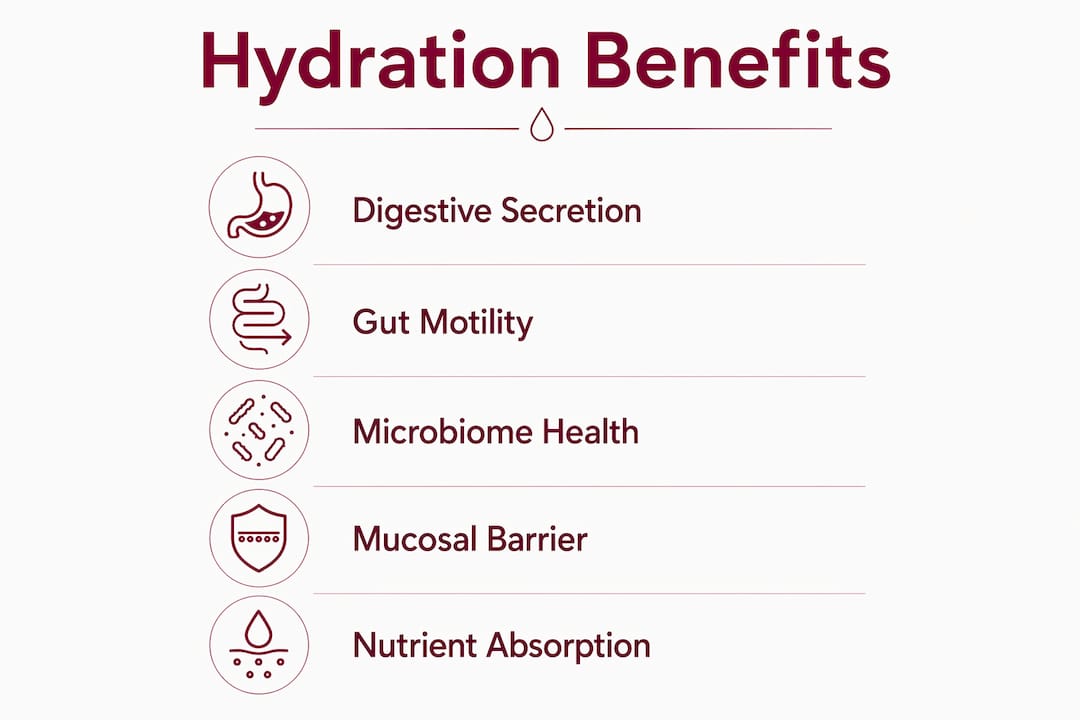
Water is the base for every digestive secretion your body produces. Saliva, gastric juice, bile, and pancreatic fluid all depend on water to form and function. Without enough fluid, digestive enzyme activity drops, and your body struggles to break down proteins, fats, and carbohydrates efficiently.
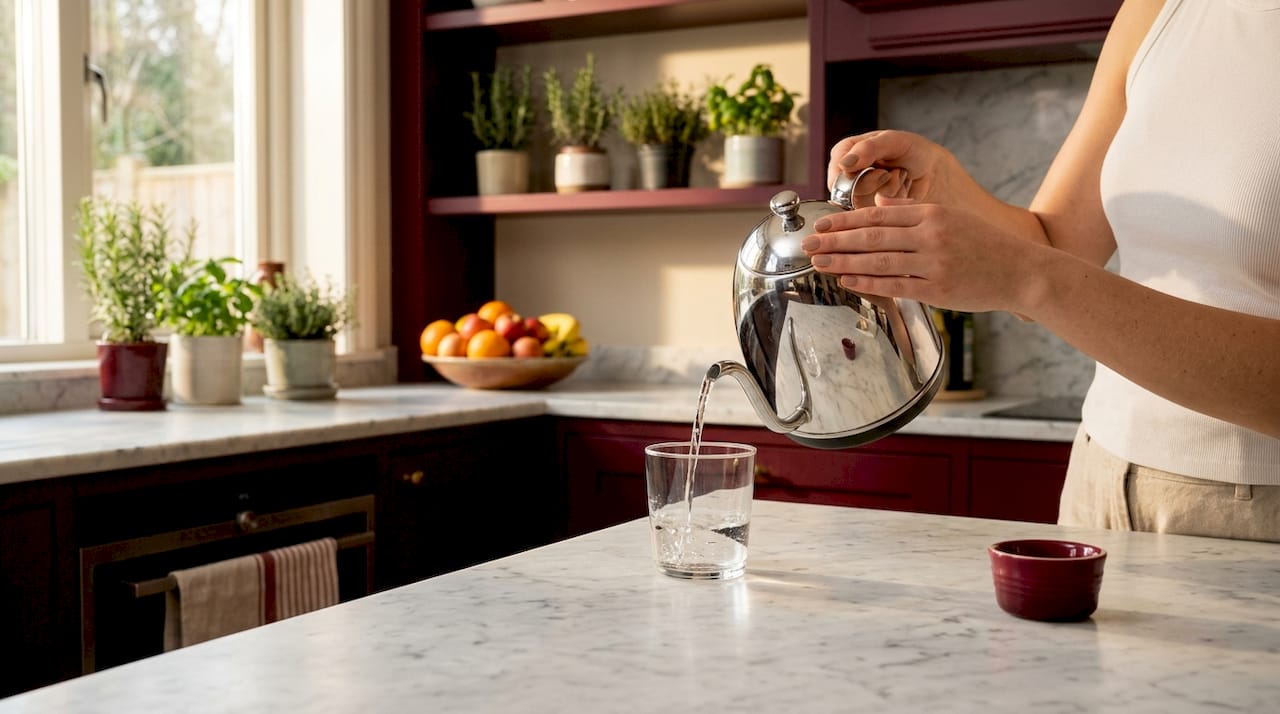
Water also dissolves nutrients so your intestinal wall can absorb them. Think of it like a transport medium: vitamins, minerals, and glucose need to be in solution before your gut lining can pull them into the bloodstream. When you are dehydrated, this process slows, and you absorb less from the food you eat even if your diet is excellent.
Inadequate hydration creates a cascade of digestive problems. Enzyme concentrations fall, food sits longer in the stomach, and fermentation by gut bacteria increases. That fermentation produces excess gas, which causes the bloating and discomfort many people mistakenly blame on specific foods.
Key effects of poor hydration on digestion include:
- Reduced saliva production, making chewing and swallowing harder
- Slower gastric emptying, leading to a feeling of fullness and nausea
- Decreased bile output, which impairs fat digestion
- Lower enzyme concentration in the small intestine
- Reduced nutrient absorption across the intestinal wall
Pro Tip: Drink a glass of water 20 to 30 minutes before a meal to prime your digestive secretions before food arrives.
How does hydration affect gut motility and prevent constipation?
Gut motility refers to the rhythmic muscle contractions that move food and waste through your intestines. Water is the primary regulator of this process. Adequate hydration keeps stools soft and transit regular, while dehydration causes harder stools, constipation, and bloating.
The interaction between fiber and water is where most people go wrong. Dietary fiber absorbs water and swells into a soft gel that moves easily through the colon. Without enough water, fiber supplements cannot swell properly and can actually worsen constipation by forming dense, hard masses. This is one of the most common and least discussed mistakes in gut health management.
Dehydration combined with heat stress creates what researchers describe as a “slow-motion” gut state. Heat and stress suppress digestive motility, causing gas to build up and transit to stall. Hydration is the primary intervention to reverse this effect.
A practical approach to optimizing hydration for gut transit:
- Drink water consistently throughout the day rather than in large amounts at once.
- Pair every high-fiber meal with an extra glass of water.
- Take a 20-minute walk after meals. Physical activity combined with hydration measurably increases intestinal motility and reduces constipation symptoms.
- Increase fluid intake during hot weather or when traveling to high altitudes.
- Monitor urine color. Pale yellow indicates good hydration; dark yellow signals a deficit.
Pro Tip: If you take a fiber supplement like psyllium husk, always follow it with at least 250 milliliters of water immediately. Skipping this step turns a gut health aid into a gut health problem.
What does hydration do for your gut microbiome and mucosal barrier?
The gut microbiome is the community of trillions of bacteria, fungi, and other microorganisms living in your intestines. Hydration directly shapes which species thrive. Consistent intake of high-quality water modulates gut microbiota by increasing beneficial genera like Akkermansia while decreasing harmful ones such as Clostridioides. This shift matters because Akkermansia is strongly associated with a healthy mucosal barrier and reduced systemic inflammation.
The intestinal mucosal barrier is a thin layer of cells and mucus that lines your gut wall. It keeps harmful bacteria and toxins inside the gut while allowing nutrients to pass through. The mucosal barrier depends heavily on hydration to maintain its defensive and anti-inflammatory properties. When you are chronically underhydrated, this barrier thins, becomes more permeable, and lets bacterial byproducts enter the bloodstream, a condition often called “leaky gut.”
Hydration also acts as the medium through which dietary antioxidants and fiber compounds reach the gut microbiome. Research shows that hydration enables fibers and antioxidants to support mucosal integrity and prevent inflammation. Without adequate water, these dietary compounds cannot interact effectively with gut bacteria or the mucosal surface.
The quality of water matters too, not just the quantity. The antioxidant capacity and physical properties of water may actively influence microbiota composition. This is one reason why functional hydration research is increasingly focused on water quality alongside volume.
| Hydration status | Effect on gut microbiome | Effect on mucosal barrier |
|---|---|---|
| Well hydrated | Increases Akkermansia and beneficial genera | Maintains thickness and anti-inflammatory function |
| Mildly dehydrated | Reduces microbial diversity | Begins to thin and lose protective mucus |
| Chronically dehydrated | Promotes harmful genera like Clostridioides | Becomes permeable, raising inflammation risk |
Understanding the link between gut health and skin also reveals how mucosal barrier integrity extends beyond digestion. A compromised gut lining affects systemic inflammation, which shows up in skin, energy levels, and immune response.
Practical hydration strategies for better gut health
The goal is not to drink as much water as possible. The goal is to drink the right amount, at the right pace, consistently. Sipping 1.5 to 2 liters steadily throughout the day maintains mucosal barrier hydration and digestive fluidity far more effectively than drinking large amounts at once. Large gulps overwhelm the stomach and pass through too quickly to benefit the intestinal lining.
One persistent myth is that drinking water during meals dilutes stomach acid and impairs digestion. Current scientific consensus shows that drinking water during meals does not negatively affect digestion in healthy individuals. It actually assists chewing and swallowing. You do not need to time your water intake around meals unless a specific medical condition requires it.
Practical strategies for staying hydrated for better gut function:
- Start each morning with 300 to 400 milliliters of water before coffee or food.
- Keep a water bottle visible at your desk or workspace. Visibility drives consistent sipping.
- Eat water-rich foods like cucumber, watermelon, celery, and oranges to supplement fluid intake.
- Adjust your intake upward when traveling. Travelers need 2 to 3 liters daily to counteract fluid loss from altitude and climate changes. For more on managing digestion while traveling, the guide on traveling with a healthy gut covers fluid needs and food choices in detail.
- Pair hydration with movement. A short walk after meals, combined with steady water intake, produces measurable improvements in transit time.
- Choose beverages that contribute to gut health rather than just fluid volume. Fermented drinks like kombucha provide both hydration and probiotic-rich support for microbial balance.
Hydration is also a foundational pillar alongside stress management and diet for counteracting environmental stressors that impair digestion. Heat, altitude, and psychological stress all suppress gut motility. Water is the most direct and accessible tool to push back against those effects.
Key Takeaways
Hydration supports gut health by maintaining digestive secretions, regulating gut motility, protecting the mucosal barrier, and shaping the gut microbiome through consistent, steady fluid intake of 1.5 to 2 liters daily.
| Point | Details |
|---|---|
| Water powers digestion | Every digestive secretion, from saliva to bile, requires water to form and function. |
| Steady sipping beats large gulps | Drinking 1.5 to 2 liters in small amounts throughout the day optimizes mucosal hydration. |
| Fiber needs water to work | Without adequate water, dietary fiber hardens rather than forming the soft gel that aids transit. |
| Hydration shapes the microbiome | Consistent water intake increases beneficial bacteria like Akkermansia and reduces harmful genera. |
| Travelers need more fluid | Altitude and heat demand 2 to 3 liters daily to prevent digestive distress. |
What steady hydration taught me about gut health
Most people treat hydration as an afterthought. They drink when they feel thirsty, which means they are already behind. Thirst is a late signal. By the time your mouth feels dry, your gut has already started compensating.
What I have found, both personally and through reading the research closely, is that the timing and pace of water intake matters as much as the total volume. Drinking two liters in the last two hours of the day does almost nothing for your gut. Spreading that same amount across the full day keeps the mucosal lining consistently hydrated and transit moving without effort.
The meal-timing myth is also worth addressing directly. Avoiding water during meals is advice that circulates widely but has no solid scientific backing. Drinking water with food helps you chew, swallow, and digest. The idea that it “dilutes” stomach acid ignores how tightly the body regulates gastric pH regardless of fluid intake.
What I think gets overlooked most often is the connection between hydration and the gut microbiome. People spend money on probiotic supplements while drinking far too little water. The bacteria you are trying to support need a hydrated mucosal environment to colonize and thrive. Water is not optional infrastructure. It is the foundation everything else sits on. Pairing good hydration with fermented drinks and gut health practices gives your microbiome the best possible conditions to function.
— Luna
Aboocha: your next step toward better gut health
Hydration is the foundation, but it works best when paired with the right dietary choices. Aboocha crafts kombucha beverages designed specifically for people who take their gut health seriously.
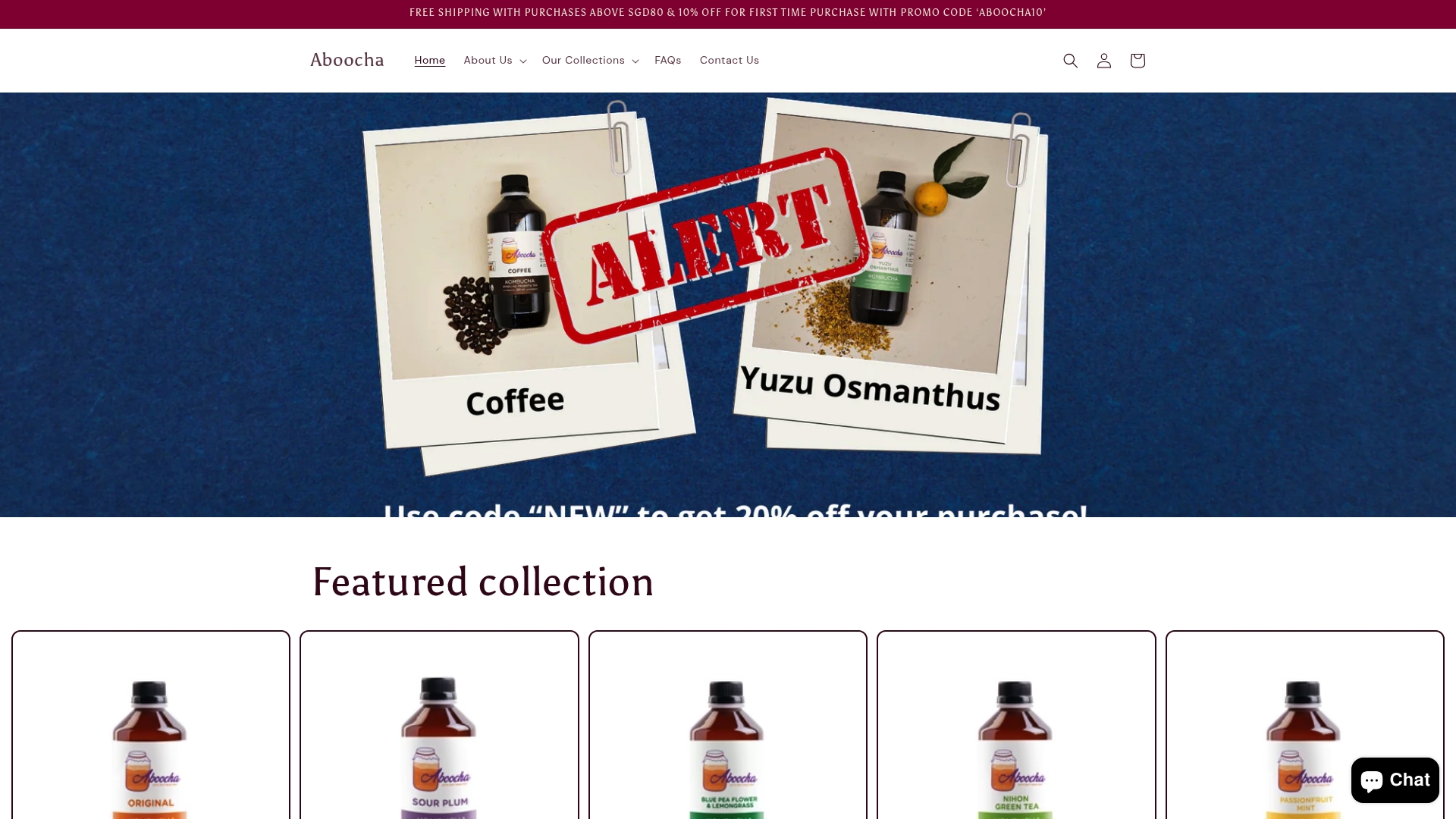
Aboocha’s drinks, including Sour Plum and Yuzu Osmanthus, are low in sugar and built around flavor profiles that make staying hydrated genuinely enjoyable. Each bottle contributes both fluid intake and live cultures that support microbial balance. For readers who want to go deeper on digestion and gut wellness, the gut health guide on the Aboocha site covers practical strategies across diet, hydration, and lifestyle. You can also explore the full range of Aboocha kombucha options and subscription plans designed for consistent, convenient gut support.
FAQ
Why does hydration support gut health specifically?
Water forms the base for all digestive secretions, maintains the intestinal mucosal barrier, and regulates the bacterial balance in the gut. Without adequate fluid, digestion slows, the mucosal lining thins, and harmful bacteria gain ground over beneficial ones.
How much water should you drink daily for good digestion?
The baseline is 1.5 to 2 liters per day, with increases needed during heat, physical activity, or travel. Travelers at altitude or in hot climates should aim for 2 to 3 liters to prevent gastrointestinal distress.
Does drinking water during meals hurt digestion?
No. Current evidence shows that drinking water during meals does not impair digestion in healthy individuals. It supports normal chewing and swallowing and does not meaningfully dilute stomach acid.
Can hydration improve gut flora?
Yes. Consistent intake of high-quality water increases beneficial bacterial genera like Akkermansia and reduces harmful ones such as Clostridioides, directly improving the microbial balance in your gut.
What happens to your gut when you are chronically dehydrated?
Chronic dehydration thins the mucosal barrier, slows intestinal transit, hardens stools, and promotes the growth of harmful gut bacteria. These effects compound over time and raise systemic inflammation risk.