
Osmanthus is defined as a fragrant flowering plant, Osmanthus fragrans, used in beverages to deliver a naturally sweet, apricot-honey aroma along with functional health properties. The flower appears in teas, liqueurs, milk teas, and fermented drinks because it adds sensory depth without artificial additives. Its apricot-peach-honey floral aroma comes from lactone compounds unique to the species, making it unlike any other floral ingredient in beverage formulation. Osmanthus also inhibits key digestive enzymes, which is why osmanthus used in drinks goes beyond flavor alone. Aboocha’s Yuzu Osmanthus kombucha is a direct example of how this ingredient bridges traditional herbal use and modern clean-label beverage trends.
Why osmanthus is used in drinks: the sensory case
Osmanthus delivers a flavor profile that no synthetic additive can replicate cleanly. Its aroma compounds are primarily lactones, the same chemical family responsible for the scent of ripe apricots and peaches. That fruity-floral character sits between sweet and delicate, which means it softens sharper base flavors in tea and spirits without overpowering them.
Beverage makers prize osmanthus for several specific sensory reasons:
- Natural sweetness perception: The flower’s aroma creates a sweetness impression on the palate, reducing the need for added sugar.
- Aroma complexity: Lactone compounds layer fruity, honey, and floral notes simultaneously, giving drinks a multi-dimensional character.
- Flavor bridging: Osmanthus bridges green teas and spirits in cocktails by adding floral-fruity complexity while cutting sugar needs.
- Clean-label compatibility: The flower works as a natural flavoring agent, meeting consumer demand for ingredient transparency.
- Versatility across formats: Dried flowers, powders, syrups, and extracts each suit different beverage applications.
Two main techniques exist for getting osmanthus flavor into a drink. The traditional scenting method layers dried flowers with tea leaves over several days, allowing natural fragrance absorption without synthetic flavoring. The modern approach uses concentrated flower powder or liquid extract, which delivers consistent flavor and bioactive compounds in functional beverages.
Pro Tip: Steep dried osmanthus flowers for no longer than 3–5 minutes. Over-steeping releases bitter compounds that mask the bright apricot sweetness the flower is known for.

What health benefits does osmanthus add to beverages?
Osmanthus contributes measurable physiological effects, not just pleasant flavor. Research shows that adding 1%–5% osmanthus flower powder to food and drink bases inhibits α-amylase and α-glucosidase, two enzymes that break down starch rapidly. Slowing these enzymes means carbohydrates digest more gradually, which supports steadier energy levels and is relevant to people managing blood sugar.
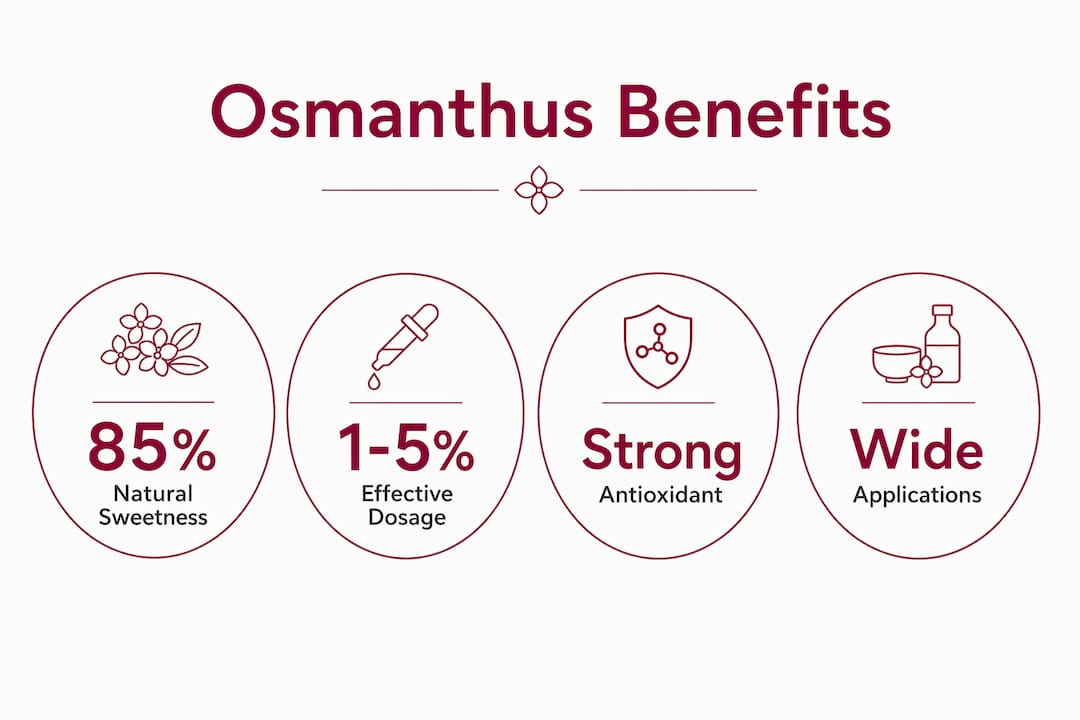
A second mechanism operates through lipase inhibition. Osmanthus fragrans extract contains phenylethanoid glycosides that inhibit pancreatic lipase, the enzyme responsible for fat digestion and glycolipid metabolism. This bioactivity positions osmanthus as a functional ingredient, not just an aromatic one. That distinction matters to health-conscious consumers who want their beverages to do more than taste good.
Traditional wellness claims add further context:
- Digestive comfort: Osmanthus tea is traditionally used to soothe the stomach and ease digestive discomfort, particularly after heavy meals.
- Detoxification support: Traditional use includes osmanthus tea helping detoxify the body and improve complexion, aligning with modern wellness drink positioning.
- Antioxidant activity: The flower contains polyphenols that contribute antioxidant effects, supporting cellular health.
- Calming properties: Traditional practitioners recommend osmanthus for summer heatiness and digestive discomfort, citing its calming aroma and functional benefits.
The combination of enzyme inhibition, antioxidant content, and traditional wellness reputation makes osmanthus one of the few floral ingredients that satisfies both the flavor and the botanical health benefits criteria simultaneously.
How does osmanthus fit into culinary tradition?
Osmanthus has been used in Chinese food and drink culture for over 2,500 years. That longevity is not accidental. The flower carries cultural symbolism tied to prosperity and family reunion in Chinese tradition, which made it a natural choice for ceremonial teas and festival foods. Its medicinal reputation reinforced its presence in everyday beverages long before modern functional drink categories existed.
The role of osmanthus in culinary tradition follows a clear historical arc:
- Ancient ritual use: Osmanthus wine and osmanthus-scented teas appeared in Tang Dynasty records as offerings and celebratory drinks.
- Regional tea culture: Guilin, in Guangxi province, became the center of osmanthus tea production, developing scenting techniques that remain in use today.
- Scenting as craft: Artisans layered osmanthus flowers with Long Jing and other green teas, allowing the leaves to absorb floral fragrance over multiple days without losing structural integrity.
- Medicinal integration: Traditional Chinese medicine incorporated osmanthus for skin health, stomach soothing, and respiratory comfort, embedding it in herbal drink formulas.
- Modern revival: Contemporary beverage brands now draw on this heritage to position osmanthus as an authentic, premium botanical ingredient with a traceable cultural story.
That cultural depth gives osmanthus a credibility advantage over invented flavor compounds. When a brand uses osmanthus, it connects to a documented tradition that consumers increasingly value. The consumer movement toward natural botanicals favors ingredients like osmanthus precisely because their history is real and their flavor is irreplaceable.
How to use osmanthus in modern drink recipes
Osmanthus works across a wider range of beverage formats than most people expect. The key is matching the right form of the ingredient to the right application.
Brewing ratios and steeping times
Standard brewing of dried osmanthus tea uses 5g of dried flowers or 15g of fresh flowers per serving, steeped for 3 minutes to optimize aroma without bitterness. Cold infusions work differently. Steeping osmanthus in cold water for 6–8 hours preserves the fruity profile and avoids any astringency. Both methods suit different drink styles, with hot brewing delivering a warmer, rounder flavor and cold infusion producing a lighter, more refreshing result.
Osmanthus forms and best uses
| Form | Best application | Key advantage |
|---|---|---|
| Dried flowers | Hot tea, cold brew, scented blends | Authentic aroma, traditional method |
| Flower powder | Functional drinks, milk teas, lattes | Consistent flavor, bioactive compounds |
| Syrup | Cocktails, sparkling water, mocktails | Easy dosing, shelf-stable |
| Extract | Kombucha, fermented drinks, spirits | Concentrated flavor, precise control |
Osmanthus syrup works particularly well in cocktails and sparkling drinks because it dissolves instantly and carries the floral aroma into carbonated formats without losing intensity. For custom tea blending, osmanthus pairs naturally with green tea, white tea, and oolong, where its sweetness complements lighter base flavors. In milk teas, the flower powder adds depth that distinguishes the drink from standard jasmine or rose variants.
Fermented beverages like kombucha benefit from osmanthus extract because the fermentation process preserves the floral notes while the probiotic culture adds a complementary tartness. Aboocha’s Yuzu Osmanthus kombucha demonstrates this pairing, combining the citrus brightness of yuzu with osmanthus’s honey-apricot character to create a drink that is both complex and low in sugar.
Pro Tip: Pair osmanthus with a mild green tea base rather than black tea when making your own blend. The lighter tannin structure of green tea lets the floral notes come forward instead of competing with them.
Key Takeaways
Osmanthus is used in drinks because it delivers irreplaceable natural aroma, enzyme-inhibiting health properties, and over 2,500 years of cultural credibility that no synthetic flavoring can match.
| Point | Details |
|---|---|
| Flavor without additives | Osmanthus provides apricot-honey sweetness naturally, reducing the need for added sugar or artificial flavor. |
| Functional health properties | Flower powder inhibits α-amylase and lipase, slowing starch and fat digestion for health-conscious consumers. |
| Cultural authority | Over 2,500 years of use in Chinese teas and medicine gives osmanthus authentic heritage that modern brands draw on. |
| Versatile ingredient forms | Dried flowers, powder, syrup, and extract each suit different beverage formats from hot tea to fermented drinks. |
| Steeping precision matters | Limit hot steeping to 3–5 minutes to preserve the bright fruity aroma and avoid bitterness. |
Why osmanthus deserves more attention than it gets
I have tasted a lot of floral beverages, and most of them make the same mistake. They lean on rose or lavender because those names are familiar, and the result is a drink that smells like a candle. Osmanthus does something different. It smells like fruit. That distinction changes the entire drinking experience because your brain reads it as food rather than fragrance.
What strikes me most about osmanthus is how it solves two problems at once. Beverage developers want natural sweetness without sugar, and they want a health story that holds up to scrutiny. Osmanthus delivers both. The enzyme inhibition research is real, the antioxidant content is documented, and the traditional use record stretches back further than most ingredients on the market today.
The low-sugar beverage trend is not slowing down, and osmanthus fits it better than almost any other floral ingredient. Its natural sweetness perception means you can reduce sugar in a formulation without the drink tasting thin or flat. That is a technical advantage, not just a marketing claim.
My honest observation is that osmanthus is still underused in Western beverage markets. Brands that move on it now, the way Aboocha has with its Yuzu Osmanthus kombucha, are building a flavor identity that will be hard to copy once consumers recognize the name. The ingredient rewards patience and precision. Get the steeping time right, choose the correct form for your format, and osmanthus will do the rest.
— Luna
Aboocha’s osmanthus-infused drinks worth trying
Osmanthus is one of those ingredients that reads better in a glass than on a label. Aboocha has built its Yuzu Osmanthus kombucha around exactly that idea, pairing the flower’s honey-apricot aroma with yuzu’s citrus brightness in a low-sugar, gut-friendly format.
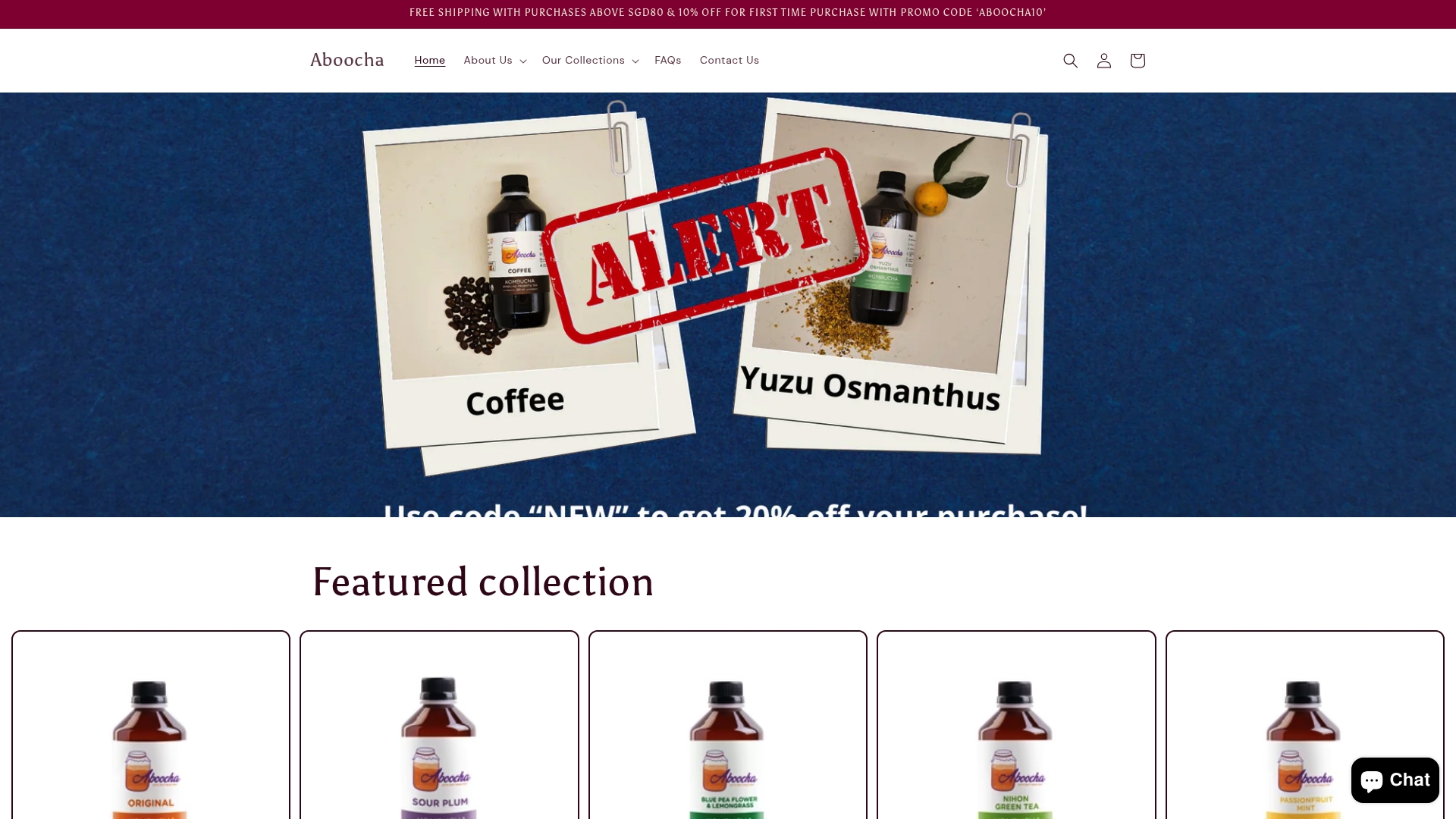
Aboocha’s botanical beverage bundles let you explore osmanthus alongside other premium floral and fruit flavors without committing to a single bottle. The bundles are designed for people who want variety and health benefits in the same order. If you want to see how osmanthus performs in a fermented drink made with real botanical ingredients, Aboocha’s range is a direct, no-guesswork way to find out.
FAQ
What does osmanthus taste like in a drink?
Osmanthus delivers a naturally sweet, apricot-honey flavor with soft floral notes. The taste is fruity rather than perfumed, which makes it more approachable than rose or lavender in beverages.
Is osmanthus tea good for digestion?
Osmanthus tea is traditionally used to soothe the stomach and ease digestive discomfort. Research also shows that osmanthus flower powder inhibits α-amylase and α-glucosidase, enzymes involved in starch digestion.
How long should you steep osmanthus flowers?
Steep dried osmanthus for 3–5 minutes in hot water. Over-steeping introduces bitterness that masks the bright fruity sweetness the flower is known for.
Can osmanthus be used in cocktails?
Osmanthus syrup and extract work well in cocktails and sparkling drinks. The floral-fruity complexity reduces the need for added sugar while adding a premium aromatic character.
What is the difference between osmanthus scenting and osmanthus extract?
Scenting layers dried flowers with tea leaves over days to transfer natural fragrance, a traditional method used for premium teas. Extracts and powders deliver concentrated flavor and bioactive compounds, making them better suited to functional beverages and fermented drinks.