
A solid anti-inflammatory beverage routine looks like this: warm turmeric tonic or matcha in the morning, green tea or moderate coffee mid-morning, a greens-and-berries smoothie or tart cherry juice in the afternoon, and ginger tea or low-sugar kombucha in the evening. That’s the whole framework. Everything below makes it easier to execute.
Top picks at a glance:
- Morning: Matcha or turmeric tonic (with black pepper)
- Afternoon: Tart cherry juice or greens-and-berries smoothie
- Evening: Ginger infusion, bone broth, or low-sugar kombucha
The evidence behind this approach is real. A 3,879-person cohort study (the CoLaus study) found that higher intake of phytochemical-rich foods and beverages was inversely associated with hs-CRP, a key blood marker of chronic inflammation. Polyphenols, the active compounds in most of these drinks, work by modulating inflammatory signaling pathways including IL-6 and TNF-α. Drink the right things consistently, and the biology follows.
Key Takeaways
A consistent anti-inflammatory beverage routine works by replacing pro-inflammatory drinks with polyphenol-rich options across the day, not by adding more volume to what you already consume.
| Point | Details |
|---|---|
| Replace, don’t add | Swap one sugary drink per week for a polyphenol-rich option to build the routine without overloading your day. |
| Timing matters | Matcha works best in the morning; tart cherry and kombucha are better suited to afternoon or evening. |
| Check the label | Choose kombucha with under 5 g of sugar per serving and live cultures listed on the label. |
| Safety first | Consult a pharmacist or clinician before starting high-dose turmeric or tart cherry if you take anticoagulants or manage gout. |
| Aboocha fits the routine | Aboocha’s low-sugar kombucha with live cultures slots naturally into the afternoon or evening position in a balanced daily routine. |
Table of Contents
- Your daily anti-inflammatory beverage routine: the full drink list with recipes
- How to build a daily routine that actually sticks
- What you need to know before starting: safety and interactions
- How Aboocha fits into your anti-inflammatory routine
- An honest take on what these drinks actually do
- Aboocha makes the kombucha part easy
- Sources
- FAQ
Your daily anti-inflammatory beverage routine: the full drink list with recipes
1. Matcha or green tea
Green tea is one of the most studied anti-inflammatory beverages, largely because of its high EGCG (epigallocatechin gallate) content, a catechin that suppresses inflammatory cytokines. Aim for a moderate daily intake, commonly two to four cups depending on caffeine tolerance.
Quick matcha recipe: Sift 1 tsp ceremonial-grade matcha into a warmed bowl. Add 2 oz of 175°F water (not boiling — boiling water destroys catechins). Whisk in a W-motion until frothy. Top with 4 oz of oat or almond milk if preferred.
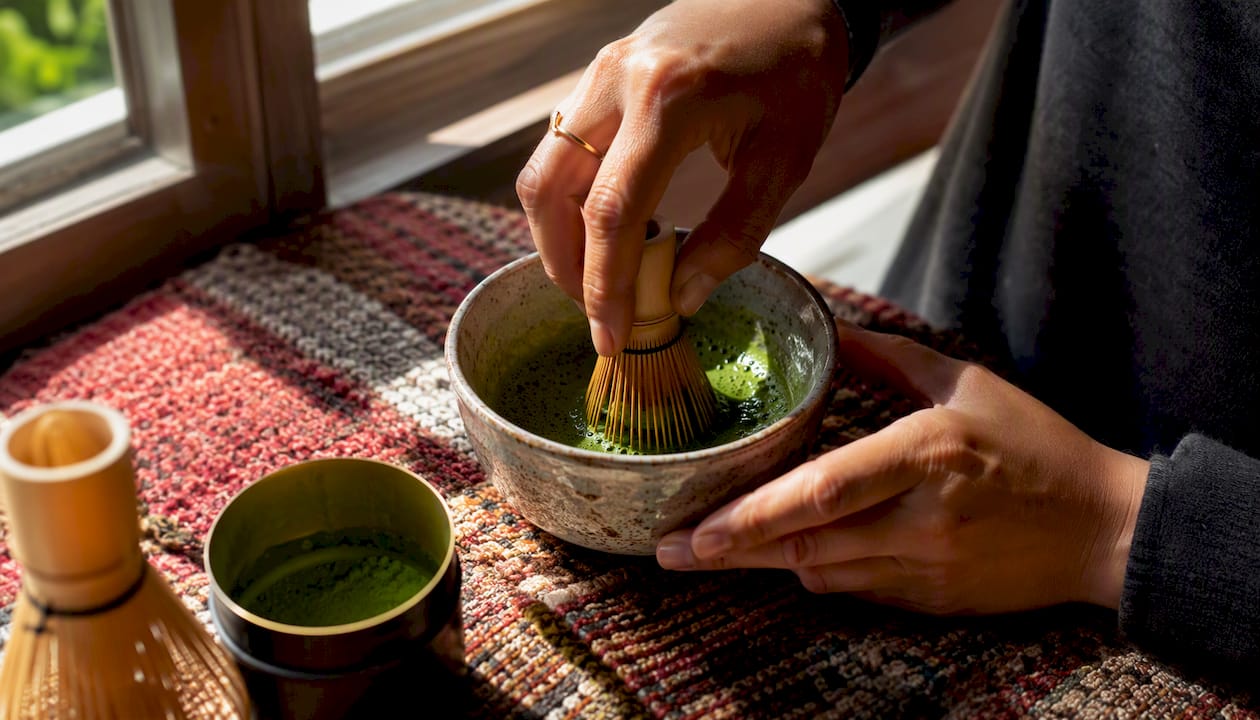
Pro Tip: Steep loose-leaf green tea at 160–175°F for 2–3 minutes. Temperatures above 185°F degrade the catechins you’re drinking it for.
Safety note: Matcha contains roughly 70 mg of caffeine per serving. Cap at 2 servings if you’re sensitive or pregnant.
2. Turmeric tonic
Curcumin, turmeric’s active compound, has well-documented anti-inflammatory properties, but its bioavailability is low without absorption enhancers. Pairing it with piperine (black pepper) or a dietary fat can meaningfully increase how much your body actually absorbs.
Quick turmeric tonic recipe:
- 1 cup warm water or oat milk
- 1 tsp ground turmeric
- ¼ tsp black pepper
- ½ tsp raw honey (optional)
- A few drops of lemon juice
Whisk together and drink warm. One serving daily is a reasonable starting point.
Pro Tip: “Bloom” the turmeric by briefly warming it in a small amount of coconut oil before adding liquid. This fat-based activation step improves curcumin absorption before the water even hits the cup.
Safety note: High-dose turmeric supplements can interact with anticoagulants. At culinary amounts in a tonic, the risk is low, but check with a pharmacist if you’re on blood thinners.
3. Ginger infusion
Fresh ginger contains gingerols and shogaols, compounds that inhibit prostaglandin synthesis similarly to how some anti-inflammatory medications work, though far more mildly. It’s also one of the gentlest options for people with sensitive stomachs.
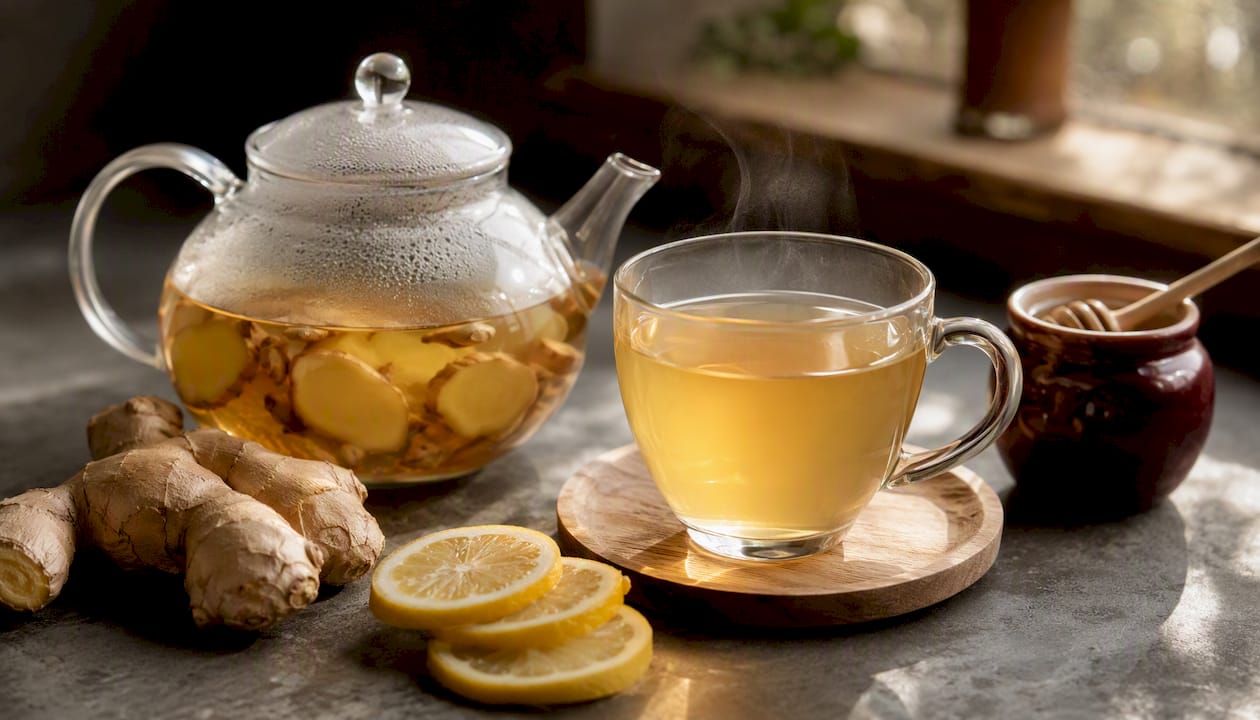
Quick ginger tea recipe: Slice 5–6 thin coins of fresh ginger root. Steep in 1.5 cups of just-boiled water for 8–10 minutes. Add lemon and honey to taste. Drink 1–2 cups daily, ideally in the evening.
Safety note: Ginger may mildly thin blood at high doses. At 1–2 cups of tea, this is not a clinical concern for most people.
4. Tart cherry juice
Tart cherry is one of the more underrated options on this list. Trials have associated tart cherry supplementation with reduced exercise-related inflammation and improved sleep outcomes, likely due to its anthocyanin content and natural melatonin-like compounds. That makes it particularly useful post-workout or in the late afternoon.
Quick prep: Use 1–2 oz of unsweetened tart cherry concentrate mixed into 8 oz of cold water. Avoid bottled tart cherry “drinks” with added sugar — the concentrate gives you the polyphenols without the glucose spike.
Serving guidance: 1 serving (8 oz diluted) daily, ideally 30–60 minutes before exercise or in the early evening.
Safety note: Tart cherry is high in natural purines. If you manage gout or elevated uric acid, speak with your doctor before making it a daily habit.
5. Greens-and-berries smoothie
This is the most flexible option in the routine, and one of the best anti-inflammatory smoothies you can make at home. Blueberries, spinach, and flaxseed each contribute different polyphenol classes, and the fat from flax or avocado aids absorption of fat-soluble phytonutrients.
Quick recipe:
- 1 cup frozen blueberries
- 1 large handful of baby spinach
- 1 tbsp ground flaxseed
- 1 cup unsweetened almond milk
- ½ frozen banana (for texture)
Blend until smooth. Drink within 20 minutes of blending to minimize oxidation of polyphenols.
Serving guidance: One 12–16 oz serving as a meal replacement or afternoon snack.
6. Bone broth
Bone broth sits in a different lane from the polyphenol-heavy drinks above. Its anti-inflammatory value comes from glycine, proline, and collagen-derived peptides, which support gut lining integrity. A compromised gut lining is a known driver of systemic inflammation, so this is a meaningful addition, especially in the evening.
Quick prep: Use a high-quality store-bought bone broth (look for “grass-fed” and no added MSG). Warm 1 cup, add a pinch of sea salt and turmeric, and drink as a savory evening alternative to herbal tea.
Serving guidance: 1 cup (240 ml) daily or 4–5 times per week.
7. Low-sugar kombucha
Fermented beverages like kombucha support the gut microbiome, and reviews on fermented foods consistently note that low-sugar, live-culture options are the ones most likely to deliver gut and inflammation benefits. The key word is low-sugar: many commercial kombuchas contain 8–12 g of sugar per serving, which partially offsets the benefit.
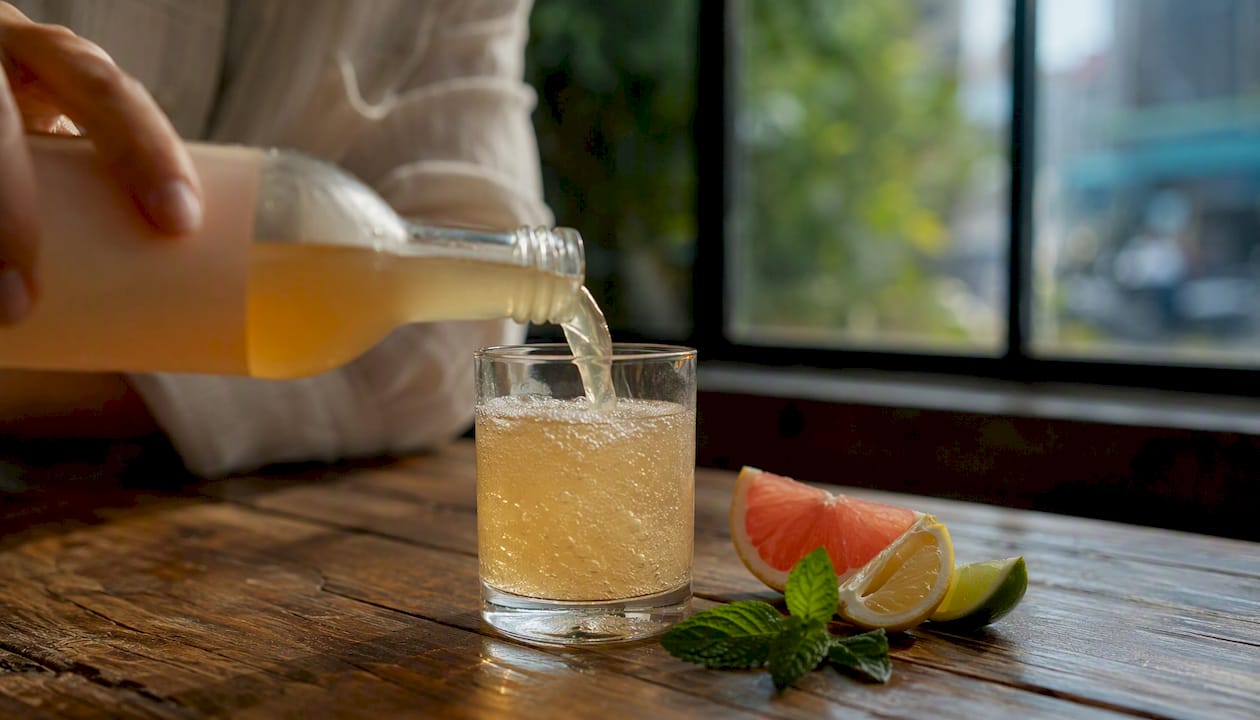
Serving guidance: 1 bottle (240–330 ml) per day, ideally in the afternoon or evening. Pair with a meal to buffer the acidity.
Safety note: Kombucha contains trace alcohol and small amounts of caffeine. Avoid during pregnancy or if you have a compromised immune system.
8. Moderate coffee
Coffee is optional in this routine, but worth including for those who already drink it. Observational research links moderate coffee consumption with lower markers of chronic inflammation, with some analyses pointing to around three cups per day as an observed optimum. The polyphenols in coffee, particularly chlorogenic acids, appear to be the active mechanism rather than caffeine itself.
Serving guidance: 1–3 cups before noon. Black or with minimal dairy; skip the flavored syrups.
Safety note: Caffeine sensitivity varies widely. If you experience anxiety, disrupted sleep, or heart palpitations, cut to one cup or switch to decaf.
How to build a daily routine that actually sticks
The goal isn’t to drink eight different things every day. It’s to replace what you’re already drinking with better options, one swap at a time.
Three sample routines
Beginner (one swap per week):
| Time | Beverage | Serving |
|---|---|---|
| Morning | Warm turmeric tonic | 1 cup (240 ml) |
| Afternoon | Tart cherry concentrate in water | 8 oz |
| Evening | Ginger tea | 1 cup |
Balanced daily routine:
Performance/recovery (high-activity days):
The replacement principle
The most practical rule in building a daily anti-inflammatory beverage plan: replace, don’t add. Swapping a sweetened soda or flavored latte for a matcha or ginger infusion reduces total sugar intake while adding polyphenols. Adding a smoothie on top of your existing drinks just adds calories and volume without the same payoff.
Start with one swap. Hold it for a week. Add the next one only when the first feels automatic.
The CoLaus cohort data reinforces why the pattern matters more than any single drink: higher dietary phytochemical intake across a population of 3,879 people was associated with lower hs-CRP and better cardiometabolic markers. No single beverage drove that association. The overall pattern did.
What you need to know before starting: safety and interactions
Most of these beverages are safe for healthy adults at the serving sizes listed. A few situations call for additional care.
Interaction checklist:
- Anticoagulants (warfarin, aspirin therapy): High-dose turmeric and concentrated ginger may have mild blood-thinning effects. Culinary amounts in a tonic are generally fine, but flag it with your pharmacist if you’re on prescription anticoagulants. The Arthritis Foundation’s turmeric guide recommends clinician review for anyone on multiple medications.
- Gout or elevated uric acid: Tart cherry is high in natural purines. Discuss frequency with your doctor before making it daily.
- Caffeine sensitivity: Matcha and green tea contain meaningful caffeine. If you’re sensitive, cap green tea at 1–2 cups before noon and skip coffee.
- Commercial kombucha sugar content: Many store-bought kombuchas carry 8–12 g of sugar per serving. Read the label before buying.
- Pregnancy: Avoid high-dose ginger, kombucha (trace alcohol), and excess caffeine. Stick to plain water, mild herbal teas, and diluted tart cherry.
When to consult a clinician before starting:
- You take prescription anticoagulants or immunosuppressants
- You are pregnant or planning surgery within four weeks
- You have a complex digestive condition (Crohn’s, SIBO, severe IBS)
- You are managing gout, kidney stones, or a liver condition
Storage and prep notes: Turmeric loses potency when overheated. Prepare tonics with warm water, not boiling. Fresh-brewed teas are more potent than bottled equivalents. Smoothies oxidize quickly; drink within 20 minutes of blending.
Ongoing clinical research is actively measuring IL-6, TNF-α, and hs-CRP in trials of polyphenol-containing beverages, which means the evidence base for these drinks is still growing. What’s already clear is that beverages support a pattern. They don’t cure chronic inflammation on their own, and they work best alongside a plant-forward diet, regular movement, and adequate sleep.
How Aboocha fits into your anti-inflammatory routine
Not all kombuchas are built the same. Sugar content, live culture count, and ingredient quality vary significantly across brands, and those differences matter when you’re using kombucha as part of a daily anti-inflammatory beverage routine.
Aboocha is a low-sugar kombucha designed specifically for health-conscious drinkers who want gut support without the sugar load that undercuts it. Its fermented drink gut health benefits come from live cultures and botanical ingredients, not from added fruit juice concentrates or sweeteners. Flavors like Sour Plum and Yuzu Osmanthus are genuinely distinct from standard kombucha, which makes it easier to stick to the routine when the drink itself is something you look forward to.
Label checklist when choosing a kombucha:
- Sugar per serving: aim for under 5 g
- Live cultures listed on the label (not pasteurized after fermentation)
- No added juice concentrates as the primary ingredient
- Serving size stated clearly (some brands list 100 ml as a serving for a 330 ml bottle)
When to drink it in your routine: Afternoon or early evening works best. Aboocha pairs well after a meal, when the acidity is buffered and the live cultures have the best environment to reach the gut intact. For readers who want a low-sugar fermented option they can rely on consistently, a subscription plan removes the friction of remembering to reorder.
An honest take on what these drinks actually do
The most common mistake people make with an anti-inflammatory drink checklist is treating it like a prescription. Drink the turmeric tonic, fix the inflammation. That’s not how it works, and the research doesn’t support it.
What the evidence does support is that consistent, phytochemical-rich beverage choices, as part of a broader plant-forward pattern, are associated with meaningfully lower inflammatory markers over time. The CoLaus data showed this across a large population. The polyphenol mechanism research explains why. But “associated with lower markers over time” is a very different claim than “reduces inflammation fast.”
The drinks that tend to make the biggest practical difference are the ones that replace something worse. Swapping a sweetened iced tea for a ginger infusion or tart cherry water isn’t a dramatic intervention. Over weeks and months, though, the cumulative reduction in added sugar and the cumulative increase in polyphenol intake adds up to something the body notices.
One practical trial worth running: pick two drinks from this list, replace your current afternoon and evening drinks with them for seven days, and track three things: digestion, sleep quality, and morning joint stiffness. You don’t need a blood test to notice a signal. Most people do within a week.
Aboocha makes the kombucha part easy
If the kombucha slot in your routine keeps getting skipped because you forget to buy it or end up with a high-sugar version from a convenience store, Aboocha’s subscription solves that specific problem.
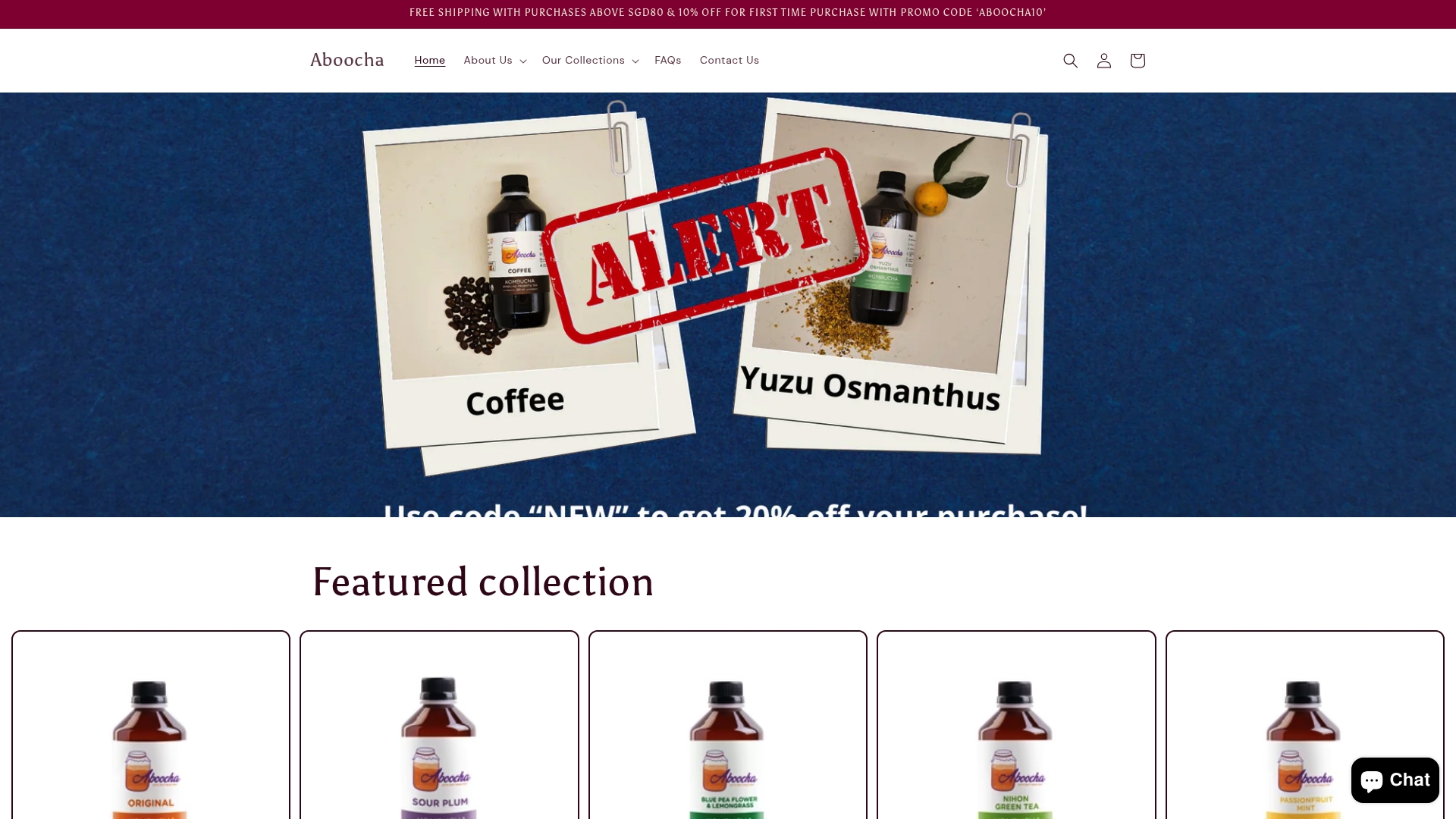
Aboocha delivers low-sugar, live-culture kombucha in flavors that are genuinely worth drinking, including Sour Plum and Yuzu Osmanthus, on a schedule that matches your routine. A starter flavor set lets you find which profiles you prefer before committing to a subscription. The sugar content stays low by design, not as an afterthought, so it fits the label checklist above without any guesswork.
Health claims aside, read the label on whatever kombucha you choose, and consult a clinician if you have a digestive condition or are pregnant. For everyone else, explore Aboocha’s range and pick a starting flavor.
Sources
- Association between dietary phytochemical index, cardiometabolic risk factors and metabolic syndrome in Switzerland. The CoLaus study
- Coffee, caffeine, and health outcomes: a review of current evidence
- Polyphenols and inflammation: mechanisms and clinical relevance
- Clinical trial registry entry investigating polyphenol beverages and inflammatory markers (NCT04983420)
- Curcumin: biological, metabolic, and clinical aspects
- Tart cherry supplementation and recovery from exercise-induced muscle damage
This article is general information, not a substitute for advice from a qualified doctor. Consult a qualified healthcare professional about your own circumstances before acting on anything here.
FAQ
What should I drink every day to reduce inflammation?
Prioritize matcha or green tea in the morning, a greens-and-berries smoothie or tart cherry juice in the afternoon, and ginger tea or low-sugar kombucha in the evening. The CoLaus study found that consistently higher phytochemical intake across the day, not any single drink, is what correlates with lower hs-CRP.
What is the best drink to reduce inflammation?
No single drink wins outright, but turmeric tonic (with black pepper) and matcha are among the most evidence-backed options because of curcumin’s documented anti-inflammatory mechanisms and green tea’s high EGCG content. Polyphenols from both act on IL-6 and TNF-α pathways.
What is the best time to drink an anti-inflammatory drink?
Morning is best for caffeinated options like matcha and green tea. Tart cherry juice works well post-workout or in the early evening, where its melatonin-like compounds may also support sleep. Ginger tea and low-sugar kombucha fit naturally in the evening after a meal.
How do you flush inflammation out of your body fast?
There’s no fast flush, but replacing sugary drinks with hydrating, polyphenol-rich options immediately reduces one driver of inflammation. Drinking adequate plain water alongside these beverages helps transport and excrete inflammatory byproducts. Consistent daily habits tend to produce the first noticeable signals, such as improved digestion and reduced joint stiffness.